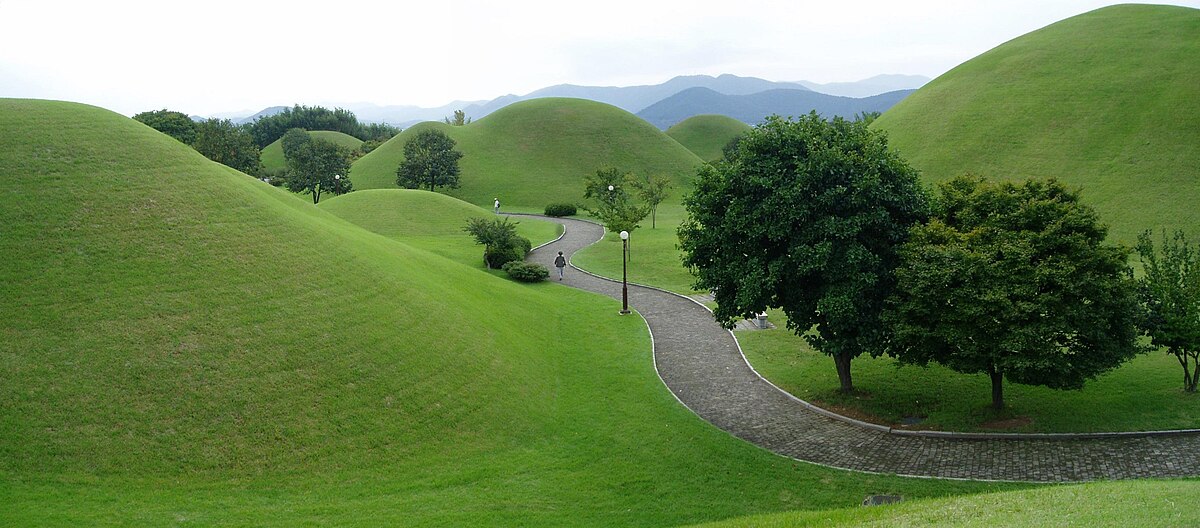
Tumuli Park (Daereungwon): Gyeongju's Ancient Royal Burial Ground
In the heart of Gyeongju city, Daereungwon (Tumuli Park) contains 23 enormous grass-covered burial mounds of Silla royalty, with one open for interior viewing revealing breathtaking golden treasures.
Photo: Wikipedia Commons
What Is Tumuli Park?
Tumuli Park, formally known as Daereungwon (대릉원), is a large park in central Gyeongju containing 23 ancient burial mounds (tumuli) belonging to Silla Dynasty royalty and nobles. These enormous grass-covered mounds — some over 20 meters high and 80 meters in diameter — dominate the landscape of central Gyeongju and give the city its most distinctive visual character. The mounds were constructed between the 4th and 6th centuries CE and represent the accumulated wealth and power of the Silla Kingdom at its height. They were built using a unique Silla burial technique: the wooden coffin and burial goods were placed in a wooden chamber, which was then covered by an enormous mound of rocks and earth. This technique, which differs from the earthen mounds of neighboring kingdoms, made the tombs virtually impossible to break into from above — ensuring that the treasures inside remained sealed for over 1,500 years. When excavations of the mounds began in the 20th century, the discoveries were staggering. Inside the mounds were gold crowns of extraordinary complexity, gold belts, gold earrings, jade ornaments, glass vessels of Persian and Roman origin, iron weapons, and thousands of other objects that revealed the Silla elite's sophistication, wealth, and international connections.
History & Significance
The burial mounds of Gyeongju are scattered throughout the city, not only in Daereungwon. At one count, over 150 ancient burial mounds existed within the Gyeongju basin, testament to the density of Silla royal activity here from the 1st century BCE through the 10th century CE. Daereungwon was designated a historic site and opened as a park in 1975 after several mounds were excavated. The most important excavation at Daereungwon was Cheonmachong (天馬塚, Heavenly Horse Tomb) in 1973. Inside this mound, archaeologists found 11,526 artifacts including a spectacular pure gold crown weighing 1.76kg — one of the most beautiful objects ever found in Korea. The tomb also contained the famous 'Heavenly Horse' painting on birchbark, depicting a white horse in flight — the oldest surviving Silla painting. The Cheonmachong burial chamber has been reconstructed and remains the only mound in Daereungwon open for interior viewing. The artifacts from the Gyeongju burial mounds are now displayed in the Gyeongju National Museum, which has one of the most impressive archaeological collections in Asia. Visiting both Daereungwon and the museum together provides a comprehensive picture of Silla civilization's remarkable achievements.
What to See & Do
Walking through Daereungwon among the giant mounds is an eerie and awe-inspiring experience. The massive grass hills rise from the ground without warning, creating a surreal landscape in the middle of a modern city. The scale of the mounds conveys more effectively than any museum exhibit the power and wealth of the rulers who lie beneath them. Cheonmachong is open for interior viewing and is the highlight of a Daereungwon visit. Visitors enter through a corridor into the reconstructed burial chamber, where the scale of the stone rock-pile that forms the mound's internal structure is revealed. Replica artifacts — the golden crown, belt, and other objects — are displayed in the chamber in their approximate original positions. The sense of being inside a 1,600-year-old royal burial is profound. The park is beautifully maintained with manicured lawns between the mounds, making it an excellent place to walk, relax, and contemplate. In the evening the mounds are illuminated, creating an atmospheric nighttime landscape. The surrounding Hwangnam-dong neighborhood contains Hanok restaurants and cafés in traditional settings.
- ·Enter Cheonmachong burial chamber to see the replica royal burial treasures and stone structure
- ·Walk the perimeter path for the full impression of the mounds' enormous scale
- ·Visit in the evening when the mounds are illuminated for a magical atmosphere
- ·Combine with the Gyeongju National Museum to see the actual golden artifacts found in the mounds
- ·Explore the surrounding Hwangnam-dong hanok neighborhood for traditional food and cafés
Visitor Tips
Daereungwon is open daily from 9 AM to 10 PM (last entry 9 PM). Admission is 3,000 KRW for adults. The park is centrally located in Gyeongju and easily walkable from the Gyeongju bus terminal and nearby attractions. Bicycle rental is popular in Gyeongju and allows comfortable exploration of the various sites scattered around the city. The park is easily visited in 1-1.5 hours, though more time rewards those who slow down and spend time at Cheonmachong and in quiet contemplation of the landscape. Gyeongju as a whole warrants at least a full day — the city is essentially one continuous archaeological park with significant sites within walking or easy cycling distance of each other. A Gyeongju City Tour Bus provides convenient access to outlying sites.
Tips
- 💡Visit Gyeongju National Museum before Daereungwon to understand the significance of the burial treasures
- 💡Enter Cheonmachong (the only mound open inside) and take time to appreciate the scale of construction
- 💡Rent a bicycle in Gyeongju — the mounds and other sites are perfectly spaced for a cycling tour
최종 수정: 2026년 3월 30일
이런 글도 있어요
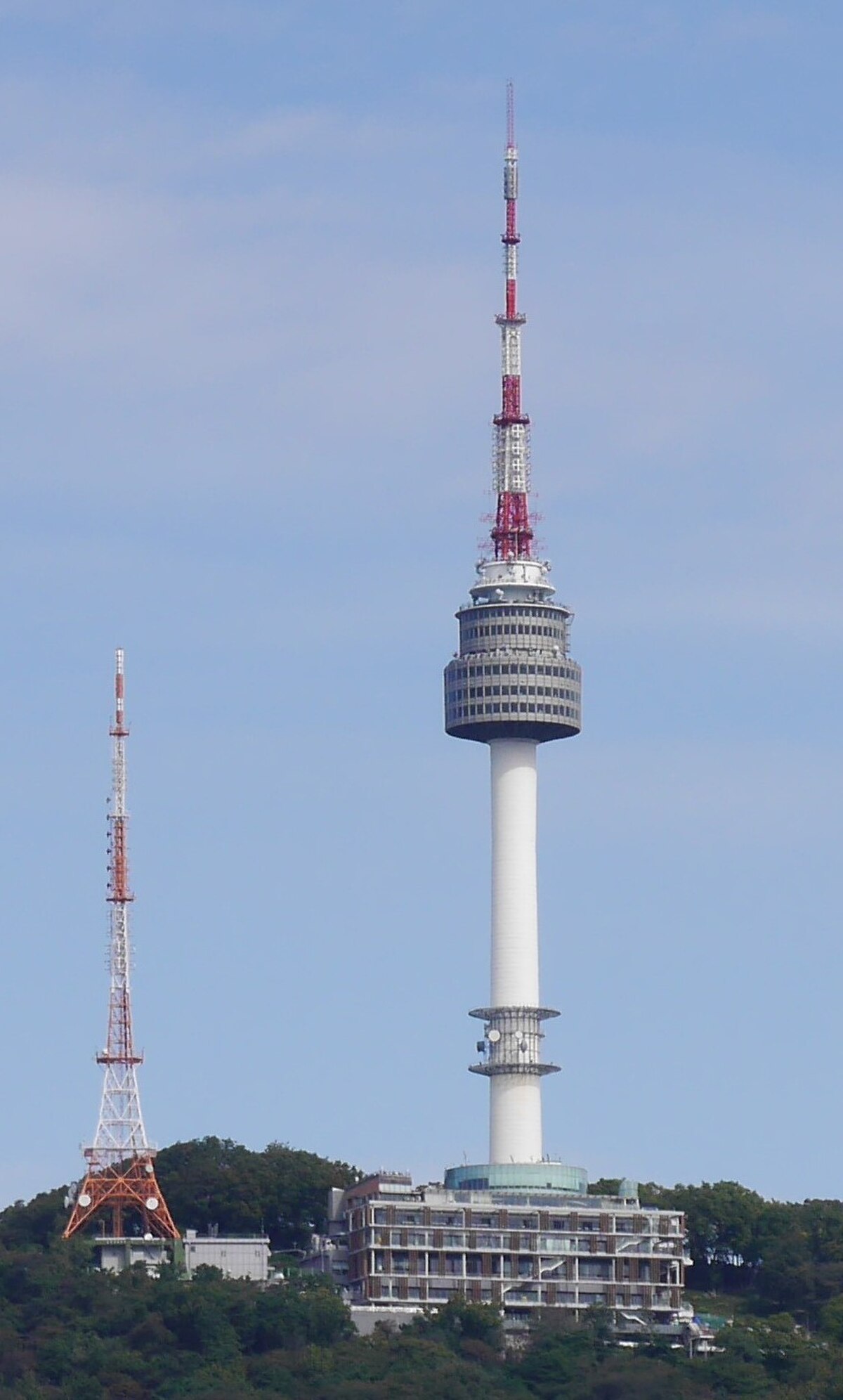
N Seoul Tower: Seoul's Most Iconic Landmark
Perched atop Namsan mountain, N Seoul Tower offers breathtaking 360-degree views of the city and has become a beloved symbol of Seoul's modern romance.
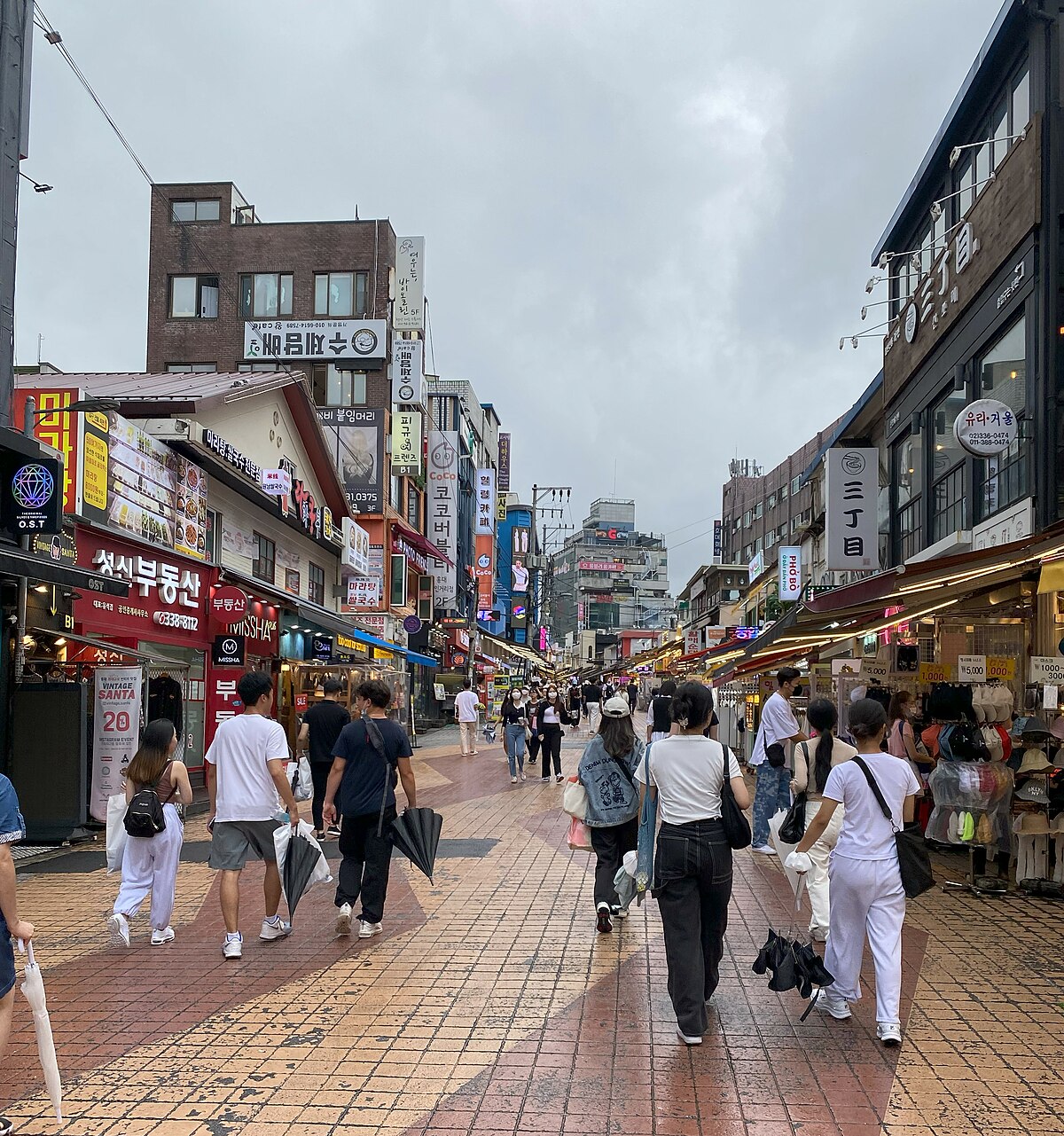
Hongdae: Seoul's Creative Youth Capital
Seoul's most vibrant arts and nightlife district, Hongdae pulses with indie music, street performances, quirky cafés, and the creative energy of Korea's top arts university.
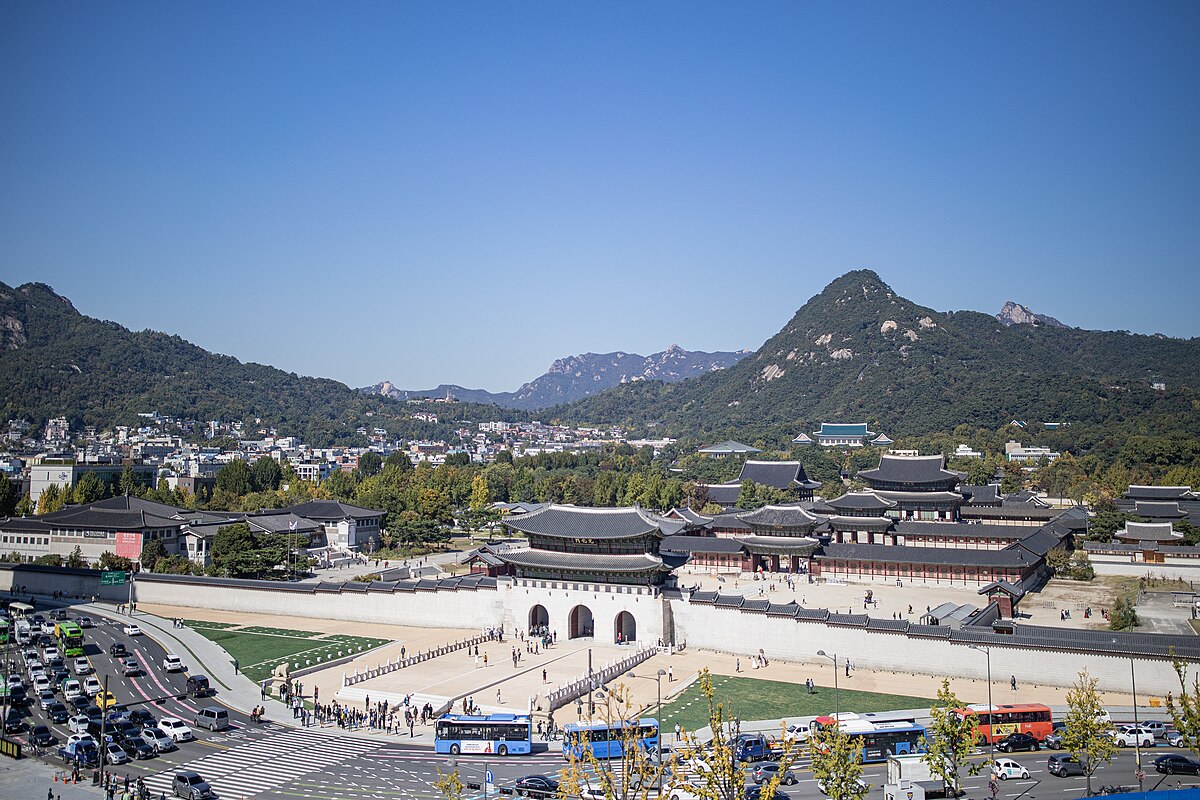
Gyeongbokgung: Seoul's Grand Joseon Palace
The largest and most magnificent of Seoul's Five Grand Palaces, Gyeongbokgung served as the heart of the Joseon Dynasty for over 500 years.