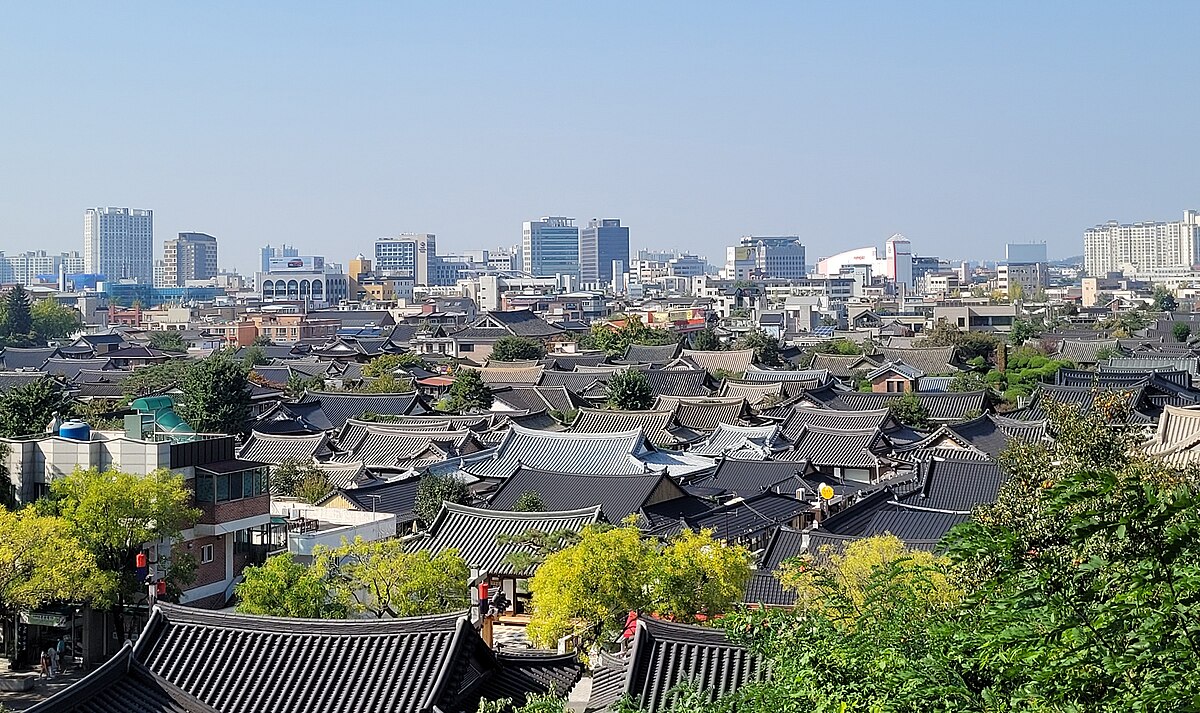
Jeonju Hanok Village: Korea's Best-Preserved Traditional Town
With over 700 traditional Korean hanok houses, Jeonju Hanok Village is the largest and most beautifully preserved cluster of traditional Korean architecture, and the birthplace of the Joseon Dynasty's royal family.
Photo: Wikipedia Commons
What Is Jeonju Hanok Village?
Jeonju Hanok Village (전주한옥마을) is the largest and most celebrated cluster of traditional Korean hanok architecture in the country, located in the Pungnam-dong neighborhood of Jeonju city in North Jeolla Province. With approximately 700 hanok (traditional Korean wooden houses with distinctive curved tile roofs) concentrated in a single area, it provides visitors an immersive experience of traditional Korean aesthetic and culture that would be impossible to find in Seoul's rapidly modernizing landscape. A hanok is more than just an architectural style — it represents an entire philosophy of living in harmony with nature. The buildings are oriented to maximize winter sunlight and summer shade, use ondol (underfloor heating) fueled by wood, incorporate natural materials including stone, wood, clay, and rice paper, and arrange rooms around internal courtyards. Walking through the village, with its curving tile rooflines against the sky and stone alley walls, evokes the atmosphere of Joseon Dynasty Korea more vividly than almost anywhere else. The village is a living, breathing neighborhood — residents live in many of the hanok, and the buildings house an eclectic mix of traditional crafts workshops, cultural experience centers, cafés, guesthouses, and restaurants. This blend of the historical and contemporary gives Jeonju Hanok Village an authentic vitality rather than the feel of a static museum.
History & Significance
Jeonju holds a special place in Korean history as the birthplace of the Yi family — the royal family of the Joseon Dynasty (1392-1897). The city served as the capital of the Jeolla Province throughout the Joseon period and was a center of Korean culture, arts, and cuisine. This cultural importance is part of why the traditional architecture of the area was particularly well-preserved. The concentration of hanok in the current village area began in the early 20th century, partly as a deliberate counter to the Japanese colonial government's urban development policies. Korean residents invested in maintaining and building traditional-style homes as a form of cultural resistance, creating the nucleus of what exists today. The village was designated a UNESCO Intangible Cultural Heritage preservation area and has been protected and promoted by the city and national government. Jeonju's prominence as a food capital adds another dimension to the Hanok Village's appeal. Jeonju is the birthplace of bibimbap (비빔밥), one of Korea's most famous dishes, and the city's food culture in general is considered some of the finest in Korea. The combination of architectural heritage and culinary excellence makes Jeonju Hanok Village a destination that engages all the senses.
What to See & Do
Wandering the village's network of alleys is the primary pleasure — each turn reveals a beautiful courtyard, a craft workshop, a traditional tearoom, or an unexpected view of curved rooftops. The village's main commercial streets have restaurants and shops, while the quieter back alleys preserve a more authentic residential atmosphere. Hanbok rental is enormously popular in Jeonju — several shops offer rental of high-quality traditional clothing for surprisingly reasonable prices, and walking the hanok village in hanbok provides both a memorable cultural experience and excellent photo opportunities. Guesthouses (hanok minbak) allow visitors to experience staying overnight in a traditional house, sleeping on floor mattresses heated by ondol. The Jeonju Traditional Wine Museum and various makgeolli (rice wine) bars offer tastings of traditional Korean alcoholic beverages. Cultural experience workshops throughout the village teach hanji (Korean traditional paper) making, pottery, traditional cooking, and other crafts. Gyeonggijeon Shrine, within the village, houses a portrait of King Taejo (founder of Joseon Dynasty) and is a significant historical site.
- ·Rent hanbok (traditional clothing) from a village shop for an immersive cultural experience
- ·Try the local Jeonju bibimbap — served in stone bowls with dozens of varied toppings
- ·Stay overnight in a hanok guesthouse to experience sleeping on traditional ondol heated floors
- ·Visit Gyeonggijeon Shrine to see the royal portrait of Joseon Dynasty founder King Taejo
- ·Try traditional Korean paper (hanji) making or other craft workshops throughout the village
Visitor Tips
Jeonju Hanok Village is open at all times and free to enter (entrance to specific sites within may require tickets). Jeonju city is accessible from Seoul by KTX train in about 1.5 hours (to Jeongeup or Iksan) or by express bus in about 2.5 hours. Local buses and taxis connect the train station to the Hanok Village. The village is walkable from the Hanok Village Bus Stop (Bus 79, 537, or others). Weekends are extremely busy — if possible, visit on a weekday for a more relaxed experience. The village has become very tourist-oriented on the main streets; venture deeper into the alleys to find more authentic spaces. Jeonju deserves at least one overnight stay to experience the quieter atmosphere of early morning and evening. The nearby Naejangsan National Park makes Jeonju an excellent base for exploring the wider North Jeolla Province.
Tips
- 💡Stay overnight in a hanok guesthouse — the village is most beautiful at dawn and after dark
- 💡Eat Jeonju bibimbap at a traditional restaurant near Gyeonggijeon — this is its birthplace
- 💡Venture into the back alleys away from the main tourist streets for authentic neighborhood atmosphere
Last updated: March 30, 2026
Bạn cũng có thể thích
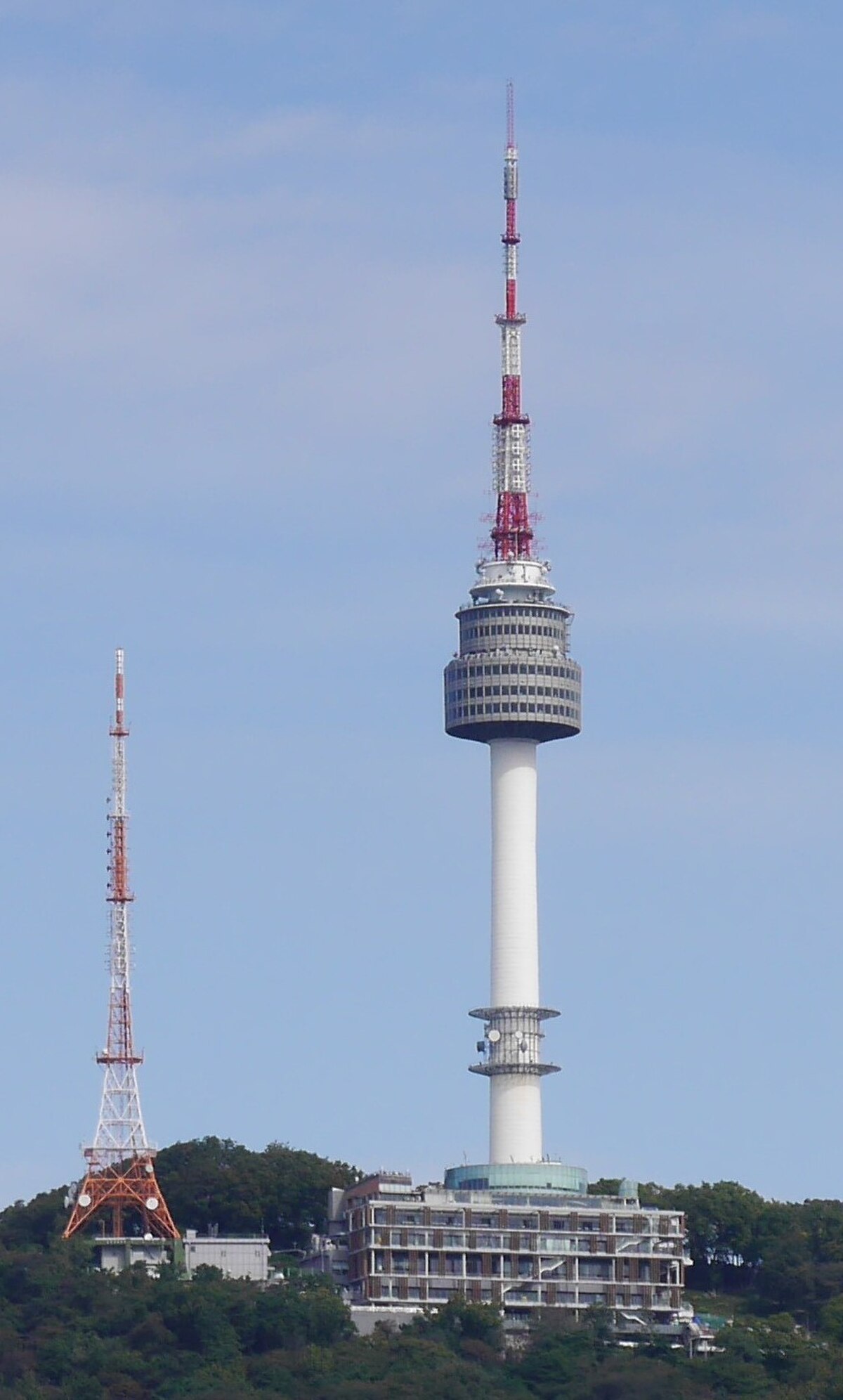
N Seoul Tower: Seoul's Most Iconic Landmark
Perched atop Namsan mountain, N Seoul Tower offers breathtaking 360-degree views of the city and has become a beloved symbol of Seoul's modern romance.
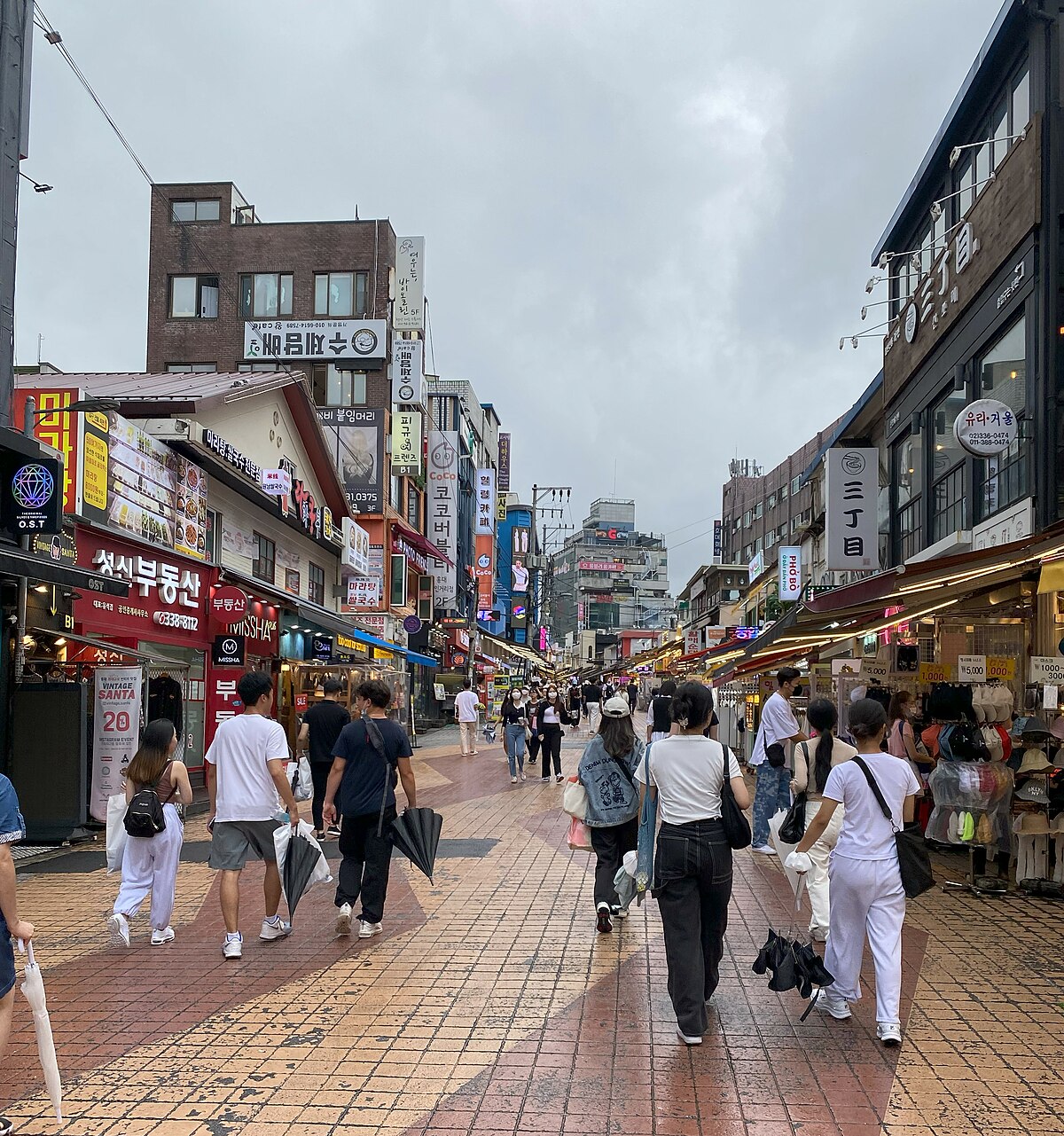
Hongdae: Seoul's Creative Youth Capital
Seoul's most vibrant arts and nightlife district, Hongdae pulses with indie music, street performances, quirky cafés, and the creative energy of Korea's top arts university.
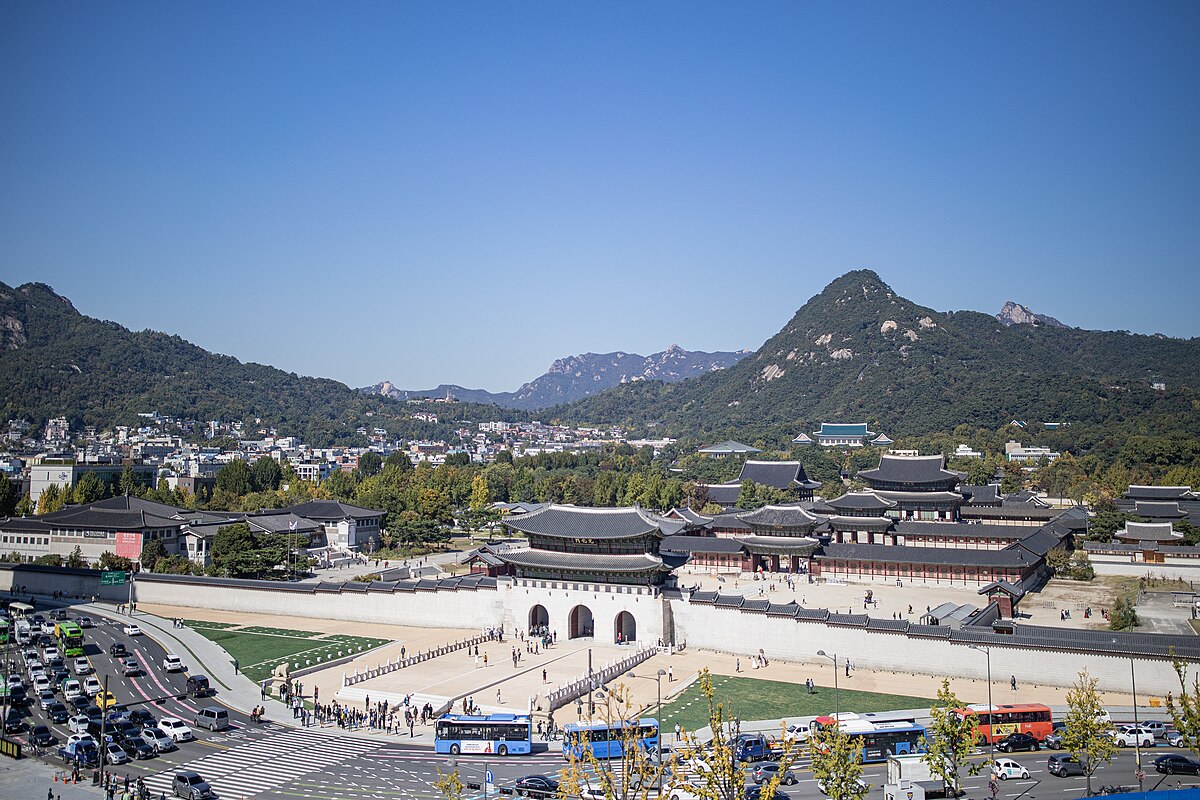
Gyeongbokgung: Seoul's Grand Joseon Palace
The largest and most magnificent of Seoul's Five Grand Palaces, Gyeongbokgung served as the heart of the Joseon Dynasty for over 500 years.