Dwaeji Gukbap: Busan's Soul in a Bowl
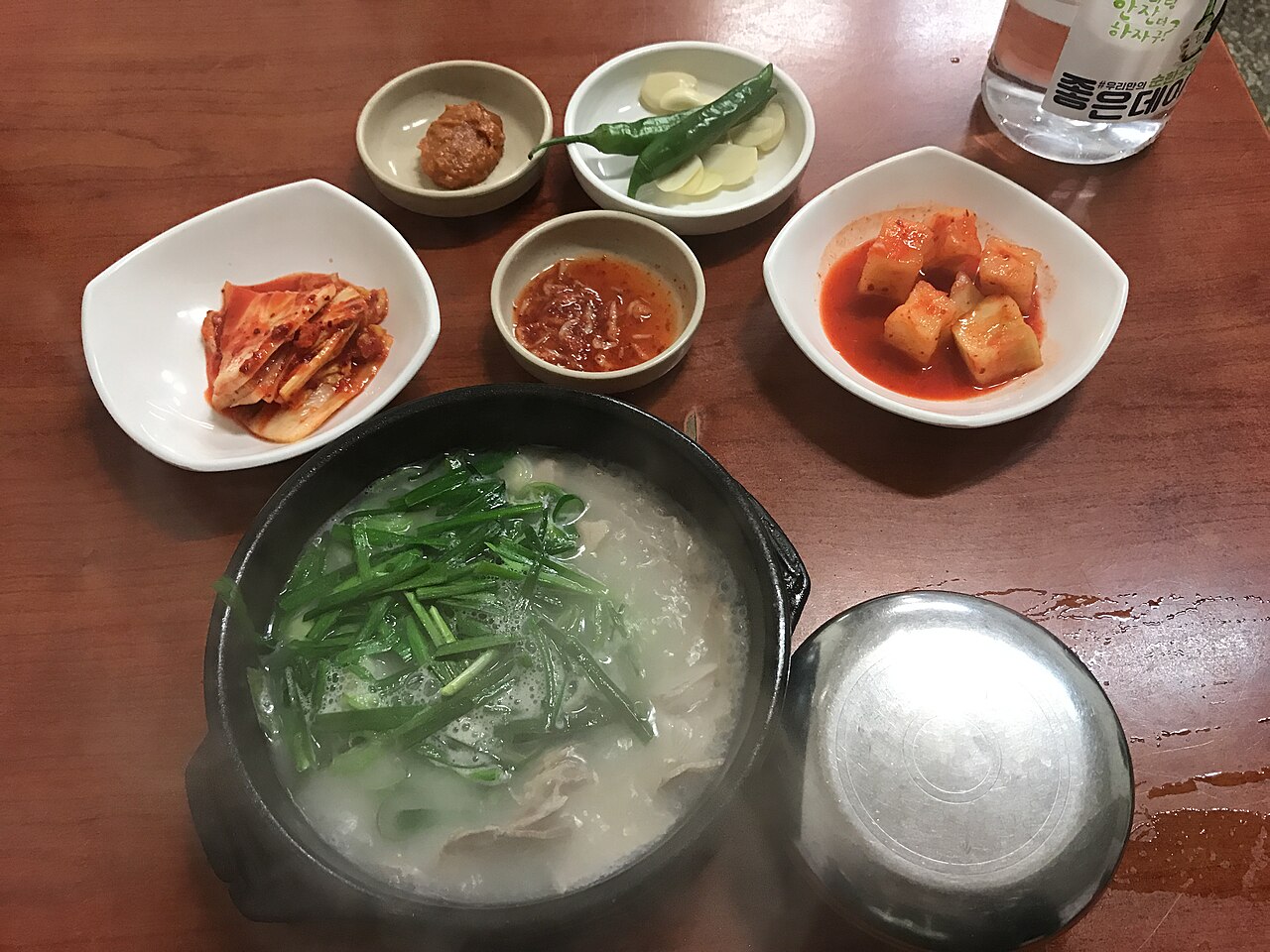
Dwaeji gukbap is a hearty pork and rice soup that is the defining comfort food of Busan, served with rice submerged in rich bone broth and topped with tender sliced pork.
Photo: Wikipedia Commons
What Is Dwaeji Gukbap?
Dwaeji gukbap (돼지국밥) literally means 'pork soup rice' — and it is exactly that. A large bowl of milky, collagen-rich pork bone broth arrives at your table with a mound of steamed rice already submerged in it, topped with tender boiled or braised pork slices. The broth is made by simmering pork bones for many hours until it turns a rich, creamy white. The dish is deeply associated with Busan, where dedicated dwaeji gukbap restaurants — often open 24 hours — serve it as a workhorse meal for laborers, students, and night owls alike. The simplicity of the ingredients belies the depth of flavor; the long-simmered broth is deeply savory, slightly gelatinous, and immensely satisfying. Customers customize their bowl at the table with a variety of condiments: salted shrimp (새우젓), green onions, sliced chili peppers, garlic, gochugaru (red pepper flakes), and doenjang (fermented soybean paste). This personalization makes every bowl uniquely your own.
History & Origins
The origins of dwaeji gukbap are deeply tied to Busan's history as a city of refugees and workers. During the Korean War (1950–1953), millions of refugees flooded into Busan, the last remaining port city under South Korean control. Food was scarce, and soup-based dishes that could stretch limited meat over a large pot of broth became vital. Dwaeji gukbap, with its economical use of pork bones and offal, became the sustenance of survivors. After the war, the dish became embedded in Busan's working-class culture. The port city's laborers needed filling, cheap, hot food at all hours of the day and night. Dwaeji gukbap restaurants proliferated around markets, docks, and train stations. Today, the dish has been elevated from wartime survival food to a proud regional specialty and a reason many people visit Busan specifically to eat.
How Koreans Eat It
Eating dwaeji gukbap is a highly personalized process. The bowl arrives with the basics, and you build from there using the array of condiments on the table.
- ·Add salted shrimp (새우젓, saeujeot) spoon by spoon, tasting as you go — it is the essential seasoning that transforms the broth
- ·Stir in sliced green onions and garlic for fragrance, and gochugaru if you want heat
- ·Mix everything together so the rice absorbs the broth fully — this creates a thick, porridge-like consistency beloved by locals
- ·Order a side of soondae (순대, blood sausage) or boiled pork slices (수육, suyuk) to share at the table
Cultural Significance
In Busan, dwaeji gukbap is more than food — it is identity. The dish represents the resilience and no-frills directness that Busan residents take pride in. While Seoul has its refined palace cuisines and trendy restaurants, Busan celebrates the unpretentious power of a perfect bowl of pork bone soup. The dish has sparked a passionate regional debate: Busan locals insist their version — with rice already in the soup — is the definitive style, distinct from similar dishes in other regions. Famous gukbap streets like Bujeon-dong and Seomyeon in Busan are pilgrimage sites for food lovers from across Korea. The dish also appears prominently in Korean cinema and television dramas set in Busan, further cementing its iconic status.
Tips
- 💡The Bujeon-dong neighborhood in Busan has a famous concentration of dwaeji gukbap restaurants open 24 hours — perfect for a late-night or early-morning meal
- 💡Start with a small amount of saeujeot (salted shrimp) and add gradually — it's very salty and a little goes a long way
- 💡Look for restaurants displaying '50년 전통' (50-year tradition) signs — they are often the most authentic spots
최종 수정: 2026년 4월 1일
이런 글도 있어요
Kimchi Jjigae: Korea's Most Comforting Stew
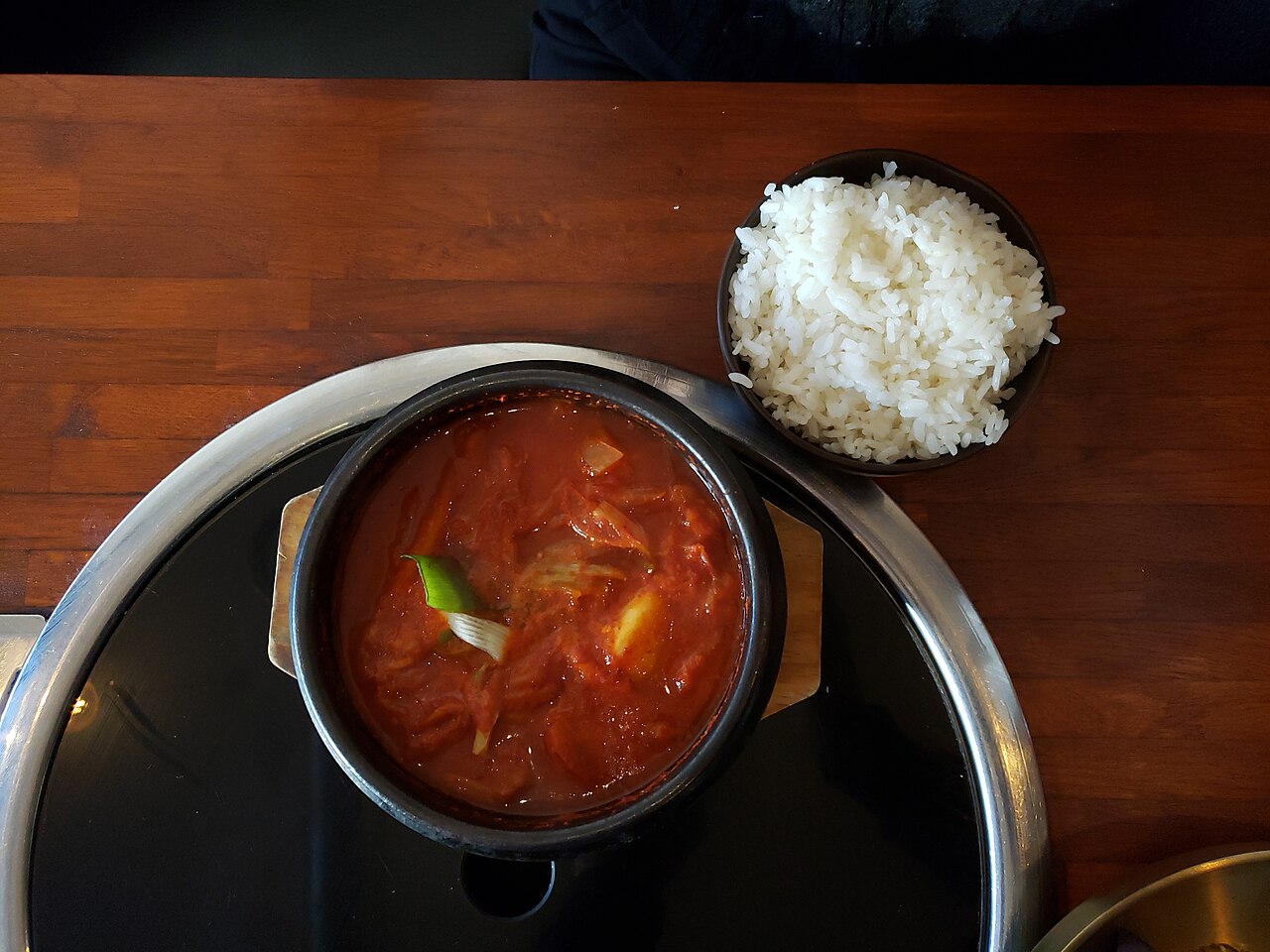
Bubbling hot, deep red, and unmistakably Korean — kimchi jjigae is the stew that every Korean home smells like on a cold evening.
Miyeok-guk: The Birthday Soup That Is Really About Your Mother
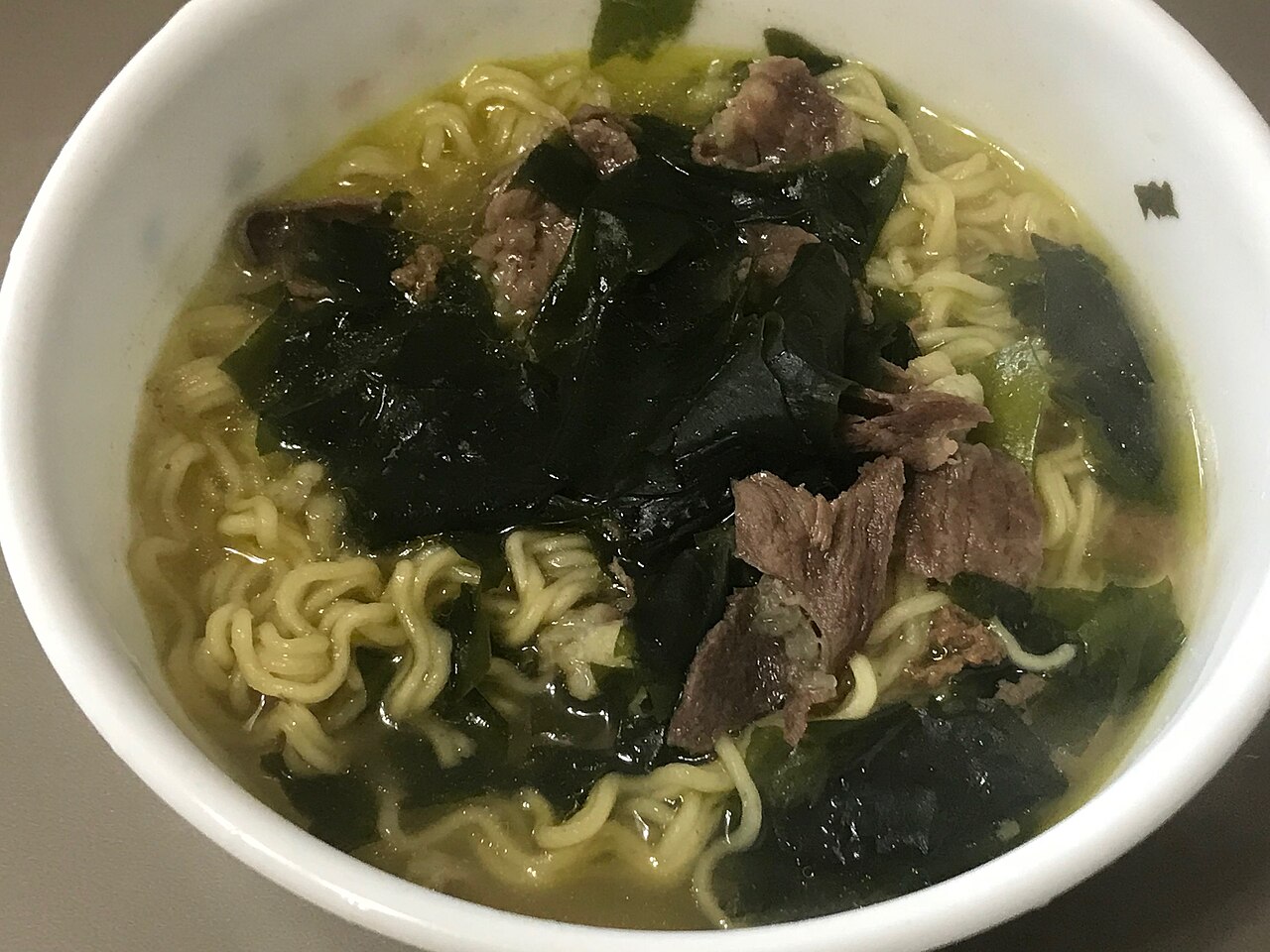
Miyeok-guk is the seaweed soup every Korean eats on their birthday — a tradition that began as postpartum recovery food and became an annual act of gratitude to one's mother.
Chimaek: Why Korean Fried Chicken Is the World's Best
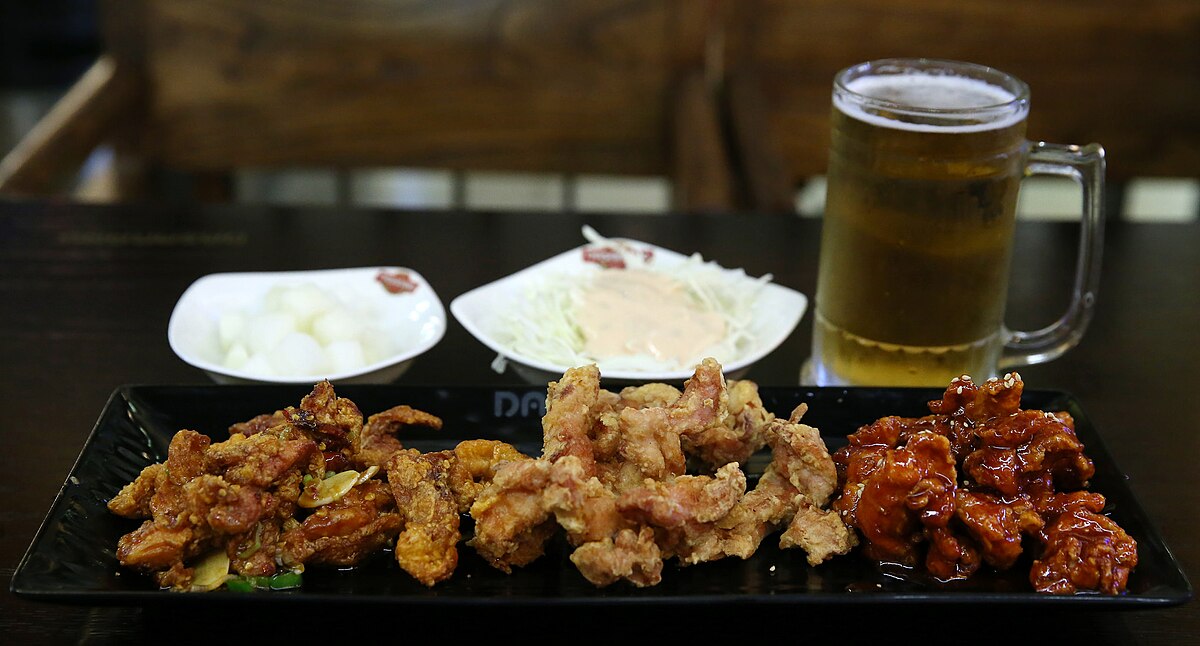
Korea has more fried chicken restaurants than McDonald's has locations worldwide. Here's the science and culture behind the crunch.