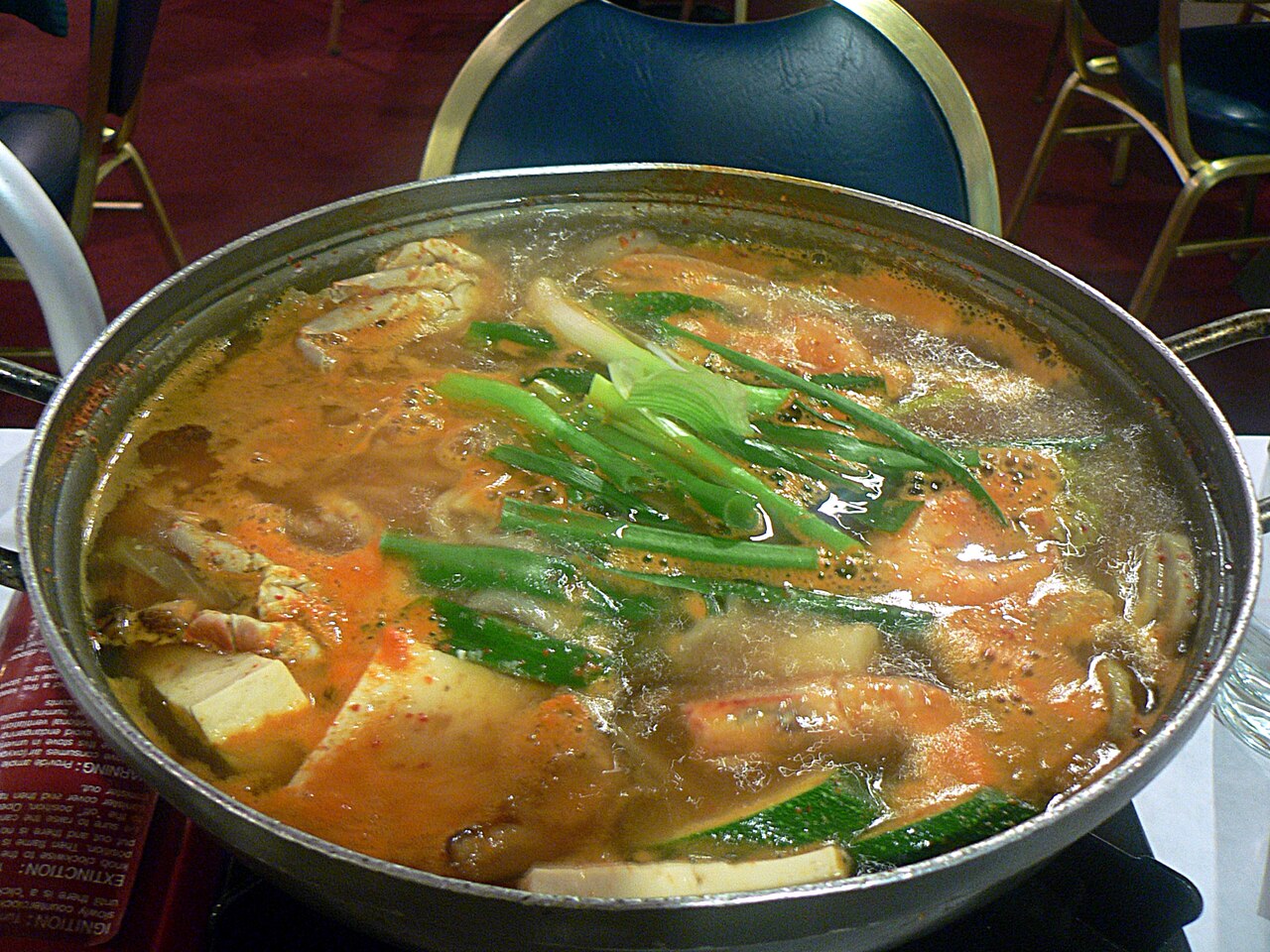
Haemultang: Korean Spicy Seafood Stew
Haemultang is a fiery, communal Korean seafood stew loaded with crab, shellfish, and fish simmered in a bold gochujang broth — a coastal feast in a single pot.
Photo: Wikipedia Commons
What Is Haemultang?
Haemultang (해물탕) is a large, communal Korean stew that showcases haemul — seafood — in a deeply seasoned, spicy red broth. A typical haemultang contains an extravagant variety of seafood: whole crabs (usually blue crab or snow crab), large shrimp, mussels, clams, scallops, squid, and sometimes fish fillets. All of these are simmered together in a broth built from gochugaru, gochujang, doenjang, garlic, green onions, and anchovy stock. The stew arrives at the table in a large, wide pot, still bubbling vigorously, and is shared by the entire group. The broth is intensely flavored from the seafood, spicy from the chili, and deeply savory from the fermented pastes. It is one of the most visually spectacular Korean dishes — the jumble of colorful shellfish and crustaceans in a bright red broth is a feast for the eyes before it reaches the palate. Toward the end of the meal, udon noodles or rice are often added to the remaining broth to make a secondary course.
History & Origins
Haemultang reflects Korea's centuries-old coastal food culture. Korea has over 12,000 kilometers of coastline, and seafood has been central to Korean cooking since antiquity. The tradition of cooking multiple types of seafood together in a communal pot has roots in the fishing communities of Korea's three coastal regions. The use of gochugaru and gochujang to season seafood stews became widespread after red pepper was introduced to Korea in the late 16th or early 17th century. These chili-based pastes and flakes revolutionized Korean seafood cooking, adding heat and color that became defining characteristics of dishes like haemultang. The coastal cities of Incheon, Busan, and Tongyeong are particularly famous for haemultang, as they have access to the freshest seafood. Some of the most highly regarded haemultang restaurants are located near fish markets in these cities, where the seafood goes directly from the catch to the pot.
How Koreans Eat It
Haemultang is a group dish — it is almost never ordered for one person. The shared pot, the communal cracking of crab shells, and the social chaos of navigating a stew full of whole shellfish make it one of Korea's most interactive and animated dining experiences.
- ·Use your hands (and the provided gloves) to crack crab shells — this is completely normal and expected
- ·Drink the broth throughout the meal — it becomes richer and more complex as the seafood cooks in it
- ·Order udon to add at the end — the noodles absorb the concentrated remaining broth for a delicious second course
- ·Near fish markets in Busan or Incheon, haemultang restaurants often let you choose your own seafood from tanks
Cultural Significance
Haemultang represents Korean cuisine at its most celebratory and communal. The shared pot, the variety of seafood, and the sheer abundance of ingredients make it a dish reserved for gatherings, celebrations, and occasions when you want to express generosity through food. The dish also connects Korean food culture to its maritime heritage. Korea's relationship with the sea has shaped its cuisine for thousands of years, and haemultang — with its direct, uncompromising celebration of seafood in all its variety — is one of the purest expressions of that heritage. Eating it near a fish market in a port city connects you to something essential about Korean coastal culture.
Tips
- 💡Jagalchi Market in Busan and Noryangjin Fish Market in Seoul are ideal places to eat haemultang close to the source
- 💡Order gloves (장갑) at the restaurant — cracking crab without them is messy but possible
- 💡The spice level varies enormously between restaurants — ask before ordering if you are heat-sensitive
최종 수정: 2026년 4월 1일
이런 글도 있어요
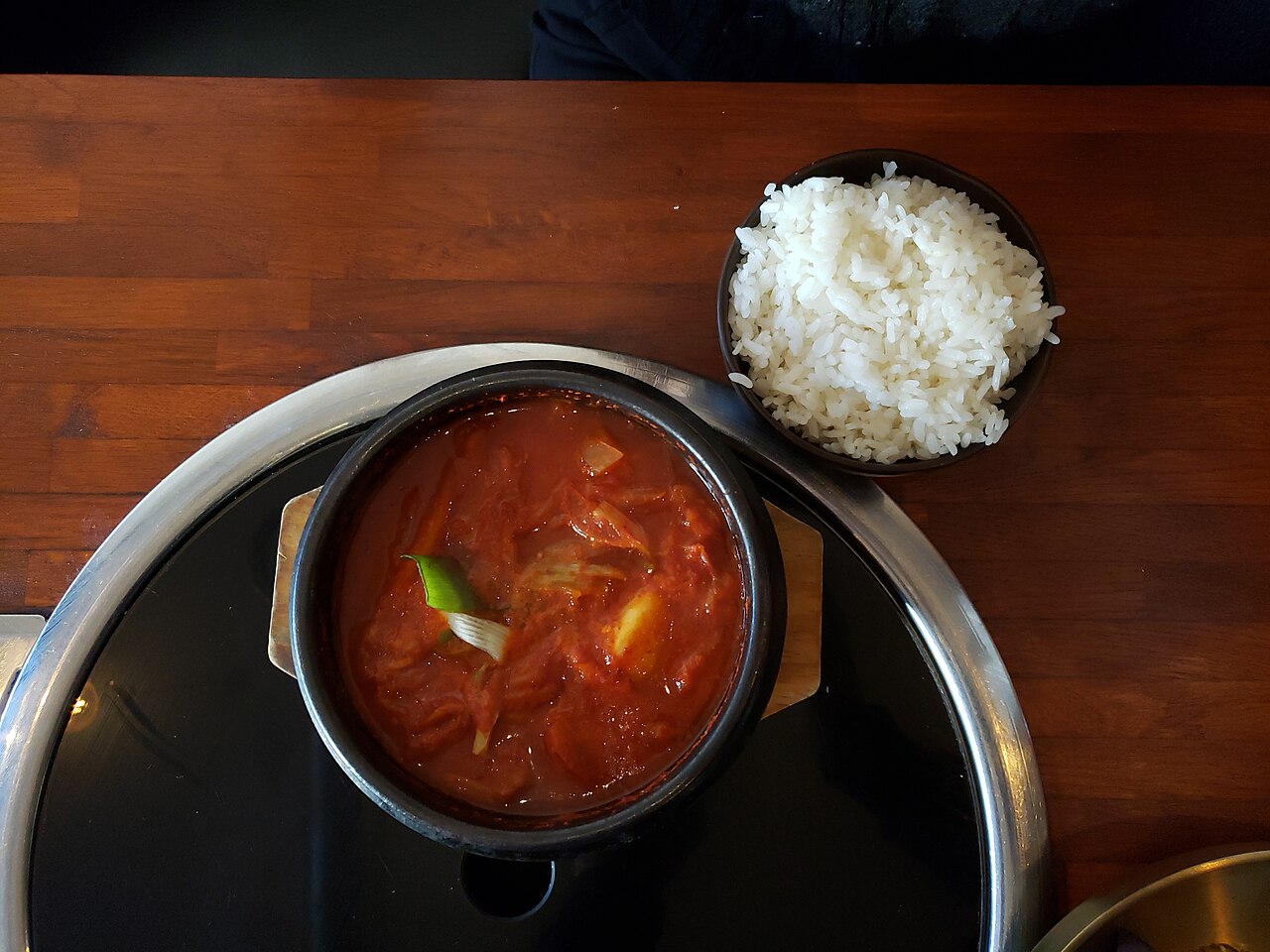
Kimchi Jjigae: Korea's Most Comforting Stew
Bubbling hot, deep red, and unmistakably Korean — kimchi jjigae is the stew that every Korean home smells like on a cold evening.
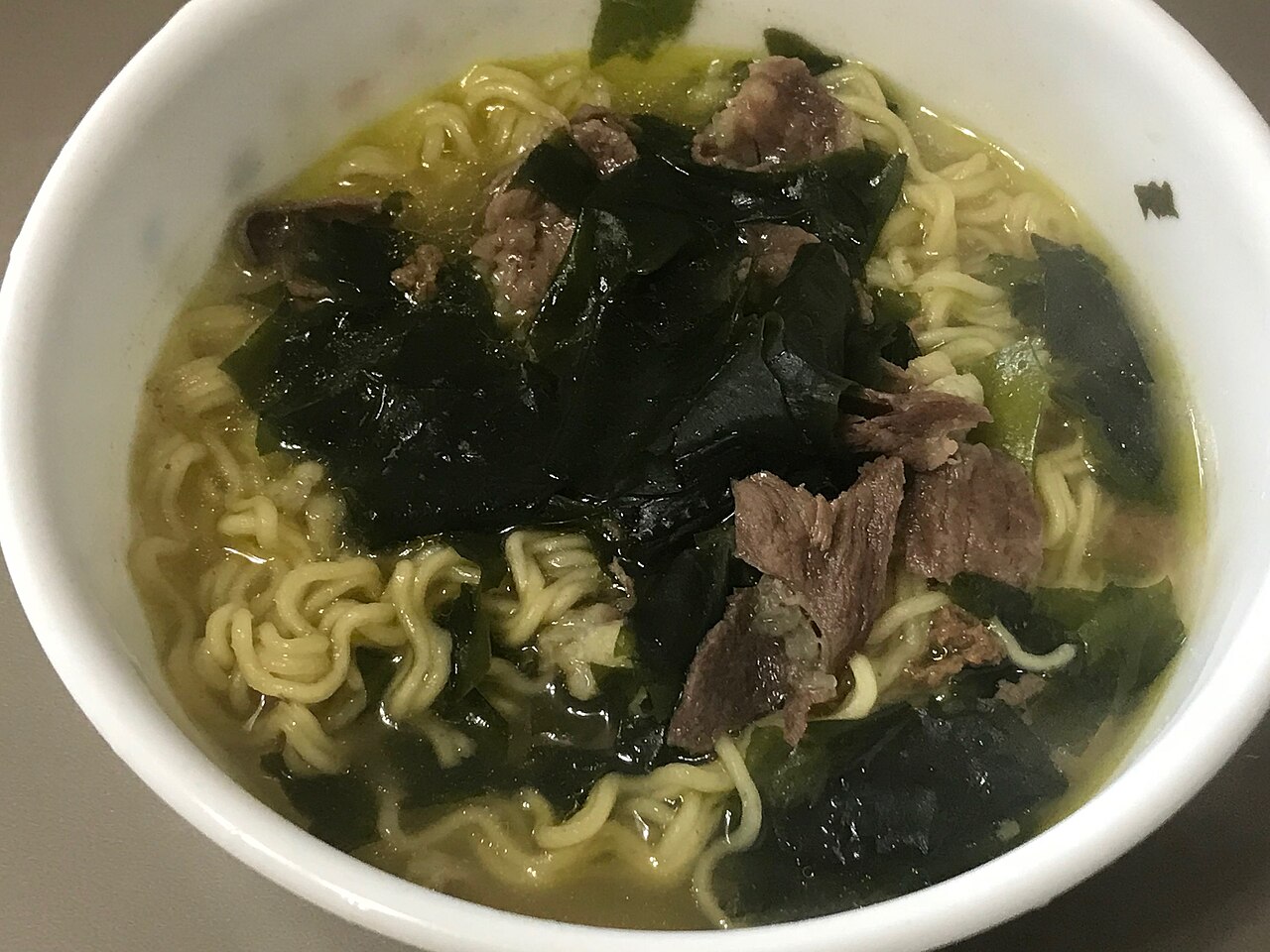
Miyeok-guk: The Birthday Soup That Is Really About Your Mother
Miyeok-guk is the seaweed soup every Korean eats on their birthday — a tradition that began as postpartum recovery food and became an annual act of gratitude to one's mother.
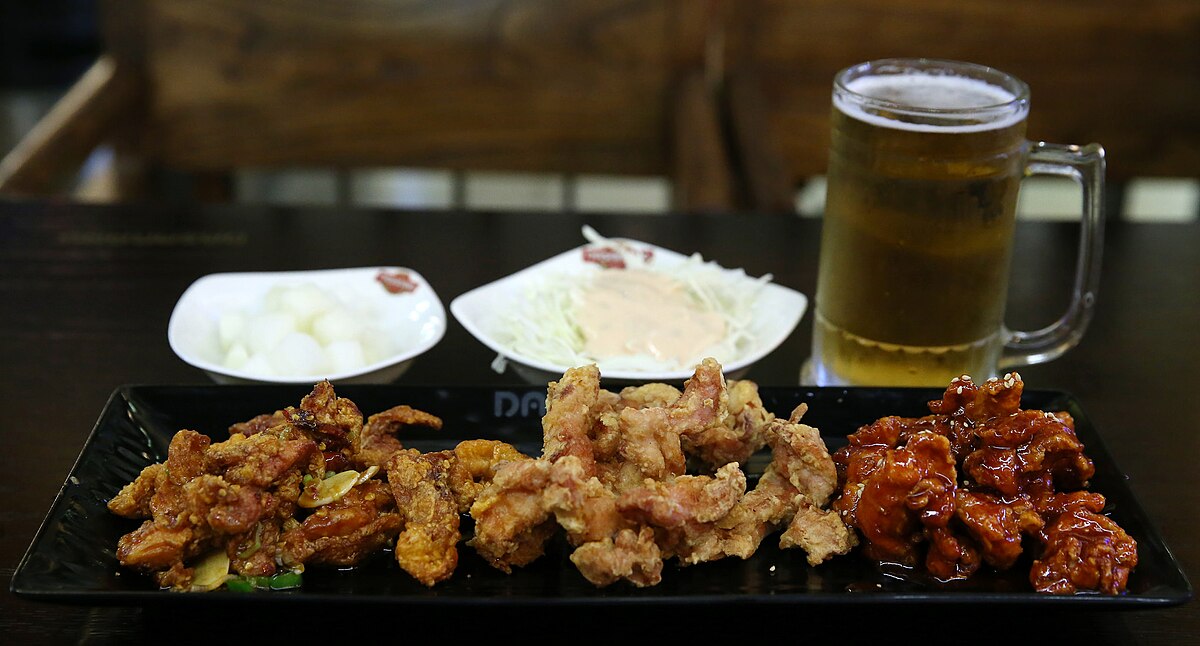
Chimaek: Why Korean Fried Chicken Is the World's Best
Korea has more fried chicken restaurants than McDonald's has locations worldwide. Here's the science and culture behind the crunch.