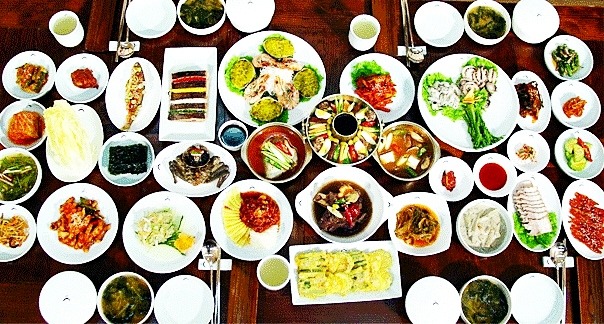
Hanjeongsik: The Grand Feast of Korean Cuisine
Hanjeongsik is a traditional Korean full-course meal featuring dozens of small dishes served simultaneously, representing the peak of Korean culinary artistry and hospitality.
Photo: Wikipedia Commons
What Is Hanjeongsik?
Hanjeongsik (한정식, literally 'Korean set meal') is Korea's most formal and elaborate dining format. When you sit down for hanjeongsik, the table is gradually covered with an astonishing number of small dishes — anywhere from 12 to over 30 banchan (side dishes) — alongside soup, rice, and often a main dish like grilled fish or braised meat. The sheer variety is the point: hanjeongsik aims to represent the full spectrum of Korean flavors, textures, and cooking techniques in a single meal. A typical hanjeongsik spread might include multiple types of kimchi, namul (seasoned vegetables), jeon (savory pancakes), gui (grilled dishes), jorim (braised dishes), jjim (steamed dishes), jeot (fermented seafood), and soup. The dishes arrive in waves, with lighter items first and richer dishes following. Rice and soup accompany everything. Jeonju (전주) in North Jeolla Province is considered the heartland of hanjeongsik. Jeonju's cuisine draws on the agricultural abundance of the Honam Plain and the legacy of Joseon Dynasty royal court cooking, making its hanjeongsik particularly celebrated. A Jeonju hanjeongsik meal is considered a culinary pilgrimage for food lovers.
History & Origins
Hanjeongsik evolved from Joseon Dynasty royal court cuisine (궁중음식, gungjung eumsik), where elaborate multi-course meals were prepared for the king and nobility. The court employed professional cooks trained in hundreds of recipes, and meals were carefully organized to balance the five flavors (sweet, sour, bitter, salty, spicy) and five colors (white, black, red, yellow, green) in accordance with principles of traditional Korean medicine. As merchant classes grew in the late Joseon period, prosperous households began replicating elements of royal court cuisine. The tradition became particularly strong in Jeonju, a major provincial administrative center and cultural hub. After Korea's industrialization in the 20th century, hanjeongsik restaurants developed to offer this experience to ordinary diners. Today, hanjeongsik restaurants range from affordable local establishments to prestigious upscale dining experiences featured in global food guides.
How Koreans Eat It
Hanjeongsik is a relaxed, multi-hour dining experience. The Korean approach is to sample everything, revisit favorites, and let the meal unfold at its own pace.
- ·Don't try to eat every dish in order — pick and choose freely, alternating between light and rich dishes, fermented and fresh
- ·Use the plain rice as a palate cleanser between strongly flavored dishes — it is the anchor of the entire meal
- ·Ask about the season's specialty dishes — hanjeongsik changes with the seasons, and spring, autumn, and winter offer distinctly different spreads
- ·Take your time — a proper hanjeongsik is meant to last 1.5 to 2 hours, not to be rushed
Cultural Significance
Hanjeongsik represents the most ambitious expression of Korean food culture. It embodies the Korean principle of 'balance through variety' — the idea that a good meal should nourish the body completely, offering every flavor, texture, and nutritional element in one sitting. The visual spectacle of a fully set hanjeongsik table is a source of cultural pride and is frequently used to represent Korean cuisine in international contexts. The meal also reflects Korean hospitality values. To serve a guest hanjeongsik is to show maximum respect and generosity. Historically, important guests, business partners, and honored family members were treated to this style of dining. Today, hanjeongsik restaurants remain special-occasion destinations for Koreans — chosen for milestone celebrations, high-stakes business dinners, and welcoming important visitors from abroad.
Tips
- 💡Jeonju's Hanok Village area is famous for its hanjeongsik restaurants — book in advance on weekends as they fill quickly with both Korean and international visitors
- 💡Lunch hanjeongsik is typically less expensive than dinner and often just as elaborate — a smart choice for budget-conscious travelers
- 💡Inform the restaurant of any dietary restrictions in advance; hanjeongsik involves so many dishes that substitutions or omissions need to be planned ahead
최종 수정: 2026년 3월 30일
이런 글도 있어요
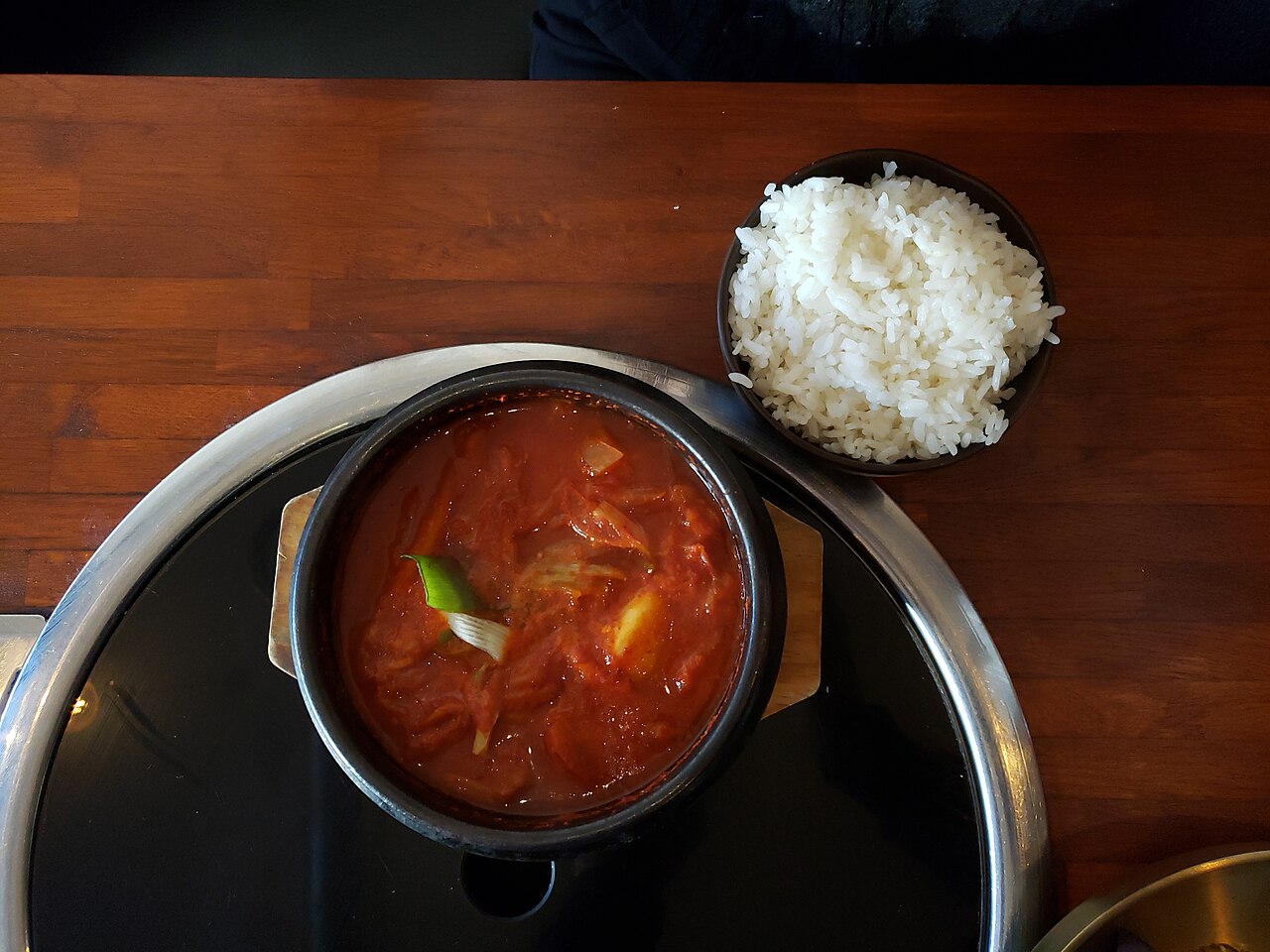
Kimchi Jjigae: Korea's Most Comforting Stew
Bubbling hot, deep red, and unmistakably Korean — kimchi jjigae is the stew that every Korean home smells like on a cold evening.
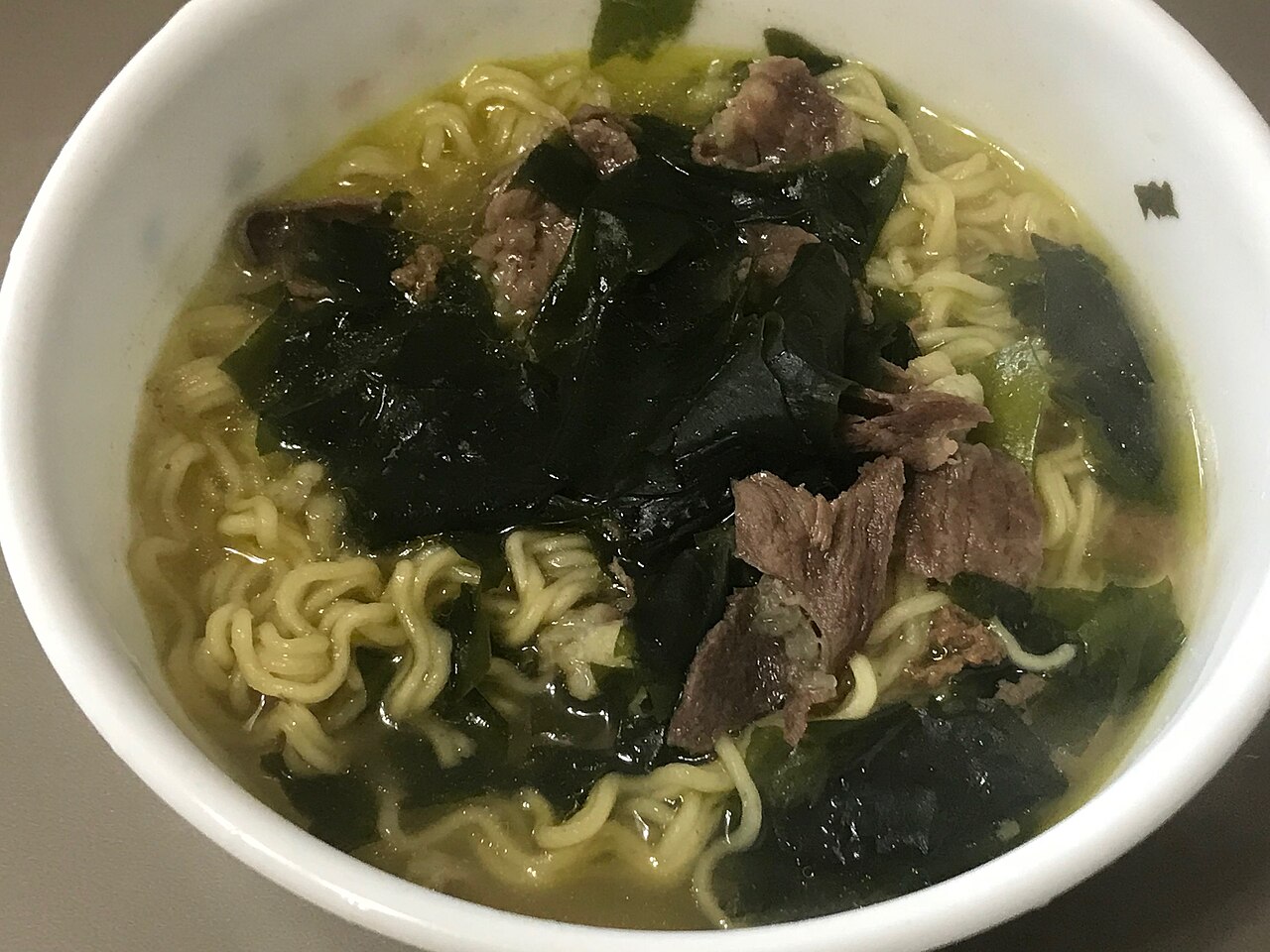
Miyeok-guk: The Birthday Soup That Is Really About Your Mother
Miyeok-guk is the seaweed soup every Korean eats on their birthday — a tradition that began as postpartum recovery food and became an annual act of gratitude to one's mother.
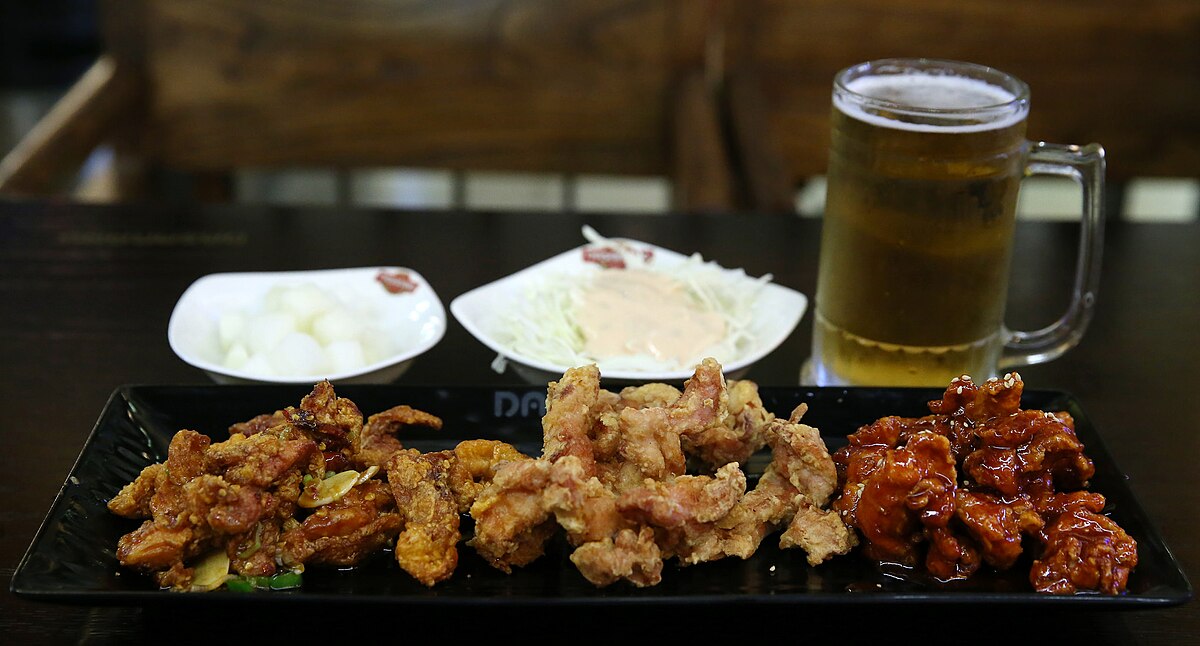
Chimaek: Why Korean Fried Chicken Is the World's Best
Korea has more fried chicken restaurants than McDonald's has locations worldwide. Here's the science and culture behind the crunch.