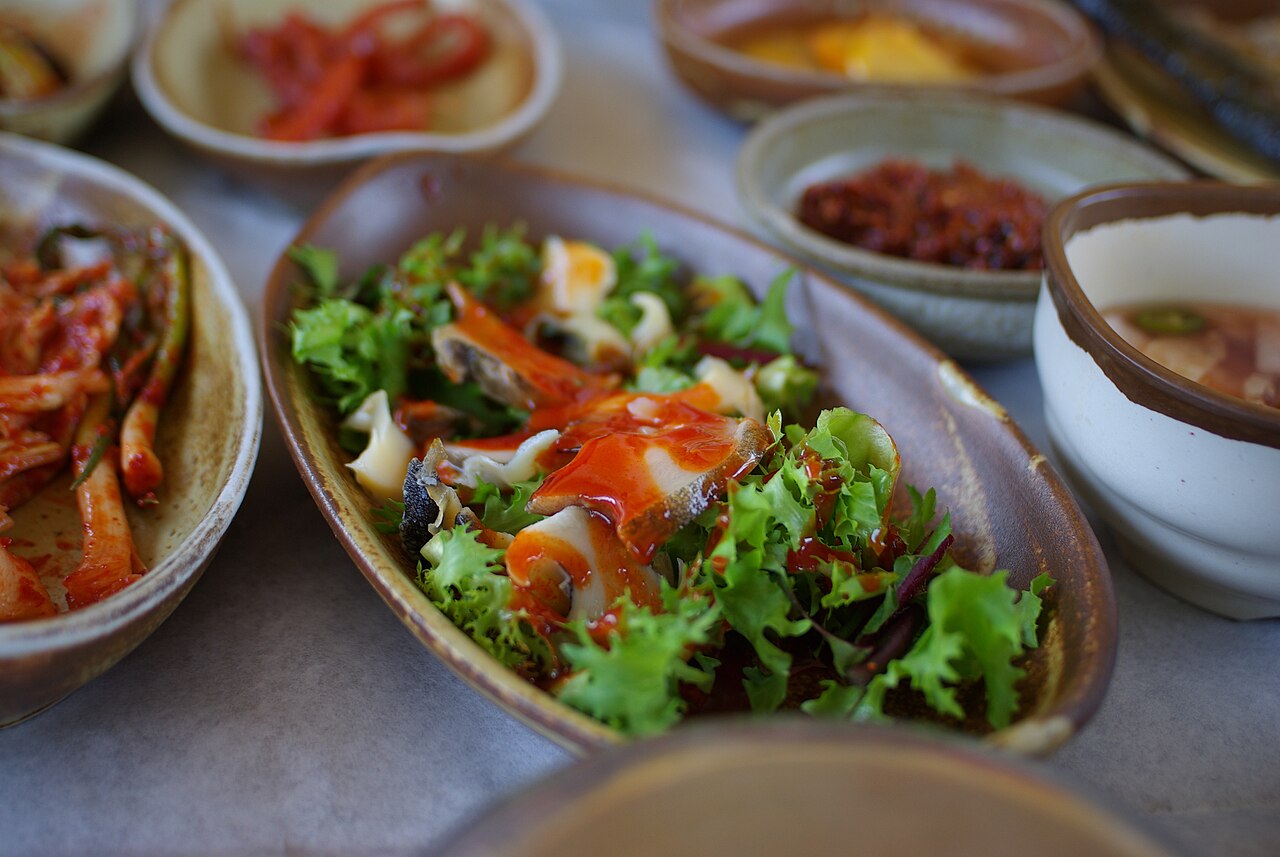
Hoe: Korea's Fresh Raw Fish Culture
Hoe is Korea's beloved raw fish dish, similar to Japanese sashimi but with its own distinct flavors and dipping sauces, most famous in coastal cities like Busan.
Photo: Wikipedia Commons
What Is Hoe?
Hoe (회) is the Korean tradition of eating raw, thinly sliced fresh fish or seafood. While it shares similarities with Japanese sashimi, Korean hoe has its own culinary identity shaped by unique dipping sauces and accompaniments. The most popular varieties include flounder (광어, gwangeo), sea bass (농어, nongeo), rockfish (우럭, ureok), and various shellfish. Unlike sashimi, which is typically paired with soy sauce and wasabi, Korean hoe is often eaten with cho-gochujang (초고추장) — a tangy, spicy red pepper paste mixed with vinegar — or sometimes a sesame oil and salt dip. The contrast between the fresh, mild fish and bold dipping sauce creates a flavor experience uniquely Korean. Hoe is not just a dish but a social ritual. Koreans gather at hoe restaurants (횟집, hoejip) to share large platters of fish, drink makgeolli or soju, and enjoy hours of leisurely eating by the sea.
History & Origins
The practice of eating raw fish in Korea dates back thousands of years. Historical records from the Joseon Dynasty (1392–1897) mention hoe as a food enjoyed by both aristocrats and common fishermen living along the coast. The abundant fish populations in the Yellow Sea, South Sea, and East Sea made raw fish a practical and delicious food source. Busan, Korea's second-largest city and its largest port, became the spiritual home of hoe culture. The famous Jagalchi Market in Busan — the largest seafood market in Korea — has been a hub for fresh hoe since the early 20th century. Coastal towns throughout Gyeongsang Province, Jeolla Province, and Jeju Island each developed their own local variations based on the seafood available in their waters.
How Koreans Eat It
A traditional hoe meal is an elaborate spread. The raw fish arrives on a large platter, arranged by type and sometimes accompanied by a whole presentation of the fish itself. Side dishes typically include fresh vegetables, kimchi, seaweed salad, and steamed rice.
- ·Wrap a slice of hoe in a perilla leaf (깻잎) or lettuce with a dab of cho-gochujang and a thin slice of garlic
- ·Try the sesame oil and salt dip (참기름 소금장) for a lighter, more delicate flavor that lets the fish shine
- ·At the end of the meal, order maeuntang (매운탕) — a spicy fish stew made from the carcass of your fish, a perfect warming finish
- ·Pair with chilled soju or makgeolli for the full experience
Cultural Significance
Hoe occupies a special place in Korean food culture as a symbol of coastal living and shared celebration. A trip to Busan or any seaside town is considered incomplete without sitting down at a hoejip and ordering a platter of fresh catch. Many Koreans associate hoe with memories of family trips, sea air, and the simple pleasure of fresh food. The hoejip experience also carries a social dimension — it is common to buy live fish directly from market tanks, watch it prepared in front of you, and share the meal over several hours. This emphasis on freshness and communal dining reflects core Korean values. In recent years, hoe culture has expanded inland with aquaculture making fresh fish available across the country, but nothing compares to eating it steps from the ocean in Busan.
Tips
- 💡Visit Busan's Jagalchi Market or Millak Raw Fish Town (밀락 횟집) for the most authentic hoe experience right by the sea
- 💡Ask for 살아있는 회 (salaissneun hoe) — live-caught fish — for the freshest possible slice
- 💡If you're not a fan of very strong flavors, start with gwangeo (광어, olive flounder), which is mild and delicate
최종 수정: 2026년 4월 1일
이런 글도 있어요
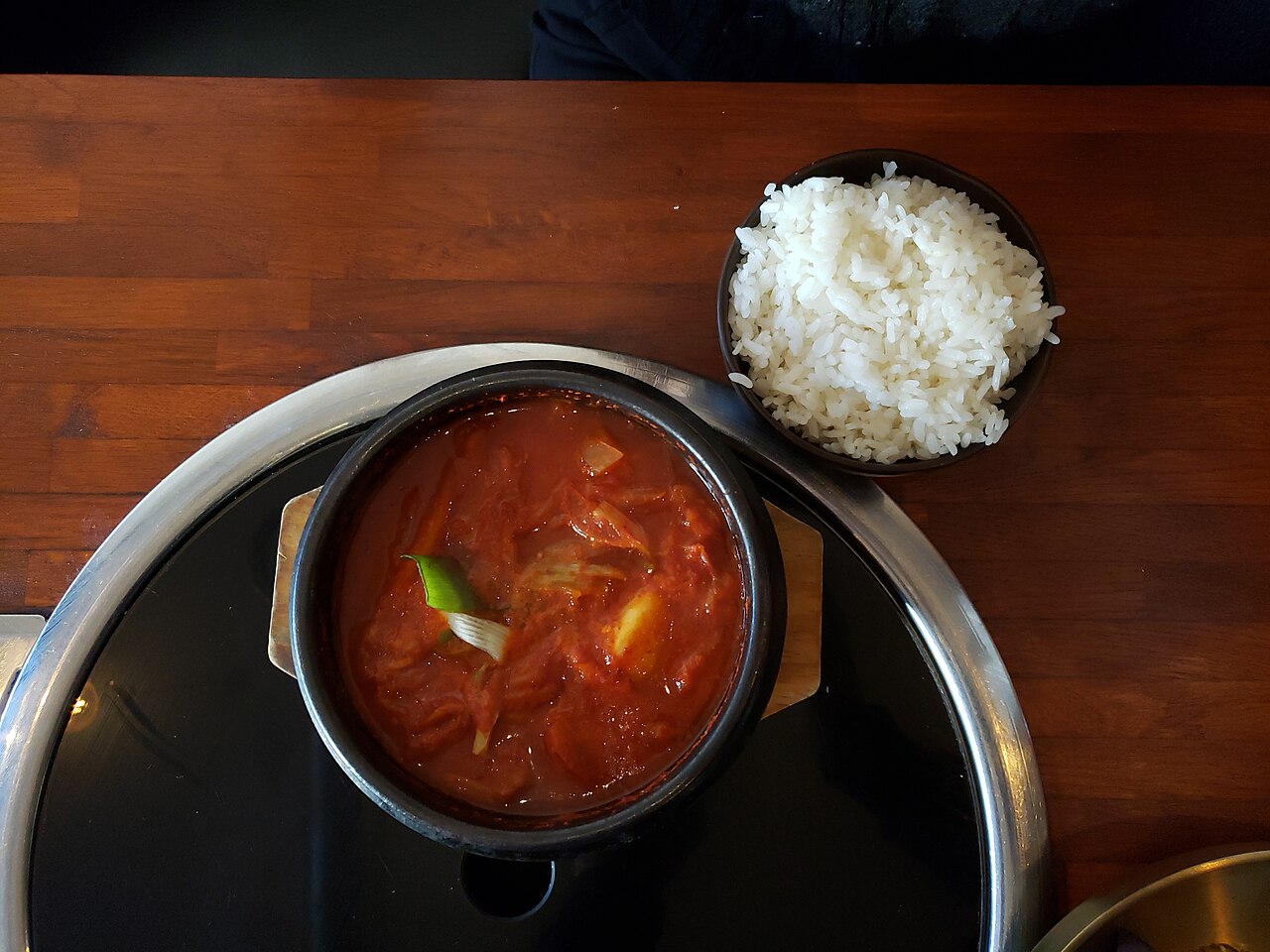
Kimchi Jjigae: Korea's Most Comforting Stew
Bubbling hot, deep red, and unmistakably Korean — kimchi jjigae is the stew that every Korean home smells like on a cold evening.
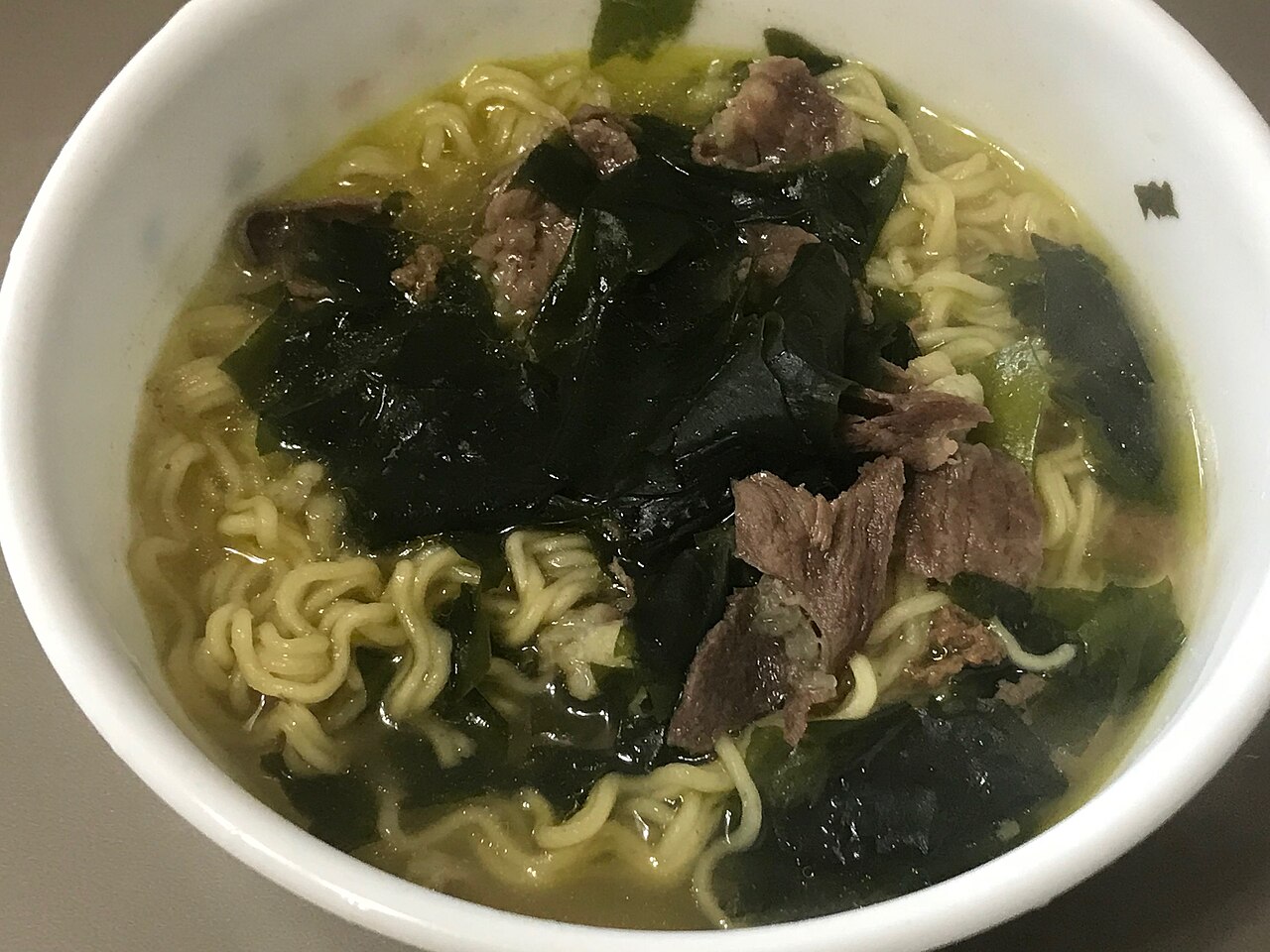
Miyeok-guk: The Birthday Soup That Is Really About Your Mother
Miyeok-guk is the seaweed soup every Korean eats on their birthday — a tradition that began as postpartum recovery food and became an annual act of gratitude to one's mother.
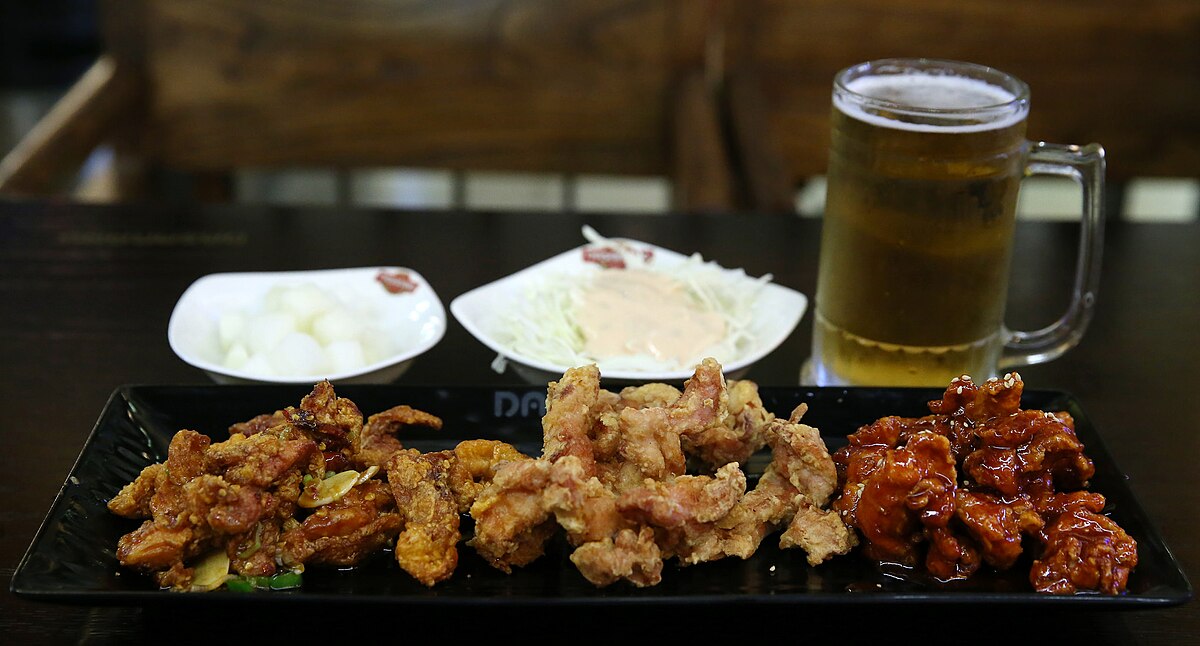
Chimaek: Why Korean Fried Chicken Is the World's Best
Korea has more fried chicken restaurants than McDonald's has locations worldwide. Here's the science and culture behind the crunch.