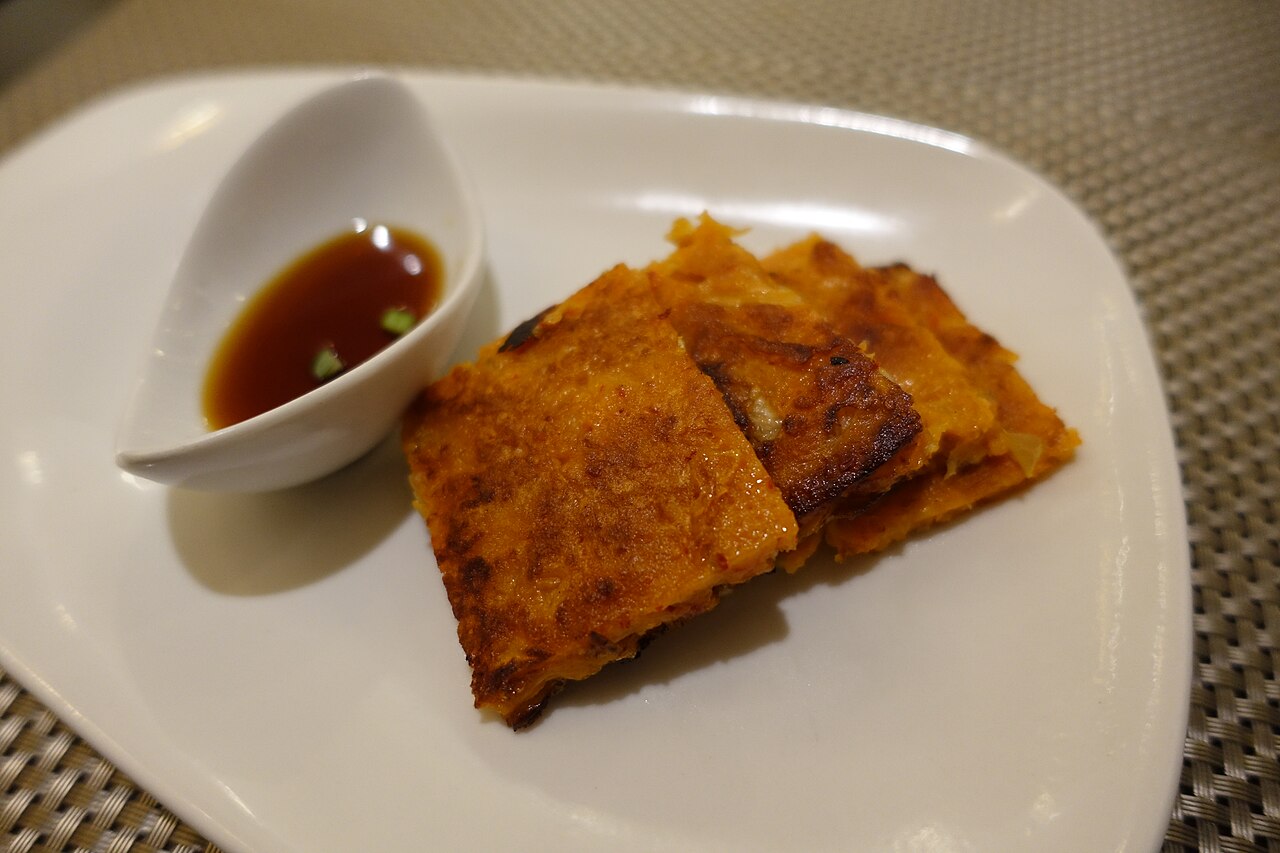
Kimchi-jeon: Kimchi Pancake
Kimchi-jeon is a crispy, tangy Korean pancake made from fermented kimchi mixed into a savory batter — a simple, beloved dish made from pantry staples.
Photo: Wikipedia Commons
What Is Kimchi-jeon?
Kimchi-jeon (김치전) is a Korean savory pancake made by mixing chopped, well-fermented kimchi into a simple batter of flour (or rice flour) and water, then frying the mixture in oil until both sides are golden and crispy. Pork belly is sometimes added to the batter for extra richness. The result is a pancake with a tangy, spicy, and savory flavor — the strong fermented character of aged kimchi transforms into something complex and deeply satisfying when cooked. The outside crisps up beautifully while the kimchi inside stays juicy and flavorful. Kimchi-jeon is arguably the simplest Korean pancake to make, requiring only kimchi, flour, and water. This simplicity is part of its appeal — it is the dish Koreans make when the refrigerator is nearly empty but there is always kimchi.
History & Origins
Like all jeon (Korean pancakes), kimchi-jeon has roots in the ancient Korean tradition of battered, pan-fried foods. The specific combination of kimchi in pancake batter likely developed as a practical solution to using up overripe, extra-sour kimchi that had fermented beyond what most people preferred to eat as a raw side dish. Older, more pungent kimchi actually makes better kimchi-jeon — the heightened acidity and deeper fermented flavors become assets when the kimchi is cooked into a batter. This 'use what you have' philosophy is deeply embedded in Korean cooking, and kimchi-jeon is one of its best expressions. The dish is closely associated with home cooking and is one of the first things Korean cooking students learn to make. It is also a common street food and pub food (anju).
How Koreans Eat It
Kimchi-jeon is eaten as a snack, side dish, or drinking food. It pairs naturally with makgeolli and is one of the easiest Korean foods to eat casually without utensils.
- ·Use older, more fermented kimchi for a stronger, more flavorful pancake — the extra sourness becomes an asset
- ·Dip in a soy sauce and vinegar mixture for brightness, or eat plain for the pure kimchi flavor
- ·Pair with makgeolli (rice wine) for the classic Korean combination
- ·Eat immediately after frying while the exterior is still crispy — leftovers can be re-crisped in a dry pan
Cultural Significance
Kimchi-jeon represents the resourcefulness at the heart of Korean home cooking. It is the dish made when there is 'nothing to eat' — yet it is invariably delicious. For Koreans, making kimchi-jeon is almost instinctive: if there is kimchi and flour, there is always a meal. The dish also embodies the Korean concept of 'kimchi culture' — the idea that kimchi is not just a side dish but a versatile ingredient that infuses its complex flavors into whatever it touches. Kimchi-jeon is one of the best examples of kimchi's transformative power when used as a cooking ingredient rather than just a condiment.
Tips
- 💡If you want to try making a Korean dish at home, kimchi-jeon is one of the easiest starting points — kimchi, flour, water, and a pan
- 💡Look for it at Korean makgeolli bars (막걸리집) where it is almost always on the menu as anju
- 💡Request extra crispy (바삭하게) when ordering at restaurants — some places make it softer, some crispier
최종 수정: 2026년 4월 1일
이런 글도 있어요
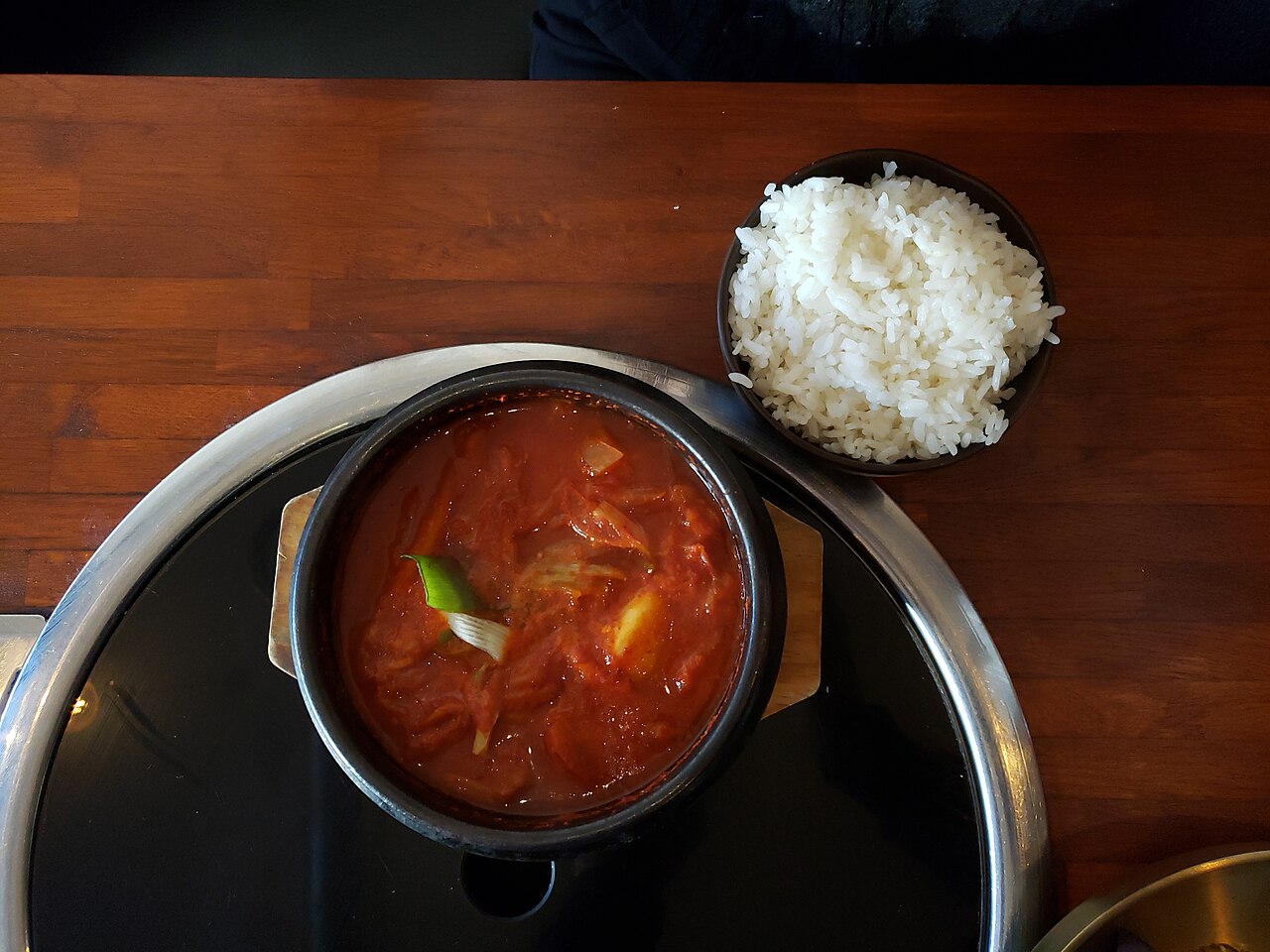
Kimchi Jjigae: Korea's Most Comforting Stew
Bubbling hot, deep red, and unmistakably Korean — kimchi jjigae is the stew that every Korean home smells like on a cold evening.
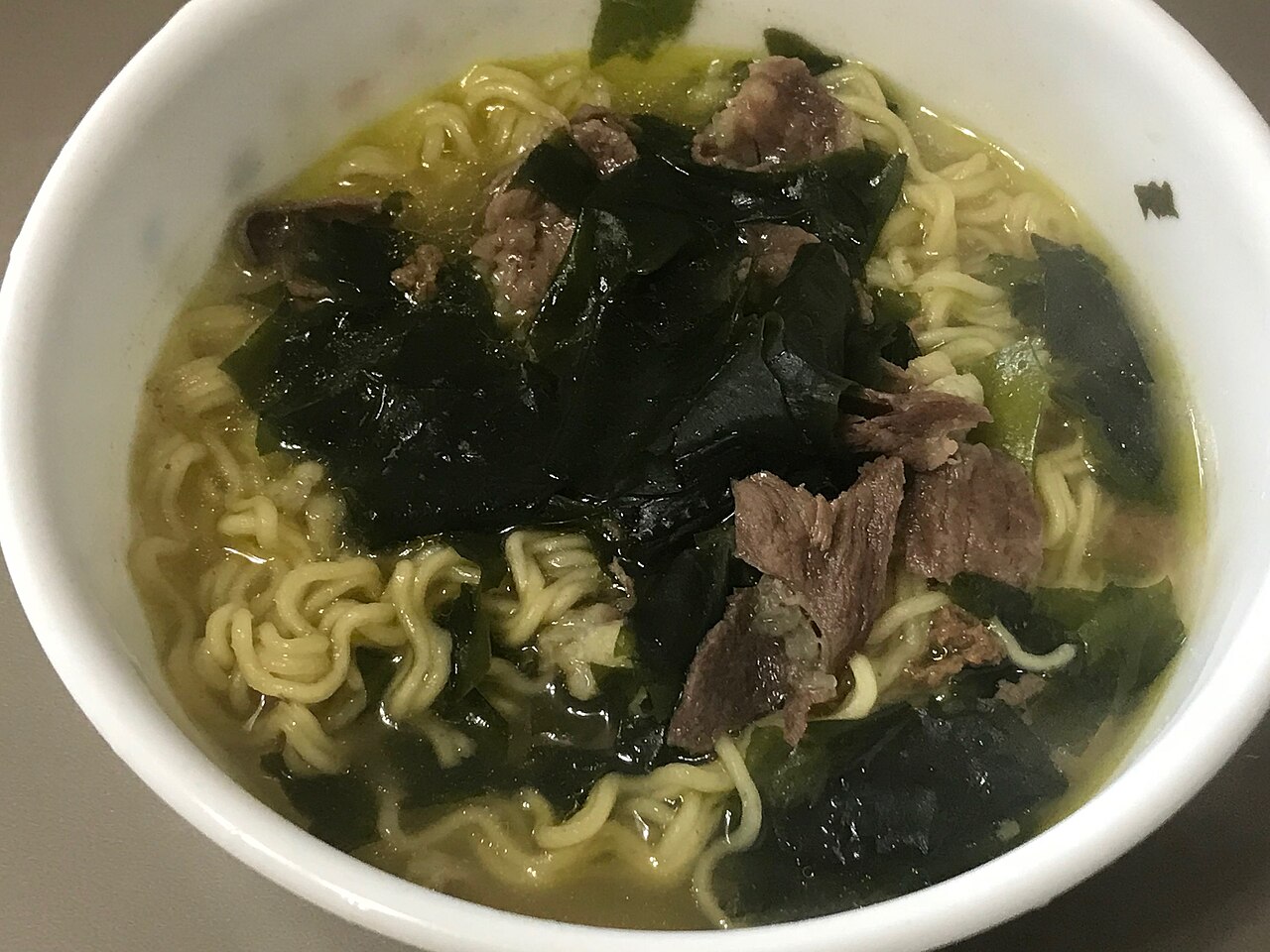
Miyeok-guk: The Birthday Soup That Is Really About Your Mother
Miyeok-guk is the seaweed soup every Korean eats on their birthday — a tradition that began as postpartum recovery food and became an annual act of gratitude to one's mother.
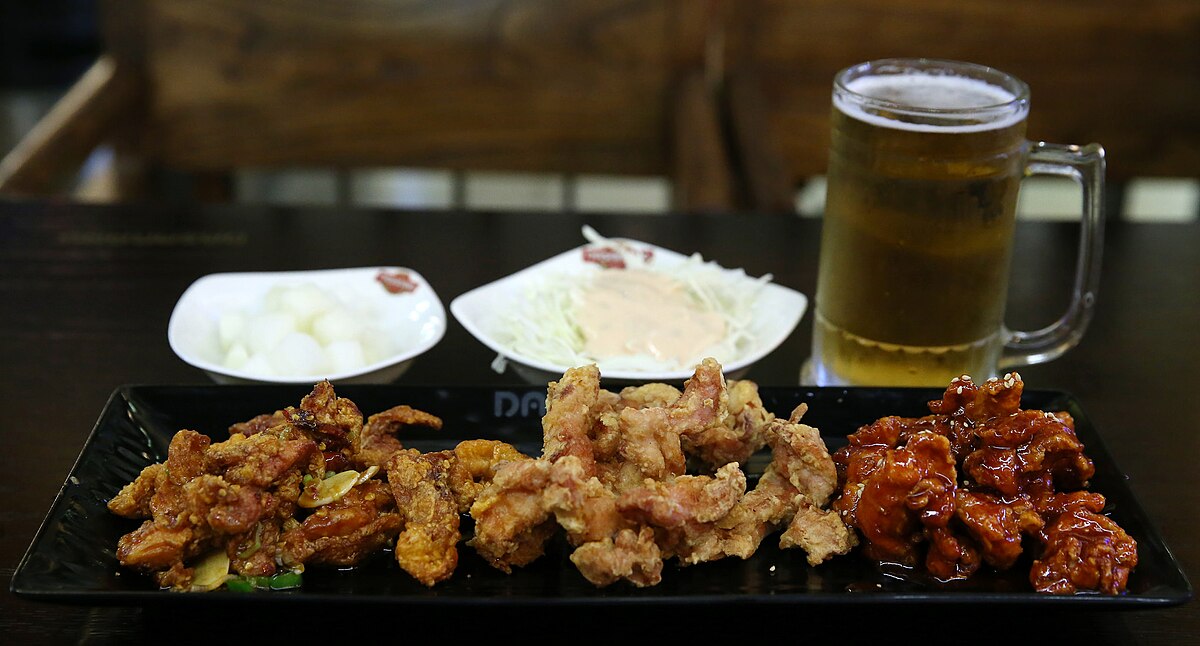
Chimaek: Why Korean Fried Chicken Is the World's Best
Korea has more fried chicken restaurants than McDonald's has locations worldwide. Here's the science and culture behind the crunch.