Kong-guksu: Korean Cold Soy Milk Noodles
Kong-guksu is a refreshing Korean summer noodle dish where wheat noodles are served in cold, creamy, unsweetened soy milk — a unique and deeply nourishing seasonal specialty.
Photo: Wikipedia Commons
What Is Kong-guksu?
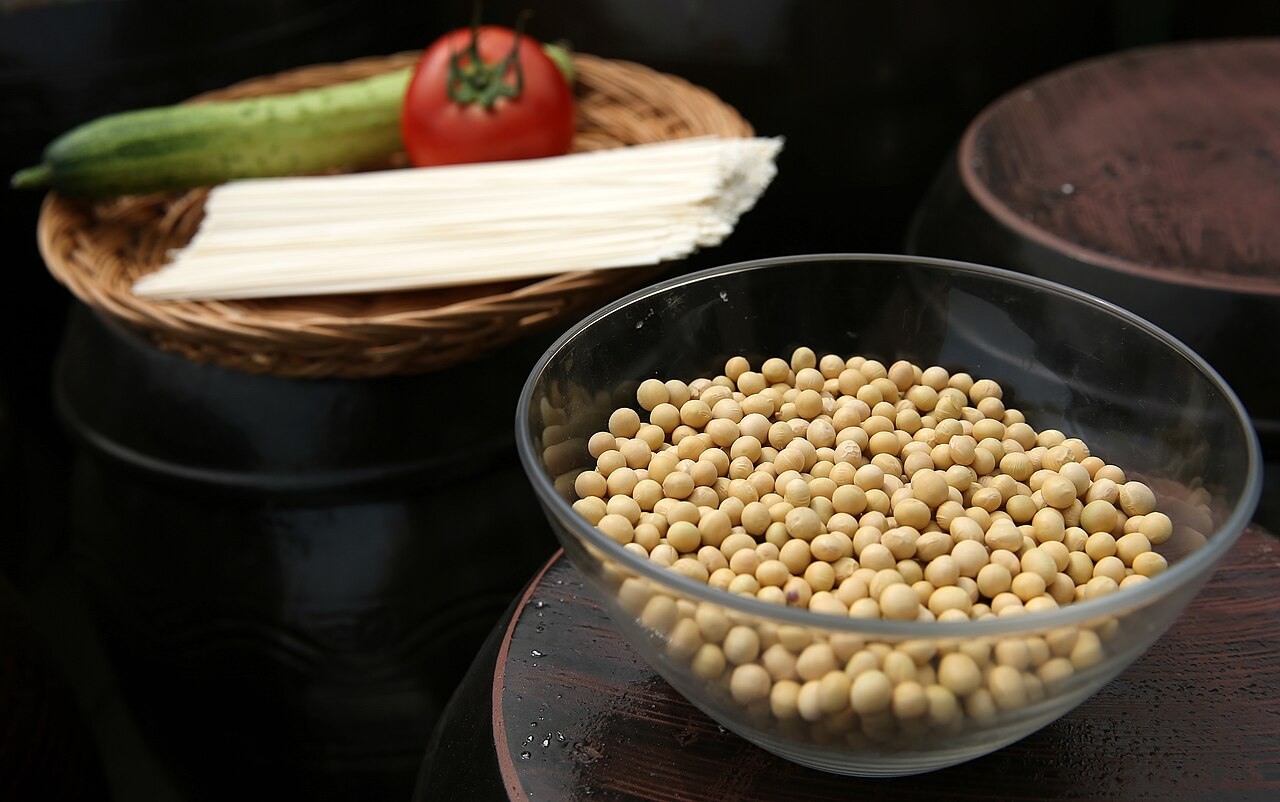
Kong-guksu (콩국수) is a uniquely Korean cold noodle dish made by serving thin wheat noodles (somyeon) in a cold broth of freshly ground soybean milk (kongmul). The broth is made by soaking, boiling, and then blending yellow soybeans until smooth and creamy, then straining to produce a thick, milky white liquid. The dish is served ice cold, sometimes literally with ice cubes floating in the bowl. It is topped simply with sliced cucumber, a sprinkle of sesame seeds, and a pinch of salt. The overall flavor is mild, nutty, and subtly sweet — nothing like the spicy and bold flavors associated with Korean cuisine, making it a surprising and refreshing experience. Kong-guksu is a distinctly seasonal dish, available only in summer (roughly June through August) at most restaurants, as it is considered too cooling and refreshing for other seasons.
History & Origins
Soybeans have been a staple of the Korean diet for millennia, and soy milk has been consumed in Korea for just as long. The tradition of using fresh soybean milk as a cold soup base for noodles is deeply rooted in Korean summer food culture, particularly in the central and southern regions of Korea. Historically, soybeans were one of the most accessible and protein-rich crops available to ordinary Koreans, and kong-guksu developed as a way to consume fresh soy milk in an enjoyable, satisfying format during the hot summer months. The dish represents a form of Korean health food — nourishing, cooling, and digestible. In traditional Korean medicine (hanbang), soybeans and their products are considered beneficial for the lungs, skin, and overall vitality, reinforcing kong-guksu's reputation as a restorative summer food.
How Koreans Eat It
Kong-guksu is a summer lunch staple. Many Koreans consider it essential summer eating — the equivalent of a refreshing cold soup on a sweltering day.
- ·Season with salt at the table — the broth is unsalted and needs a pinch to bring out its nutty flavor
- ·Eat it immediately and quickly — the broth separates and the noodles absorb the liquid if left too long
- ·Ask for extra cucumber slices — the crunch and freshness complement the creamy broth perfectly
- ·Visit Korea in July or August when kong-guksu season is at its peak — many traditional restaurants only serve it in summer
Cultural Significance
Kong-guksu is one of the dishes that defines Korean summer. When the humidity climbs and the heat becomes oppressive, Koreans instinctively turn to cooling foods — naengmyeon, bingsu, and kong-guksu among them. The dish occupies a seasonal niche as intensely as any Korean food. For food travelers, kong-guksu offers a fascinating window into the quieter, more understated side of Korean cuisine — away from the fire and fermentation, a bowl of cold, milky soy noodles speaks to a different kind of Korean culinary sensibility: gentle, nourishing, and in tune with the seasons.
Tips
- 💡Kong-guksu is only widely available in summer (June to August) — if you visit Korea in this period, do not miss it
- 💡The broth should taste clean, nutty, and slightly sweet — if it tastes bitter, the soybeans may have been over-blended
- 💡Some restaurants offer versions with black soybeans (검은콩국수) which have a more intense, nuttier flavor
최종 수정: 2026년 4월 1일
이런 글도 있어요
Kimchi Jjigae: Korea's Most Comforting Stew
Bubbling hot, deep red, and unmistakably Korean — kimchi jjigae is the stew that every Korean home smells like on a cold evening.
Miyeok-guk: The Birthday Soup That Is Really About Your Mother
Miyeok-guk is the seaweed soup every Korean eats on their birthday — a tradition that began as postpartum recovery food and became an annual act of gratitude to one's mother.
Chimaek: Why Korean Fried Chicken Is the World's Best
Korea has more fried chicken restaurants than McDonald's has locations worldwide. Here's the science and culture behind the crunch.