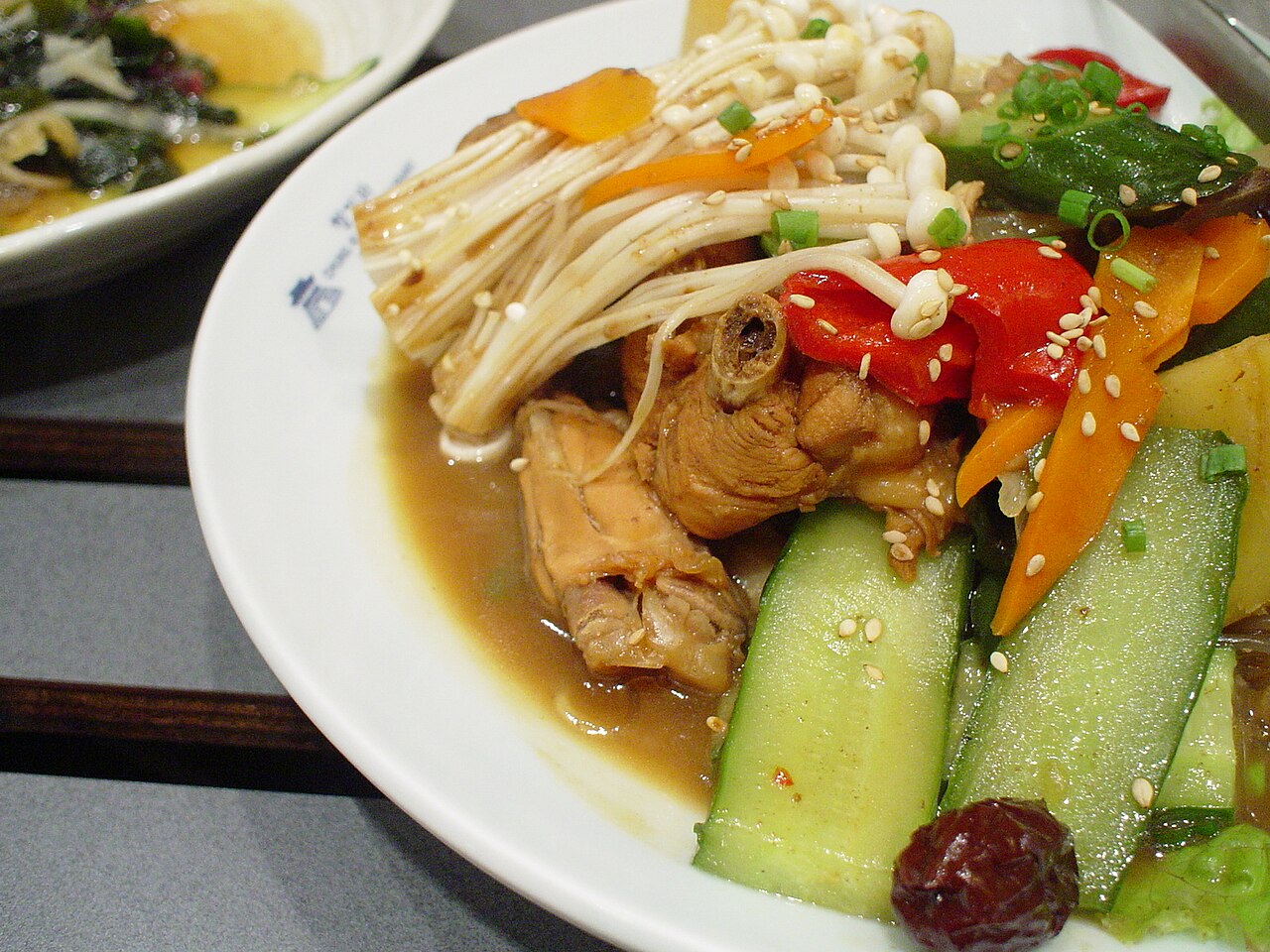
Andong Jjimdak: The Legendary Braised Chicken of Andong
Andong jjimdak is a rich, savory braised chicken dish from Andong city — whole chicken pieces simmered with glass noodles, vegetables, and a sweet-soy-spicy sauce until deeply tender and flavorful.
Photo: Wikipedia Commons
What Is Andong Jjimdak?
Andong jjimdak (안동찜닭) is a beloved Korean braised chicken dish that originated in Andong, the cultural heartland of traditional Korean Confucian culture in North Gyeongsang Province. 'Jjimdak' means braised chicken (찜 = braised/steamed, 닭 = chicken), and the Andong version is distinguished by its deeply flavorful dark sauce and the addition of sweet potato glass noodles (당면, dangmyeon). The dish is made with whole chicken pieces (with bone), potatoes, carrots, onions, green onions, dried chili peppers, and glass noodles, all braised together in a sauce of soy sauce, sugar, garlic, ginger, and sesame oil. The glass noodles absorb the braising liquid and become silky and intensely flavored. The potatoes break down slightly, thickening the sauce. The chicken becomes fall-off-the-bone tender. Andong jjimdak is served in a large wide pan or pot at the center of the table, and the communal nature of eating from a shared vessel is central to the experience. The sauce ranges from mild to very spicy depending on the restaurant and customer preference — most Andong restaurants offer spice level options.
History & Origins
Andong jjimdak's modern form developed in the 1970s and 1980s in Andong's Gujeom Market (구시장). According to local food historians, the dish was created by market vendors who needed to compete with the influx of cheap fast food and fried chicken chains spreading through Korea at the time. They combined traditional Korean braising techniques with more accessible, affordable chicken pieces, creating a communal, satisfying dish that offered value and flavor. The dish spread rapidly through word of mouth, and Andong's Jjimdalb Alley (찜닭 골목) — a stretch of specialized jjimdak restaurants in the old market — became a famous destination. By the 2000s, Andong jjimdak had spread nationwide through franchise restaurants and home cooking. It is now one of the most widely recognized regional Korean dishes, available in every major Korean city and internationally in areas with Korean communities. Andong itself is famous as the hometown of the renowned Joseon Dynasty Confucian scholar Yi Hwang (Toegye) and as the center of Korea's hahoe mask dance tradition — the food culture reflects the city's deep historical roots.
How Koreans Eat It
Andong jjimdak is communal food, meant to be shared. The eating process is as important as the food itself.
- ·Serve the glass noodles first — they are cooked in the center of the pot and soak up the most flavor, so get them while they're at their peak
- ·Use chopsticks to break the tender chicken off the bone — it should fall away with minimal effort when properly braised
- ·Eat the sauce-soaked potatoes as mini side dishes — they absorb the complex sweet-soy-spicy sauce beautifully
- ·Order a bowl of plain steamed rice (공기밥) to eat alongside and soak up the remaining sauce at the end of the meal
Cultural Significance
Andong jjimdak is a rare example of a modern food tradition becoming a regional cultural symbol in the span of just a few decades. The dish demonstrates how strong flavors, communal dining, and an authentic origin story can create lasting food identity. For Koreans, 'Andong jjimdak' is a recognized cultural reference point — when you hear the name, you immediately picture the black pot, the glistening sauce, and the glass noodles. The dish also reflects Andong's broader cultural significance. The city is considered one of the best-preserved examples of traditional Korean culture — it has a famous folk village (하회마을, Hahoe Folk Village, a UNESCO World Heritage Site) and a Confucian academy. Andong jjimdak, born in a humble market, bridges this traditional cultural context with practical, everyday Korean food culture. Visiting Andong offers one of Korea's most complete cultural-culinary travel experiences.
Tips
- 💡Andong's Jjimdak Alley (구시장 찜닭 골목) near the old market has dozens of competing restaurants — each claims authenticity, so choose based on queue length and local recommendation
- 💡Specify your spice preference when ordering — '안 맵게' (not spicy), '보통' (medium), or '맵게' (spicy) — the baseline sauce is already quite bold in flavor
- 💡Combine the Andong jjimdak meal with a visit to Hahoe Folk Village (30 min away) for the most complete Andong cultural experience
Last updated: April 1, 2026
You might also like
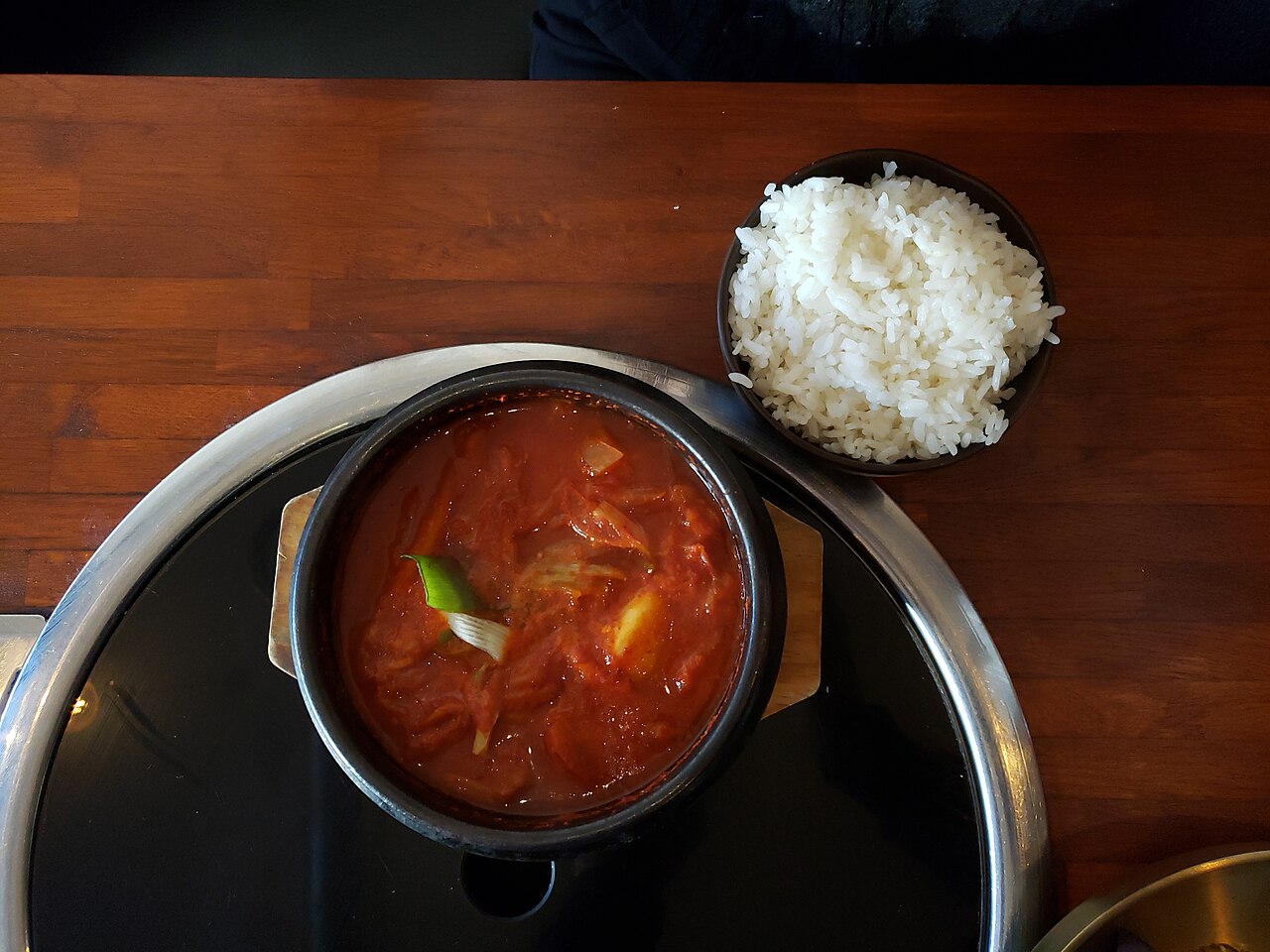
Kimchi Jjigae: Korea's Most Comforting Stew
Bubbling hot, deep red, and unmistakably Korean — kimchi jjigae is the stew that every Korean home smells like on a cold evening.
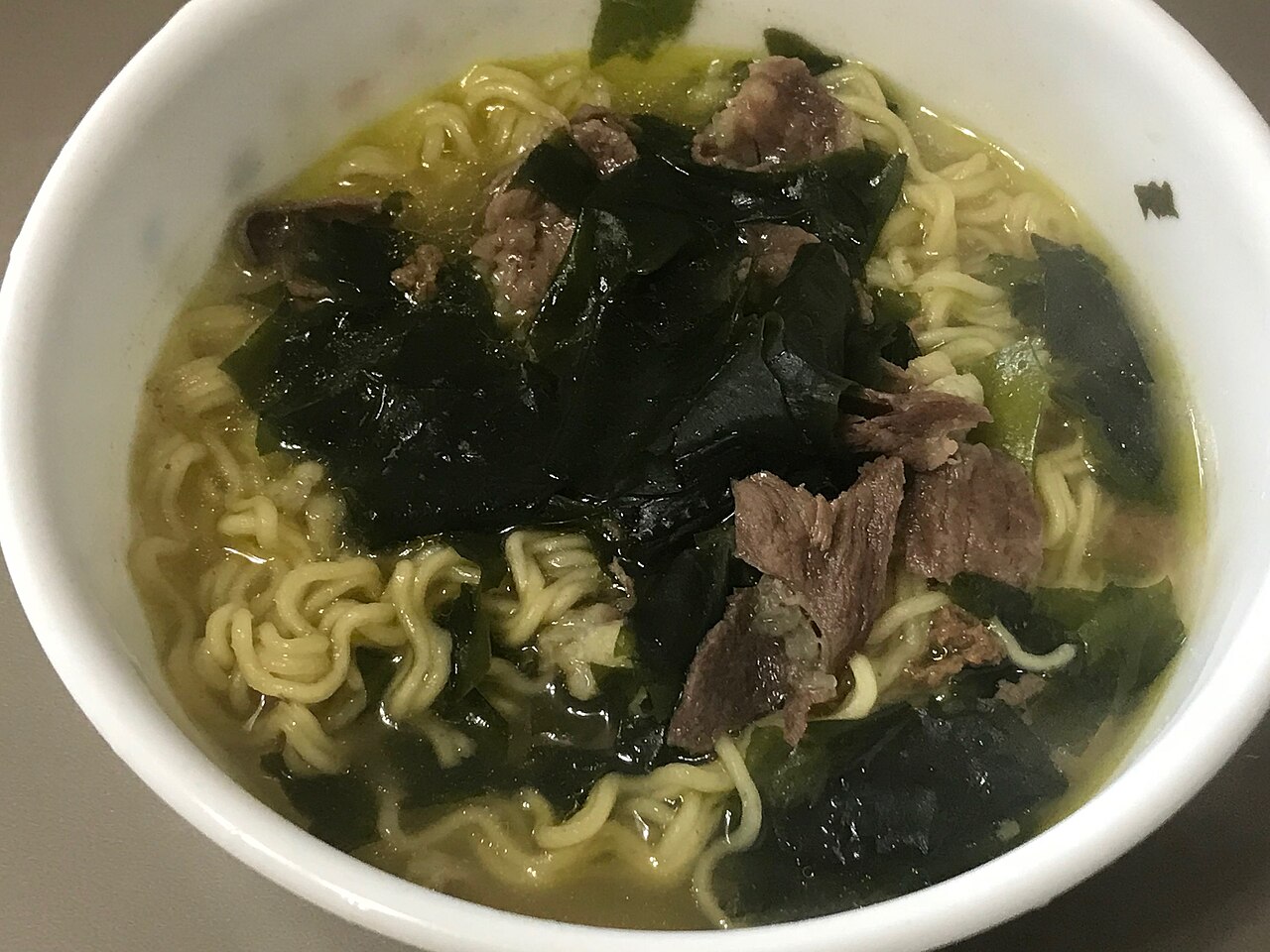
Miyeok-guk: The Birthday Soup That Is Really About Your Mother
Miyeok-guk is the seaweed soup every Korean eats on their birthday — a tradition that began as postpartum recovery food and became an annual act of gratitude to one's mother.
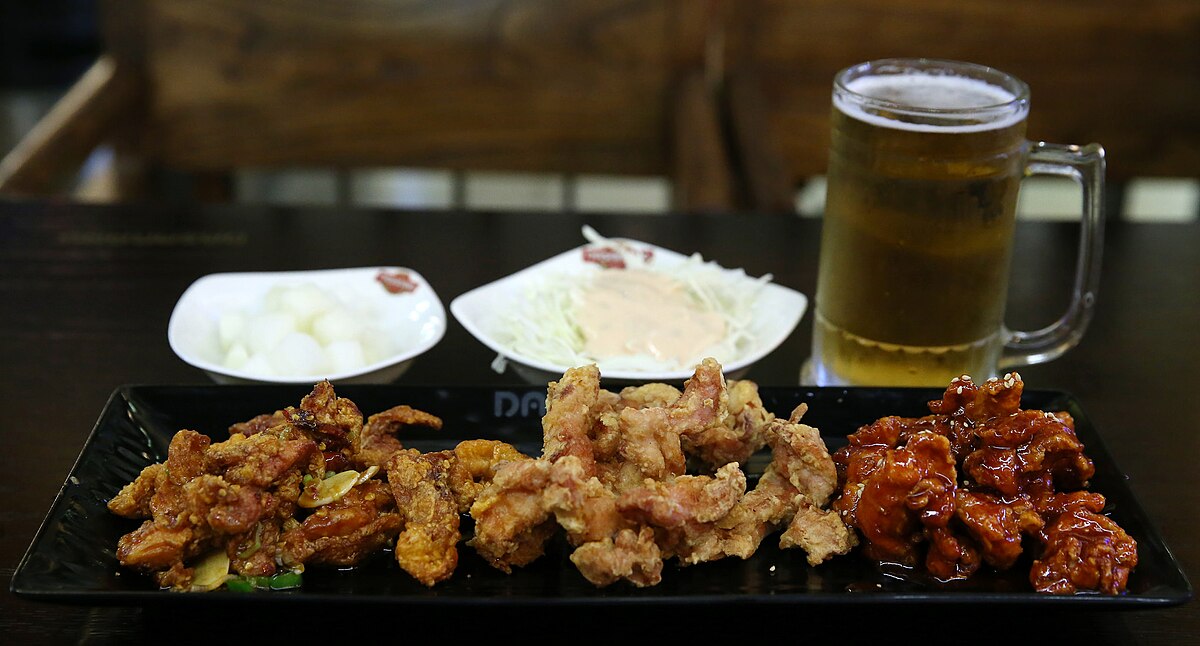
Chimaek: Why Korean Fried Chicken Is the World's Best
Korea has more fried chicken restaurants than McDonald's has locations worldwide. Here's the science and culture behind the crunch.