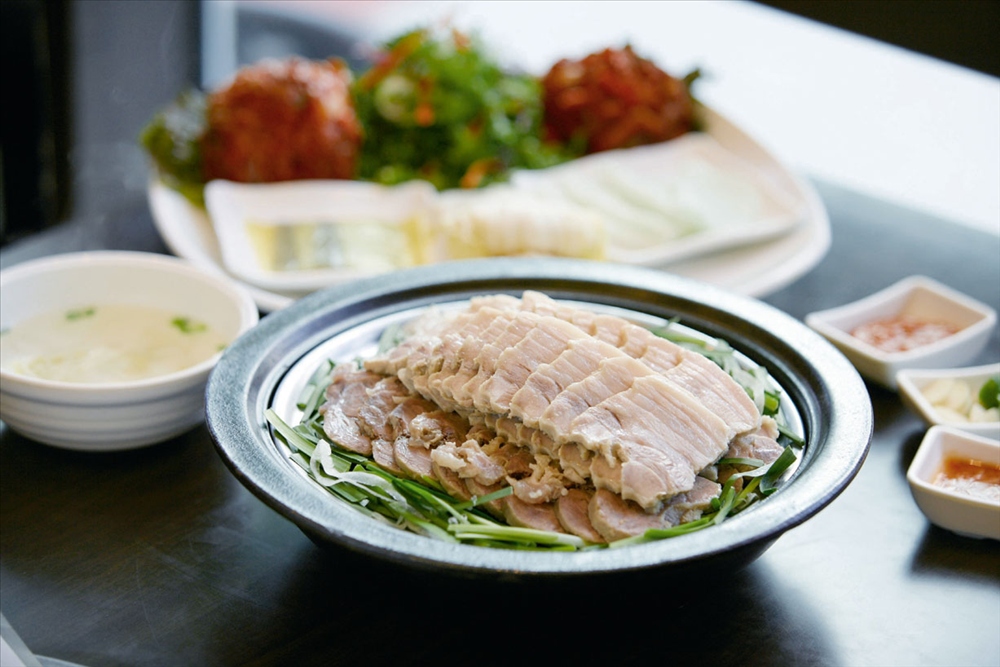
Bossam: Korean Boiled Pork Belly Wrap
Bossam is a Korean dish of tender boiled pork belly eaten wrapped in cabbage leaves with kimchi and fermented shrimp paste — a beloved communal dining experience.
Photo: Wikipedia Commons
What Is Bossam?
Bossam (보쌈) is a dish made from pork belly that is boiled in an aromatic broth of doenjang (soybean paste), ginger, garlic, onion, and sometimes coffee or tea to remove any gamey odor. The pork is cooked until it is extremely tender — soft enough to cut with chopsticks — then sliced and served at the table. The name 'bossam' means 'wrapped' or 'packed,' and the eating method is the heart of the experience: you take a leaf of salted napa cabbage (baechu) or fresh lettuce, add a slice of pork, kimchi (especially fresh kimchi called geotjeori), a dab of saeujeot (fermented shrimp paste), sliced garlic, and wrap it all up into a single mouthful. Bossam is typically ordered as a shared dish for a group, with the pork arranged on a large platter and surrounded by condiments. It is one of Korea's most social and interactive dining experiences.
History & Origins
Bossam has historical associations with Korea's kimchi-making season (gimjang) — the annual autumn tradition of making large batches of kimchi for the winter. After the hard communal work of preparing hundreds of heads of cabbage, families and neighbors would traditionally share a meal of bossam together as a reward. The salted cabbage leaves (which would become kimchi the next day) were used to wrap the boiled pork. This tradition means that bossam is one of the most deeply seasonal foods in Korean culinary culture — it is especially associated with late autumn (November), when gimjang season peaks. However, bossam is now eaten year-round and is one of the most popular Korean delivery and restaurant foods. The dish's history of communal eating during gimjang gives it a warm, community-oriented cultural meaning that persists today.
How Koreans Eat It
Bossam is a communal dish, ordered by a group and eaten together around a shared platter. Each person assembles their own wraps, which encourages conversation and interaction throughout the meal.
- ·Do not skip the saeujeot — the fermented shrimp paste adds a briny, funky depth that makes the wrap complete
- ·Assemble each wrap with a balance of pork, kimchi, and condiments — overloading it makes it impossible to eat in one bite
- ·Order fresh geotjeori kimchi (fresh, unfermented kimchi) alongside for a bright, crunchy contrast
- ·Bossam is one of the most popular Korean delivery foods — ordering it is a common way for friends to eat together at home
Cultural Significance
Bossam is deeply woven into the fabric of Korean social culture. The gimjang connection gives it an almost sacred status in the Korean food calendar — it is the meal that follows one of the most important community traditions of the year. Even Koreans who never make their own kimchi understand bossam's connection to that tradition. Beyond seasonality, bossam has become a quintessential Korean social food. The communal platter, the shared wrapping, the passing of condiments — all of these actions encourage a particular kind of warm, relaxed interaction. Bossam is the food you eat when you want to slow down, share, and enjoy company.
Tips
- 💡Visit Korea in November to experience bossam during gimjang season — some restaurants source freshly made kimchi specifically for this period
- 💡Order 'bossam set' (보쌈 세트) which typically includes the pork, cabbage, kimchi, and all condiments — the full experience
- 💡Bossam is one of the most reliable Korean delivery foods if you are staying in a rental apartment in Korea
Last updated: March 30, 2026
You might also like
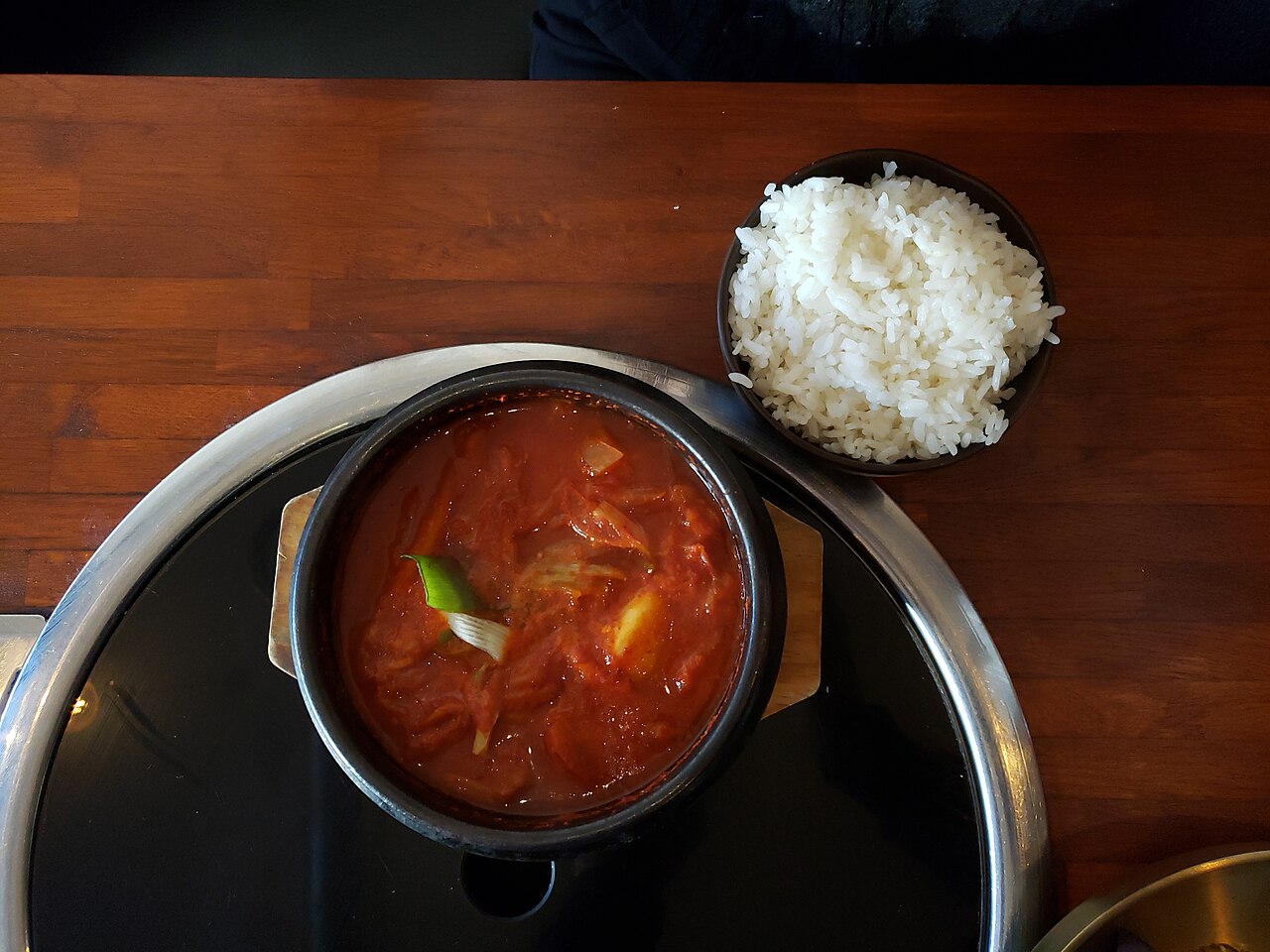
Kimchi Jjigae: Korea's Most Comforting Stew
Bubbling hot, deep red, and unmistakably Korean — kimchi jjigae is the stew that every Korean home smells like on a cold evening.
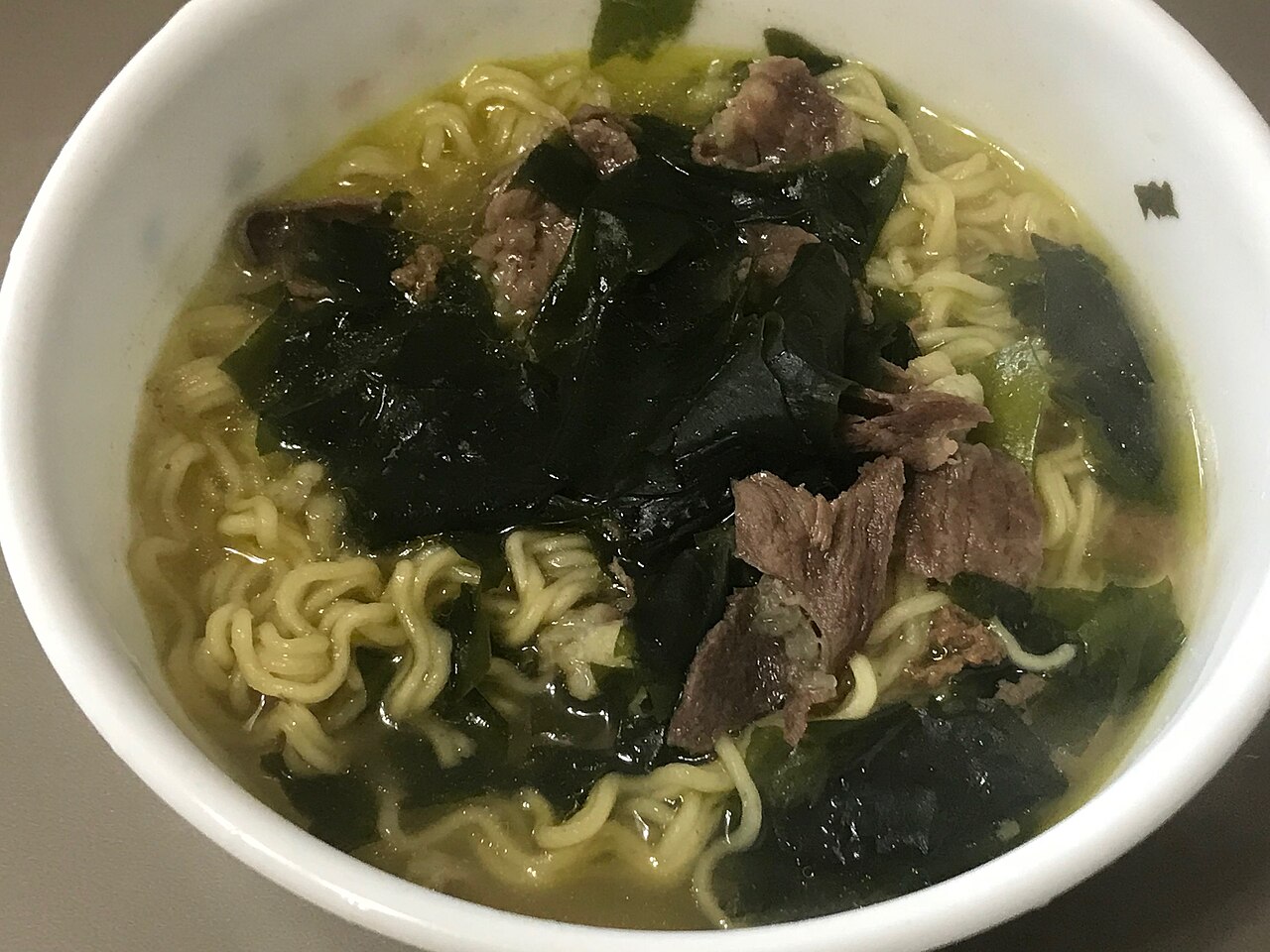
Miyeok-guk: The Birthday Soup That Is Really About Your Mother
Miyeok-guk is the seaweed soup every Korean eats on their birthday — a tradition that began as postpartum recovery food and became an annual act of gratitude to one's mother.
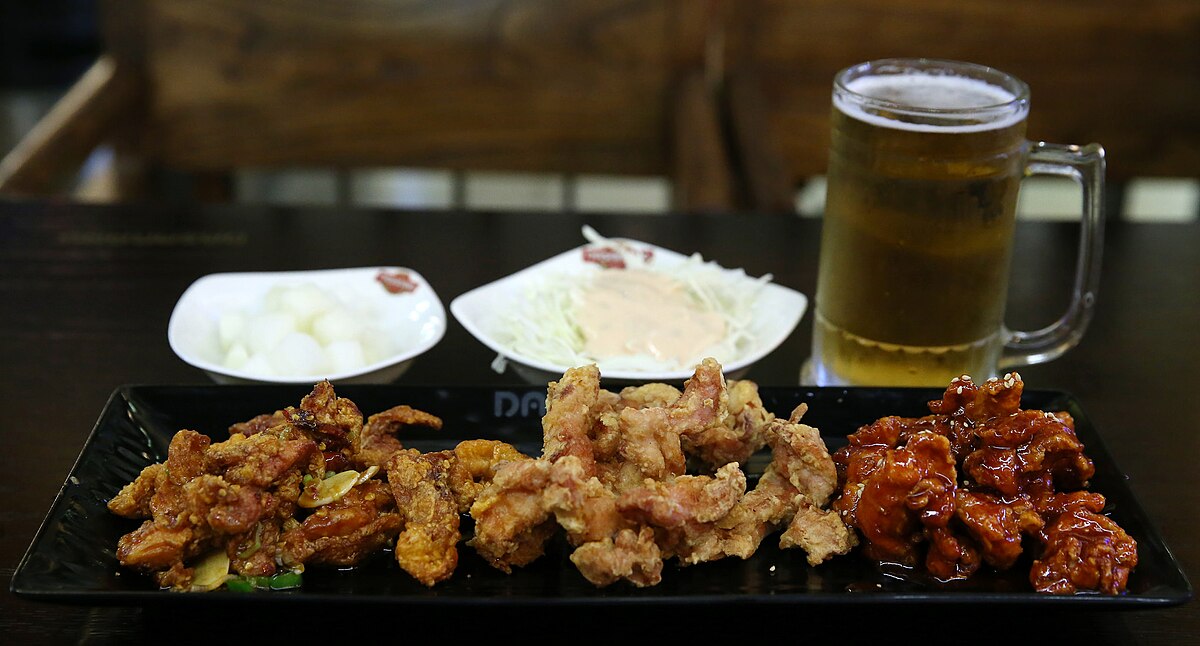
Chimaek: Why Korean Fried Chicken Is the World's Best
Korea has more fried chicken restaurants than McDonald's has locations worldwide. Here's the science and culture behind the crunch.