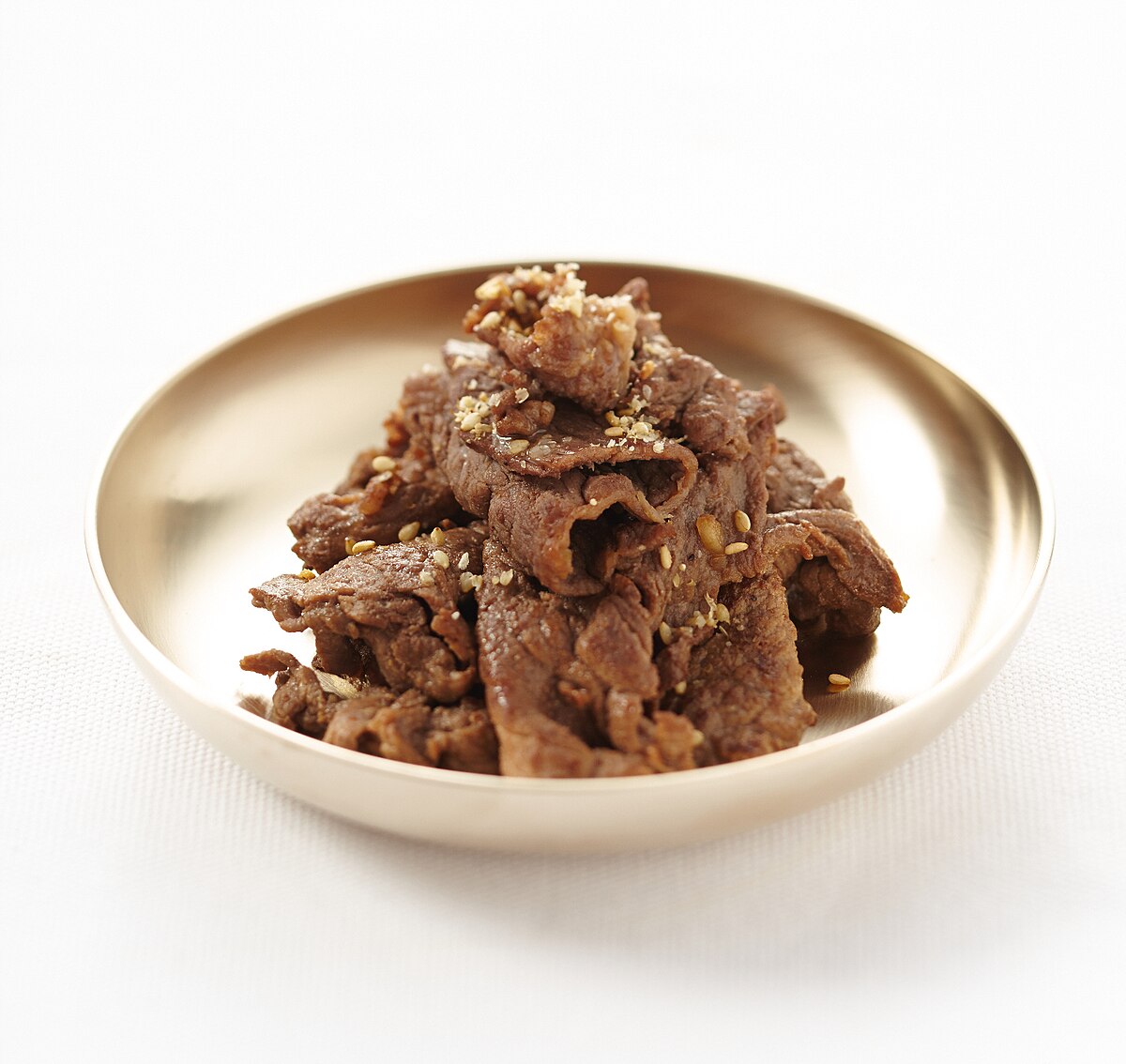
Bulgogi: Korea's Iconic Grilled Beef
Sweet, savory marinated beef that is one of the most internationally beloved Korean dishes.
Photo: Wikimedia Commons
What Is Bulgogi?
Bulgogi (불고기) literally means 'fire meat' — a compound of bul (fire) and gogi (meat). It is thinly sliced beef marinated in a sweet and savory blend of soy sauce, sugar, sesame oil, garlic, and the juice of Asian pear or kiwi, which acts as a natural tenderizer. The meat is then grilled over an open flame or cooked on a stovetop pan. The resulting dish is extraordinarily tender, fragrant with sesame, and carries a mild sweetness that makes it accessible to virtually every palate — including children and those who find other Korean dishes too spicy. Of all Korea's traditional foods, bulgogi consistently ranks as one of the most popular with international visitors. The most commonly used cuts are sirloin (deungsim) and ribeye (chadolbaegi), sliced paper-thin so that the marinade can penetrate deeply and the meat cooks quickly without becoming tough.
History & Origins
Bulgogi's lineage traces back over 1,500 years to the Goguryeo Kingdom (37 BCE–668 CE), where a grilled meat dish called maekjeok — skewered meat marinated in a sauce — was enjoyed by the nobility. During the Goryeo dynasty, when Buddhism discouraged meat-eating among the general population, these preparations became rarer but persisted in royal and aristocratic courts. The Joseon dynasty (1392–1897) saw bulgogi evolve into a more refined dish enjoyed across social classes. By the 20th century, as Korea industrialized and city restaurants proliferated, bulgogi became a staple of restaurant dining and a signature dish served to foreign dignitaries visiting Korea. Today, bulgogi is arguably the single most recognized Korean dish abroad. Korean BBQ restaurants around the world almost universally feature it on their menus, and its gentle, universally pleasing flavor profile has helped introduce millions of people to Korean cuisine for the first time.
How Koreans Eat It
Bulgogi is enjoyed in several ways depending on the setting and personal preference.
- ·Ssam (wrapped): Slices of cooked bulgogi are wrapped in fresh lettuce or perilla (kkaennip) leaves along with a smear of fermented soybean paste (doenjang), a slice of raw garlic, and sometimes a sliver of green chili — then folded into a bite-sized parcel.
- ·Over rice: Bulgogi is served on a bowl of steamed white rice, with the rich marinade sauce spooned over the top and mixed together before eating.
- ·Dolsot Bulgogi (hot pot style): In many restaurants, bulgogi is served in a clay or iron pot (ttukbaegi) with vegetables and broth, arriving at the table still bubbling.
- ·Bulgogi kimbap: A popular variation of Korea's rolled rice dish uses seasoned bulgogi as the main filling, available at most convenience stores and kimbap restaurants.
Cultural Significance
Bulgogi occupies a unique place in Korean food culture as the dish most commonly chosen when welcoming foreign guests or celebrating special occasions. Its approachable sweetness means it rarely intimidates newcomers, making it a natural gateway to Korean cuisine. The marinade philosophy of bulgogi — using fruit enzymes to tenderize meat naturally — reflects a sophisticated understanding of food chemistry developed centuries before modern food science. The use of Asian pear or kiwi juice, which contains proteolytic enzymes that break down protein fibers, results in a remarkably soft texture without any chemical additives. In the Korean diaspora around the world, bulgogi is often the first dish Korean-Americans, Korean-Australians, and Korean-Europeans prepare when introducing their heritage to non-Korean friends. It has become a cultural ambassador, representing Korean warmth and hospitality in kitchens far from the Korean peninsula.
Tips
- 💡Ask for the marinade sauce to be served on the side if you prefer to control the sweetness level.
- 💡Bulgogi is one of the few Korean meat dishes that does not require grilling at the table — it is often pre-cooked in the kitchen, making it easier to order.
- 💡When wrapping in ssam, Korean etiquette suggests making the parcel small enough to eat in one bite rather than biting it in half.
Last updated: April 1, 2026
You might also like
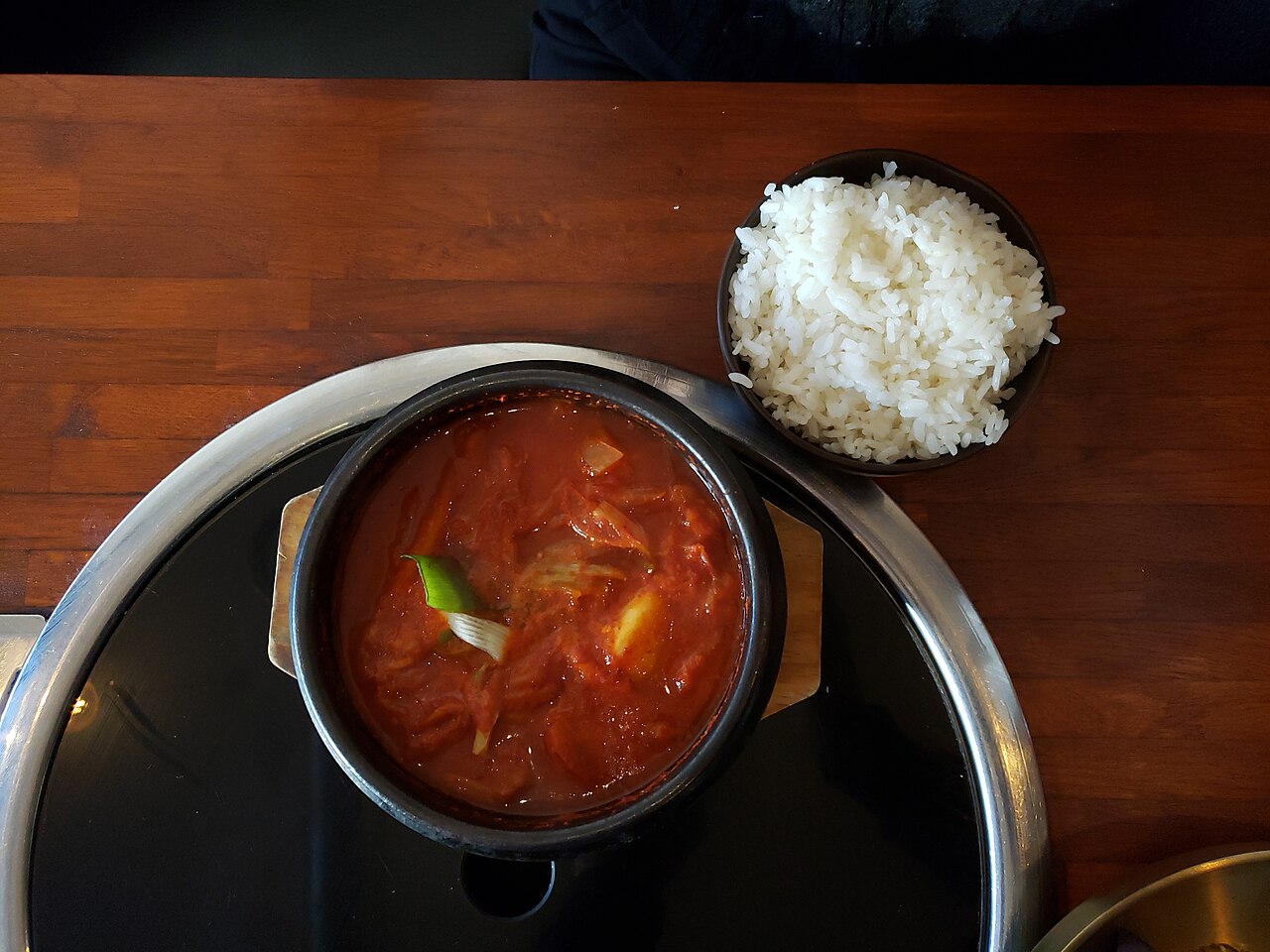
Kimchi Jjigae: Korea's Most Comforting Stew
Bubbling hot, deep red, and unmistakably Korean — kimchi jjigae is the stew that every Korean home smells like on a cold evening.
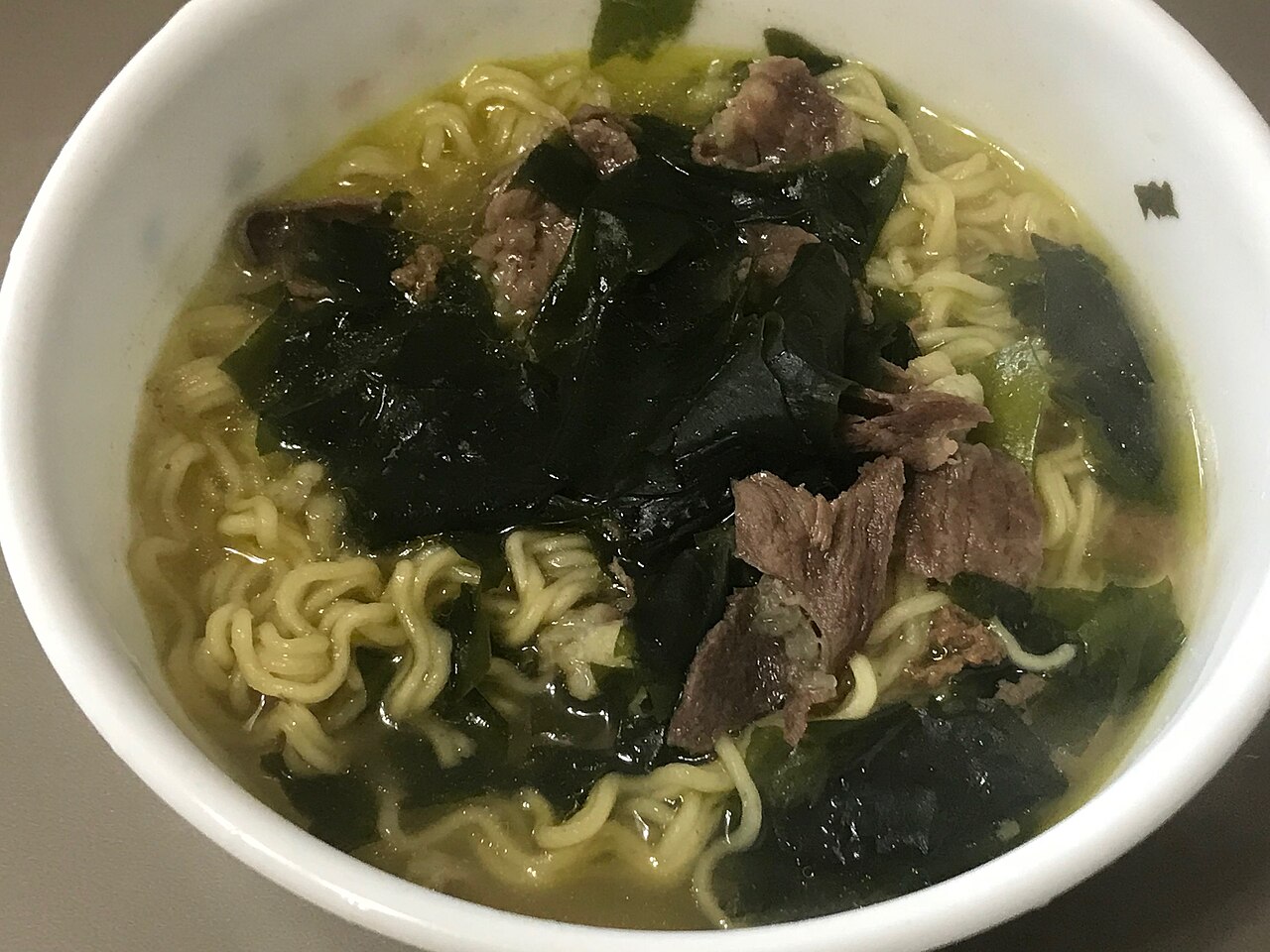
Miyeok-guk: The Birthday Soup That Is Really About Your Mother
Miyeok-guk is the seaweed soup every Korean eats on their birthday — a tradition that began as postpartum recovery food and became an annual act of gratitude to one's mother.
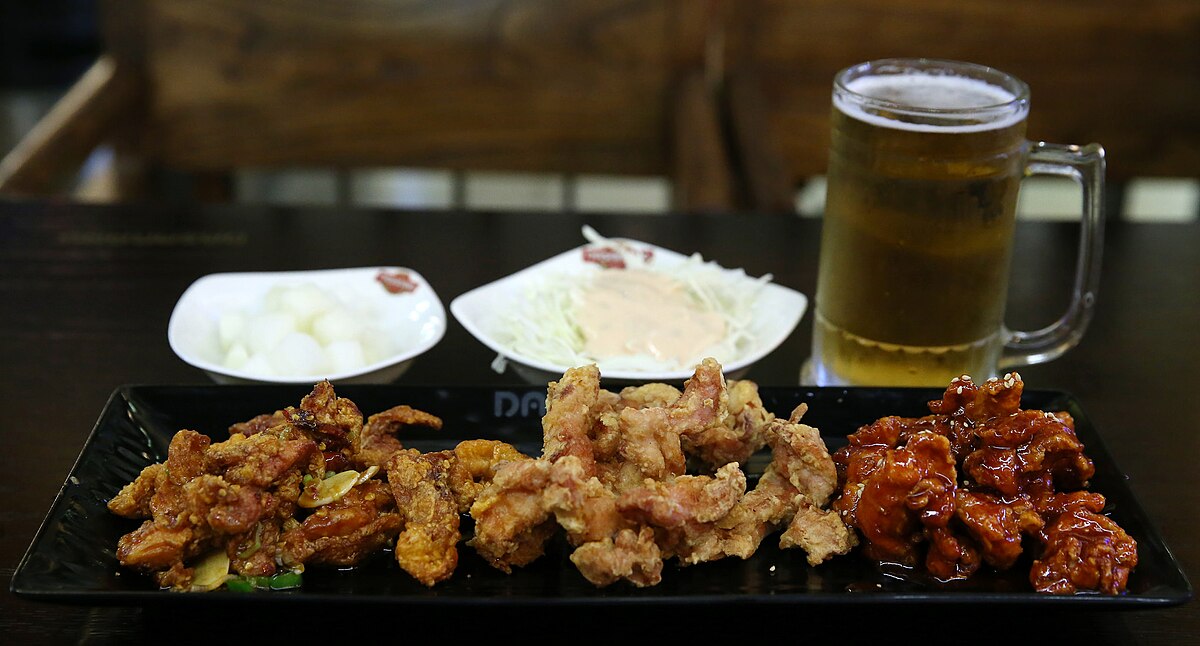
Chimaek: Why Korean Fried Chicken Is the World's Best
Korea has more fried chicken restaurants than McDonald's has locations worldwide. Here's the science and culture behind the crunch.