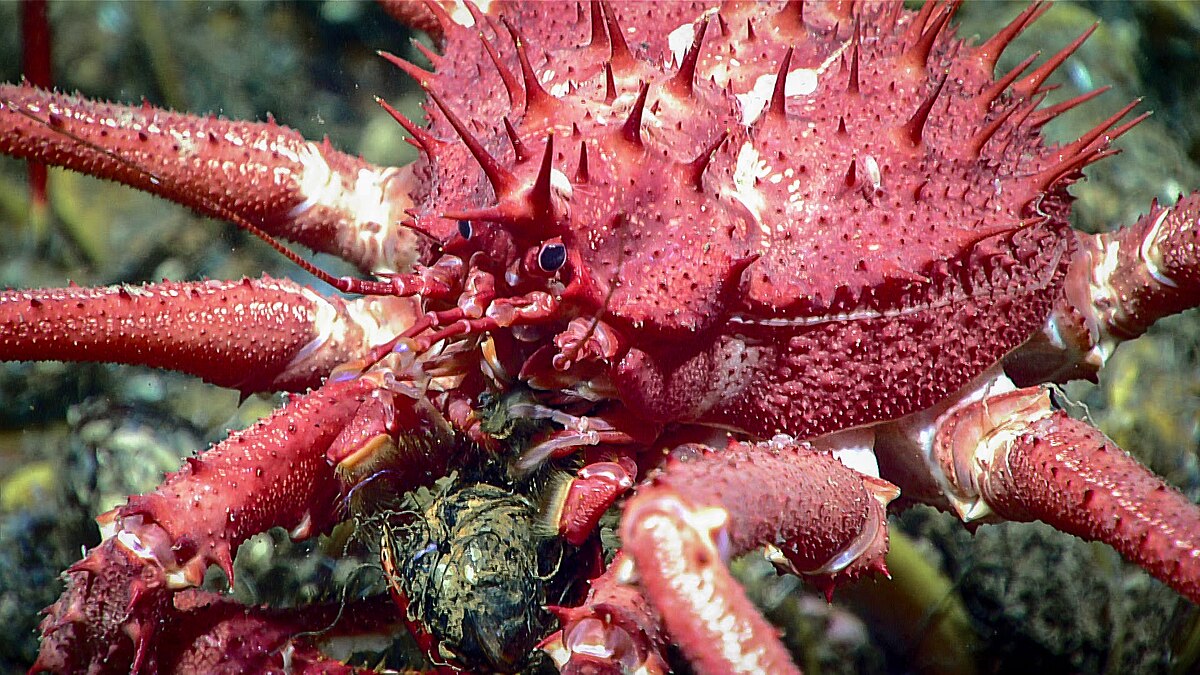
Daegui: Korea's Prized King Crab
Daegui (snow crab or king crab) is one of Korea's most celebrated seafood delicacies, harvested from the East Sea and prized for its sweet, dense meat, best enjoyed in coastal towns like Pohang and Uljin.
Photo: Wikipedia Commons
What Is Daegui?
Daegui (대게) is the Korean term for a type of large spider/snow crab (Chionoecetes japonicus) harvested primarily from the East Sea (동해). The name literally means 'big crab' or 'bamboo crab' — the latter because its long, spindly legs resemble bamboo stalks. Daegui is distinct from the American king crab (킹크랩), though both are prized as luxury seafood in Korean restaurants. Daegui is celebrated for its sweet, delicate, and dense white meat. When steamed simply with a little salt, the flavor is oceanic and clean. The leg meat is firm yet tender, and the body cavity contains rich crab roe (게살장) prized by connoisseurs. A large, quality daegui can command very high prices — it is firmly in the luxury seafood category in Korea. The primary harvesting areas are Pohang, Uljin, Yeongdeok, and Donghae along the North and South Gyeongsang and Gangwon coast. Yeongdeok County, in particular, has built its entire regional brand around daegui and hosts a famous crab festival every year.
History & Origins
Daegui has been consumed along Korea's east coast for centuries, and historical records from the Joseon Dynasty mention crab as a prized food sent to the royal court. The East Sea's cold, deep waters are ideal habitat for snow crabs, and Korean fishermen developed specialized trap techniques for harvesting them without damaging the delicate legs. Yeongdeok County in North Gyeongsang Province became the most famous daegui region in Korea, establishing strict quality standards and branding guidelines that distinguish genuine Yeongdeok daegui from other Korean or imported crabs. The Yeongdeok Snow Crab Festival (영덕대게 축제), held each year in the spring, draws hundreds of thousands of visitors and is one of Korea's most popular regional food festivals. In recent decades, daegui restaurants have proliferated in major Korean cities, and the crab is now widely available frozen or chilled at fishmongers and seafood markets nationwide.
How Koreans Eat It
Daegui is typically prepared very simply to let the natural sweetness of the crab shine through.
- ·Steamed daegui (대게찜) is the classic preparation — whole crabs steamed over boiling water for about 20 minutes, served with a simple vinegar dipping sauce
- ·Use the dedicated crab tool (게 다리 젓가락) or the back of a spoon to crack the legs and extract the long, elegant strips of meat without tearing them
- ·Mix the crab roe (internal orange paste) with a little rice in the empty body shell and eat it as a final bite — a cherished ritual among crab lovers
- ·For the best experience, eat daegui at a market restaurant in Yeongdeok, Pohang, or Uljin where the crabs are guaranteed to be locally caught and very fresh
Cultural Significance
Daegui occupies a prestigious position in Korean food culture as a luxury item associated with celebration, success, and regional pride. Gifting a box of quality daegui is considered a meaningful gesture of respect. The crab appears in travel and food media as one of Korea's must-eat culinary experiences, and 'going to eat daegui' is a reason people make road trips to Korea's east coast. The Yeongdeok daegui brand has become a model for Korean regional food marketing. The county has protected its crab's name through geographic indication certifications, much like champagne or Parmigiano-Reggiano, ensuring that only crabs caught in Yeongdeok waters can be labeled as genuine Yeongdeok daegui. This has helped both protect consumers and elevate the value of locally caught crabs for fishermen.
Tips
- 💡Daegui season is November through May — outside this period, the crabs are softer and less flavorful, and many restaurants will only serve them frozen
- 💡A live male daegui (수게) is more expensive than female but has more meat; females (암게) have more roe if you prefer that
- 💡Book a restaurant in advance at Yeongdeok Port or Pohang's Jukdo Market if visiting during peak season (January–March) as they fill up quickly with Korean visitors making special trips
Last updated: April 1, 2026
You might also like
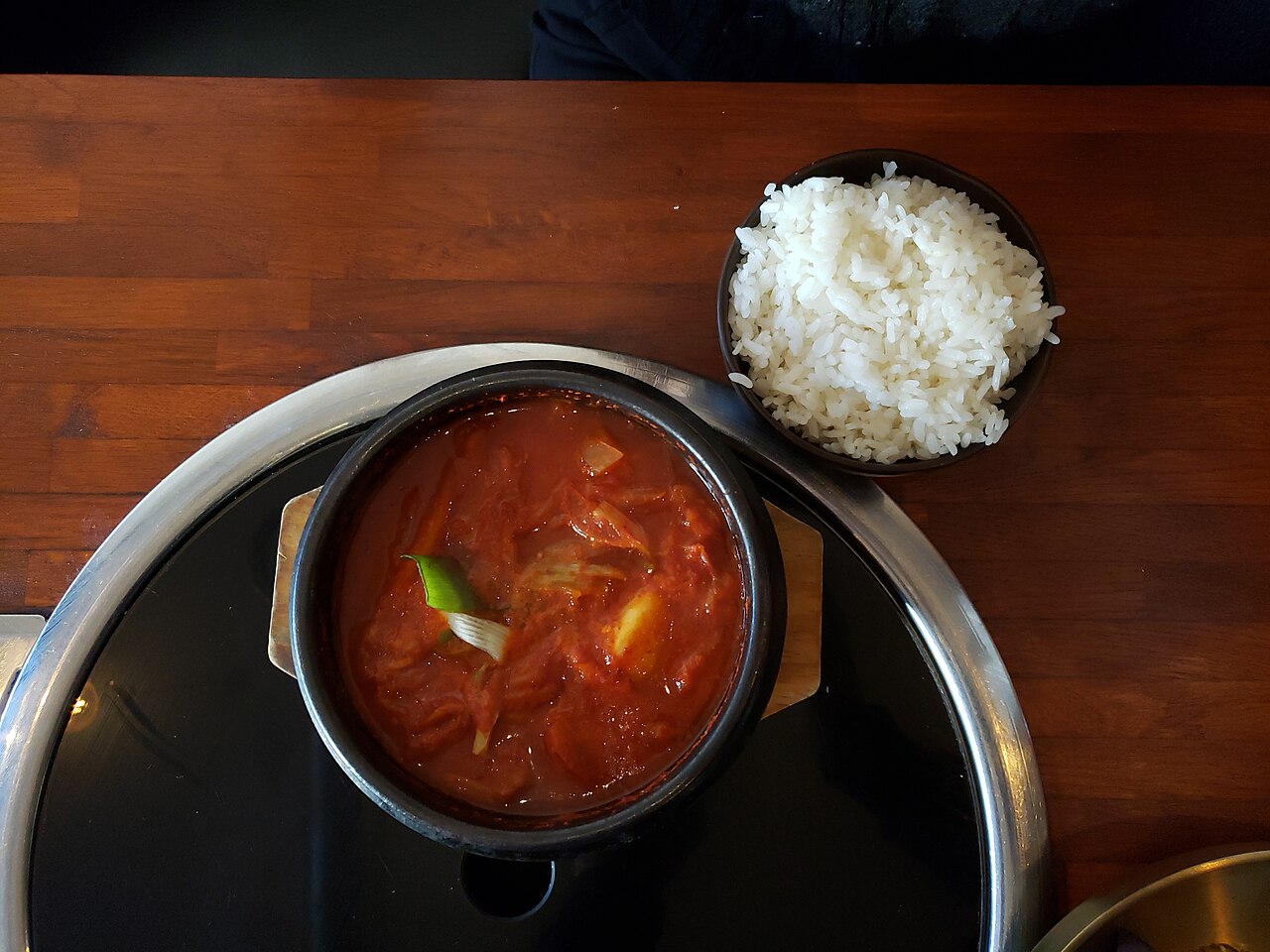
Kimchi Jjigae: Korea's Most Comforting Stew
Bubbling hot, deep red, and unmistakably Korean — kimchi jjigae is the stew that every Korean home smells like on a cold evening.
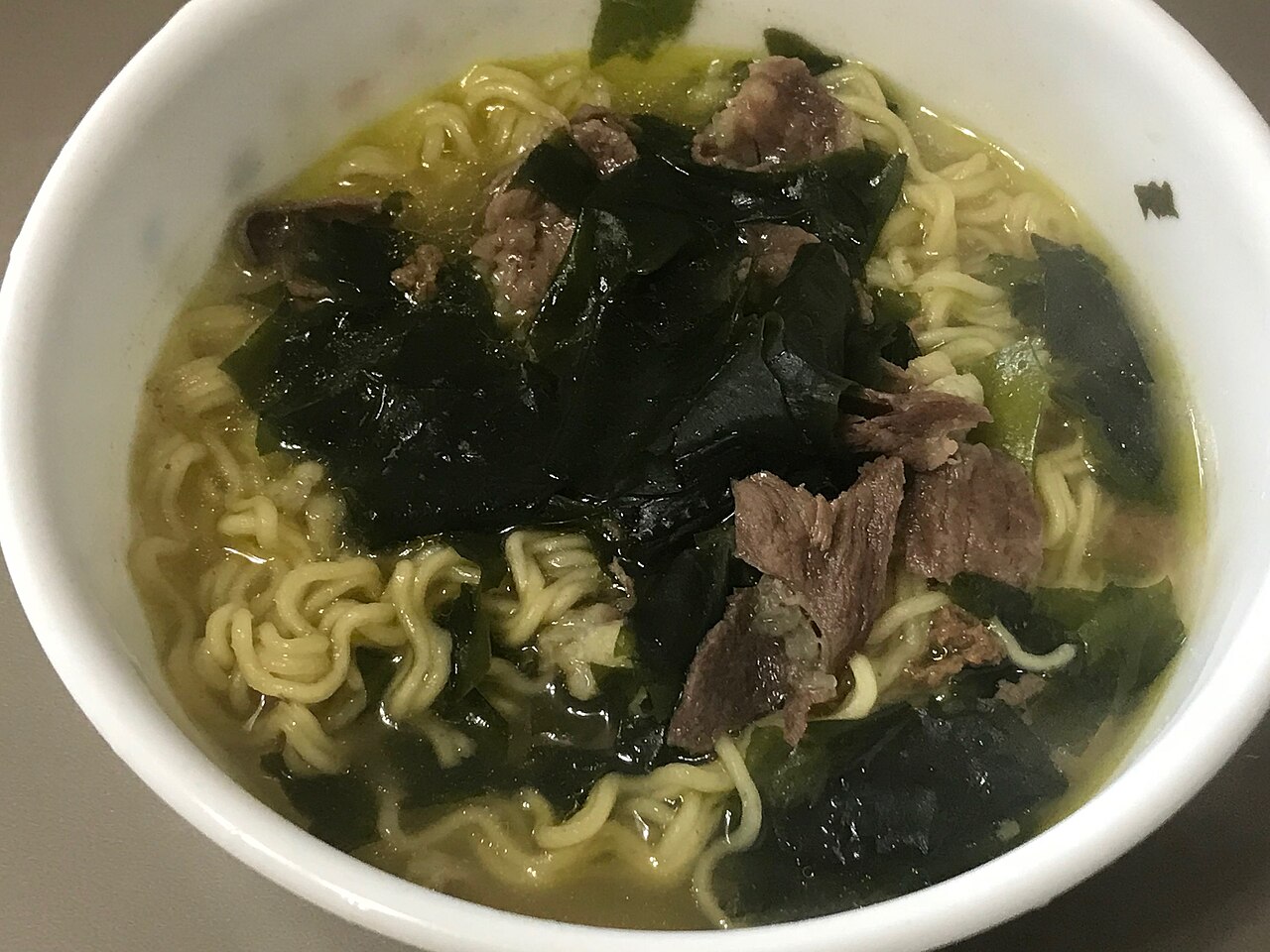
Miyeok-guk: The Birthday Soup That Is Really About Your Mother
Miyeok-guk is the seaweed soup every Korean eats on their birthday — a tradition that began as postpartum recovery food and became an annual act of gratitude to one's mother.
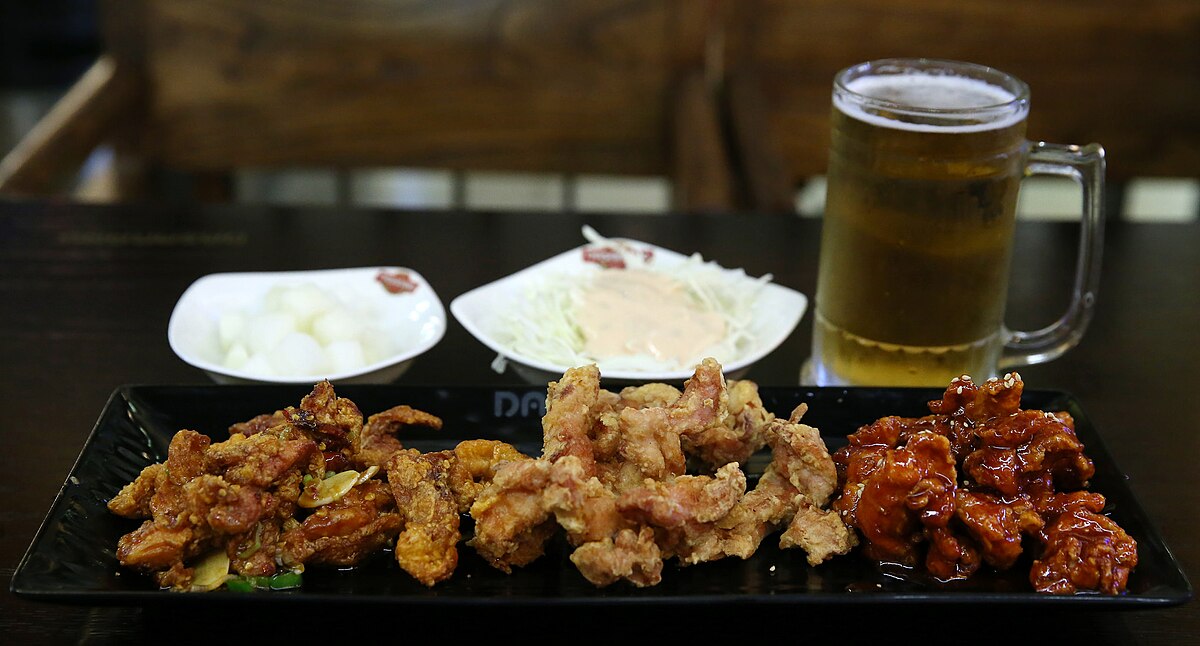
Chimaek: Why Korean Fried Chicken Is the World's Best
Korea has more fried chicken restaurants than McDonald's has locations worldwide. Here's the science and culture behind the crunch.