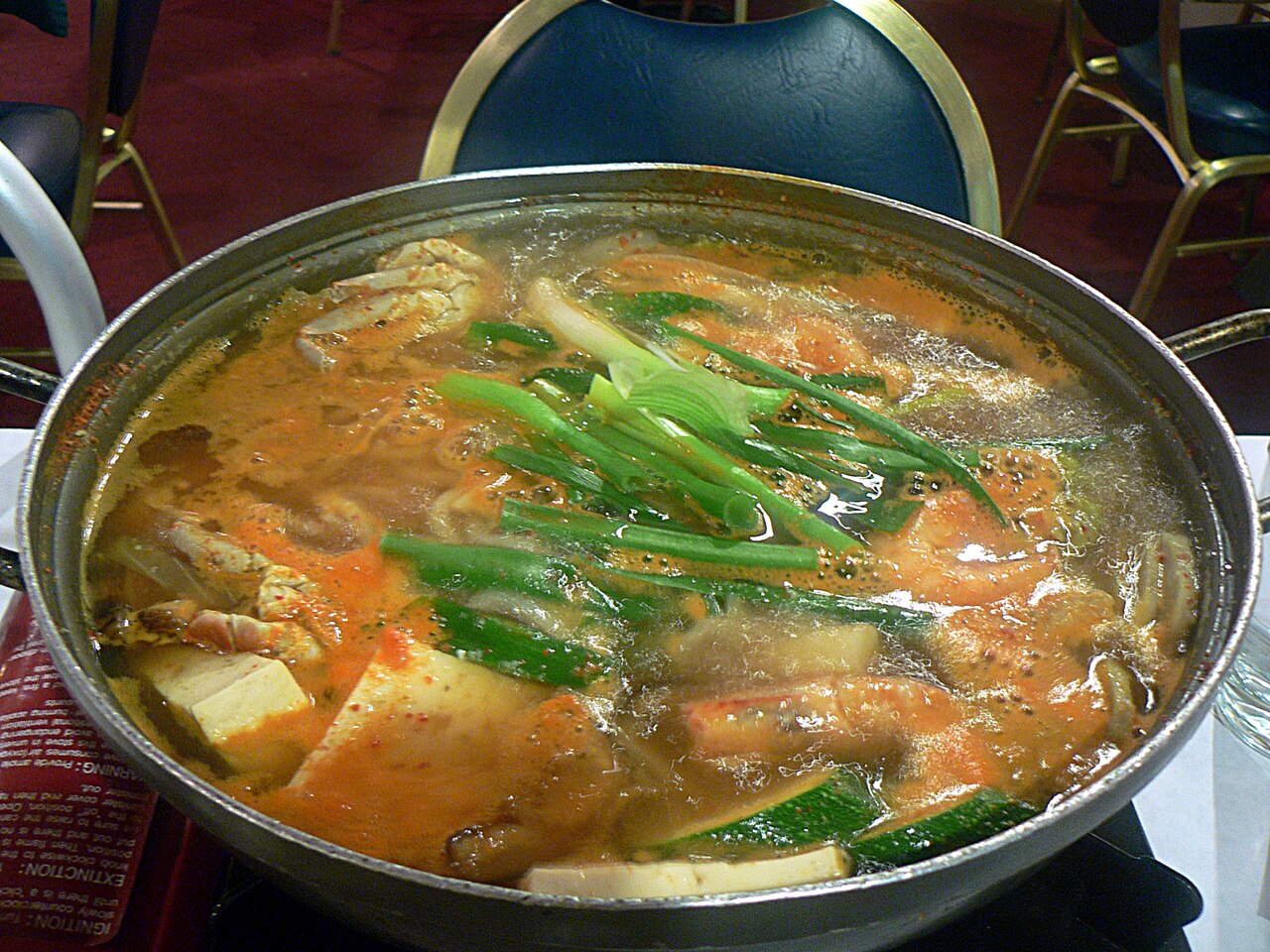
Daetguk Jjigae: Tongyeong's Harbour Seafood Stew
Daetguk Jjigae is a rich seafood stew originating in Tongyeong that combines crabs, clams, and shrimp with a deeply savoury broth, made exclusively with shellfish and fish landed the same morning from the surrounding South Sea — one of the defining dishes of Korea's southern coast.
Photo: Wikipedia Commons
What Is Daetguk Jjigae?
Daetguk Jjigae (대국찌개) is a bold, deeply savoury seafood stew from Tongyeong, South Gyeongsang Province, made by simmering fresh crabs, manila clams, and shell-on shrimp in a broth seasoned with doenjang (fermented soybean paste), gochugaru (chilli flakes), garlic, and green onion. Unlike most Korean jjigae which are cooked in individual clay pots, daetguk jjigae is traditionally prepared in a wide shallow pot over high heat, allowing the shellfish to open in full view and their juices to concentrate into an intensely flavoured stock. The dish's name derives from "daet" — a regional dialect term for the stone crab common in Tongyeong waters.
History & Significance
Tongyeong sits at the heart of one of the world's most productive shellfish aquaculture regions, surrounded by warm shallow waters that support oysters, mussels, abalone, and multiple crab species. Daetguk Jjigae developed as a harbour-side working meal for fishermen and shellfish farmers who had direct access to the morning's catch. The combination of crabs and clams in a doenjang base is a southern Korean flavour profile distinct from the gochujang-heavy stews of the interior, and it reflects the influence of the sea on every element of Tongyeong's culinary identity. The dish remains almost entirely unknown outside the South Gyeongsang coast, making it a rewarding discovery for culinary travellers.
What to See & Do
The best daetguk jjigae is found at small restaurants clustered around Tongyeong's central fish market, which opens at dawn. The dish is always served with the full shellfish intact — eating it requires cracking crab shells at the table, a process locals help newcomers navigate. The stew is typically accompanied by rice and a spread of banchan including pickled radish, seaweed salad, and pan-fried fish cake.
Visitor Tips
Arrive at harbour-side restaurants between 7 AM and 9 AM when the stew is made from the night's freshest catch. The stew is spiced to southern Korean heat standards — request "bbyam maepge" (not too spicy) if needed. Most Tongyeong restaurants catering to tourists will provide English menus or picture boards.
Tips
- 💡Order a full crab version for the richest broth — the crab tomalley dissolves into the stock as it cooks.
- 💡The correct way to eat is to pour the broth over your rice at the end of the meal.
- 💡Fresh from the harbour restaurants near Tongyeong Fish Market serve the most authentic versions.
Last updated: April 1, 2026
You might also like
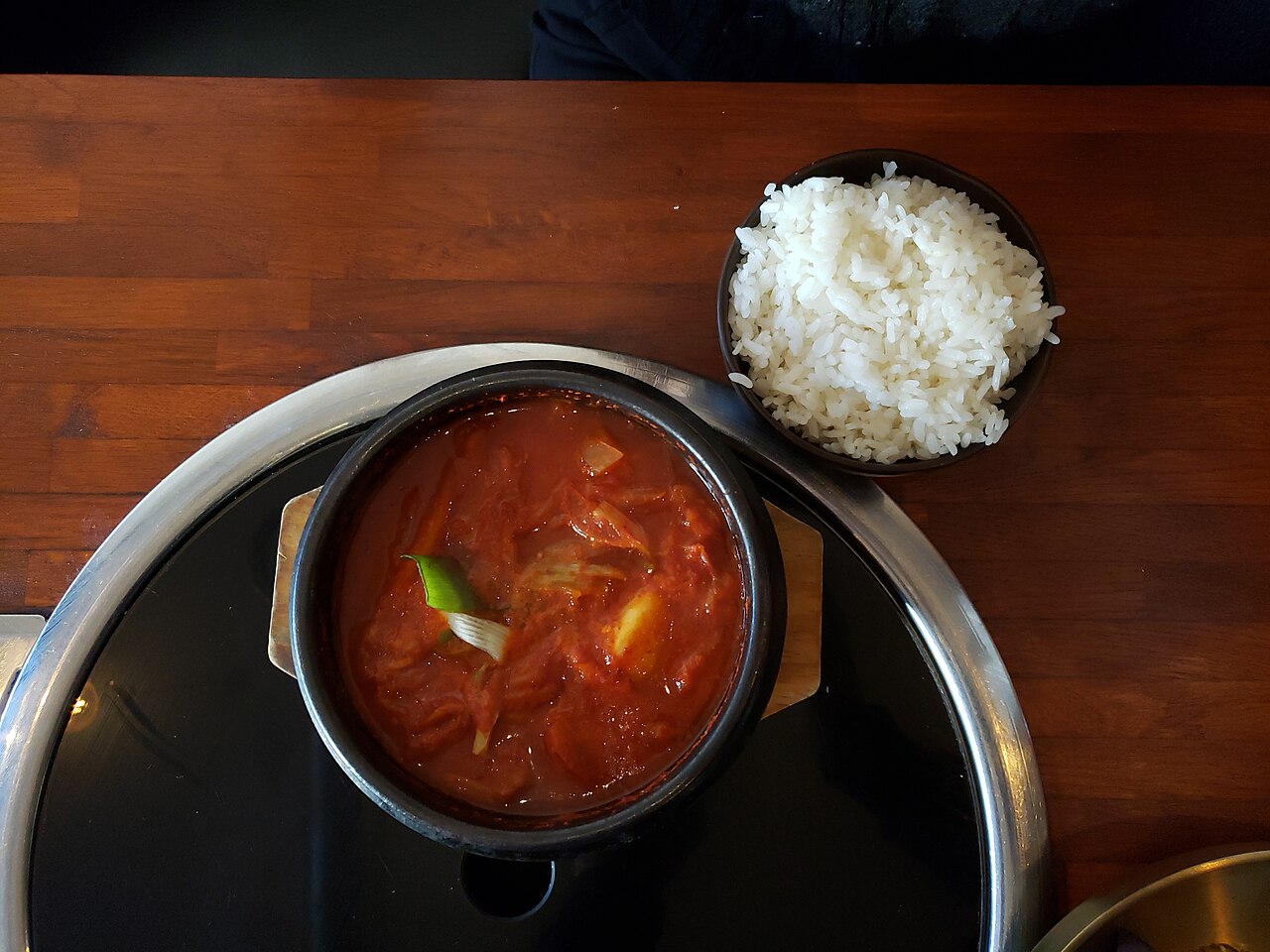
Kimchi Jjigae: Korea's Most Comforting Stew
Bubbling hot, deep red, and unmistakably Korean — kimchi jjigae is the stew that every Korean home smells like on a cold evening.
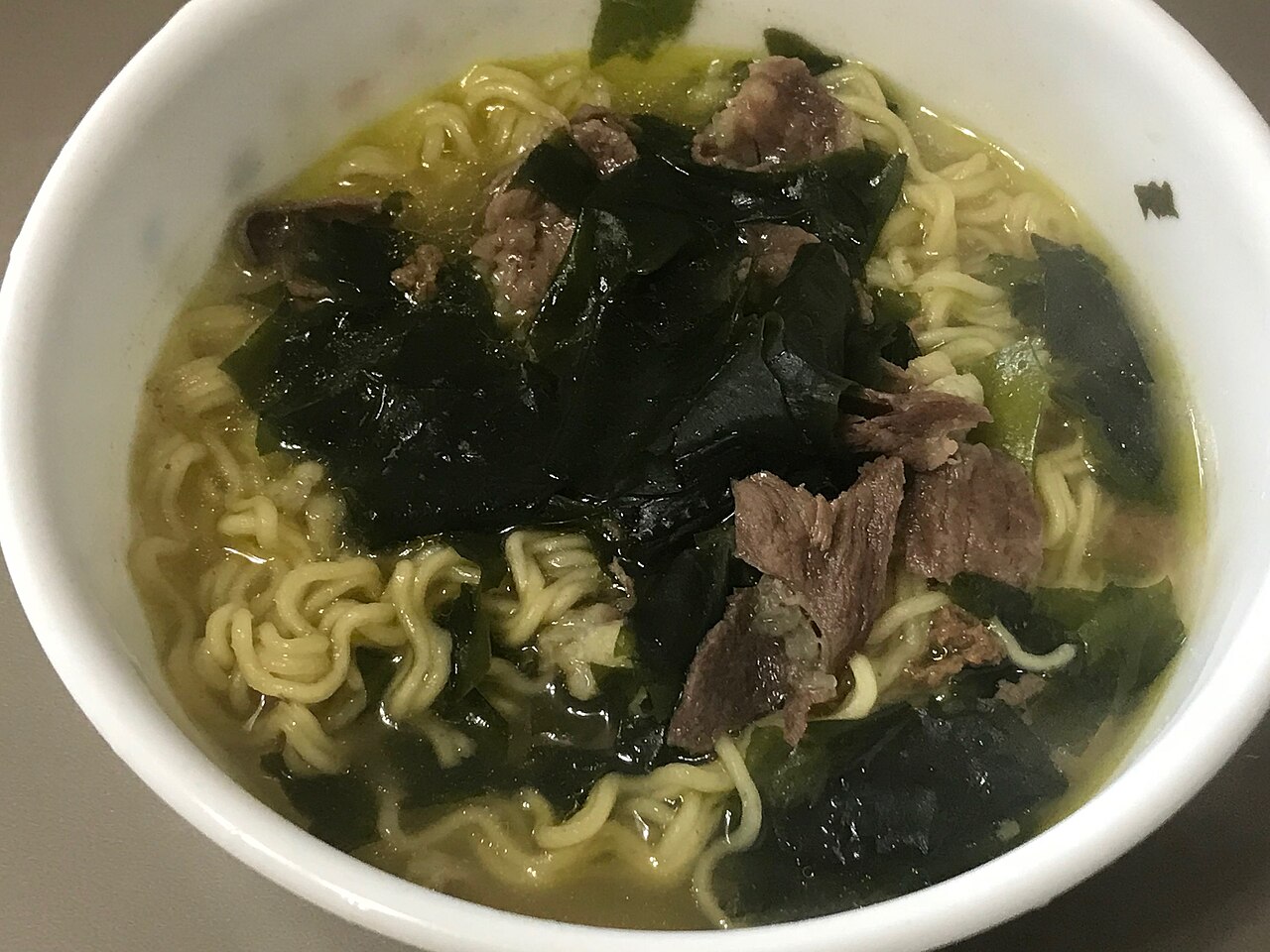
Miyeok-guk: The Birthday Soup That Is Really About Your Mother
Miyeok-guk is the seaweed soup every Korean eats on their birthday — a tradition that began as postpartum recovery food and became an annual act of gratitude to one's mother.
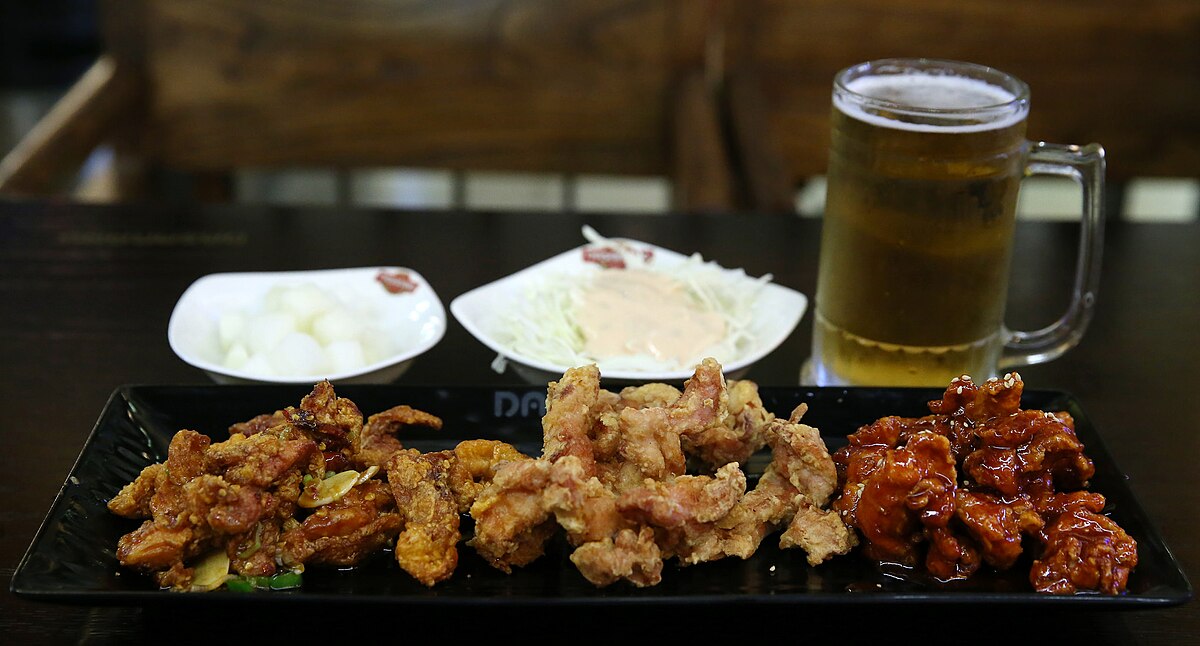
Chimaek: Why Korean Fried Chicken Is the World's Best
Korea has more fried chicken restaurants than McDonald's has locations worldwide. Here's the science and culture behind the crunch.