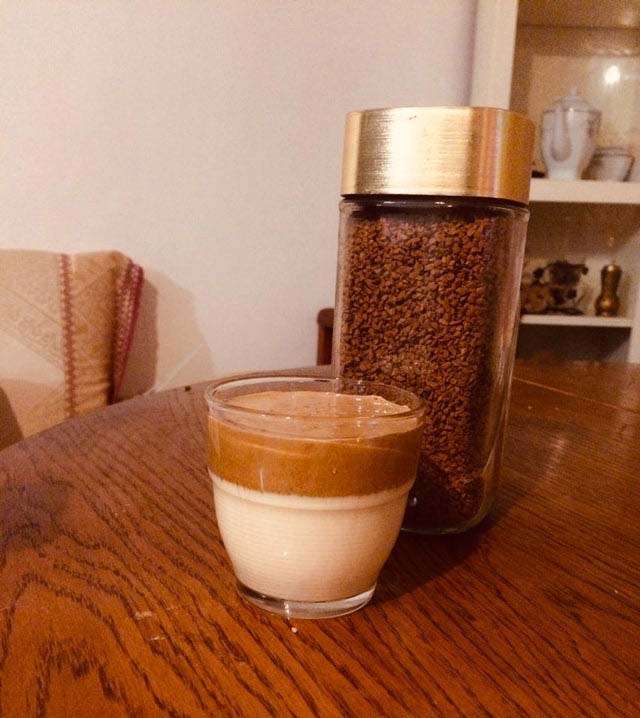
Dalgona Coffee: Korea's Pandemic Sweet
The whipped instant coffee that went viral worldwide in 2020 — a Korean lockdown invention that became a global cultural moment.
Photo: Wikipedia Commons
What Is Dalgona Coffee?
Dalgona coffee (달고나 커피) is a two-layer coffee drink made by whipping equal parts instant coffee, sugar, and hot water into a thick, glossy foam, then spooning this caramel-colored cloud over a glass of cold milk (or sometimes hot milk). The foam sits on top of the milk in a distinct layer until the drinker stirs it in — or sips through it, experiencing the intense bittersweet coffee foam first before the milder milk below. The technique requires sustained whisking — either by hand (300–400 strokes with a small whisk or fork) or with an electric hand mixer (3–4 minutes). As the mixture is agitated, it undergoes a dramatic transformation: a thin, watery brown liquid gradually stiffens and lightens in color, eventually becoming a stiff, shiny foam with a consistency similar to soft meringue. This transformation is the visual heart of the drink's appeal — the before-and-after contrast is satisfying in a way that contributes to its social media virality. The name comes from dalgona (달고나) — a traditional Korean street candy made by melting sugar with baking soda and pressing it into thin sheets, then stamping a shape into the setting candy. The foam's caramel-like sweetness and color were compared to this candy, and the name stuck.
History & Origins
Dalgona coffee did not emerge from a single invention moment but rather from a confluence of factors that crystallized in the early weeks of the COVID-19 pandemic in late January and February 2020. The drink had existed in various forms for years — South Indian and Pakistani 'beaten coffee' (phenti hui coffee) uses a similar whipped foam technique, and versions existed in South Korea before 2020 under various names. The critical moment came in January 2020 when South Korean television personality Jung Il-woo appeared on a Macau street food program and enthusiastically described a whipped coffee drink he was tasting, calling it 'dalgona coffee' because of its candy-like flavor. Korean viewers began recreating the drink at home almost immediately. When global COVID-19 lockdowns began in March 2020 — confining billions of people to their homes with time to fill and social media to fill it — dalgona coffee exploded. The visually dramatic preparation process, the accessible ingredients available in virtually any kitchen worldwide, and the satisfying result made it ideal for the video format. TikTok and Instagram saw millions of videos within weeks. The hashtag #dalgonacoffee reached 1.3 billion TikTok views within months. It became the defining food moment of the pandemic's first year, specifically associated with the shared global experience of lockdown boredom and domestic creativity.
How to Make and Drink It
Dalgona coffee has a specific preparation and drinking ritual that is part of its appeal.
- ·The whipping: Combine 2 tablespoons of instant coffee, 2 tablespoons of granulated sugar, and 2 tablespoons of hot water in a bowl. Whisk vigorously by hand (5–10 minutes) or use an electric hand mixer (3–4 minutes) until the mixture reaches stiff, glossy peaks — similar to soft meringue.
- ·The assembly: Fill a glass with ice and pour cold milk over it. Spoon the whipped foam gently over the milk surface in a thick layer.
- ·The first taste: Sample the foam alone before mixing — the concentrated, slightly bitter, caramel-sweet flavor of the whipped coffee foam is dramatically different from the final mixed drink.
- ·The mix: Stir the foam into the milk with a spoon or swirling motion. The resulting drink is a creamy, latte-strength coffee with gentle sweetness.
- ·Variations: Hot dalgona coffee (hot milk base), matcha dalgona (whipped with matcha powder instead of coffee), and cocoa dalgona are popular riffs on the original formula.
Cultural Significance
Dalgona coffee's place in cultural history is secured by its role as the defining food trend of the COVID-19 pandemic's first year — a period of global shared experience that had few other common cultural touchpoints. The fact that a Korean drink, named after a Korean street candy, made by a technique documented on a Korean TV show, became the universal kitchen project of a locked-down world is a remarkable piece of contemporary cultural history. The dalgona candy that lends the coffee its name has its own cultural resonance. For decades, dalgona was a low-budget Korean street treat — simple caramelized sugar sold by street vendors from portable stovetop setups, with customers offered a choice of shape-stamps. If you could extract the stamped shape without breaking it, you received another candy free. This game element made dalgona particularly associated with childhood memory and street food culture. Dalgona candy was already experiencing a resurgence in Korean cultural consciousness when it was thrust into global awareness by the Netflix series Squid Game (2021), which featured a dalgona challenge as one of its deadly games. The confluence of dalgona coffee (pandemic trend) and Squid Game (global Netflix phenomenon) created an unusual double-exposure: millions of people around the world now know both the candy and the coffee, and associate them with contemporary Korean culture broadly. For K-food's international trajectory, dalgona coffee represents a proof of concept: Korean food culture, when it finds the right vector for distribution, can achieve global reach with astonishing speed.
Tips
- 💡Use instant coffee (not ground) — the soluble solids in instant coffee are what enable the foam to form. Ground or brewed coffee will not produce the same effect.
- 💡An electric hand mixer reduces whipping time from 8–10 minutes to under 4 minutes — worth using if available.
- 💡The foam holds its structure in the refrigerator for several hours — make a larger batch and store it covered for multiple servings.
Last updated: April 1, 2026
You might also like
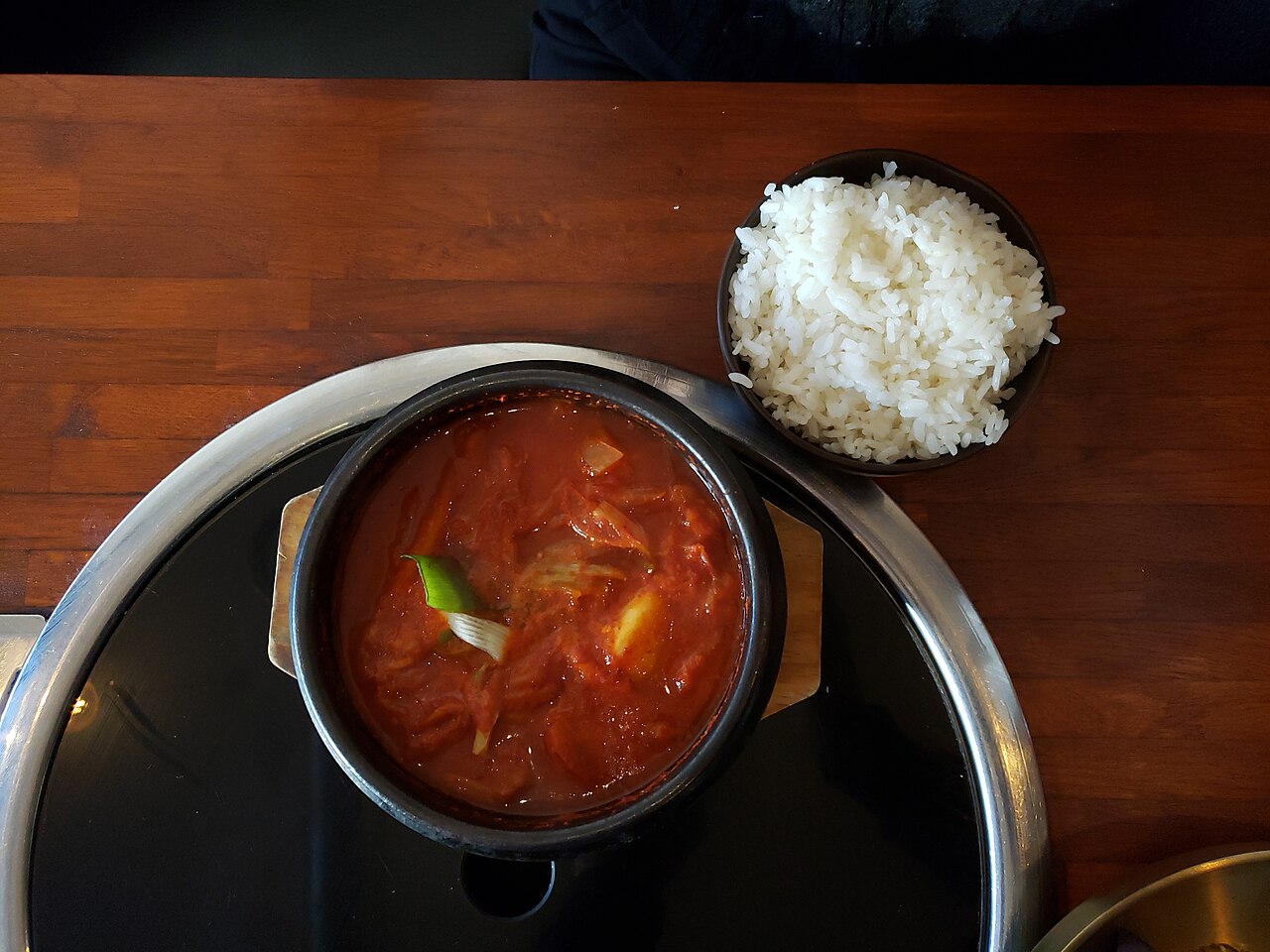
Kimchi Jjigae: Korea's Most Comforting Stew
Bubbling hot, deep red, and unmistakably Korean — kimchi jjigae is the stew that every Korean home smells like on a cold evening.
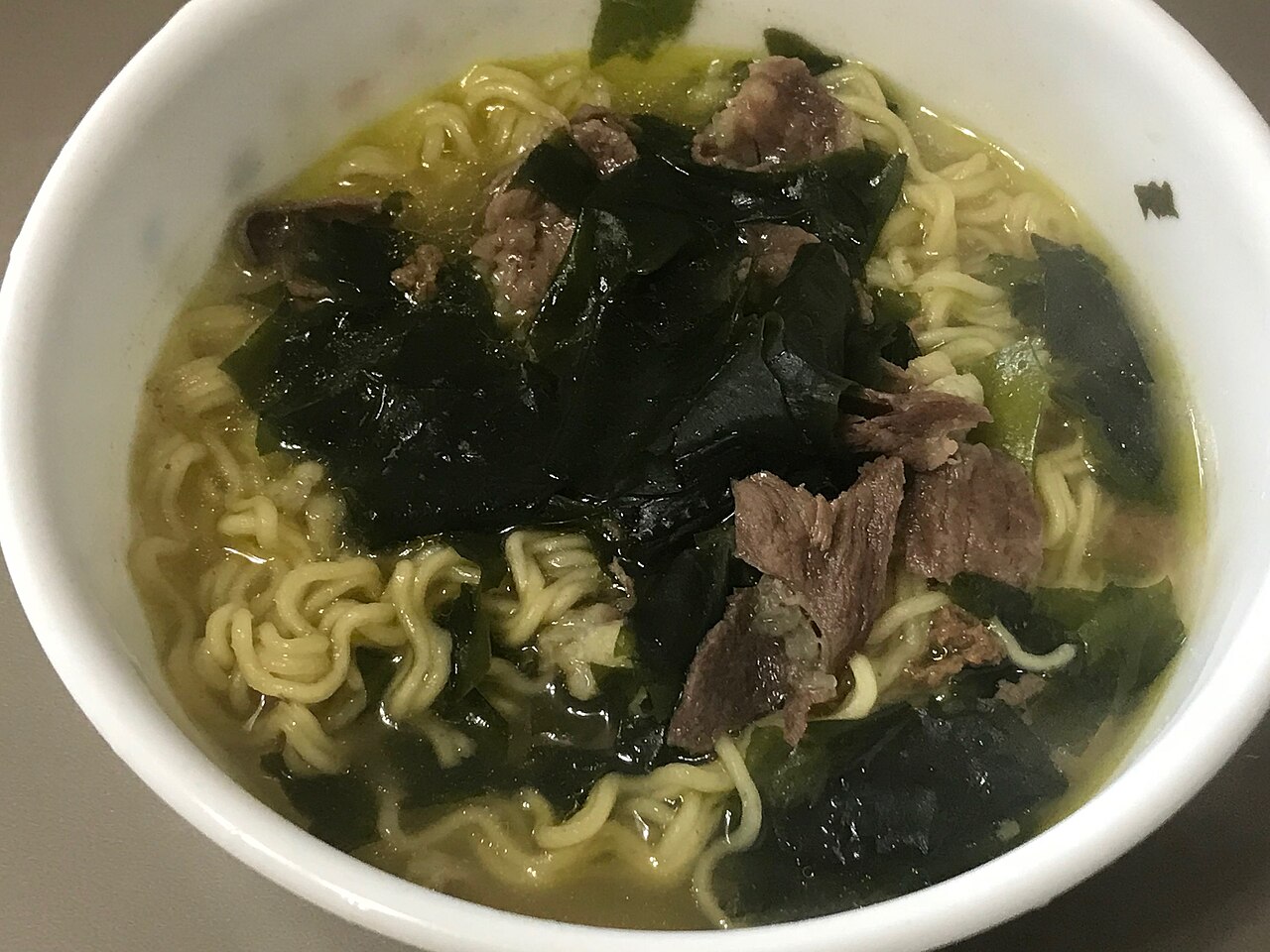
Miyeok-guk: The Birthday Soup That Is Really About Your Mother
Miyeok-guk is the seaweed soup every Korean eats on their birthday — a tradition that began as postpartum recovery food and became an annual act of gratitude to one's mother.
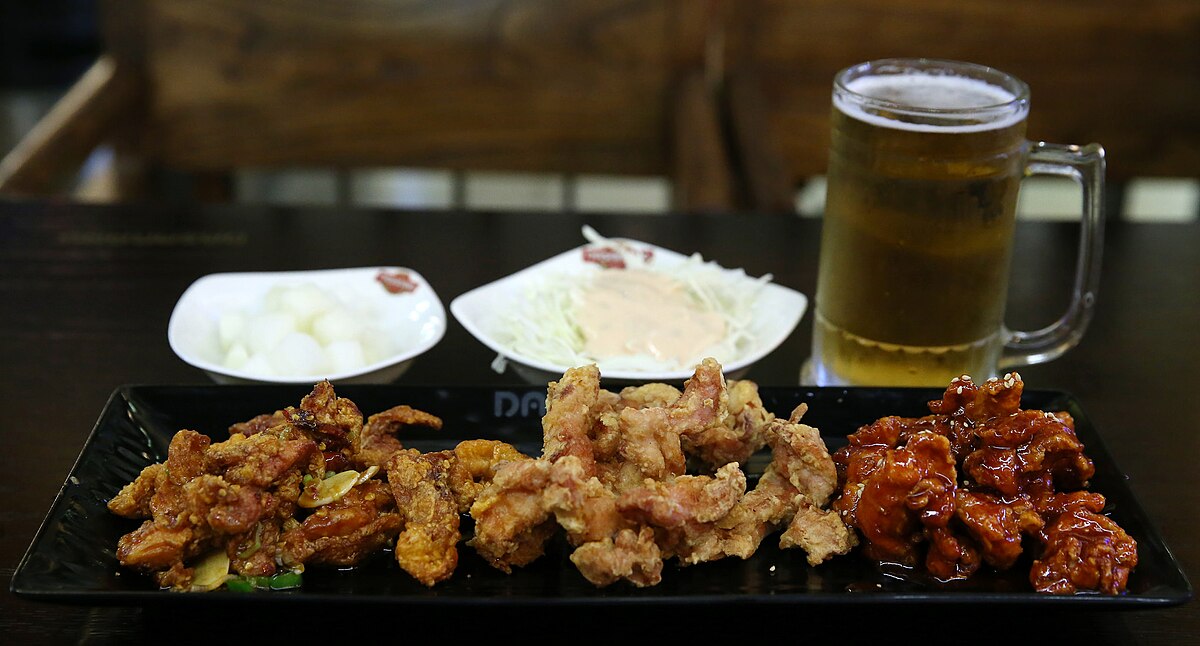
Chimaek: Why Korean Fried Chicken Is the World's Best
Korea has more fried chicken restaurants than McDonald's has locations worldwide. Here's the science and culture behind the crunch.