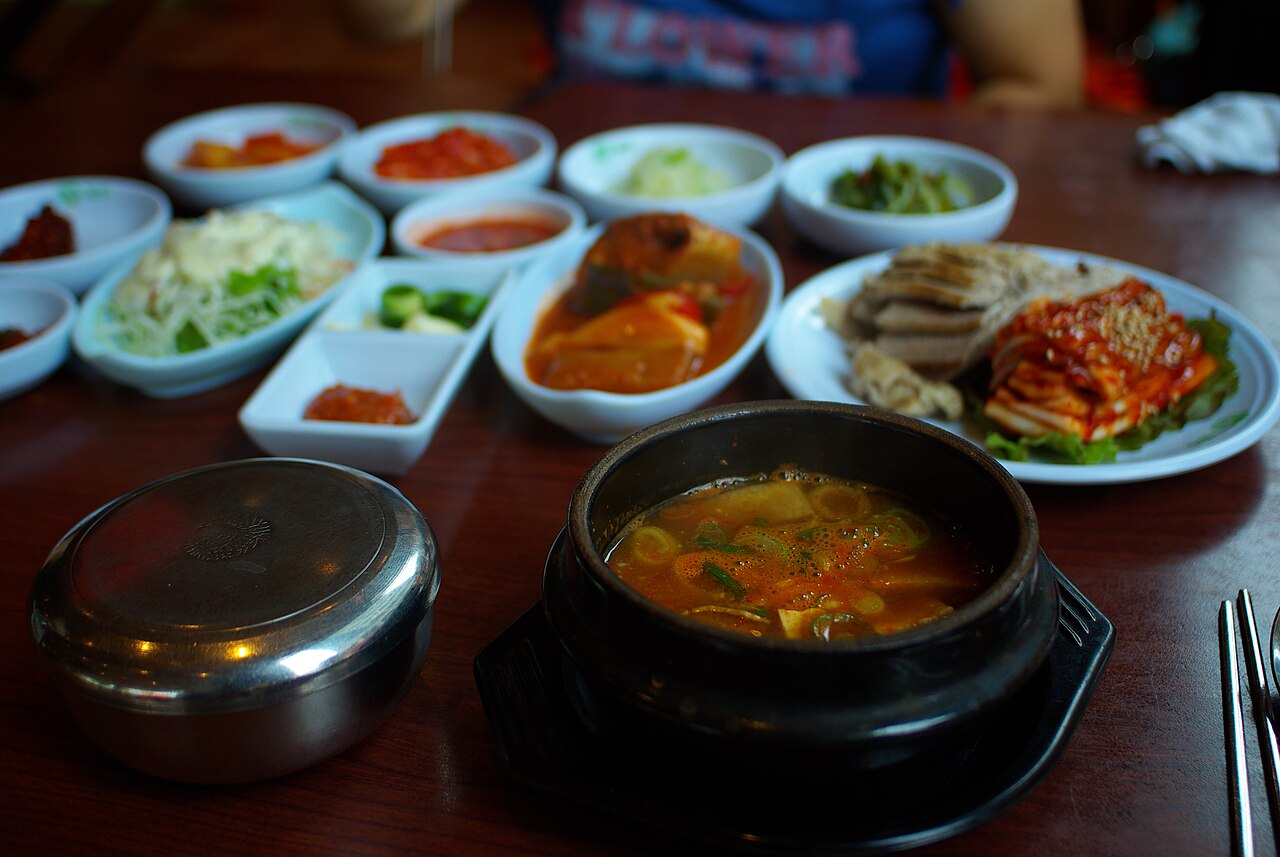
Doenjang-jjigae: Korean Soybean Paste Stew
Doenjang-jjigae is Korea's quintessential comfort stew made with fermented soybean paste, tofu, zucchini, and vegetables — a daily staple at virtually every Korean table.
Photo: Wikipedia Commons
What Is Doenjang-jjigae?
Doenjang-jjigae (된장찌개) is a thick, savory stew built around doenjang — Korea's deeply fermented soybean paste, comparable in some ways to Japanese miso but with a stronger, more pungent flavor. The stew is made by dissolving doenjang in anchovy or kelp stock, then simmering it with tofu, zucchini, mushrooms, and often a small amount of meat (pork belly or beef) or shellfish (clams or shrimp). The result is a robust, umami-rich stew with layers of fermented depth. It bubbles in a traditional earthenware pot (ttukbaegi) and is served piping hot alongside a bowl of rice. Almost every Korean home and restaurant serves some version of doenjang-jjigae daily. The stew has an assertive, earthy flavor that may challenge first-time tasters, but it quickly becomes one of the most craveable dishes in Korean cuisine.
History & Origins
Doenjang itself has been a cornerstone of Korean cuisine for over two thousand years. Archaeological evidence and historical texts confirm that Koreans were fermenting soybeans into paste long before written records, and doenjang appears throughout Joseon Dynasty cookbooks as a fundamental flavoring agent. Homemade doenjang was traditionally made in large earthenware jars (onggi) buried in the ground or placed on the porch to ferment over months or years. Each household had its own recipe and its own unique flavor profile — and this variety continues today, with artisan doenjang producers still following traditional methods. Doenjang-jjigae as a daily meal represents the Korean philosophy of 'bap-sang' (밥상) — the complete meal centered around rice, with hot soup and numerous side dishes. It is the soup that most Koreans associate with home cooking and maternal care.
How Koreans Eat It
Doenjang-jjigae is a standard part of the Korean meal set. It is typically eaten alongside rice, kimchi, and one or two other banchan. The stew continues to bubble in its earthenware pot at the table, which keeps it hot throughout the meal.
- ·Eat it with steamed white rice — the stew's intense flavor is meant to be balanced with plain rice
- ·Scoop it with a spoon and eat it alternately with bites of rice, not mixed together
- ·Good doenjang-jjigae should have a balance of salty, earthy, and slightly sweet from the vegetables
- ·Many Koreans add fresh chili peppers for extra heat — ask for extra if you prefer spice
Cultural Significance
In Korean culture, doenjang-jjigae is shorthand for 'mom's cooking' or 'home cooking.' The expression 'doenjang-jjigae smell' evokes an immediate sense of home, warmth, and family for most Koreans. It is the food soldiers miss when deployed, the food expats cook when homesick, and the dish that defines comfort. There is also a famous Korean proverb: 'Even if the doenjang is a bit salty, it is the taste of home' — capturing how familiarity and emotional connection can make even an imperfect meal deeply satisfying. Doenjang-jjigae's deeply rooted place in Korean culture makes it essential for anyone wanting to understand Korean food beyond its trendy exports.
Tips
- 💡Try ordering a set meal (백반, baekban) at a traditional Korean restaurant — it almost always includes doenjang-jjigae
- 💡The quality of doenjang varies enormously — look for restaurants that advertise homemade or artisan doenjang for the best flavor
- 💡If the stew tastes too strong, scoop some broth over your rice to dilute it slightly — this is a natural way to eat it
Last updated: April 1, 2026
You might also like
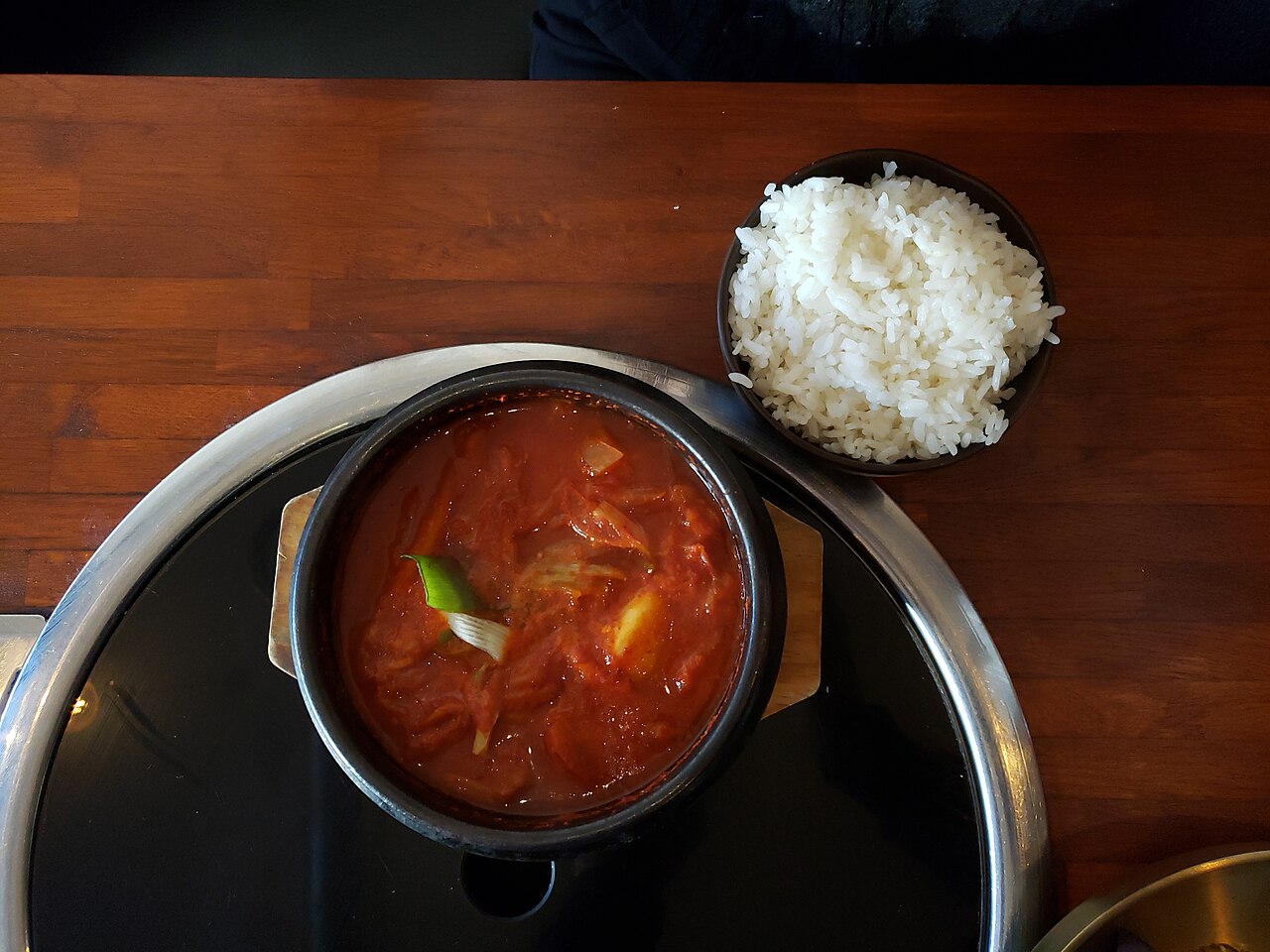
Kimchi Jjigae: Korea's Most Comforting Stew
Bubbling hot, deep red, and unmistakably Korean — kimchi jjigae is the stew that every Korean home smells like on a cold evening.
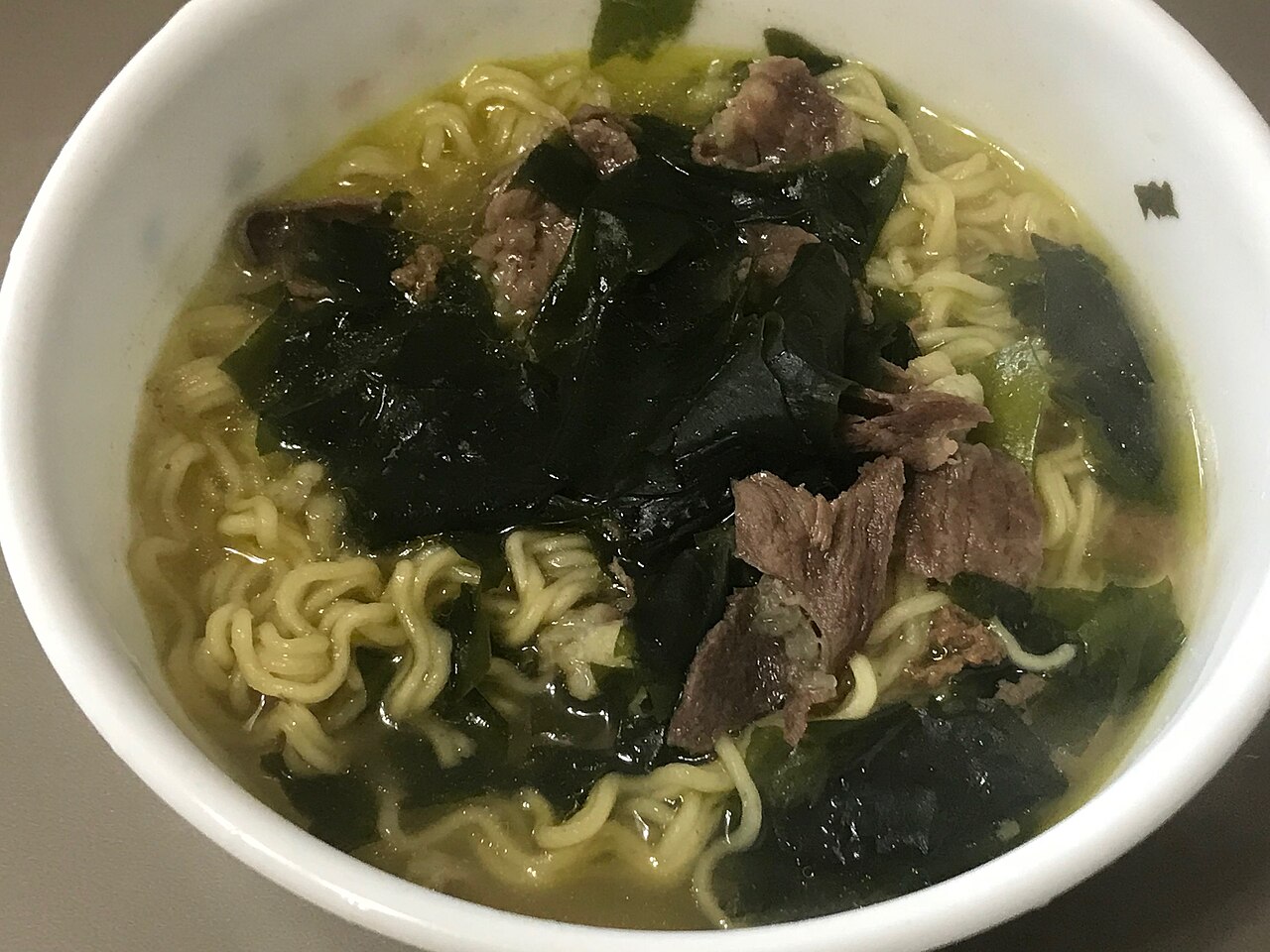
Miyeok-guk: The Birthday Soup That Is Really About Your Mother
Miyeok-guk is the seaweed soup every Korean eats on their birthday — a tradition that began as postpartum recovery food and became an annual act of gratitude to one's mother.
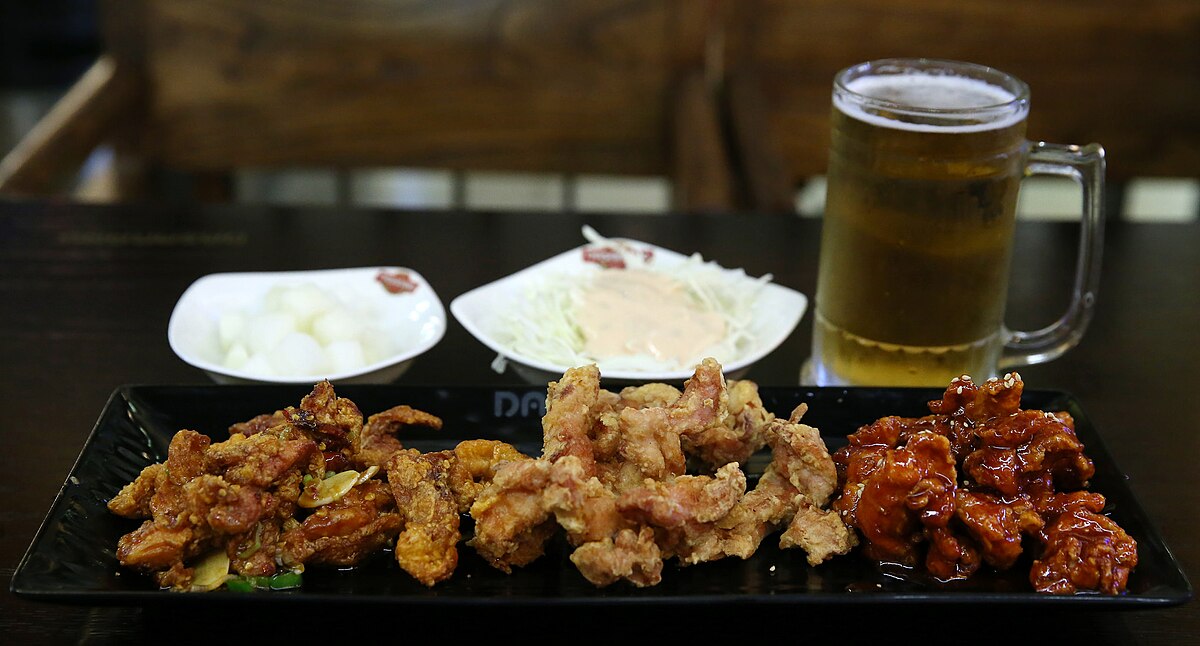
Chimaek: Why Korean Fried Chicken Is the World's Best
Korea has more fried chicken restaurants than McDonald's has locations worldwide. Here's the science and culture behind the crunch.