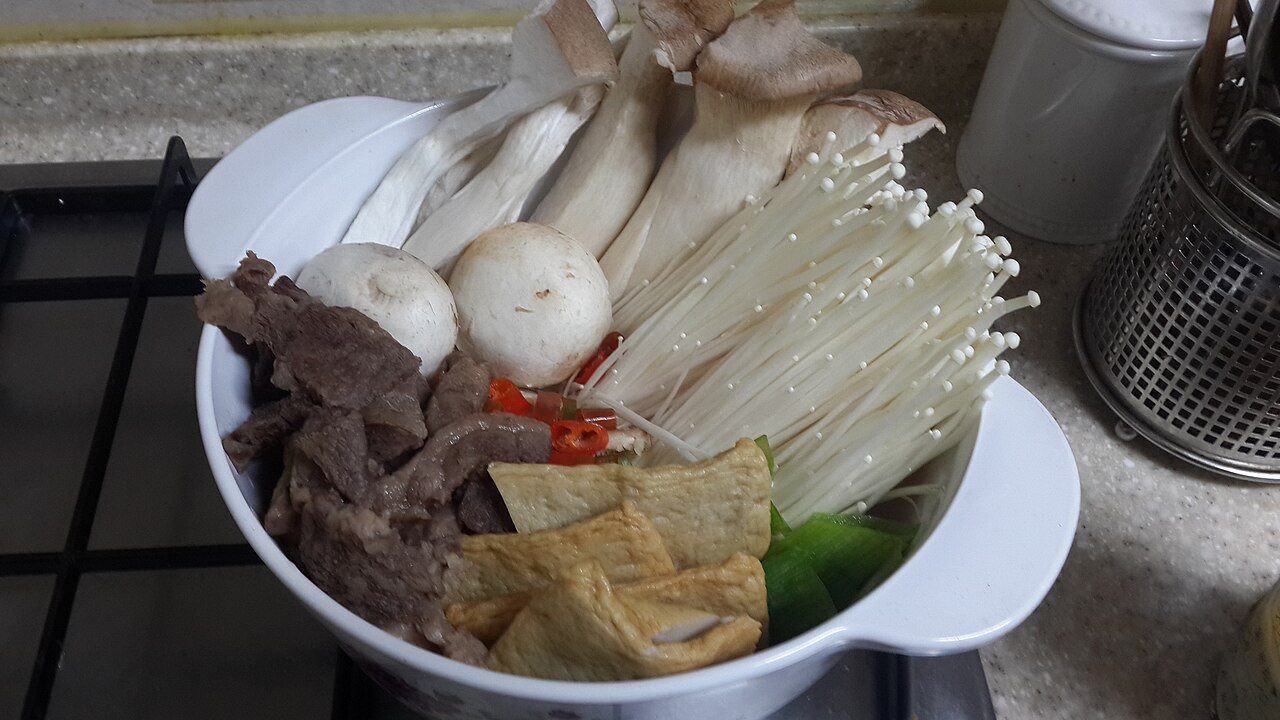
Eomuk: Korea's Fish Cake Skewer Culture
Soft fish cake skewers simmered in savory broth — a beloved Korean street food fixture that warms body and soul.
Photo: Wikipedia Commons
What Is Eomuk?
Eomuk (어묵) — also commonly called odeng (오뎅), a word borrowed from the Japanese 'oden' — is a processed fish cake made from pureed white fish (typically Alaska pollock or croaker) mixed with starch, vegetables, and seasoning, then shaped into sheets, tubes, or balls and cooked by steaming, frying, or boiling. In its street food context, eomuk is most commonly sold as long, flat sheets folded accordion-style onto wooden skewers and simmered in a large, steaming pot of clear broth anchored with dried kelp (dashima) and onion. The fish cake absorbs the flavors of the broth as it cooks, developing a savory, umami-rich taste. The broth itself — lightly golden, clean, and deeply comforting — is served free in small paper cups alongside the skewers. The texture of eomuk is uniquely satisfying: springy and slightly chewy with a firm bite, not unlike a soft sausage but with a cleaner, lighter flavor. It is not strongly fishy — the processing and flavoring give it a mild, savory character that appeals broadly. Quality varies significantly between fresh artisanal eomuk (particularly from Busan) and mass-produced supermarket varieties.
History & Origins
The fish cake tradition that became Korean eomuk was introduced during the Japanese colonial period (1910–1945) through the Japanese practice of oden — a hot pot dish featuring various ingredients including cylindrical fish cakes (chikuwa) simmered in dashi broth. Korean vendors adapted the format, creating their own regional versions using Korean fish species and broth ingredients. Busan, as a major port city with abundant access to fresh fish and longstanding Japanese commercial connections, became the center of Korean eomuk production. The Busan-style eomuk — made from higher proportions of fresh fish with less starch filler — developed a reputation for superior quality and flavor that persists today. Busan eomuk has become a regional pride, and branded Busan eomuk products are sold as souvenirs across Korea. In the late 20th and early 21st centuries, the industrial production of eomuk expanded dramatically, bringing standardized fish cakes to supermarkets, convenience stores, and restaurant kitchens nationwide. Eomuk is now used not only as street food but as a primary ingredient in tteokbokki (spicy rice cake dish), oden hot pot (a Korean adaptation of Japanese oden), and various soups and stir-fries.
How Koreans Eat It
Street eomuk culture follows a set of informal conventions that are worth knowing.
- ·The free broth: The clear broth in the pot is free and unlimited. Pick up a paper cup from the stack by the cart, ladle it yourself from the pot, and sip it alongside or between skewers. This is not optional — the broth is considered equal in importance to the fish cake itself.
- ·Tteokbokki pairing: Eomuk and tteokbokki (spicy rice cakes) are the natural combination — the mild, savory fish cake balances the heat and sweetness of the tteokbokki sauce. Most street stalls sell both from the same cart.
- ·Dipping sauce: Some vendors provide a light dipping sauce (soy-based) alongside the broth, though the broth itself is sufficient seasoning for most people.
- ·Eomuk-tang (어묵탕): A home or restaurant dish featuring various shapes of eomuk simmered in a more seasoned broth with vegetables — a cold-weather comfort food staple.
- ·Fried eomuk: Disk or ball-shaped eomuk that has been deep-fried rather than simmered has a crispier exterior — found in bunsik (snack food) restaurants alongside tteokbokki and twigim.
Cultural Significance
Eomuk's place in Korean urban culture is surprisingly emotionally resonant for what is a relatively simple processed food product. The image of a tired office worker standing at an outdoor eomuk cart on a cold evening, eating fish cake skewers while sipping hot broth and staring into the middle distance, is a recurring motif in Korean film, television, and literature — a symbol of the small comforts that sustain city life. The free broth practice is particularly culturally significant. In a restaurant economy where every item is priced and portioned, the eomuktang cart's tradition of freely replenishing broth cups represents an older ethic of hospitality and generosity — a remnant of a less transactional food culture. Regulars at neighborhood eomuk stalls often develop relationships with the vendors over years, exchanging brief conversations about the weather and the neighborhood while drinking broth. Busan's Jagalchi Market area and its surrounding eomuk alley (어묵 골목) are considered the spiritual home of authentic Korean fish cake. Premium Busan eomuk sets, packaged in elegant boxes, have become one of the most popular Korean food souvenirs purchased by both domestic and international tourists.
Tips
- 💡Always take a cup of the simmering broth — it is free and is genuinely one of the best flavor experiences at a Korean street food cart.
- 💡The Busan Jagalchi Market area is the best place to experience freshly made high-quality eomuk — look for stalls with a visible steamer and fresh batches being prepared.
- 💡In winter, eating eomuk at an outdoor cart while standing in the cold is part of the experience — choosing a heated indoor table misses the point.
Last updated: March 30, 2026
You might also like
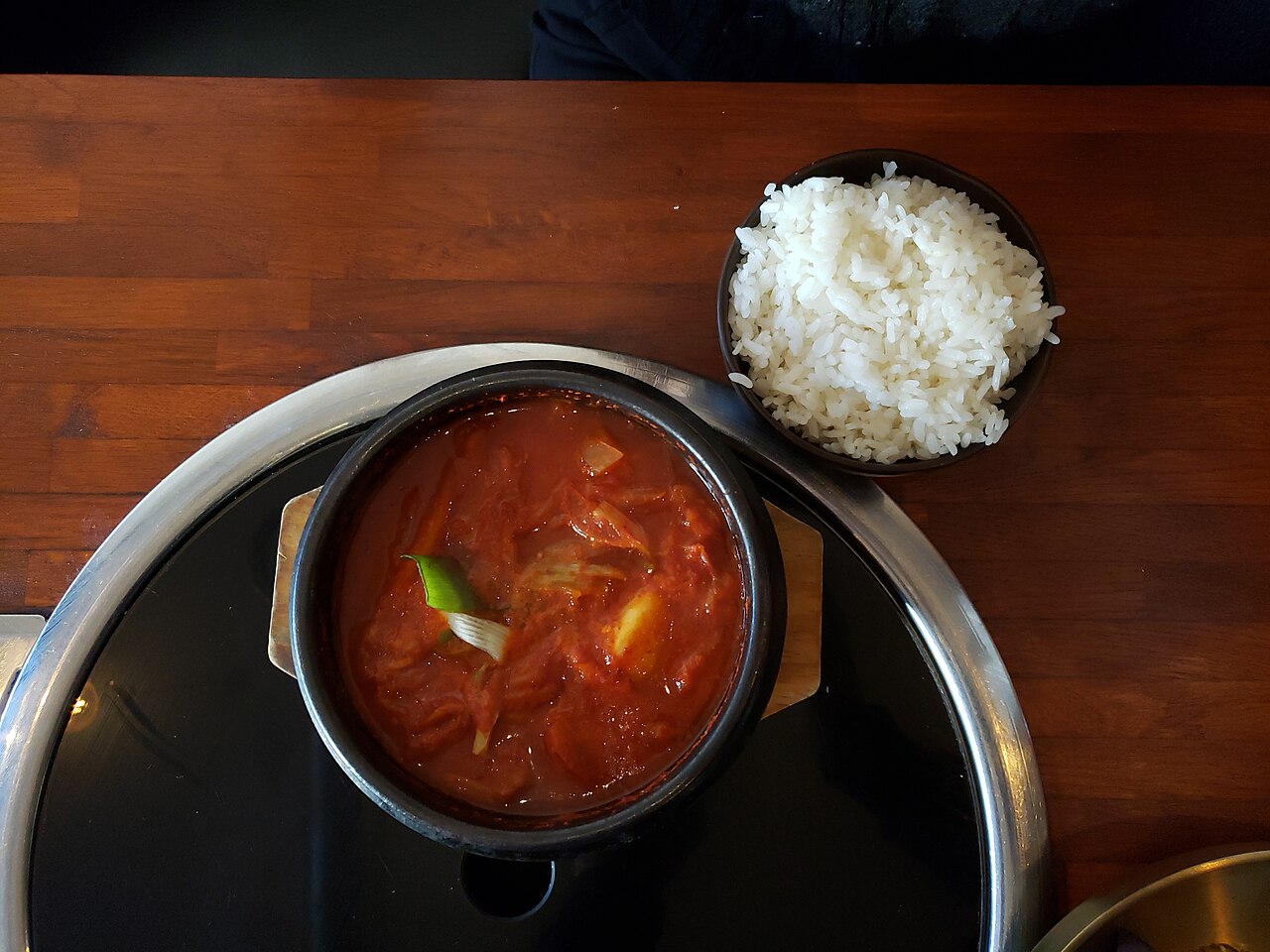
Kimchi Jjigae: Korea's Most Comforting Stew
Bubbling hot, deep red, and unmistakably Korean — kimchi jjigae is the stew that every Korean home smells like on a cold evening.
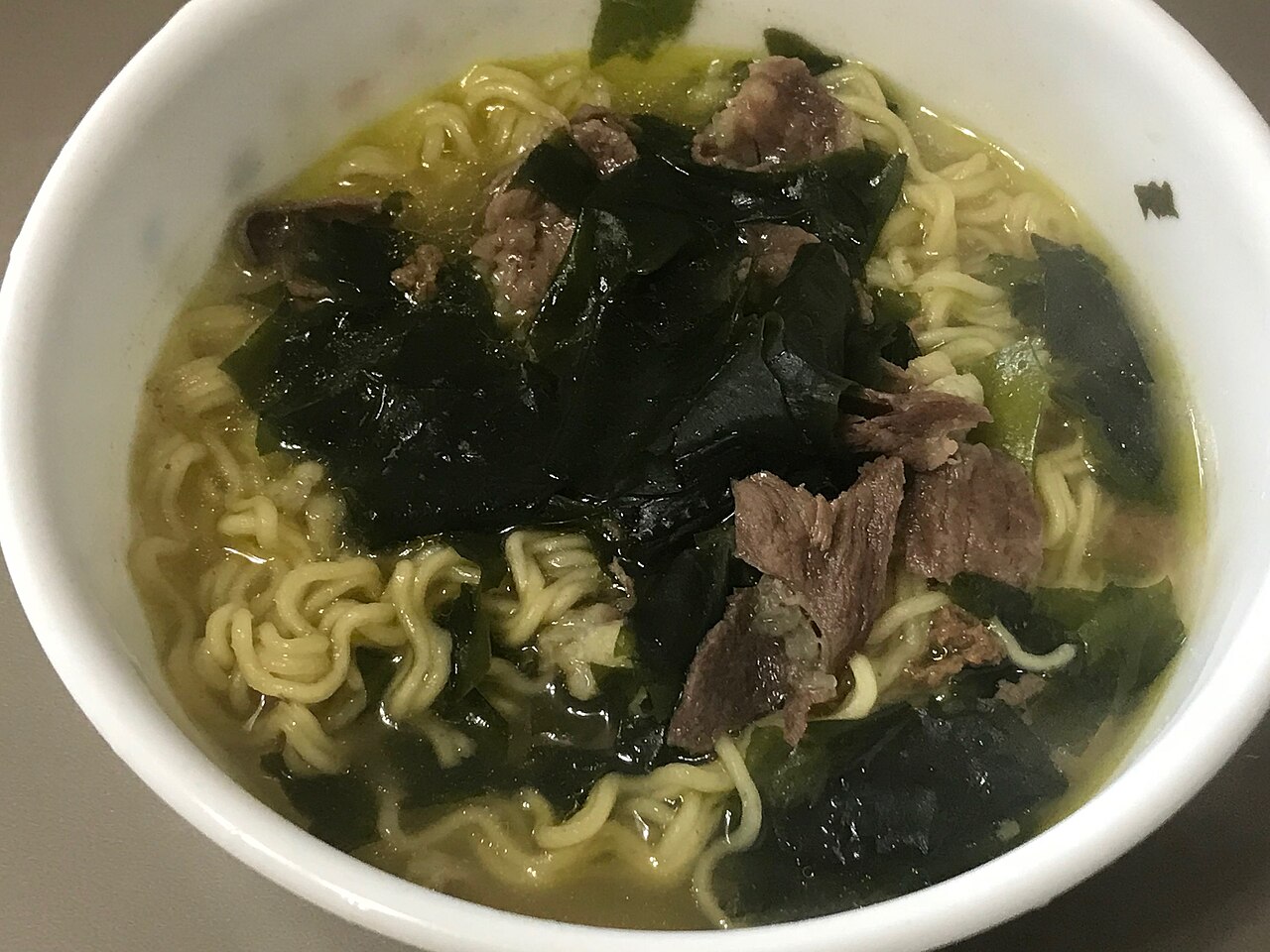
Miyeok-guk: The Birthday Soup That Is Really About Your Mother
Miyeok-guk is the seaweed soup every Korean eats on their birthday — a tradition that began as postpartum recovery food and became an annual act of gratitude to one's mother.
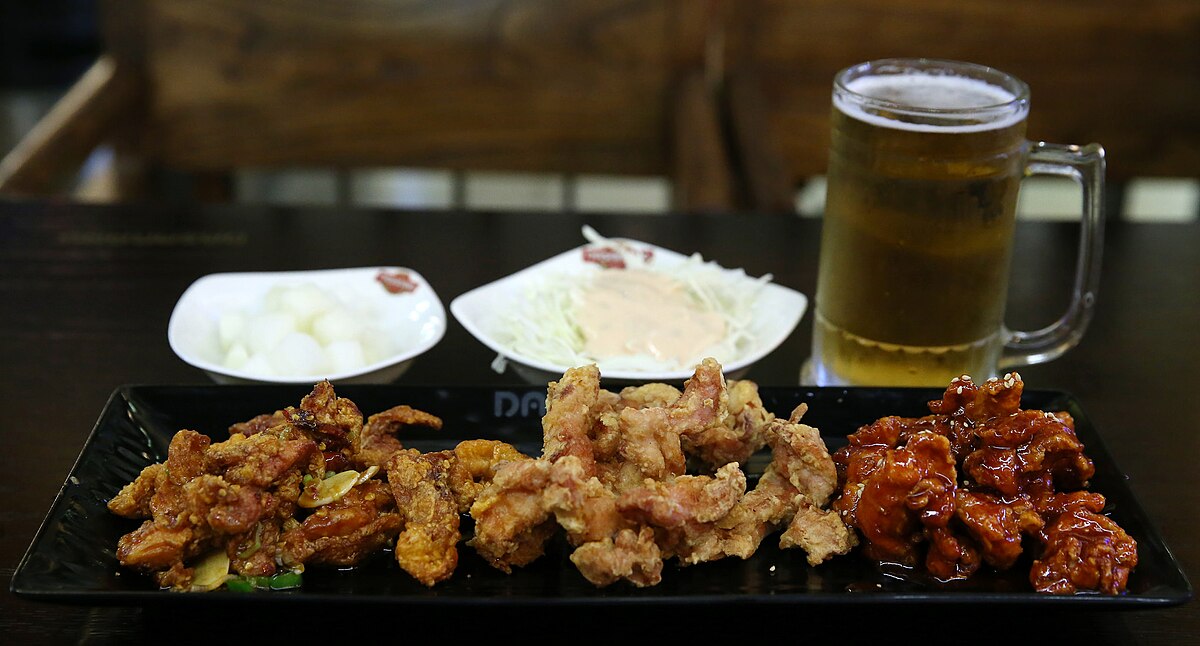
Chimaek: Why Korean Fried Chicken Is the World's Best
Korea has more fried chicken restaurants than McDonald's has locations worldwide. Here's the science and culture behind the crunch.