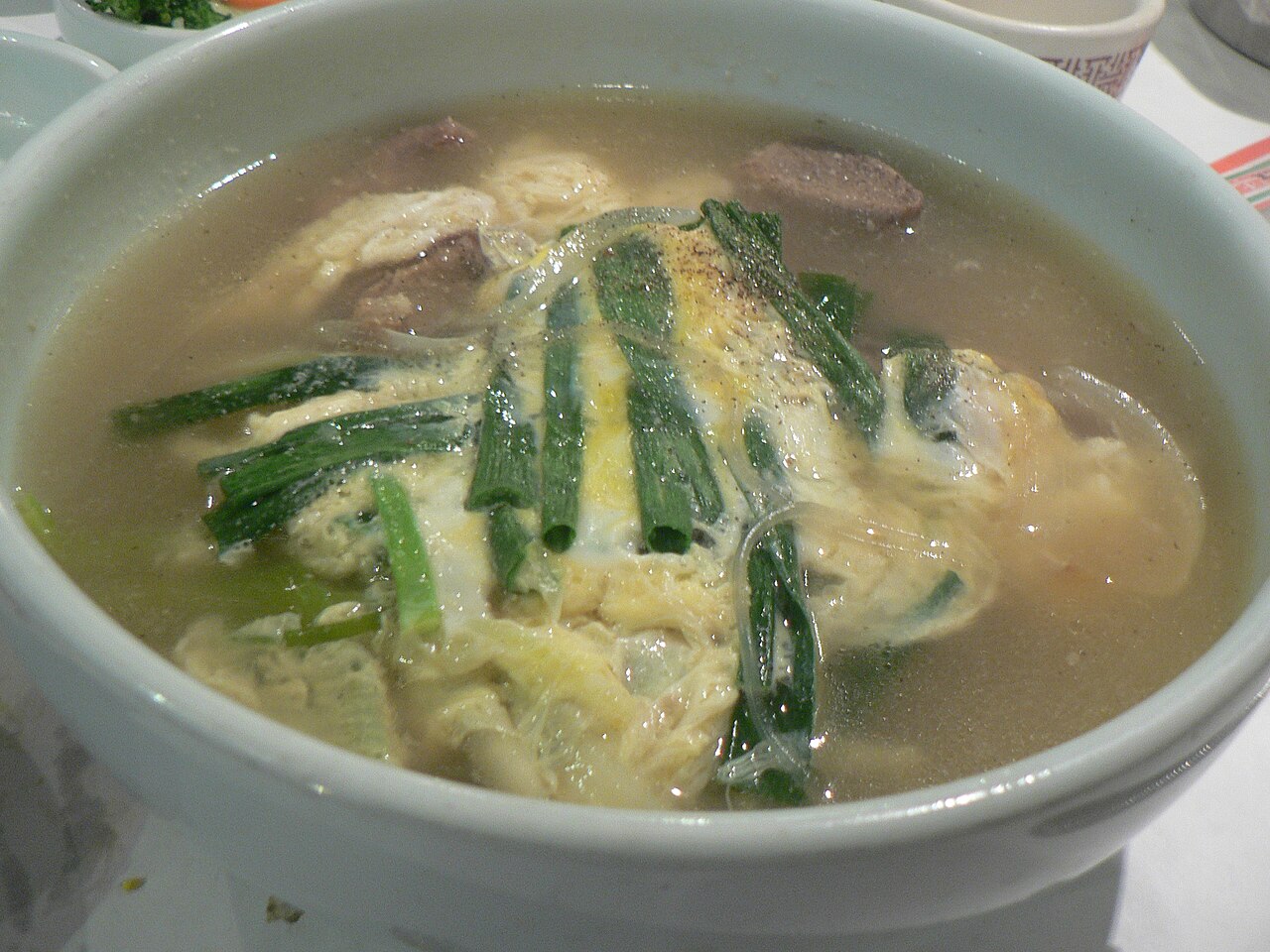
Galbi-tang: Korean Short Rib Clear Soup
Galbi-tang is an elegant, clear-broth Korean soup made from slow-simmered beef short ribs, prized for its clean yet deeply rich flavor.
Photo: Wikipedia Commons
What Is Galbi-tang?
Galbi-tang (갈비탕) is a refined Korean beef soup made by simmering beef short ribs (galbi) for several hours until the meat is fall-off-the-bone tender and the broth turns a clear, golden color. Unlike many Korean soups that are spicy or heavily seasoned, galbi-tang is mild, clean, and delicately flavored. The soup typically contains short ribs, radish (mu), glass noodles (dangmyeon), and sometimes jujubes or garlic. It is seasoned minimally — often just with salt and black pepper at the table — allowing the natural richness of the beef to speak for itself. A garnish of thin egg strips and green onions is standard. Galbi-tang is considered a premium, restorative soup in Korean cuisine, often eaten on special occasions or when someone needs nourishment and comfort.
History & Origins
Galbi-tang has roots in the royal cuisine of the Joseon Dynasty, where beef was highly prized and clear, refined broths were considered the mark of sophisticated cooking. The dish appears in historical royal court recipe collections, indicating that it was served at the highest levels of Korean society. The technique of long, slow simmering to achieve a clear, fat-skimmed broth without clouding the liquid is a hallmark of traditional Korean court cooking. This stands in contrast to seolleongtang (milky ox bone soup), which is simmered at a rolling boil to create its characteristic white opaque broth. Over time, galbi-tang became accessible to ordinary Koreans and is now found at restaurants across the country, though it retains its reputation as a somewhat special or celebratory food.
How Koreans Eat It
Galbi-tang is typically served in a stone pot (dolsot) or regular bowl alongside a bowl of steamed rice and several banchan (side dishes). The diner seasons the soup themselves with salt and pepper at the table.
- ·Add salt gradually to taste — the broth should be lightly seasoned so the beef flavor shines
- ·Mix rice directly into the broth or eat it alongside — both methods are acceptable
- ·The radish pieces in the soup are soft and sweet after long simmering — don't leave them behind
- ·Galbi-tang is commonly eaten as a recovery meal after illness or physical exertion in Korean culture
Cultural Significance
In Korean culture, galbi-tang occupies the space between everyday food and celebration food. It is one of the dishes Koreans reach for when they want to express care — making it for a sick family member, serving it at a gathering for elders, or ordering it at a restaurant when they want something both nourishing and a little indulgent. The dish also reflects a broader value in Korean culinary culture: the belief that truly good food comes from patience, quality ingredients, and restraint rather than complexity. Galbi-tang's simplicity is its virtue — a beautifully clear bowl of soup that took hours to make.
Tips
- 💡At restaurants, galbi-tang is often a premium item — expect to pay more than average for a bowl
- 💡The best galbi-tang has a broth that is completely clear and golden, not cloudy or brown — this indicates proper technique
- 💡Pair with kkakdugi (cubed radish kimchi) as a side — its crunch and spice complement the mild soup perfectly
Last updated: April 1, 2026
You might also like
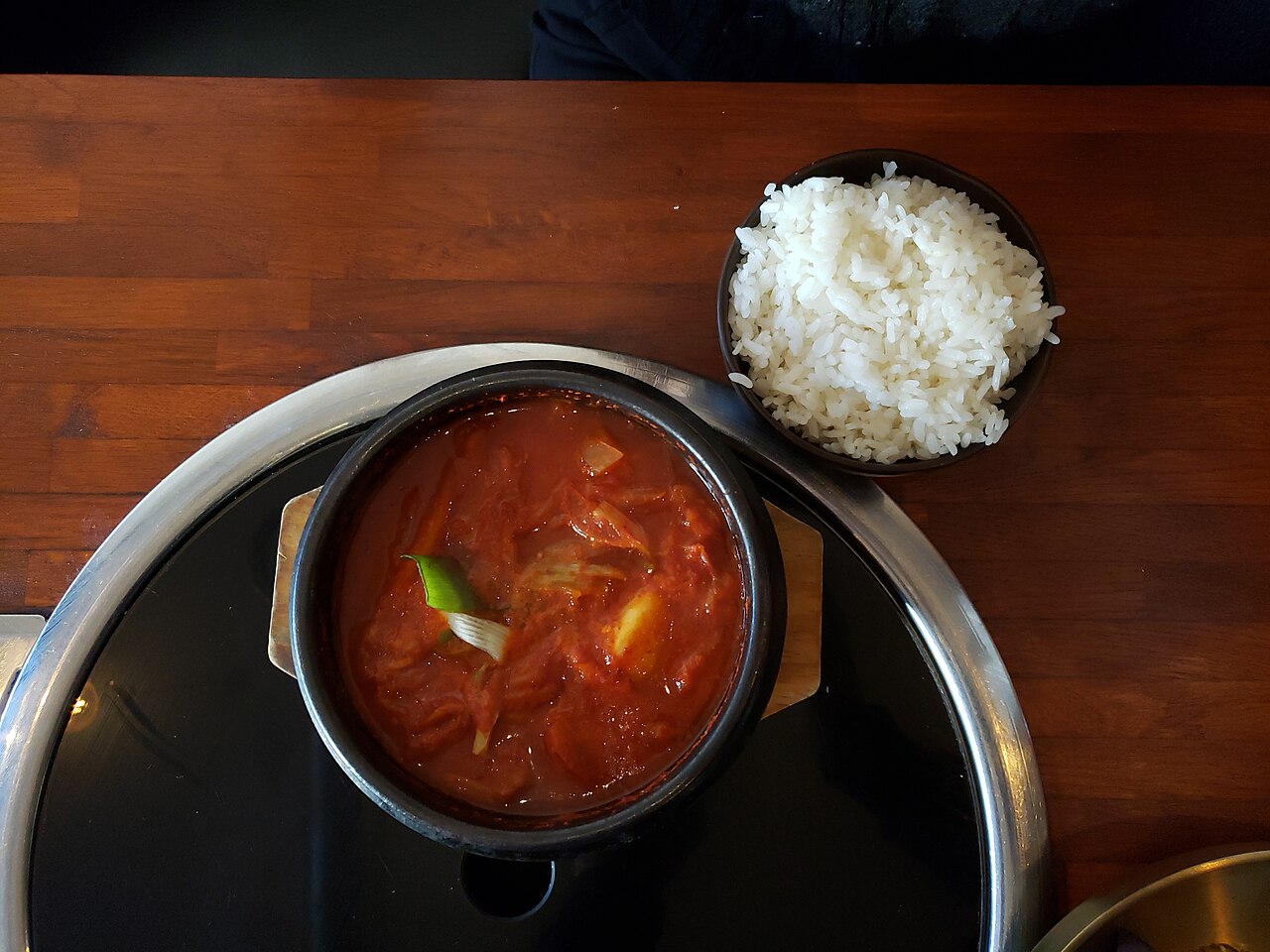
Kimchi Jjigae: Korea's Most Comforting Stew
Bubbling hot, deep red, and unmistakably Korean — kimchi jjigae is the stew that every Korean home smells like on a cold evening.
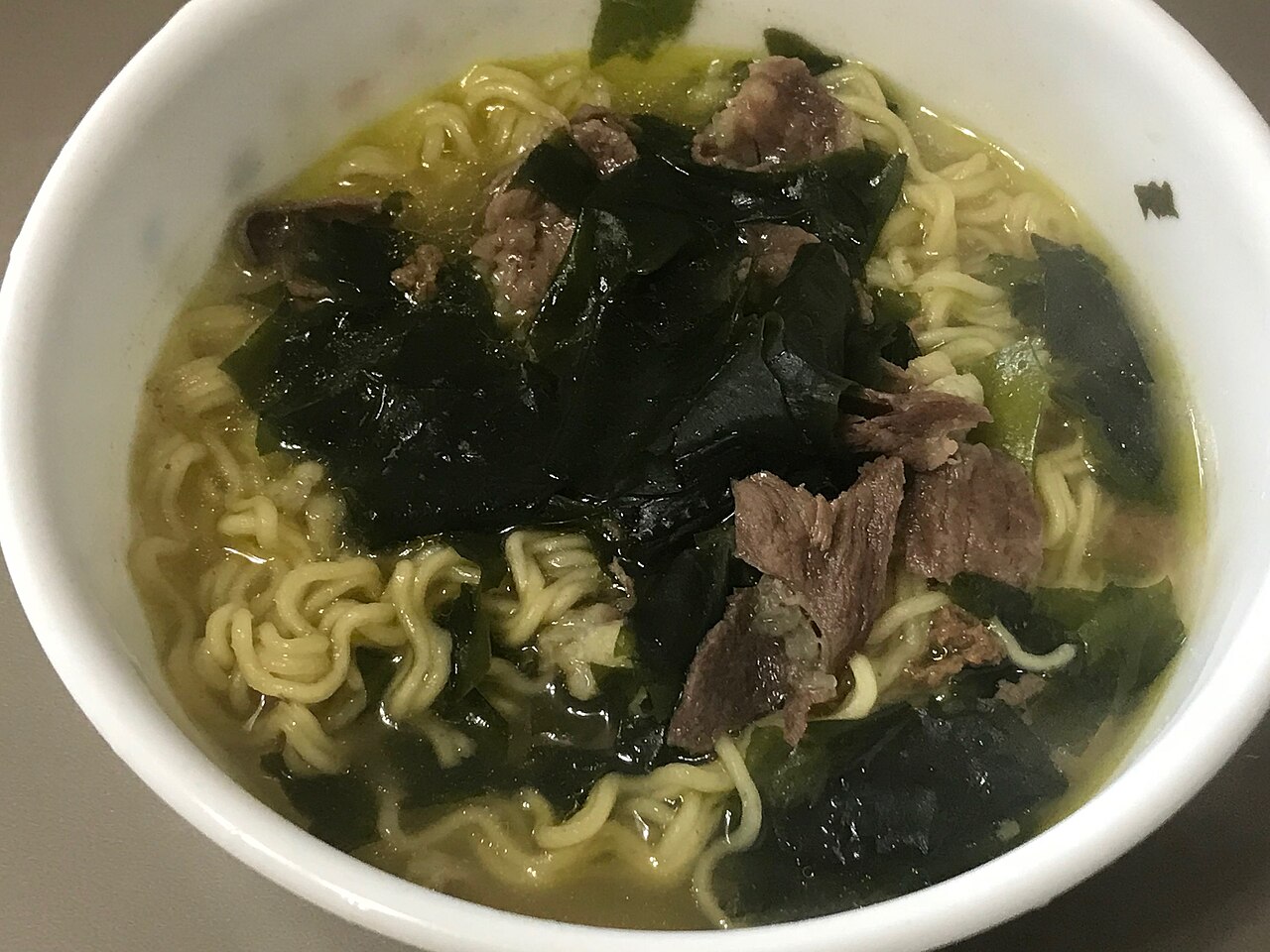
Miyeok-guk: The Birthday Soup That Is Really About Your Mother
Miyeok-guk is the seaweed soup every Korean eats on their birthday — a tradition that began as postpartum recovery food and became an annual act of gratitude to one's mother.
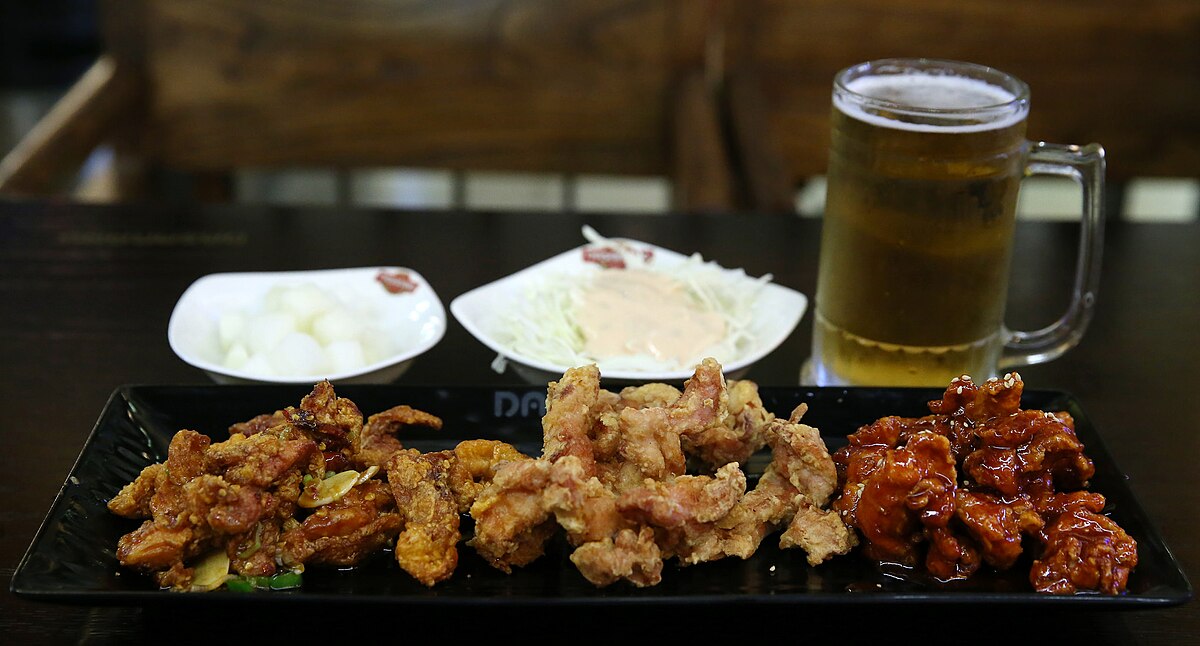
Chimaek: Why Korean Fried Chicken Is the World's Best
Korea has more fried chicken restaurants than McDonald's has locations worldwide. Here's the science and culture behind the crunch.