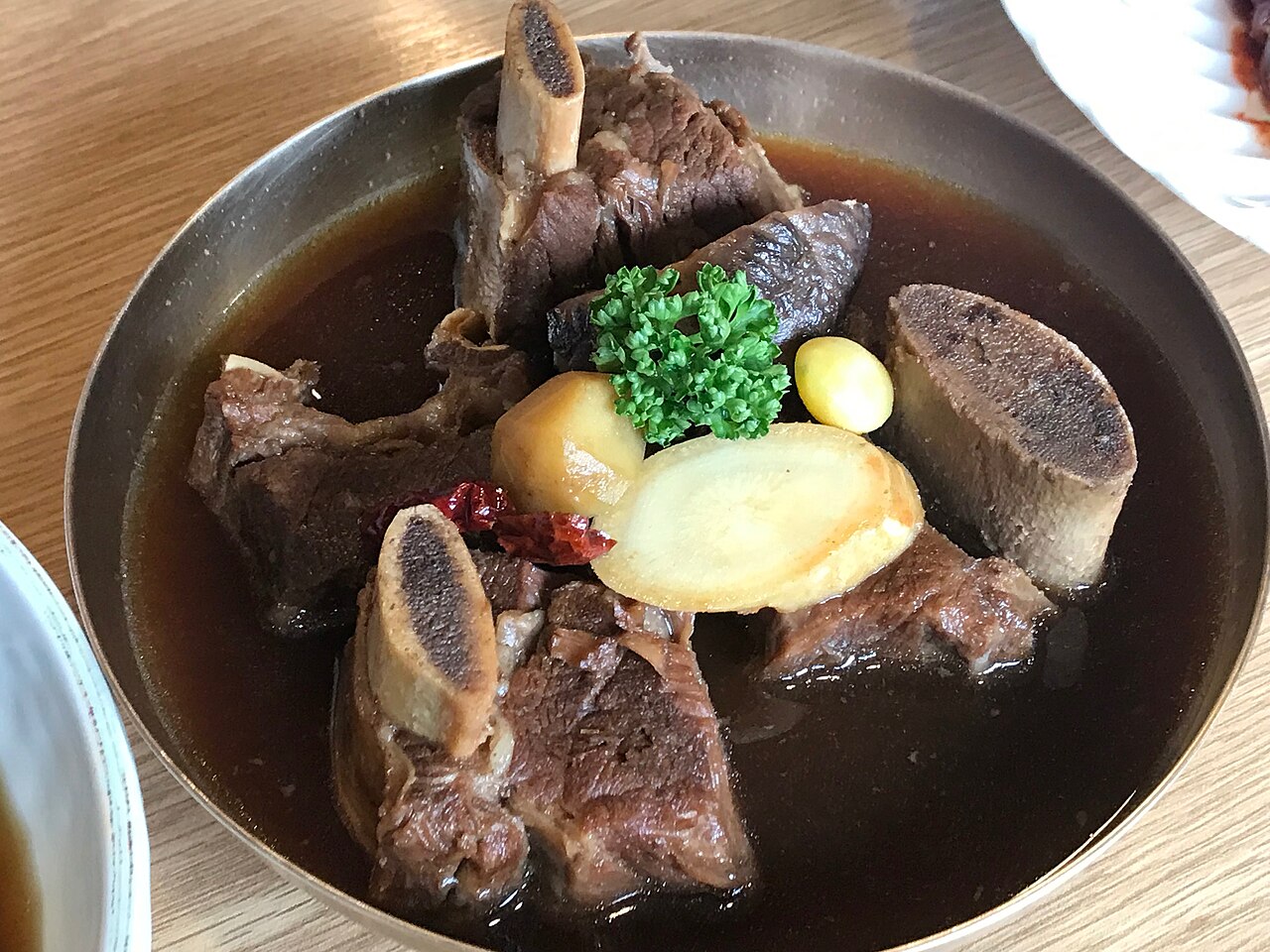
Galbijjim: Korean Braised Short Ribs
Galbijjim is a Korean celebration dish of beef short ribs braised in a rich soy sauce with chestnuts, jujubes, and carrots until meltingly tender — a symbol of festive Korean cooking.
Photo: Wikipedia Commons
What Is Galbijjim?
Galbijjim (갈비찜) is a Korean braised short rib dish considered one of the pinnacles of Korean home cooking and restaurant cuisine. Beef short ribs (or sometimes pork ribs) are scored and soaked in water to remove blood, then simmered for 1 to 2 hours in a braising liquid of soy sauce, garlic, ginger, sugar, pear or Asian apple juice (for natural sweetness and tenderizing enzymes), sesame oil, and black pepper. The long braising creates ribs so tender they fall cleanly from the bone with barely any effort. The sauce reduces to a thick, glossy, deeply sweet-savory glaze that coats the meat and the accompanying vegetables — typically radish, carrots, chestnuts (bam), jujubes (daecchu), and mushrooms (shiitake or pyogo). The chestnuts and jujubes give galbijjim a distinctive seasonal character and a hint of natural sweetness that elevates it from mere braised meat to something complex and layered.
History & Origins
Galbijjim is documented in Joseon Dynasty court cookbooks and was considered a noble, refined dish due to the expense and prestige of beef in Korean culinary history. Beef was not widely available to ordinary Koreans until relatively recently — it was reserved for royalty, nobles, and special occasions. Galbijjim, which requires not only beef but a premium cut (short ribs), was therefore a dish that signaled wealth and celebration. The inclusion of chestnuts and jujubes connects the dish to the Korean medicinal food tradition (hanbang), where both ingredients are considered nourishing and auspicious. Jujubes in particular are associated with good fortune and fertility in Korean culture, making galbijjim an appropriate dish for celebrations and ceremonies. Over time, as beef became more accessible, galbijjim became a mainstream celebration food — the dish of choice for Korean birthdays, holidays, and special family meals.
How Koreans Eat It
Galbijjim is a celebration dish and is typically served at Korean holiday tables, birthdays, and family feasts rather than as everyday food. It is a main course served with rice and an array of banchan.
- ·Use chopsticks to pull the tender meat off the bone — it should release effortlessly when properly cooked
- ·Eat the braising vegetables (radish, carrot, chestnuts) alongside the meat — they absorb all the flavor and are essential
- ·The braising sauce served with rice makes one of the best rice dishes possible — ask for extra sauce
- ·Visit a traditional Korean restaurant during Chuseok or Seollal when galbijjim is featured as part of the holiday menu
Cultural Significance
Galbijjim is Korea's celebratory braised meat dish — the Korean equivalent of the pot roast or the Sunday roast in Western cultures. Its presence on the table signals a special occasion, and its preparation (which takes several hours) communicates the care and effort invested in the meal. In Korean culture, the labor involved in making galbijjim is itself a form of love. When a Korean grandmother makes galbijjim for a grandchild's birthday, the hours of preparation are understood as an expression of deep affection. The taste of galbijjim is therefore inseparable from feelings of being cared for and cherished.
Tips
- 💡Quality of the ribs matters enormously — look for well-marbled short ribs for the most tender, flavorful result
- 💡The natural sweetness from pear or apple juice is traditional and cannot be replicated with sugar alone — it also tenderizes the meat
- 💡At upscale Korean restaurants, galbijjim is often a signature premium dish — a worthwhile splurge for the experience
Last updated: April 1, 2026
You might also like
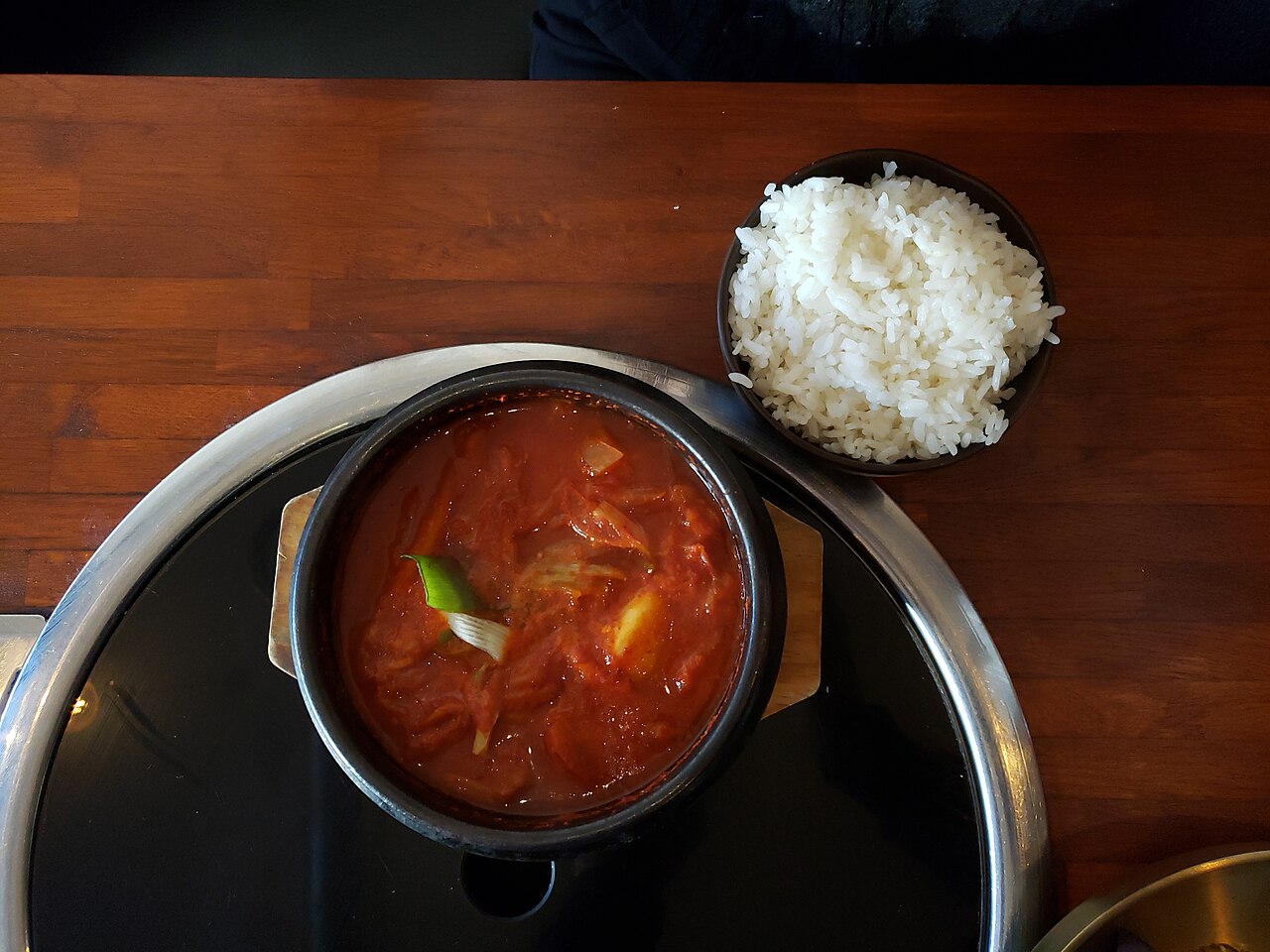
Kimchi Jjigae: Korea's Most Comforting Stew
Bubbling hot, deep red, and unmistakably Korean — kimchi jjigae is the stew that every Korean home smells like on a cold evening.
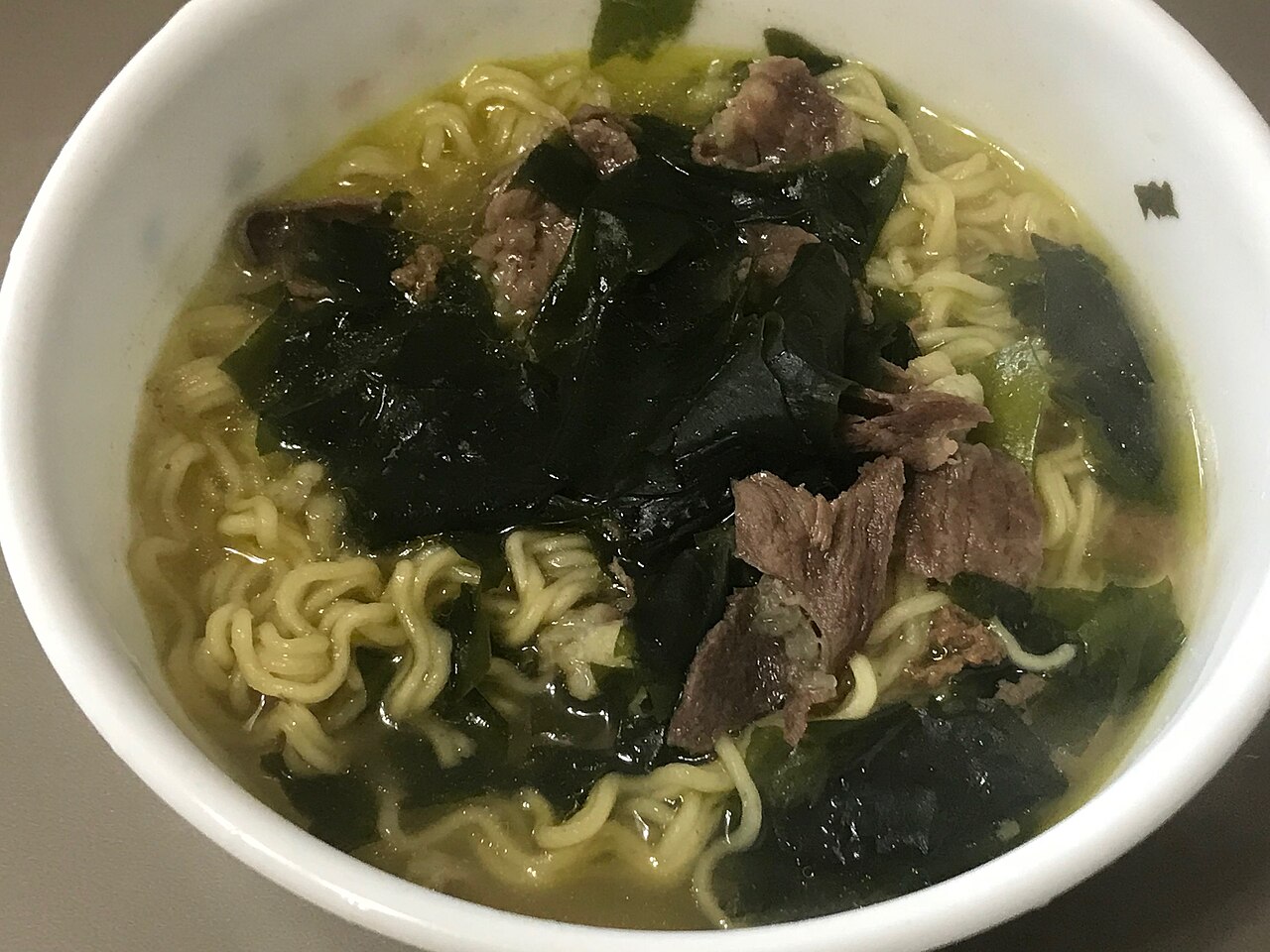
Miyeok-guk: The Birthday Soup That Is Really About Your Mother
Miyeok-guk is the seaweed soup every Korean eats on their birthday — a tradition that began as postpartum recovery food and became an annual act of gratitude to one's mother.
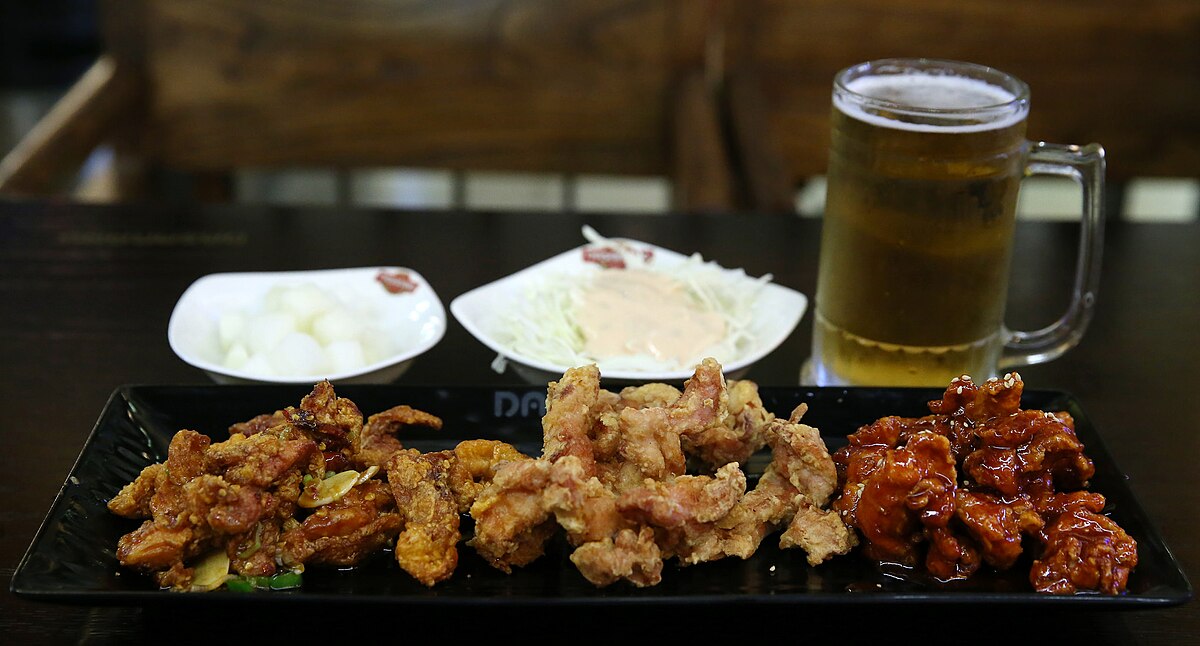
Chimaek: Why Korean Fried Chicken Is the World's Best
Korea has more fried chicken restaurants than McDonald's has locations worldwide. Here's the science and culture behind the crunch.