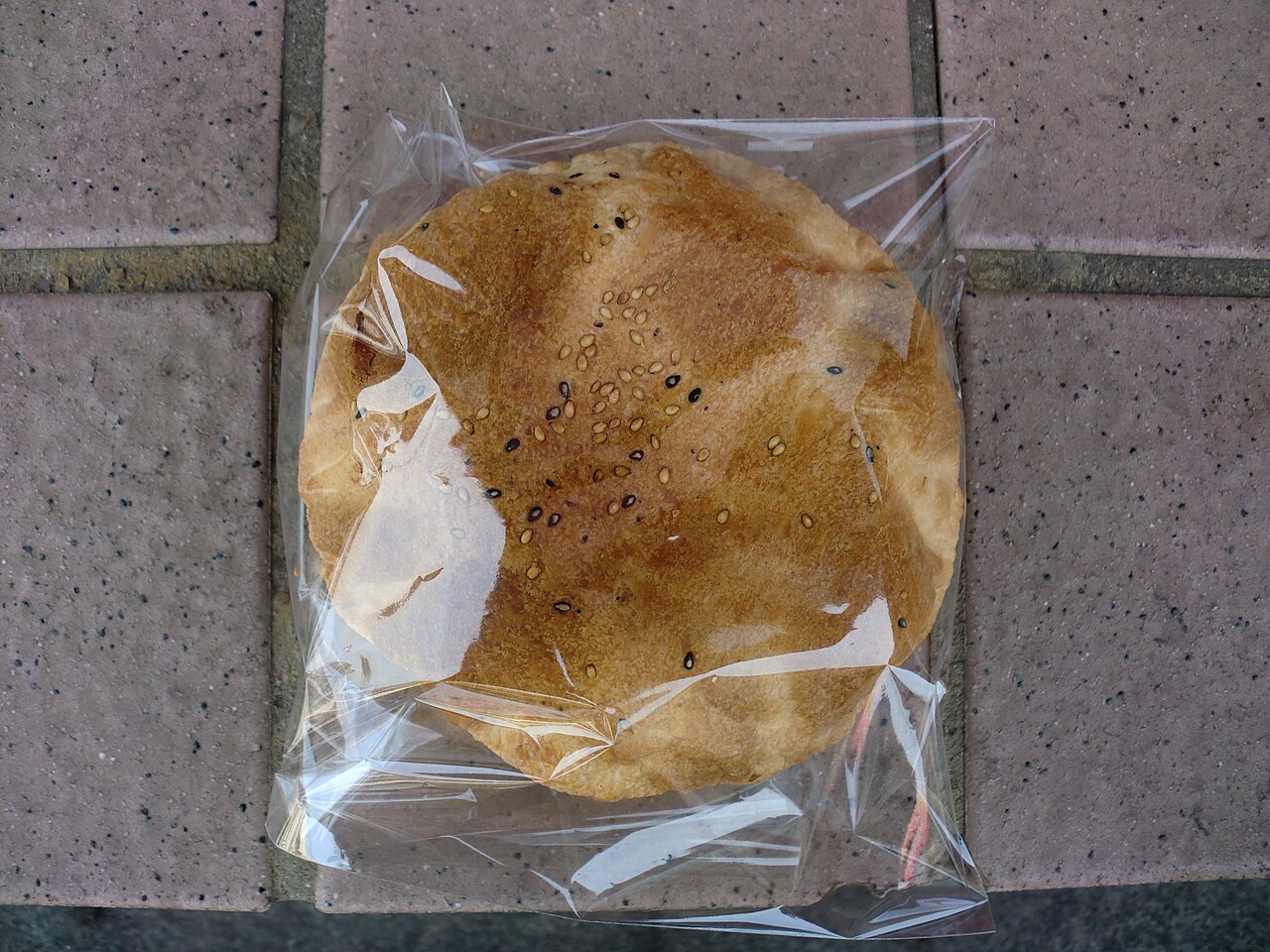
Gonggal Ppang: Gyeongju's Hollow Sesame Bun
Gonggal ppang is a light, hollow fried sesame bun from Gyeongju — a uniquely textured snack that puffs into a crispy golden shell with an airy, empty center, irresistible for its satisfying crunch.
Photo: Wikipedia Commons
What Is Gonggal Ppang?
Gonggal ppang (공갈빵) is a traditional fried pastry from Gyeongju, the ancient capital city of the Silla Kingdom (57 BCE–935 CE) in North Gyeongsang Province. The name means 'bluffing bread' or 'hollow bun' — a reference to the fact that despite its impressive size and satisfying crunch, the inside is completely empty (공갈 means 'bluffing' or 'hollowing' in Korean colloquial speech). The pastry is made from a simple dough of wheat flour, sesame seeds, and minimal sugar, then deep-fried until it puffs into a round, golden orb. The frying process causes the dough to expand dramatically, creating a large, crispy, slightly sesame-scented shell with hollow air inside. The texture is extraordinarily light and crispy — more like a puffed pastry than a bread — and the sesame seeds add a pleasant nutty fragrance. Gonggal ppang is one of Gyeongju's signature local foods, sold in traditional markets and street stalls throughout the city alongside Gyeongju bread (경주빵, the red bean stuffed pastry). Many vendors sell both in the same stall, creating a Gyeongju local snack experience.
History & Origins
The exact origin of gonggal ppang is difficult to pinpoint, but it is deeply associated with Gyeongju's identity as a tourist city with a rich historical legacy. Gyeongju attracts millions of visitors every year who come to see its famous royal tombs, Buddhist temples, and Silla-era artifacts. The city's traditional market area developed a thriving street food culture catering to these visitors, and gonggal ppang became one of the most distinctive and photogenic items. The recipe likely developed from traditional Korean oil-fried pastry techniques combined with Chinese-influenced puffed pastry traditions. The distinctive hollow puff is achieved through precise dough hydration and oil temperature control. Gyeongju's artisan bakers developed and refined the technique over generations, and today certain families and shops are known for producing exceptionally light and perfectly formed gonggal ppang.
How Koreans Eat It
Gonggal ppang is a standalone snack eaten as you explore Gyeongju's markets and historic sites.
- ·Buy a bag of 5 or 10 from a market vendor and eat them while walking — they are light and crunchy and perfect for snacking on the go
- ·Try crushing one between your hands just before eating — hearing and feeling the crunch before the first bite adds to the experience
- ·Pair with barley tea (보리차) or Korean traditional rice punch (식혜) sold by the same vendors for an authentic local snack combination
- ·Buy a combined bag of gonggal ppang and Gyeongju bread (경주빵) to compare the two most famous Gyeongju snacks side by side
Cultural Significance
Gonggal ppang is a beloved part of Gyeongju's food identity. For Korean visitors, especially those who grew up visiting Gyeongju on school field trips — a near-universal experience for Korean schoolchildren given the city's historical significance — the snack carries powerful nostalgic associations. The sight of vendors scooping freshly fried gonggal ppang into paper bags conjures memories of youth and discovery. The snack's playful paradox — impressively large but amusingly empty inside — has made it a beloved subject for social media content. Videos of people crushing the perfectly formed golden spheres get millions of views online, introducing a new generation of Koreans and international viewers to this humble regional specialty. The name itself has become a Korean idiom: calling someone a '공갈빵' means they seem impressive on the outside but are empty inside — a gentle, humorous insult derived directly from this snack.
Tips
- 💡The area around Gyeongju's Jungang Market and near the royal tomb parks (Daereungwon) has the highest concentration of gonggal ppang vendors
- 💡Freshly fried gonggal ppang is infinitely better than packaged versions — the crispiness is lost within hours, so eat them the day of purchase
- 💡Combine your Gyeongju food experience with a visit to the nearby Bulguksa Temple and Seokguram Grotto — UNESCO World Heritage Sites that give context to the city's remarkable history
Last updated: April 1, 2026
You might also like
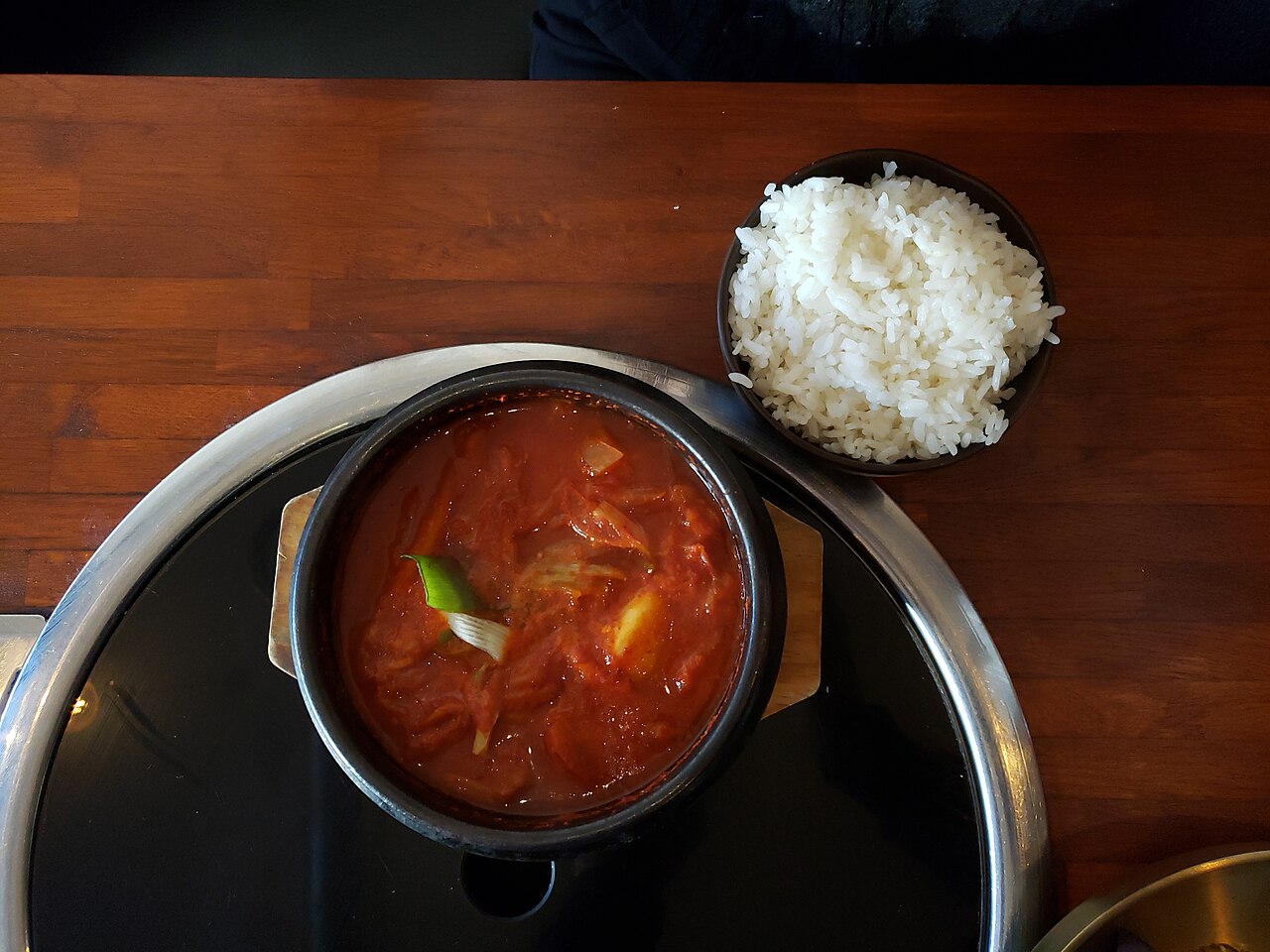
Kimchi Jjigae: Korea's Most Comforting Stew
Bubbling hot, deep red, and unmistakably Korean — kimchi jjigae is the stew that every Korean home smells like on a cold evening.
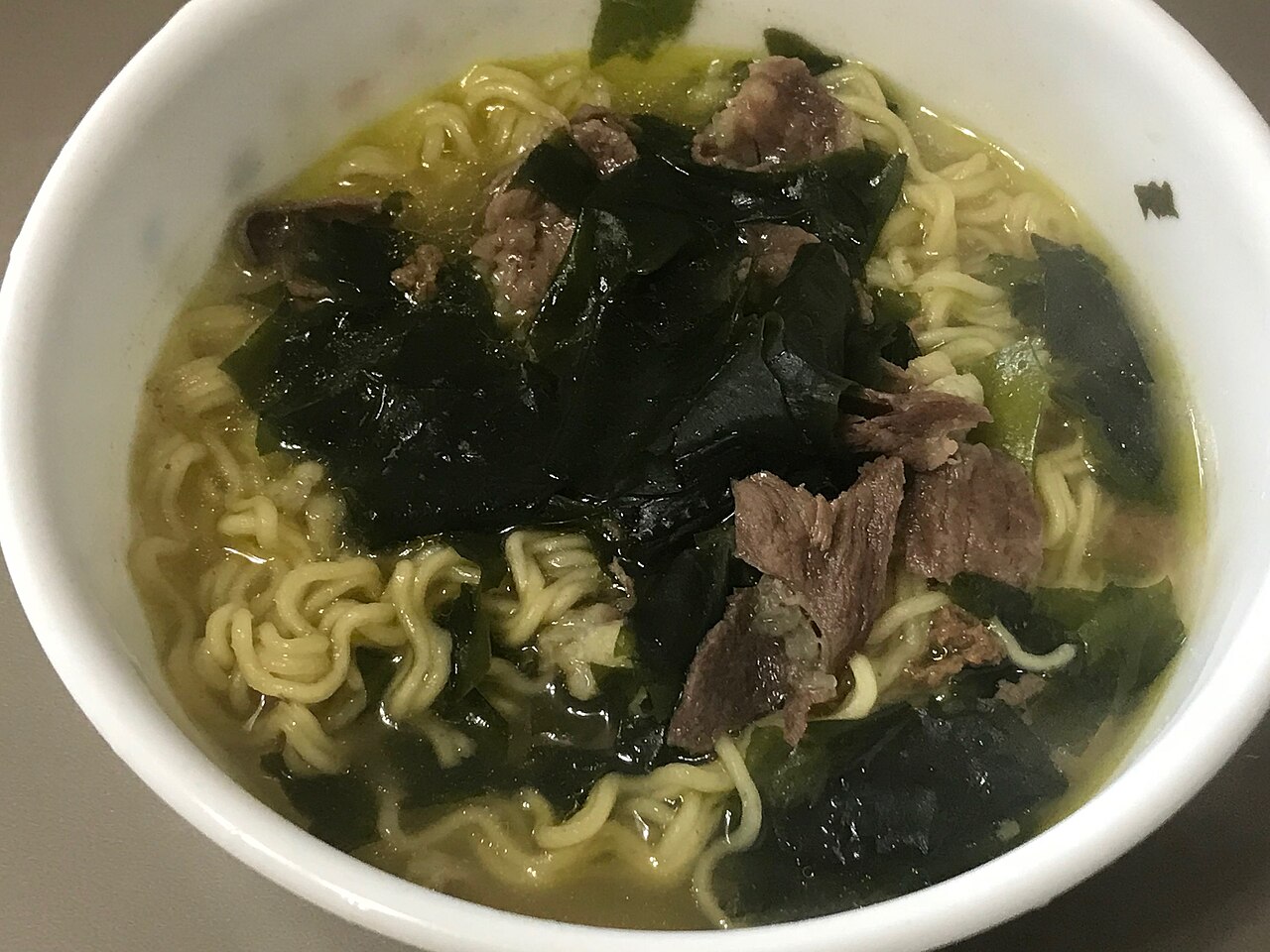
Miyeok-guk: The Birthday Soup That Is Really About Your Mother
Miyeok-guk is the seaweed soup every Korean eats on their birthday — a tradition that began as postpartum recovery food and became an annual act of gratitude to one's mother.
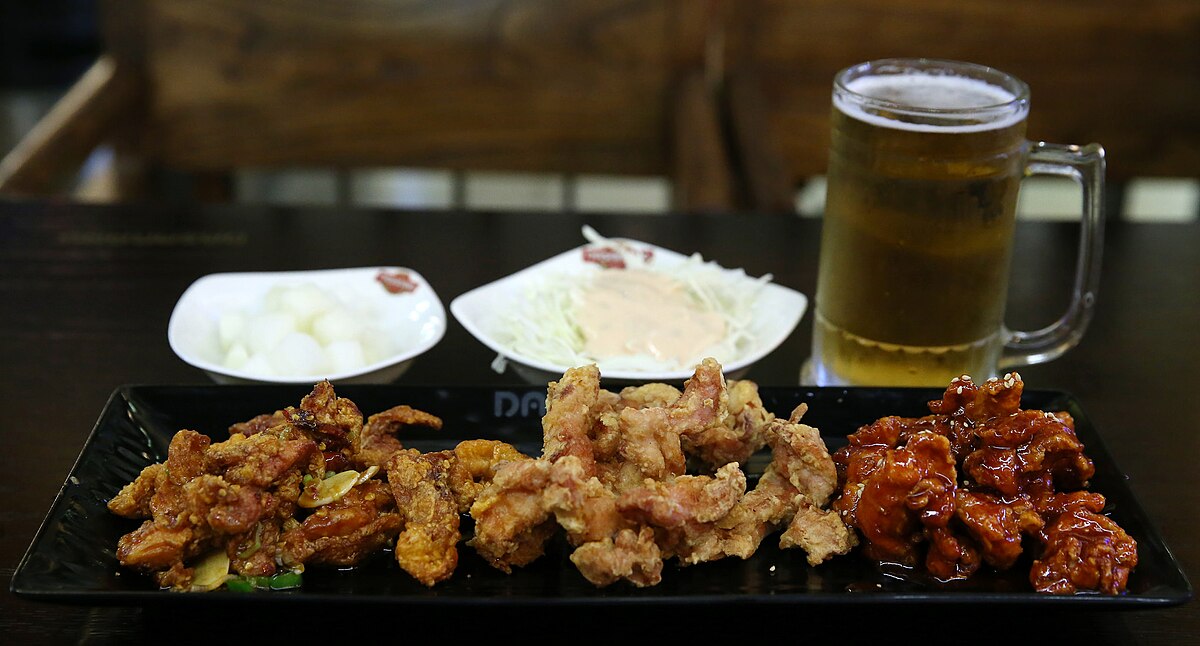
Chimaek: Why Korean Fried Chicken Is the World's Best
Korea has more fried chicken restaurants than McDonald's has locations worldwide. Here's the science and culture behind the crunch.