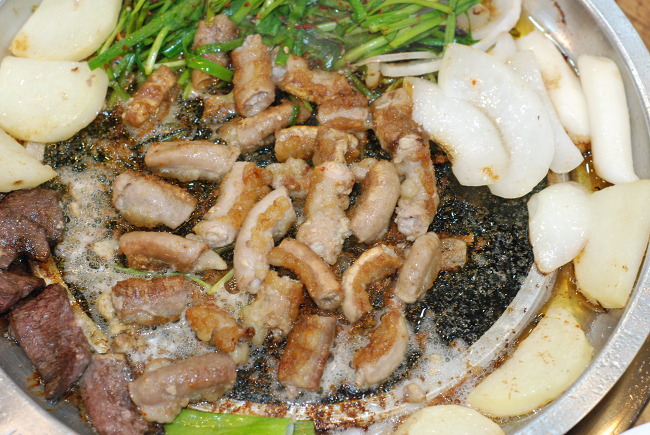
Gopchang: Korean Grilled Beef or Pork Intestines
Gopchang is a beloved Korean grilled offal dish featuring small intestines cooked over charcoal until crispy outside and soft inside — a cult favorite among Korean food enthusiasts.
Photo: Wikipedia Commons
What Is Gopchang?
Gopchang (곱창) refers to small intestines, usually from beef (so-gopchang) or pork, that are cleaned, blanched, and then grilled over charcoal or a gas grill. The intestines have a unique texture: the outside chars and crisps while the inside remains soft, fatty, and almost creamy. When cooked properly, they have a rich, intensely savory flavor with a slight chewiness. Gopchang can also be prepared as a stir-fry (gopchang-bokkeum) with gochujang, green onions, and vegetables, which is a spicier, bolder preparation. The grilled version is more restrained and allows the natural flavor of the intestines to shine. Dipping sauces typically include sesame oil mixed with salt and pepper, and the meal is usually accompanied by rice, kimchi, and various green vegetables for wrapping.
History & Origins
Offal consumption has deep roots in Korean food culture as part of the tradition of using every part of a slaughtered animal. Gopchang was historically an affordable food for working-class Koreans who could not afford the prime cuts of beef, and it developed a devoted following for its distinctive flavor and texture. Daegu in the Gyeongsang region of Korea is considered the capital of gopchang culture. The city has an entire neighborhood (Daegu Gopchang Street, near Alley Bar Street) dedicated to gopchang restaurants, and the Daegu style of preparation — often marinated in various seasonings and grilled over open flame — is considered the benchmark by many food enthusiasts. Gopchang has experienced a significant cultural revival in recent years, moving from being seen as 'old-fashioned' working-class food to being embraced by food enthusiasts and younger Koreans as a sophisticated taste experience.
How Koreans Eat It
Gopchang is a highly social eating experience. It is grilled at the table, usually by the restaurant staff, and eaten as a group with copious amounts of alcohol.
- ·Dip grilled pieces in sesame oil and salt — this simple combination enhances the rich, fatty flavor
- ·Wrap pieces in perilla leaves (kkaennip) with garlic and chili paste for a complete mouthful
- ·Pair with soju — gopchang and soju is one of Korea's most iconic food-drink pairings
- ·Visit Daegu's gopchang street for the ultimate gopchang experience in Korea
Cultural Significance
Gopchang occupies an interesting cultural position in Korea. It is intensely associated with a certain kind of hard-edged, uncompromising Korean taste — the opposite of safe or mild. Eating gopchang is almost a declaration of culinary adventurousness. The food also has strong regional pride attached to it. Daegu's gopchang culture is a source of civic identity, and locals will vigorously defend it as the best version in Korea. This regional specificity is part of what makes gopchang such an interesting food to seek out — it is a dish where geography matters and locals have strong opinions.
Tips
- 💡Daegu's Gopchang Street (near Seomun Market) is the most famous destination for gopchang in Korea — plan a food-focused trip there
- 💡In Seoul, look for gopchang restaurants near Mapo-gu or Mapo Gopchang Street for a concentrated selection
- 💡Fresh gopchang should not smell strongly — if there is a heavy odor, the cleaning was insufficient
Last updated: March 30, 2026
You might also like
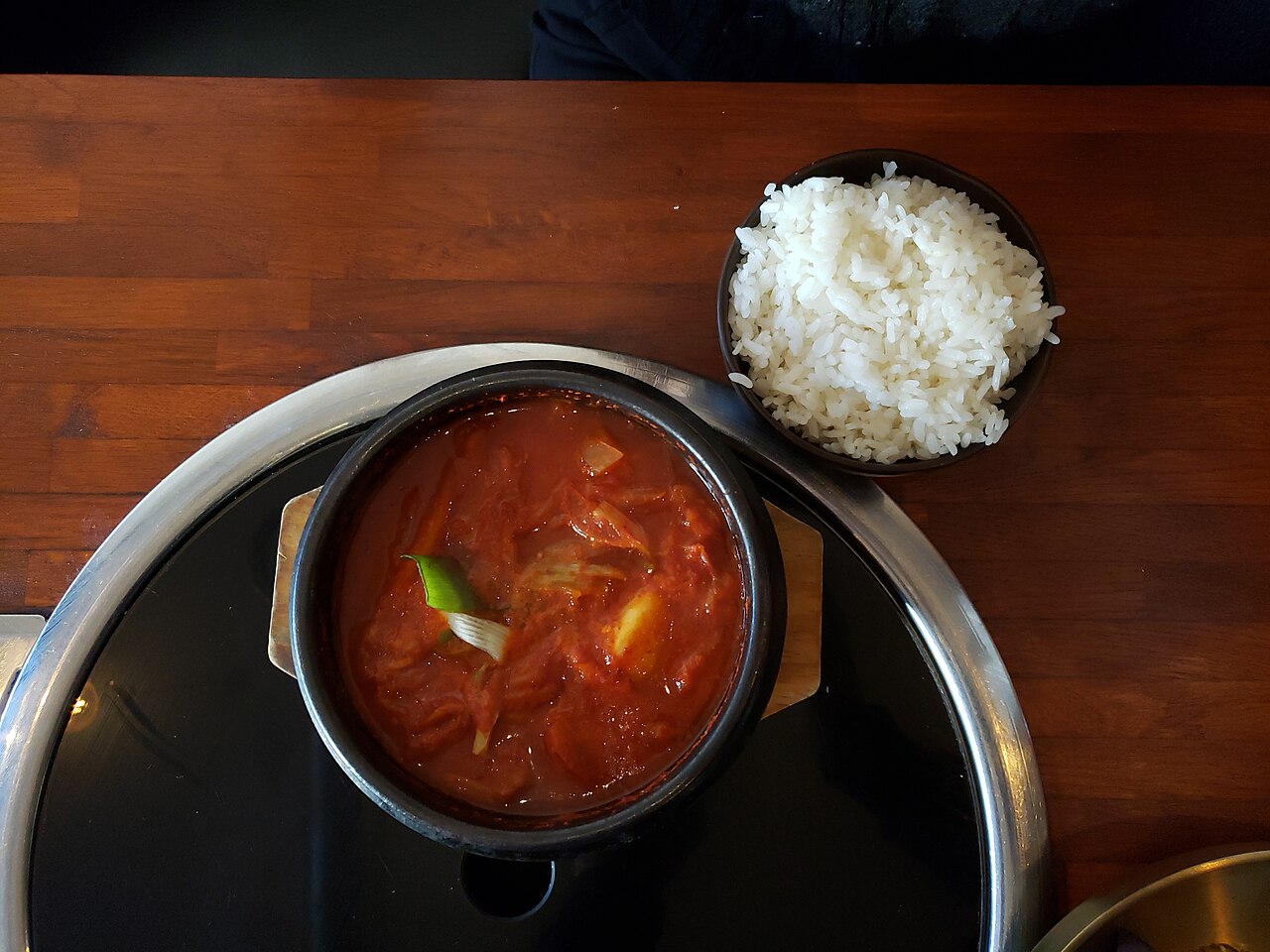
Kimchi Jjigae: Korea's Most Comforting Stew
Bubbling hot, deep red, and unmistakably Korean — kimchi jjigae is the stew that every Korean home smells like on a cold evening.
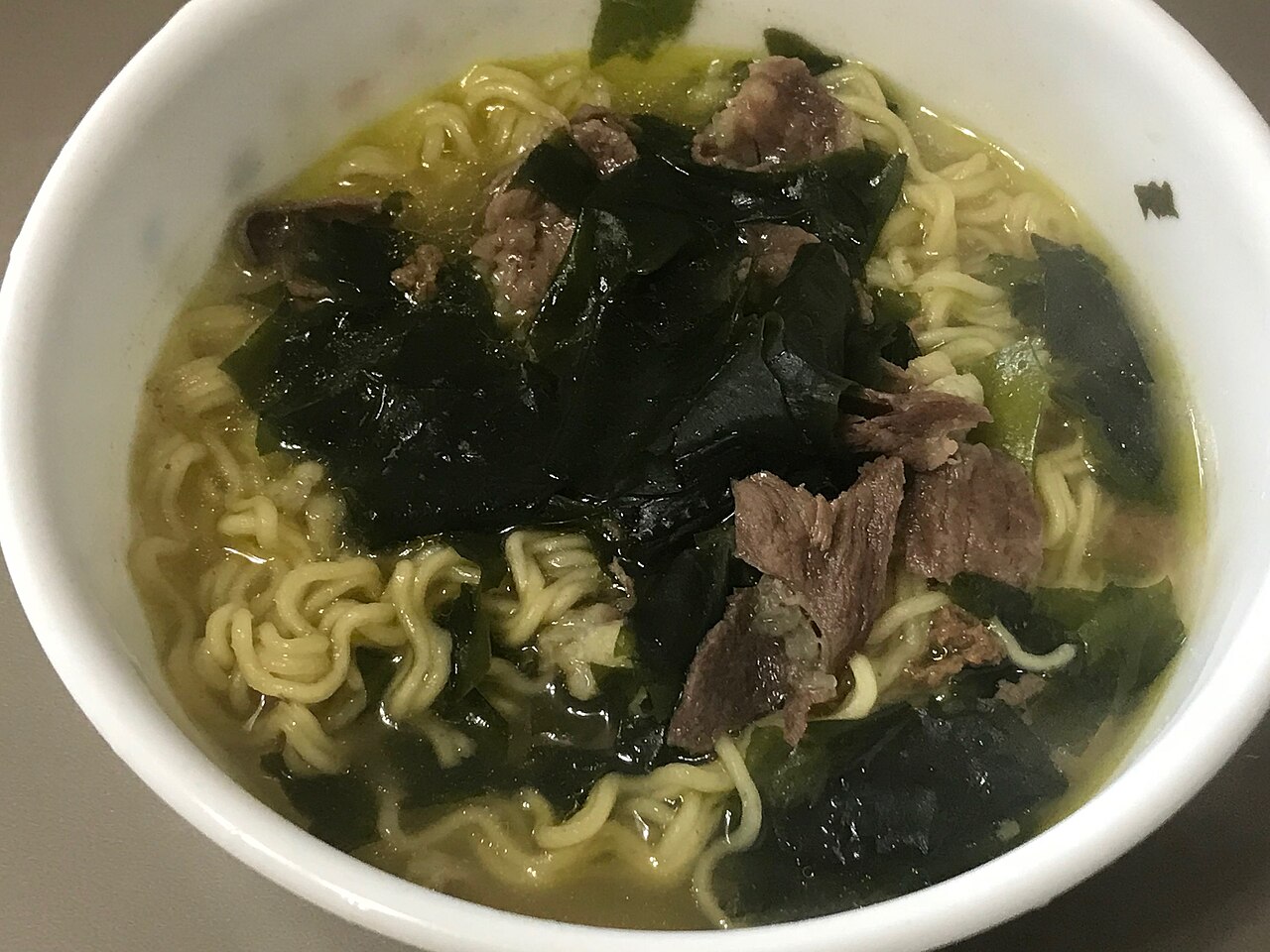
Miyeok-guk: The Birthday Soup That Is Really About Your Mother
Miyeok-guk is the seaweed soup every Korean eats on their birthday — a tradition that began as postpartum recovery food and became an annual act of gratitude to one's mother.
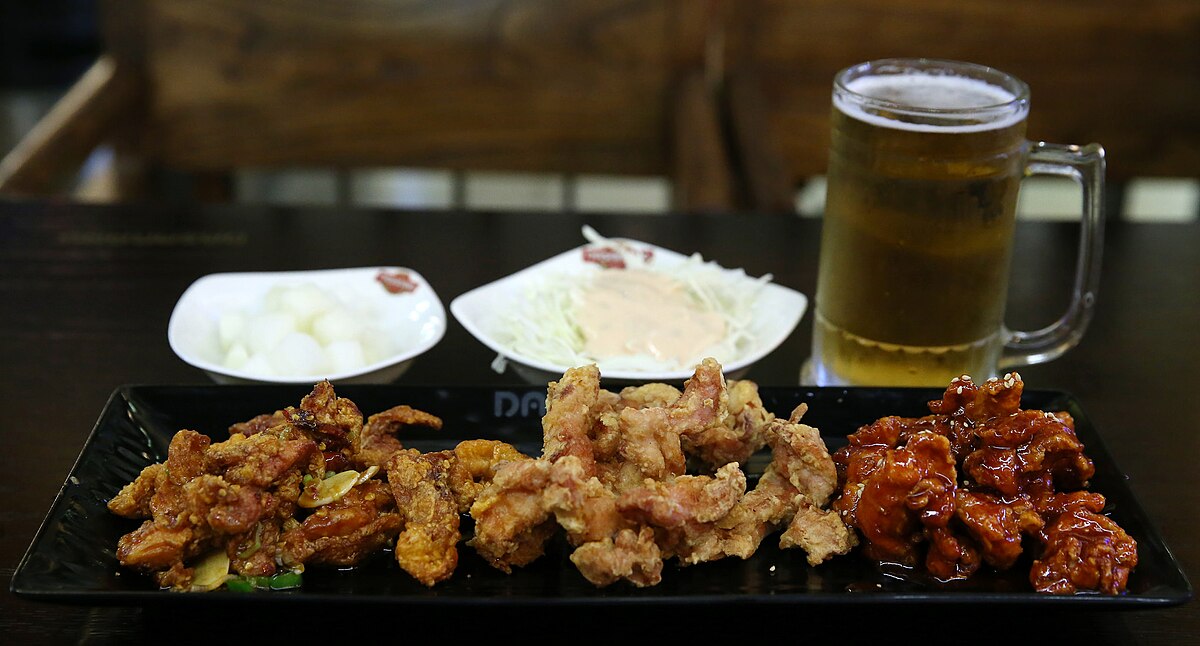
Chimaek: Why Korean Fried Chicken Is the World's Best
Korea has more fried chicken restaurants than McDonald's has locations worldwide. Here's the science and culture behind the crunch.