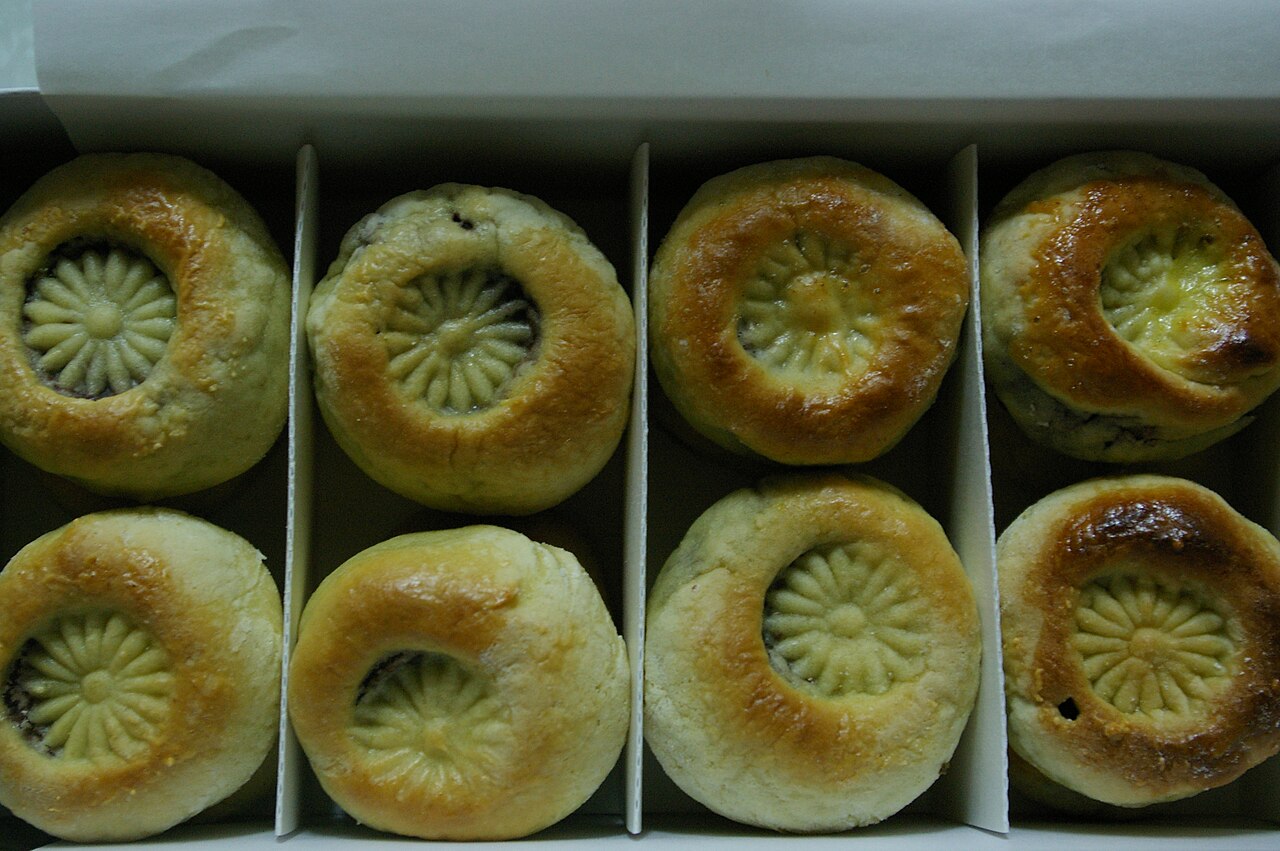
Gyeongju Bread: A City's Sweet Identity
The humble red bean pastry that has been Gyeongju's signature souvenir and sweet symbol for over 80 years.
Photo: Wikipedia Commons
What Is Gyeongju Bread?
Gyeongju bread (경주빵), more precisely called Hwangnam-ppang (황남빵), is a small, round, golden-brown pastry with a mildly sweet baked exterior and a filling of smooth, sweetened red bean paste (팥앙금, pat-anggeum). The shape is compact and slightly domed — roughly the size of a large walnut — and the surface has a soft, yielding quality without being sticky or greasy. The filling is the heart of the product: a dense, smooth paste made from Korean red beans (azuki beans) cooked with sugar until reduced to a thick, almost fudge-like consistency. The ratio of filling to pastry is generous — a bite through the thin outer layer immediately encounters the bean paste, which is the main flavor event. Quality Hwangnam-ppang uses red bean paste with a clean, slightly earthy sweetness and a texture that coats the palate gently. The breads are typically sold boxed, in quantities of 10 to 20, and priced as a set gift item. Individual pieces are also available for on-the-spot eating. They are sold at room temperature and do not require refrigeration, making them practical travel souvenirs with a shelf life of several days.
History & Origins
Hwangnam-ppang was created in 1939 by a baker named Choi Yeong-hwa in the Hwangnam-dong (황남동) neighborhood of Gyeongju — hence the name. The Hwangnam district lies adjacent to Daereungwon, the great tumulus park in central Gyeongju where enormous royal burial mounds (tumuli) from the Silla Kingdom (57 BCE–935 CE) rise like green hills from the flat city floor. The shape of Hwangnam-ppang, with its gently rounded top, is said to echo the profile of these ancient burial mounds — though this may be retrospective folk etymology rather than documented intention. Through the Japanese colonial period, the Korean War, the military governments of the 1960s–1980s, and the democratic transitions of the 1990s, the original Hwangnam-ppang bakery continued operating under successive generations of the founding family. This unbroken continuity is itself part of the product's appeal — in a country that has experienced radical transformation within living memory, an 80-year-old recipe sold in the same location carries genuine historical weight. The success of Hwangnam-ppang spawned imitators across Gyeongju and eventually across Korea. Today, the term 'Gyeongju bread' is used generically to refer to many similar products, while 'Hwangnam-ppang' specifically refers to the original product from the founding bakery. The original sells enormous quantities, particularly to tour buses passing through Gyeongju — it has become one of the most purchased regional food souvenirs in South Korea.
How Koreans Eat It
Gyeongju bread is simple and unfussy in its eating traditions, which is part of its appeal.
- ·Room temperature is ideal: The bread is designed to be eaten at ambient temperature. Warming it slightly (10–15 seconds in a microwave) makes the red bean filling marginally softer and warmer, which many people prefer.
- ·Tea pairing: The mild sweetness pairs naturally with a plain cup of Korean barley tea (boricha), green tea, or black tea. The tea's bitterness creates a pleasant counterpoint to the sweet bean paste.
- ·As a gift: Boxed Hwangnam-ppang is one of the standard Korean regional gift items — appropriate for bringing back to colleagues, friends, or family after visiting Gyeongju.
- ·On-site eating: Purchasing a small bag and eating while walking around the Daereungwon tumulus area — bread in one hand, ancient burial mounds in view — is the ideal Gyeongju food experience.
- ·Fresh vs. packaged: The bread sold warm and fresh at the bakery counter has a slightly different, more tender quality than the boxed souvenir version — worth eating one fresh on-site before purchasing boxes to take home.
Cultural Significance
Gyeongju bread's significance is inseparable from Gyeongju itself — a city that is the former capital of the Silla Kingdom and one of the most historically dense places in Korea. Known as 'the museum without walls,' Gyeongju contains more UNESCO World Heritage sites than almost any comparable area: royal tumuli, ancient stone observatory towers, Buddhist temples and sculptures from the 7th and 8th century, and the Gyeongju Historic Areas designation. In this context, Hwangnam-ppang functions as an accessible, affordable piece of Gyeongju's identity — the food equivalent of a postcard from a place that is simultaneously ancient and alive. Every Korean schoolchild who visits Gyeongju on a class trip leaves with a box of Gyeongju bread; every adult who visits returns with more. The bread has become so synonymous with the city that the two are mutually reinforcing: knowing about Gyeongju bread means knowing about Gyeongju, and vice versa. The bakery's resistance to franchising and expansion is itself culturally meaningful. In an era when Korean food brands relentlessly scale and franchise, Hwangnam-ppang has maintained a deliberate smallness — the original Hwangnam-dong location remains the flagship, and the product is not sold in Seoul or Busan supermarkets. If you want Hwangnam-ppang, you go to Gyeongju. This locality is understood as integrity rather than limitation.
Tips
- 💡The original Hwangnam-ppang bakery is located near the Daereungwon tumulus park in central Gyeongju — look for the queue outside.
- 💡Gyeongju is easily accessible as a day trip from Busan (40 minutes by KTX) or Seoul (2 hours by KTX) — combine the bread with a visit to the Bulguksa Temple and Daereungwon.
- 💡Red bean paste (팥) has an acquired taste for some — if you are unfamiliar, the flavor is earthy, mildly sweet, and slightly grainy. Starting with a single piece before committing to a box is wise.
Last updated: April 1, 2026
You might also like
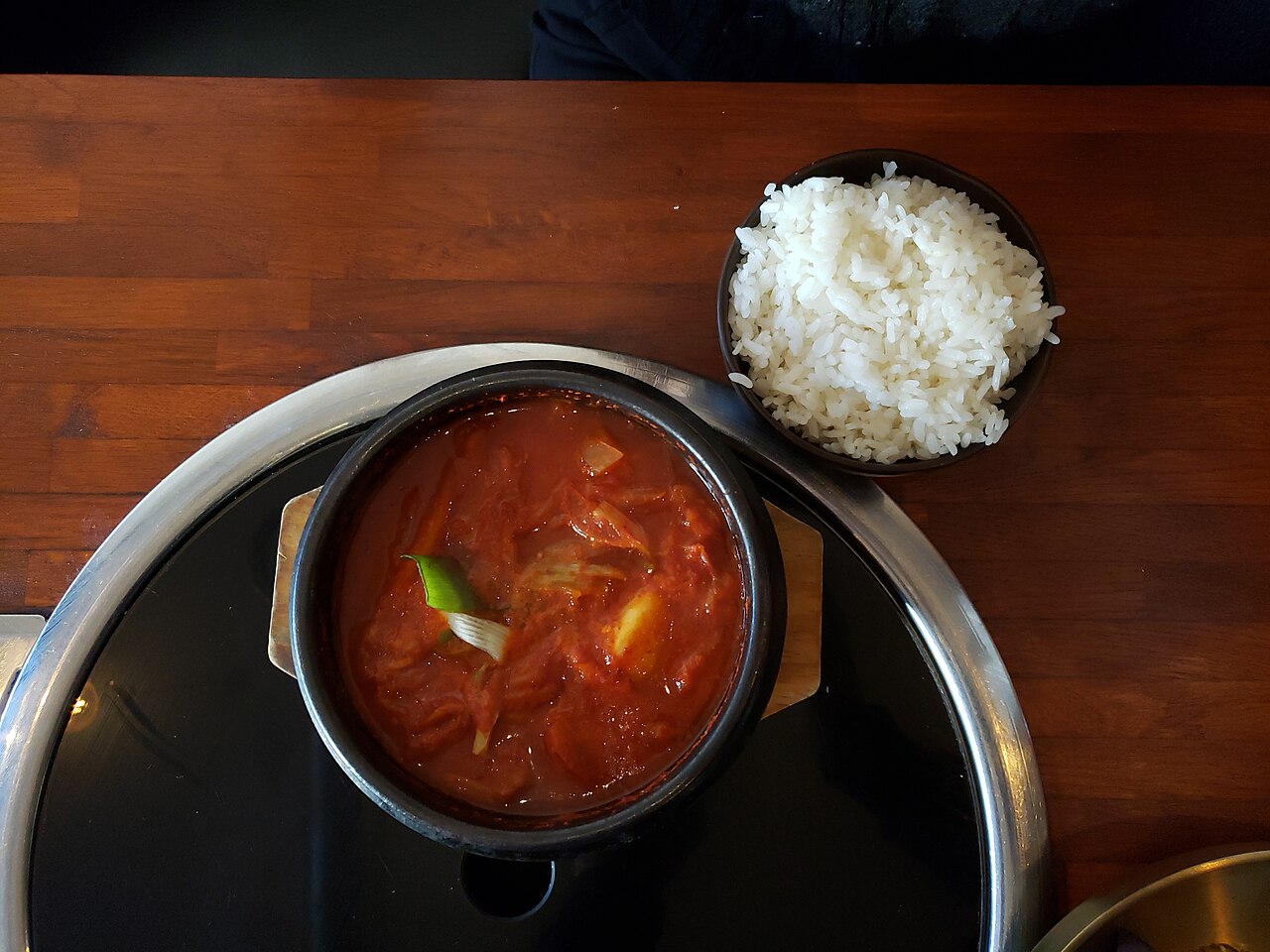
Kimchi Jjigae: Korea's Most Comforting Stew
Bubbling hot, deep red, and unmistakably Korean — kimchi jjigae is the stew that every Korean home smells like on a cold evening.
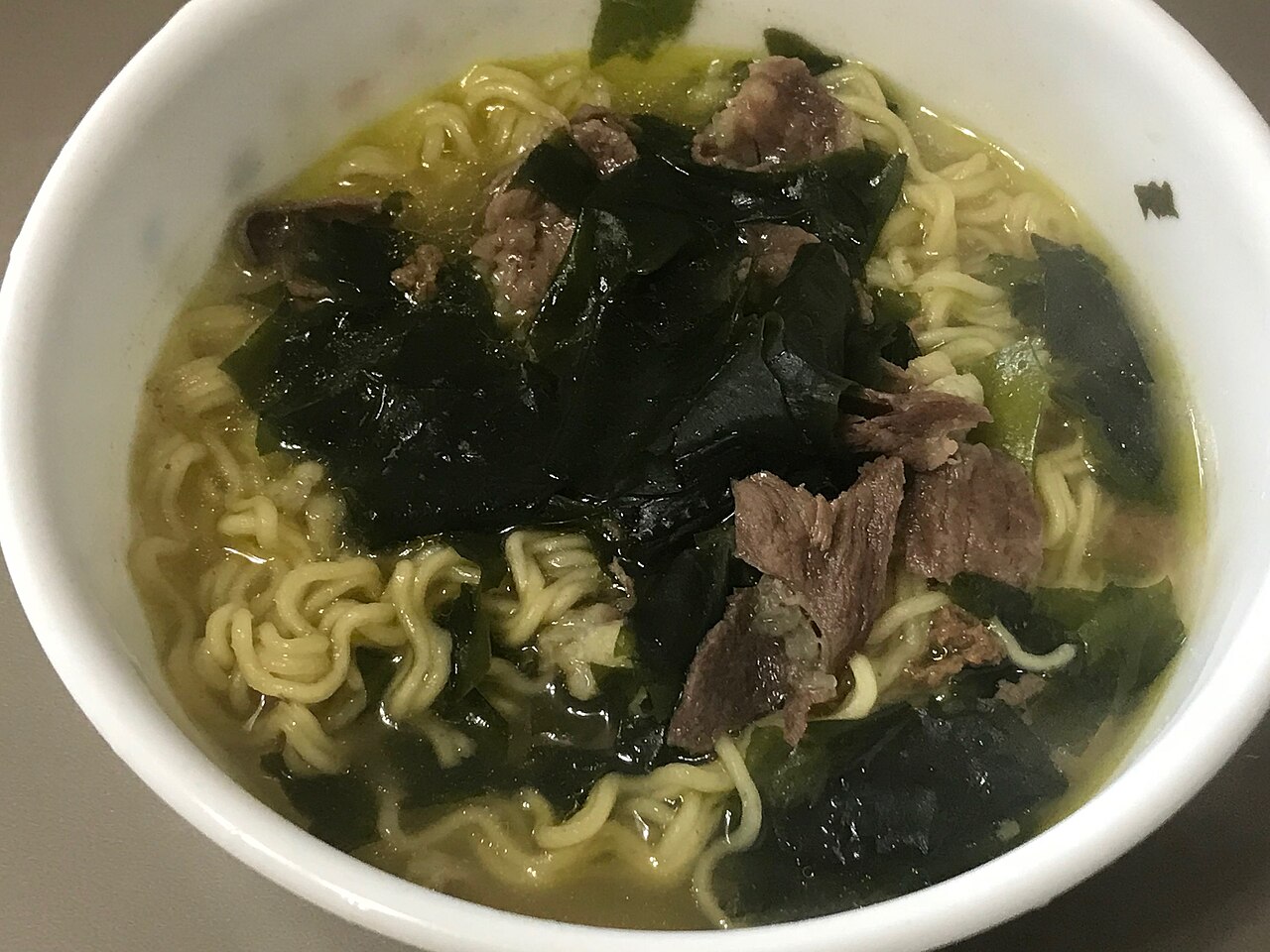
Miyeok-guk: The Birthday Soup That Is Really About Your Mother
Miyeok-guk is the seaweed soup every Korean eats on their birthday — a tradition that began as postpartum recovery food and became an annual act of gratitude to one's mother.
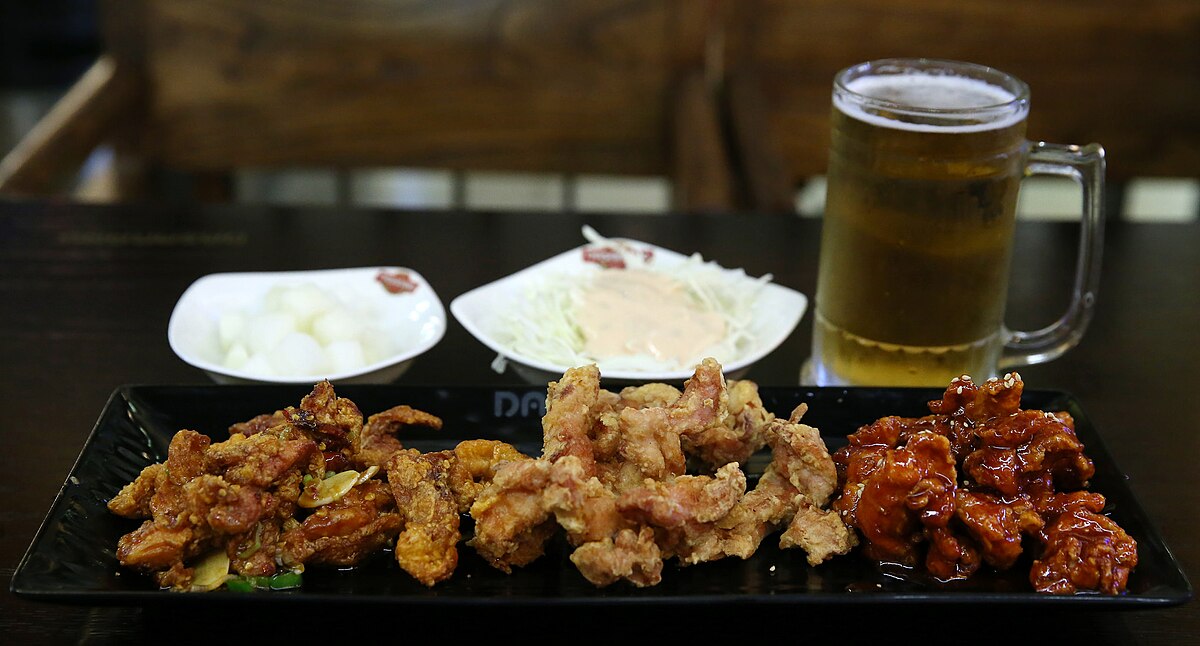
Chimaek: Why Korean Fried Chicken Is the World's Best
Korea has more fried chicken restaurants than McDonald's has locations worldwide. Here's the science and culture behind the crunch.