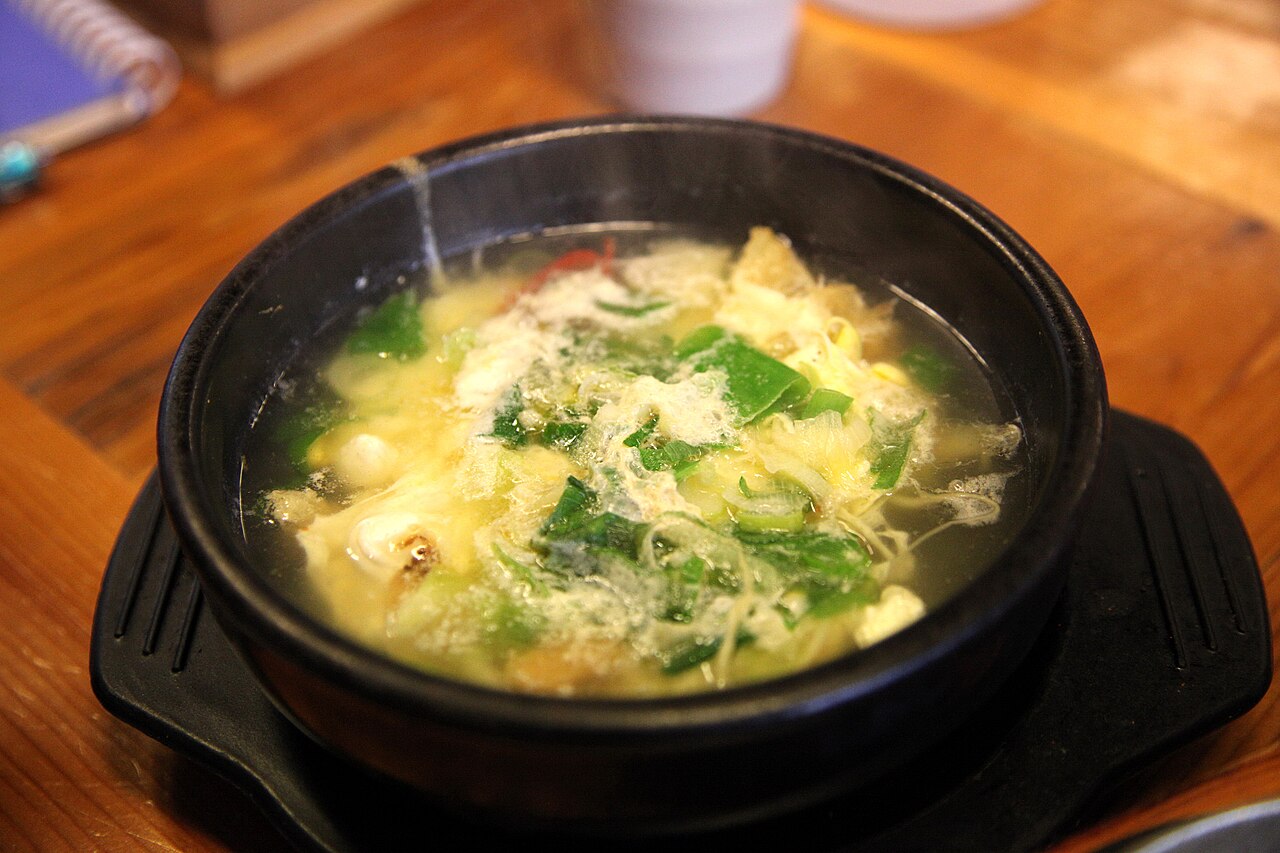
Haejangguk: Korea's Ultimate Hangover Soup
A fiery, restorative Korean soup tradition designed to cure hangovers and warm the soul from the inside out.
Photo: Wikipedia Commons
What Is Haejangguk?
Haejangguk (해장국) is the collective term for Korean soups traditionally eaten to cure a hangover. The name combines haejang (해장), meaning 'to settle or relieve the stomach,' and guk (국), meaning soup. Rather than a single specific dish, haejangguk is a category of restorative hot soups united by the purpose of rehydrating, nourishing, and reviving a body taxed by alcohol. The most common varieties include: kongnamul-guk (bean sprout soup), light and refreshing with a clear broth; ppyeo-haejangguk (bone broth soup), a deep-brown, richly collagen-laden soup made from pork bones simmered for hours with dried vegetables and blood sausage; and hwangtae-haejangguk, a soup made from dried pollack fish (hwangtae) that has a mild, sustaining quality. All genuine haejangguk shares the philosophy of delivering heat, liquid, salt, and bioactive compounds in a form that the body can absorb quickly. Modern nutritional science has partially validated this — bean sprouts contain asparaginase, an enzyme that accelerates the breakdown of acetaldehyde, the primary toxic compound responsible for hangover symptoms.
History & Origins
The concept of a curative soup to address the effects of drinking appears in Korean literature as far back as the Joseon dynasty, where historical records reference haejeongguk (解酲國) — a soup to 'undo the state of drunkenness.' In a society where communal drinking was interwoven with Confucian ceremonial rituals, political gatherings, and seasonal festivals, a reliable morning-after remedy was a practical necessity. As Korea industrialized in the 20th century and a modern urban drinking culture emerged around soju and beer, haejangguk evolved from a home remedy into a commercial restaurant category. Specialized haejangguk restaurants — many of them open 24 hours — became fixtures near entertainment districts across Korean cities, serving workers, students, and revelers who needed restoration before the next day began. Regional variations developed distinct identities. Jeonju's version centers on bean sprouts in a clear broth with a raw egg; Daegu is famous for its 따로국밥 (separate rice and soup) style; Seoul's standard is the robust pork bone and vegetables version. Each city considers its own style definitive.
How Koreans Eat It
Eating haejangguk is itself a ritual with specific rhythms and protocols.
- ·Start with the broth: Before adding anything, sip a spoonful of hot soup to begin warming and settling the stomach. This first sip is the most important part of the meal.
- ·Mix in the rice: Place steamed white rice directly into the soup bowl and mix — the starch helps absorb the broth and creates a more filling, porridge-like consistency.
- ·Jeonju-style egg: In the kongnamul-gukbap version from Jeonju, a raw egg is cracked directly into the hot soup and stirred gently to create soft, cloud-like strands of egg.
- ·Kimchi and radish: A side of kimchi and kkakdugi (cubed radish kimchi) cuts through the richness of bone broth varieties and adds a refreshing contrast.
- ·The 'haejang-sul' option: Some Koreans respond to a hangover not with restorative food but with a small amount of alcohol to ease the transition — colloquially called 'the hair of the dog' (해장술, haejang-sul).
Cultural Significance
Haejangguk culture reflects the structure of Korean social drinking in a uniquely candid way. The fact that entire restaurant chains are built around the explicit premise of recovering from alcohol excess speaks to how openly Koreans acknowledge the role of drinking in their social fabric. The 4 AM haejangguk restaurant — fluorescent-lit, steam-fogged, filled with people in various states of exhaustion — is a genuine subculture. These establishments serve a clientele ranging from factory workers finishing a night shift to office workers who never made it home. Eating haejangguk together after a night out is its own form of bonding: a shared acknowledgment of the previous night and a collective preparation for what comes next. Beyond its hangover-curing function, haejangguk has become a comfort food in its own right — ordered not just after drinking but whenever someone feels depleted, ill, or in need of warmth. The soup carries associations of care and recovery that make it a natural choice when feeling unwell, regardless of the cause.
Tips
- 💡If you are unfamiliar with Korean soups, start with kongnamul-gukbap (bean sprout rice soup) — it is the mildest and most approachable variety.
- 💡Search for '해장국 24시' (haejangguk 24hr) on Google Maps to find restaurants open in the early morning hours.
- 💡The soup should be eaten hot — if it cools down, ask for a re-warm (데워주세요, dewo juseyo) without hesitation.
Last updated: March 30, 2026
You might also like
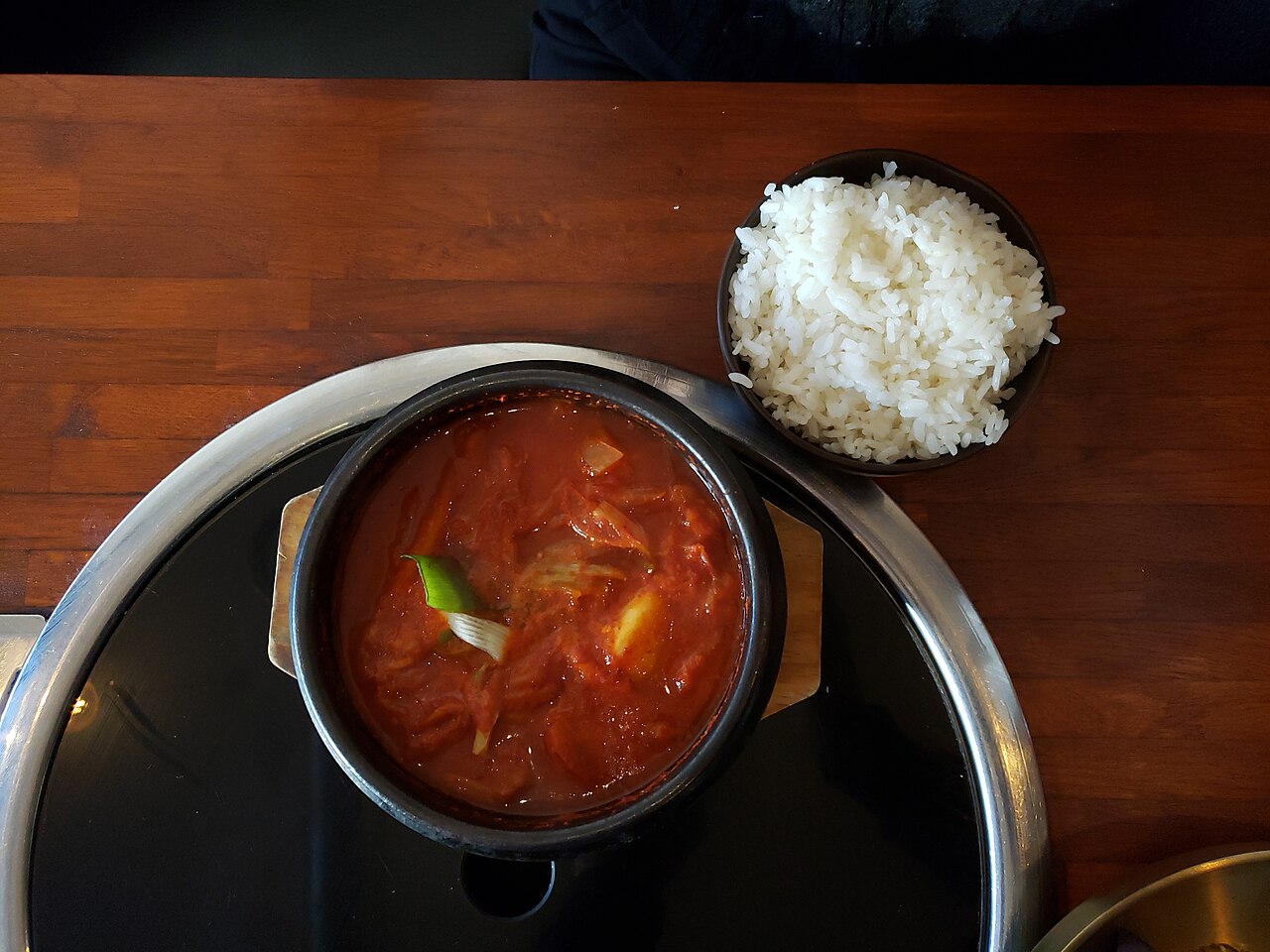
Kimchi Jjigae: Korea's Most Comforting Stew
Bubbling hot, deep red, and unmistakably Korean — kimchi jjigae is the stew that every Korean home smells like on a cold evening.
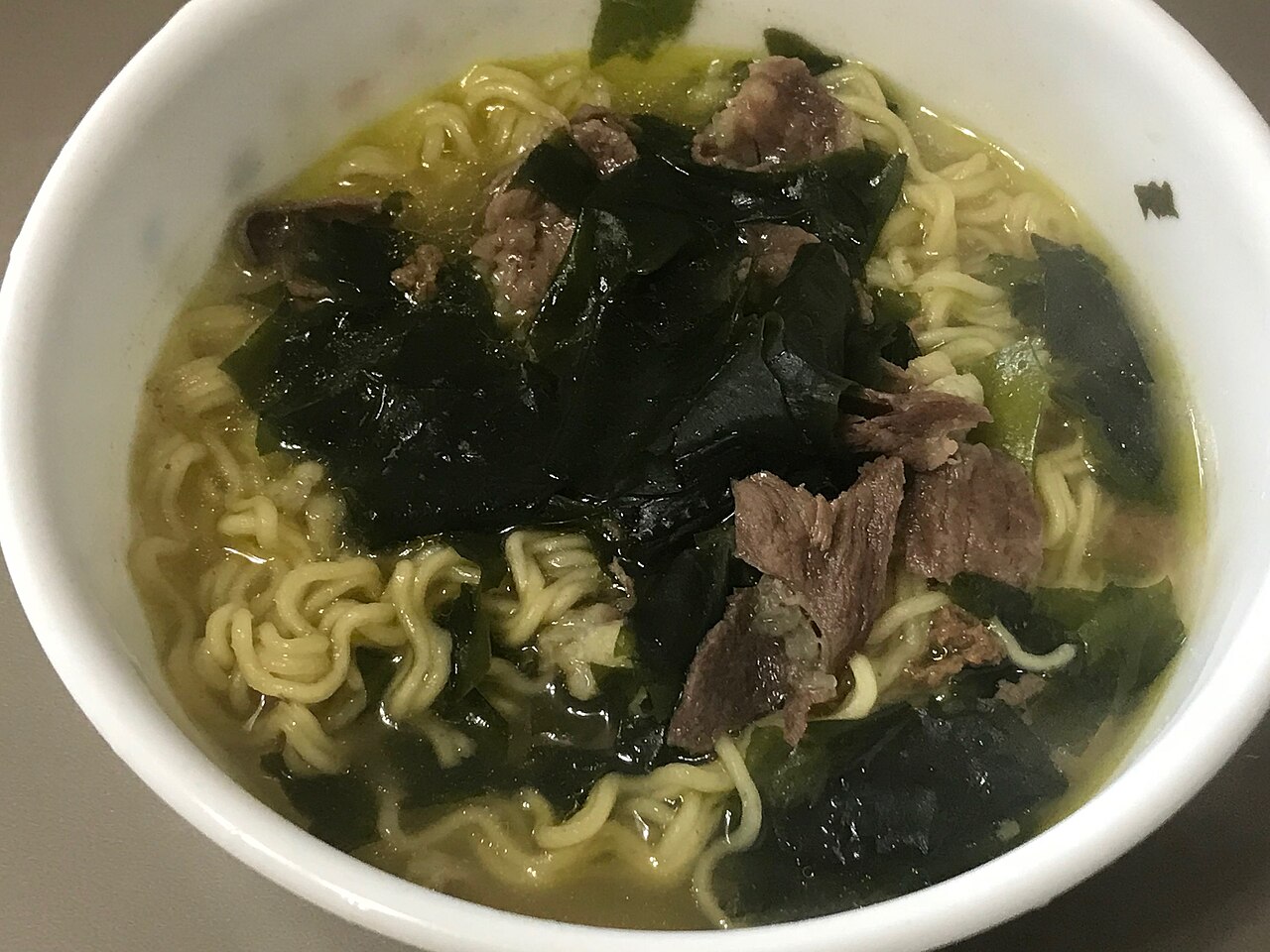
Miyeok-guk: The Birthday Soup That Is Really About Your Mother
Miyeok-guk is the seaweed soup every Korean eats on their birthday — a tradition that began as postpartum recovery food and became an annual act of gratitude to one's mother.
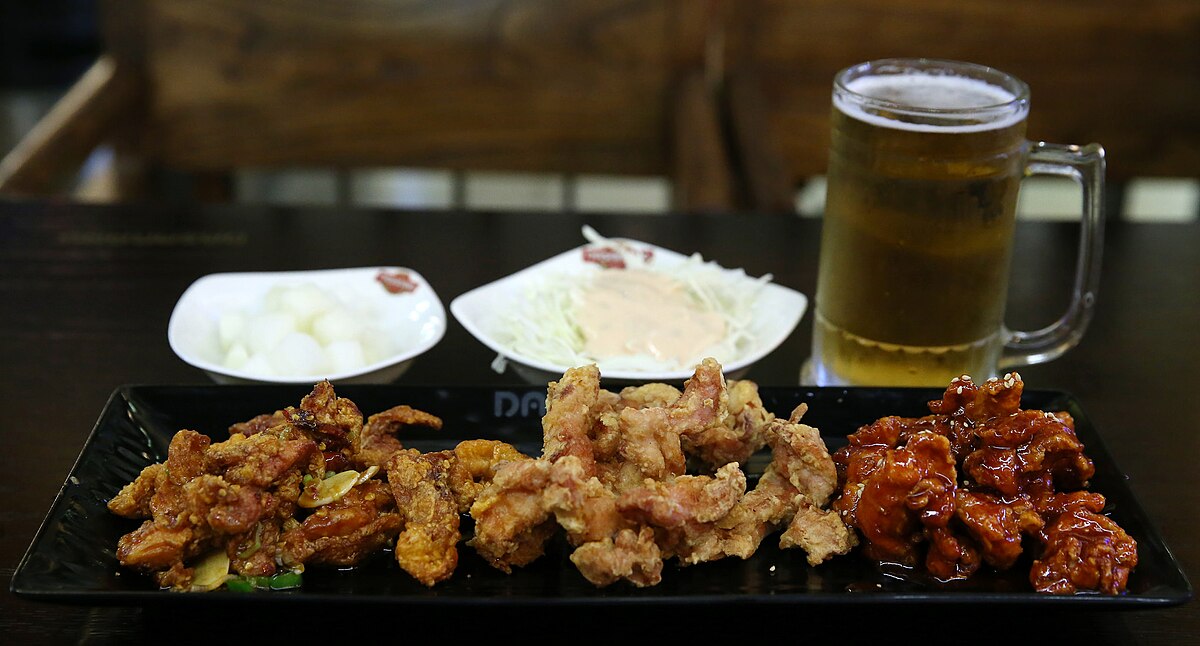
Chimaek: Why Korean Fried Chicken Is the World's Best
Korea has more fried chicken restaurants than McDonald's has locations worldwide. Here's the science and culture behind the crunch.