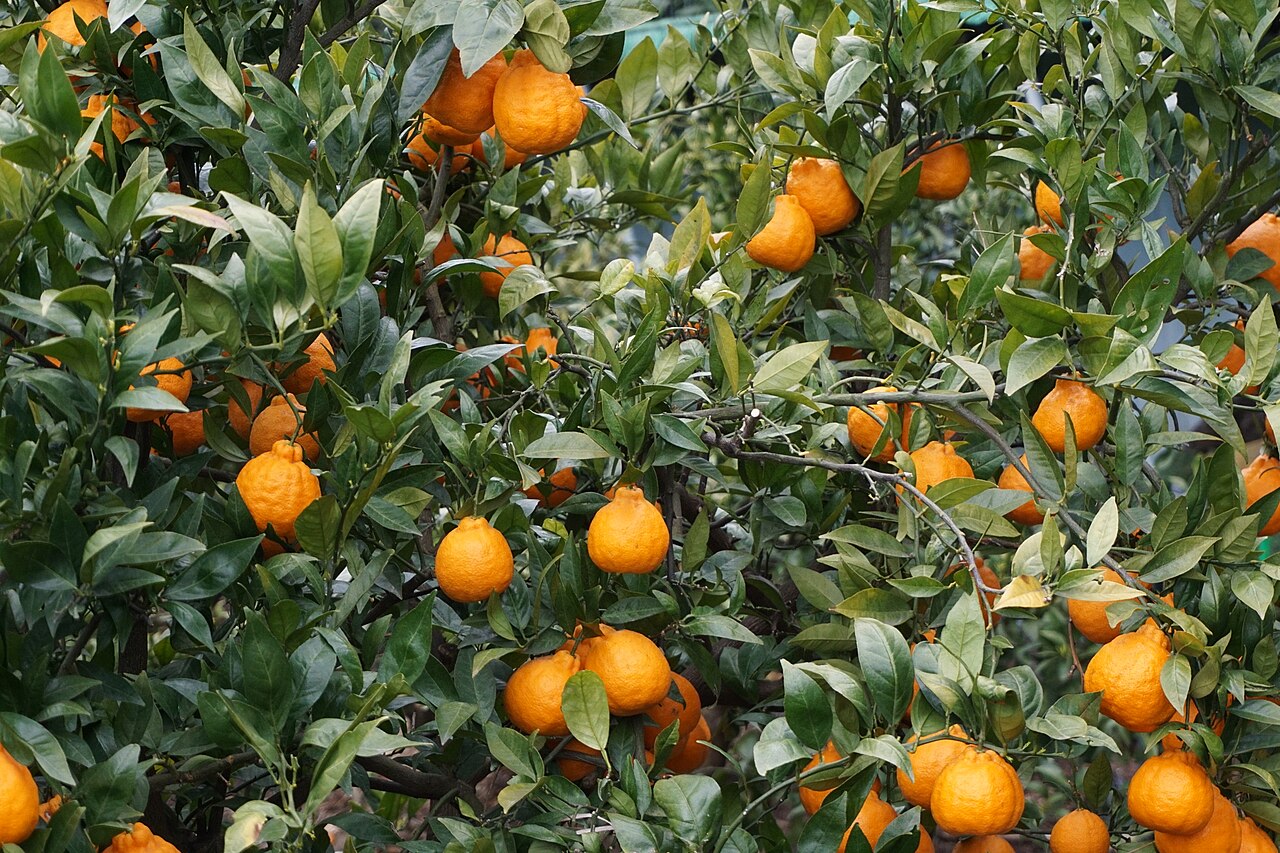
Hallabong: Jeju's Iconic Tangerine
Hallabong is a premium mandarin orange variety unique to Jeju Island, known for its distinctive top knot shape, sweet-tart flavor, and juicy flesh — one of Korea's most beloved winter fruits.
Photo: Wikipedia Commons
What Is Hallabong?
Hallabong (한라봉) is a hybrid citrus fruit developed in Japan in the 1970s and introduced to Jeju Island, South Korea, where it found its ideal growing conditions and became synonymous with Jeju itself. The fruit takes its Korean name from Hallasan (한라산), Jeju's iconic volcanic mountain, because the fruit's distinctive protruding top resembles the mountain's peak. Hallabong is a cross between a ponkan mandarin and a navel orange. It is larger than a regular tangerine, with a thick, bumpy rind that peels easily by hand. The flesh is extraordinarily juicy, sweet with a pleasant tartness, and virtually seedless, making it one of Korea's most popular eating fruits. The flavor is richer and more complex than ordinary tangerines, with floral and honey notes. Hallabong season runs from December through March, making it a quintessential winter fruit. During this period, Jeju hallabong is shipped across Korea and gifted in premium fruit boxes. The fruit is also processed into juices, teas, jams, desserts, and cosmetics, all of which are popular Jeju souvenirs.
History & Origins
Jeju Island has a centuries-long history of citrus cultivation. During the Joseon Dynasty, local tangerines (귤, gyul) were sent as tribute to the royal court in Seoul — a tradition so important that the court maintained official citrus orchards on Jeju. When the Japanese variety was introduced to Jeju farmers in the 1990s, the island's subtropical climate and volcanic soil proved perfect for producing fruit of exceptional quality. Jeju hallabong quickly gained a reputation as the finest quality version of the fruit available in Korea. As Jeju's tourism grew, hallabong became central to the island's branding. Orchards opened their doors to visitors for fruit picking experiences (감귤 따기 체험), and hallabong-flavored products proliferated in airport shops and tourist markets. Today, Jeju grows the vast majority of Korea's hallabong supply, and the fruit is one of the island's most important agricultural exports.
How Koreans Eat It
Hallabong is primarily eaten as a fresh fruit, but its popularity has inspired a wide range of products and culinary uses.
- ·Simply peel by hand and eat fresh — the thick rind comes off easily without a knife, making it a perfect snack
- ·Visit a Jeju orchard for a hallabong or tangerine picking experience (체험 농장) — a popular family activity that includes eating fruit straight from the tree
- ·Try hallabong juice, hallabong chocolate, and hallabong tea — all widely available in Jeju shops and excellent as gifts
- ·In season (December–March), look for whole hallabong gift boxes (선물 세트) — they are a popular and prestigious gift for the Lunar New Year
Cultural Significance
Hallabong is one of the most potent symbols of Jeju Island. The sight of citrus orchards against Hallasan's slopes is an iconic image of the island, and the fruit appears on Jeju's souvenirs, packaging, and promotions everywhere. When Koreans think of Jeju, they think of black lava rock, haenyeo, and hallabong. The fruit also has economic and social significance. Jeju's citrus farms are largely family-run operations, and the hallabong harvest season is an important time for the island's rural communities. Gift-giving culture in Korea means that during the winter holiday season, premium Jeju hallabong boxes are among the most sought-after presents to give bosses, parents, and respected elders. A box of hallabong communicates care, respect, and generosity.
Tips
- 💡Buy directly from farm stalls along Jeju's country roads for the freshest and cheapest hallabong, especially during January and February
- 💡The best hallabong are heavy for their size with a bright, even orange color and a slight give when gently squeezed
- 💡Hallabong products make excellent carry-on gifts — vacuum-sealed hallabong juice packs or hallabong chocolate bars are easy to transport and deeply appreciated
Last updated: March 30, 2026
You might also like
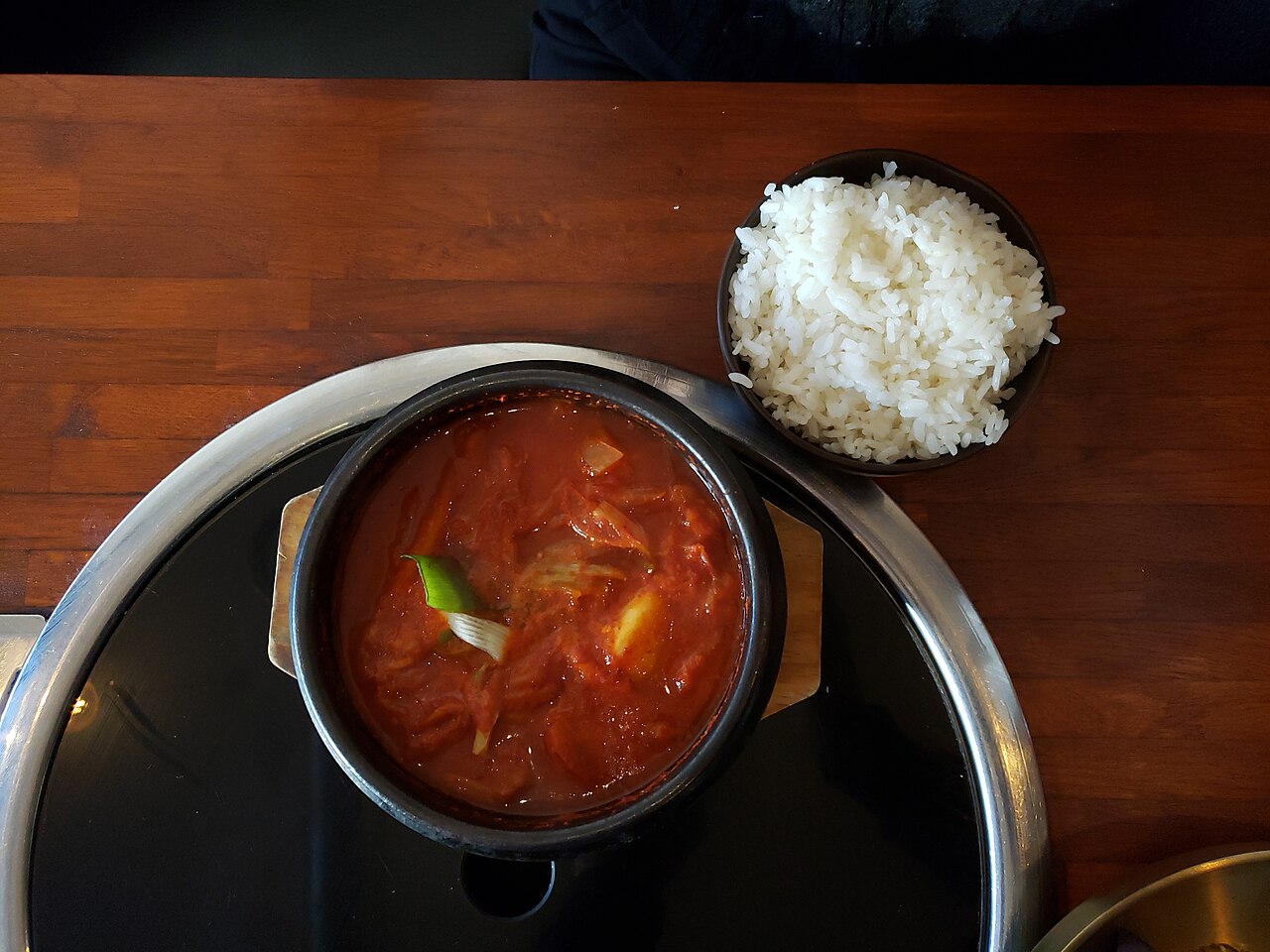
Kimchi Jjigae: Korea's Most Comforting Stew
Bubbling hot, deep red, and unmistakably Korean — kimchi jjigae is the stew that every Korean home smells like on a cold evening.
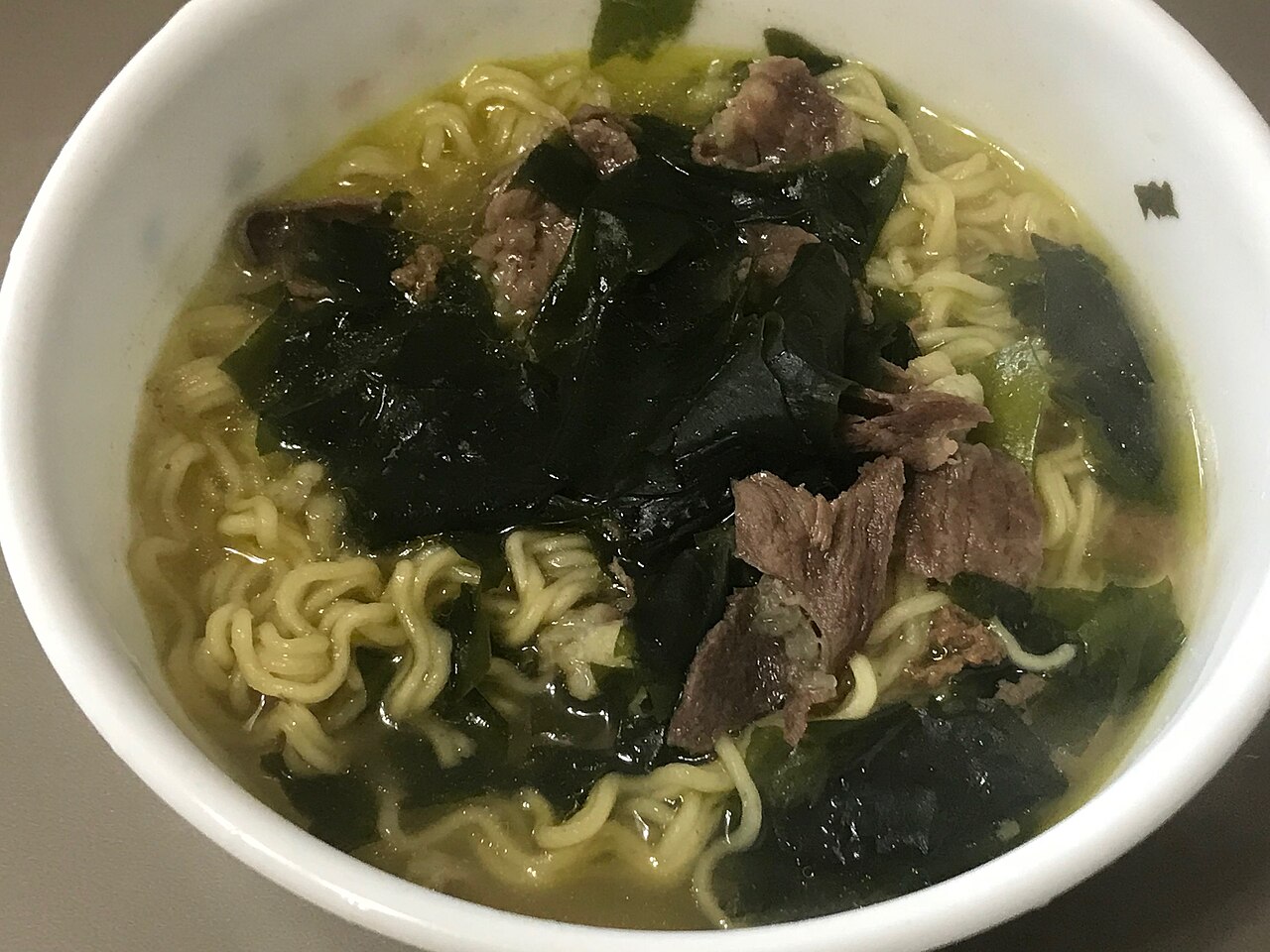
Miyeok-guk: The Birthday Soup That Is Really About Your Mother
Miyeok-guk is the seaweed soup every Korean eats on their birthday — a tradition that began as postpartum recovery food and became an annual act of gratitude to one's mother.
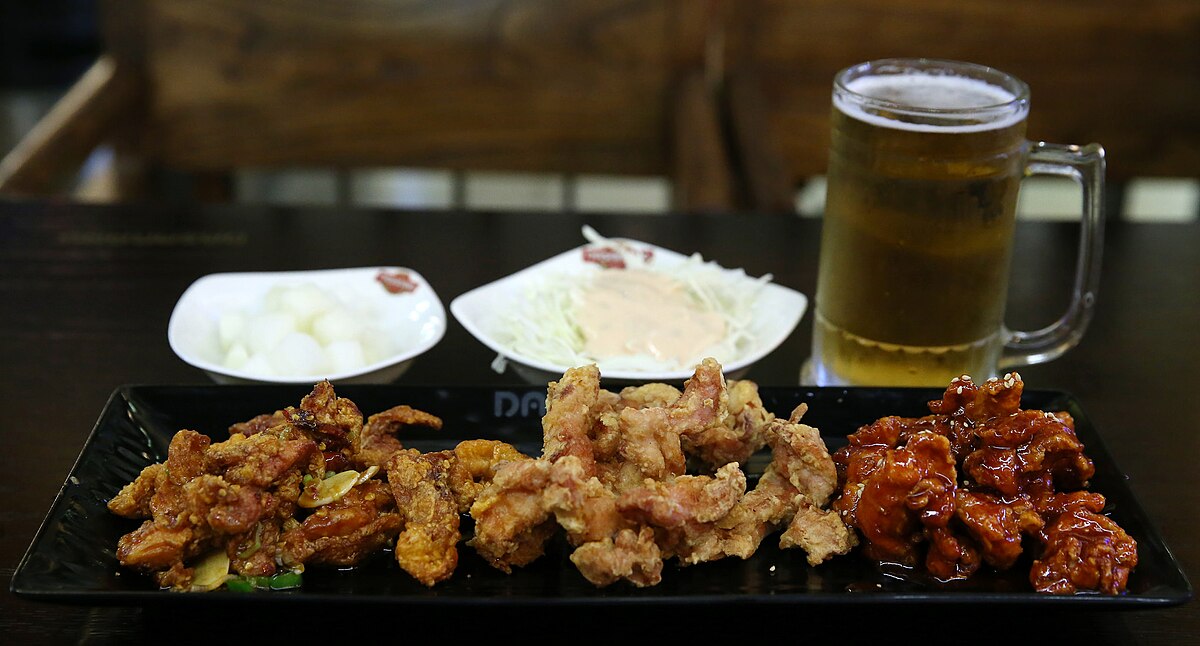
Chimaek: Why Korean Fried Chicken Is the World's Best
Korea has more fried chicken restaurants than McDonald's has locations worldwide. Here's the science and culture behind the crunch.