Heotjesabap: Andong's Ritual Feast Reimagined
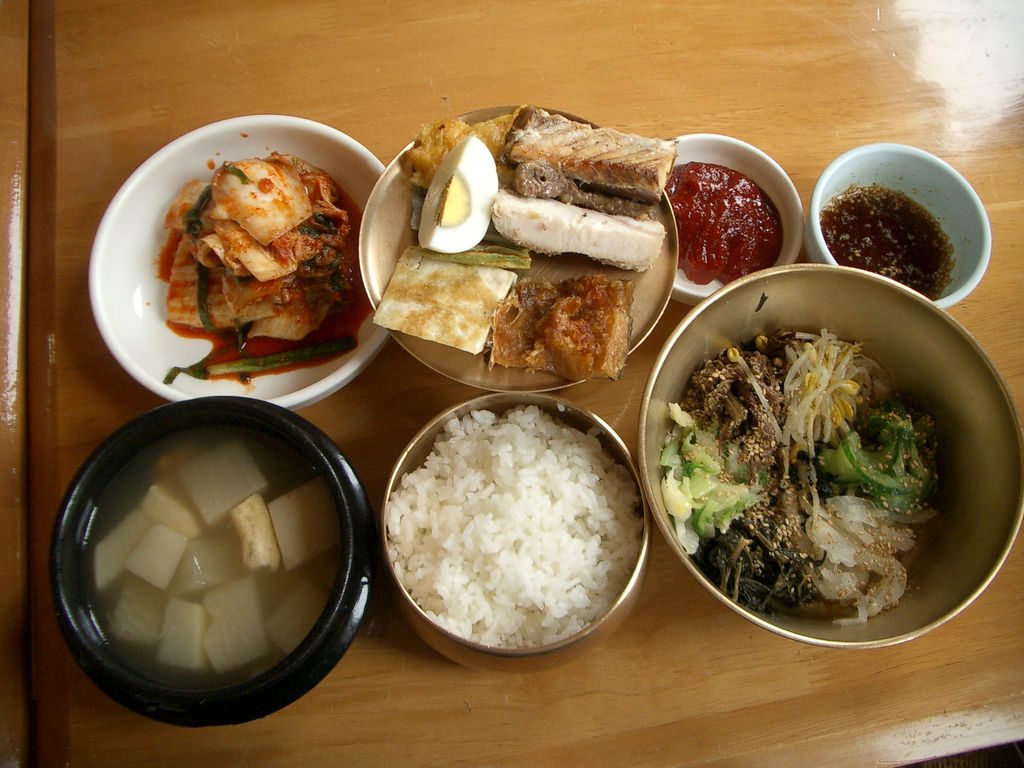
Heotjesabap is a unique Andong specialty — a mock Confucian ritual meal featuring plain steamed rice, soup, and an array of traditional side dishes, recreating the food offerings from ancestral rites without the ceremony.
Photo: Wikipedia Commons
What Is Heotjesabap?
Heotjesabap (헛제사밥) literally means 'false ritual meal' or 'mock ancestral feast rice.' The name captures the dish's unusual origin: it is a recreation of the food prepared for jesa (제사), the Confucian ancestral memorial rites that are central to Korean traditional culture, but served as an everyday meal rather than as an offering to ancestors. In Confucian Korean tradition, jesa food follows strict rules: no red pepper (gochugaru) is used, as red is believed to repel spirits; food must be pure, clean, and uncontaminated by strong flavors; and a specific set of dishes is required. The result is a meal of remarkable restraint and depth — plain white rice, clear soup (usually seaweed or radish), and an array of whitish or pale banchan including white tofu, egg custard, dried fish, seasoned vegetables, and rice cake. Andong, as the center of Joseon Dynasty Confucian culture, preserved these ritual food traditions more rigorously than anywhere else in Korea. When this ritual food was adapted into restaurant dining, heotjesabap was born — offering people the experience of eating traditional jesa food without participating in an actual ancestral rite.
History & Origins
Andong's deep Confucian heritage — the city was home to the most important Confucian academies (서원) in Korea and produced many of the Joseon Dynasty's most respected scholars — meant that jesa rituals were performed with particular rigor and elaborateness. The food traditions associated with these rites were carefully maintained across generations by aristocratic yangban (양반) families. As Korea modernized and traditional ritual practices declined in the late 20th century, food scholars and restaurateurs in Andong recognized that the distinctive cuisine of jesa represented a unique and valuable culinary heritage. Restaurants began offering heotjesabap as a way for visitors to experience this tradition in an accessible, secular format. The dish became part of Andong's cultural tourism offering, complementing visits to the Hahoe Folk Village, Andong traditional liquor, and other cultural experiences the city offers.
How Koreans Eat It
Heotjesabap is a quiet, contemplative meal that offers a distinct contrast to the bold, spicy, and communal style of much Korean food.
- ·Approach the meal with curiosity — the absence of gochugaru reveals the subtle, clean flavors of each ingredient without the masking effect of chili heat
- ·Taste each banchan individually before mixing — the delicate seasoning of each item is meant to be appreciated on its own terms
- ·The clear soup (국) is meant to be sipped throughout the meal as a palate cleanser, not drunk at the end
- ·The overall experience is meant to be calm and reflective — heotjesabap restaurants in Andong often have traditional hanok settings that reinforce this atmosphere
Cultural Significance
Heotjesabap is a window into Korea's Confucian cultural heritage and the values of purity, restraint, and reverence for ancestors that shaped Joseon Dynasty society. For modern Koreans accustomed to bold, spicy, and rich flavors, eating heotjesabap can be a revelation — it demonstrates that Korean cuisine has a long tradition of delicate, nuanced cooking that exists alongside its more familiar fiery expressions. For international visitors, heotjesabap offers insight into the ritual dimension of Korean food culture. Food in Korea has never been purely about sustenance or pleasure — it carries obligations, meanings, and connections to family, ancestors, and community. Heotjesabap makes this philosophy tangible and edible. Andong has done an admirable job of presenting this cultural heritage in a tourist-friendly format without diminishing its authenticity.
Tips
- 💡Book a heotjesabap meal at one of Andong's dedicated traditional restaurants in or near Hahoe Folk Village for the most atmospheric setting
- 💡If you have dietary restrictions related to spice, heotjesabap is one of the safest and most interesting Korean meals to order — its no-chili rule is a feature, not a limitation
- 💡Pair the heotjesabap experience with a visit to Andong's Confucian Academy (도산서원) built in honor of Yi Hwang for a complete cultural immersion in Andong's heritage
Last updated: March 30, 2026
You might also like
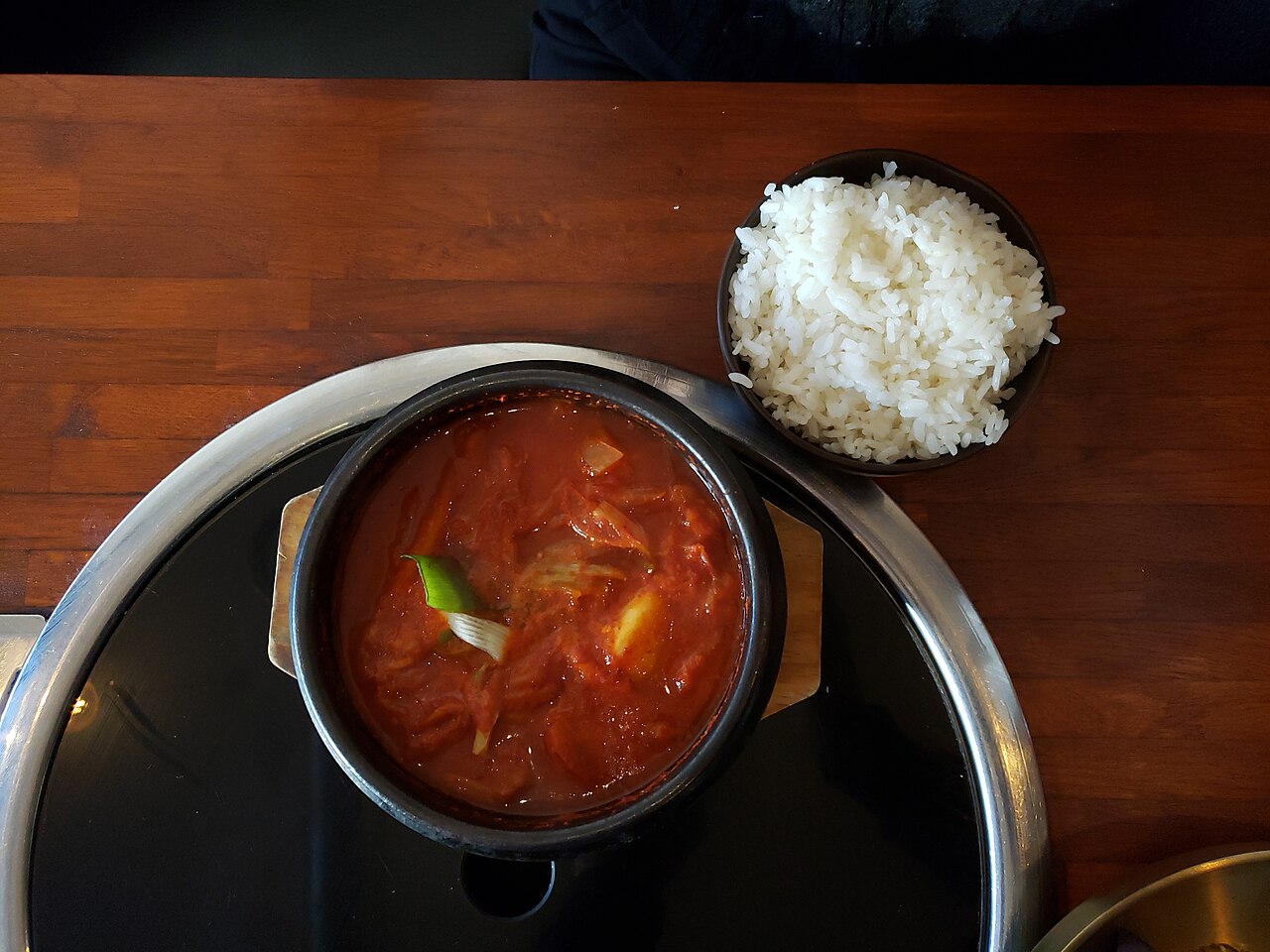
Kimchi Jjigae: Korea's Most Comforting Stew
Bubbling hot, deep red, and unmistakably Korean — kimchi jjigae is the stew that every Korean home smells like on a cold evening.
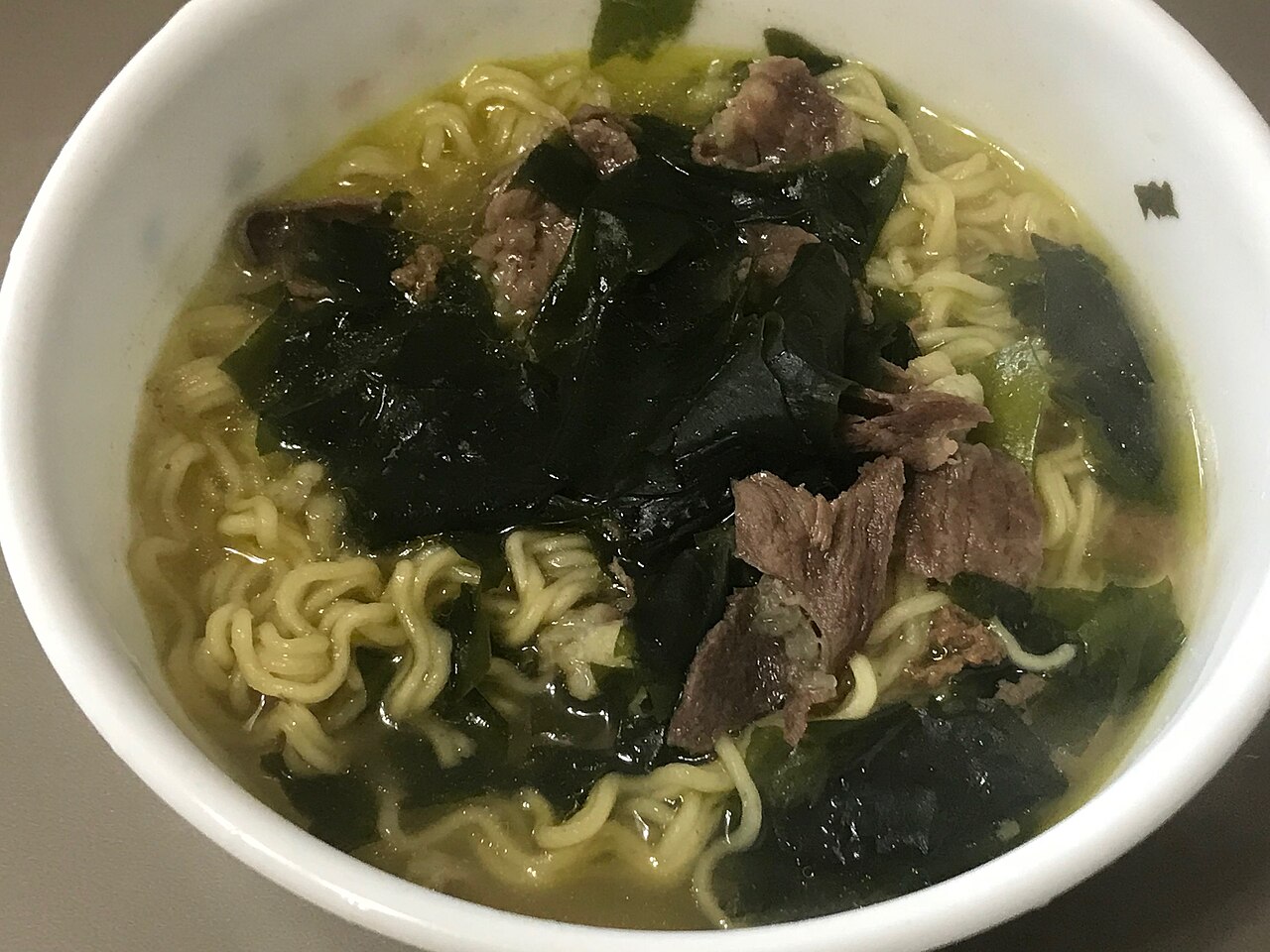
Miyeok-guk: The Birthday Soup That Is Really About Your Mother
Miyeok-guk is the seaweed soup every Korean eats on their birthday — a tradition that began as postpartum recovery food and became an annual act of gratitude to one's mother.
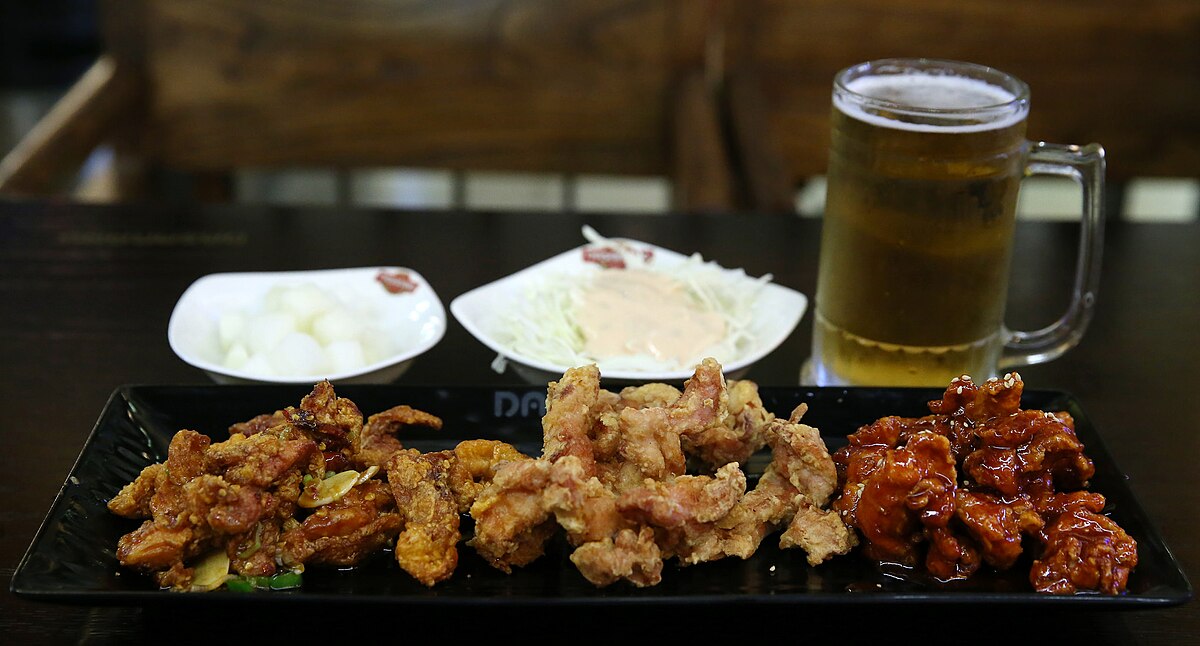
Chimaek: Why Korean Fried Chicken Is the World's Best
Korea has more fried chicken restaurants than McDonald's has locations worldwide. Here's the science and culture behind the crunch.