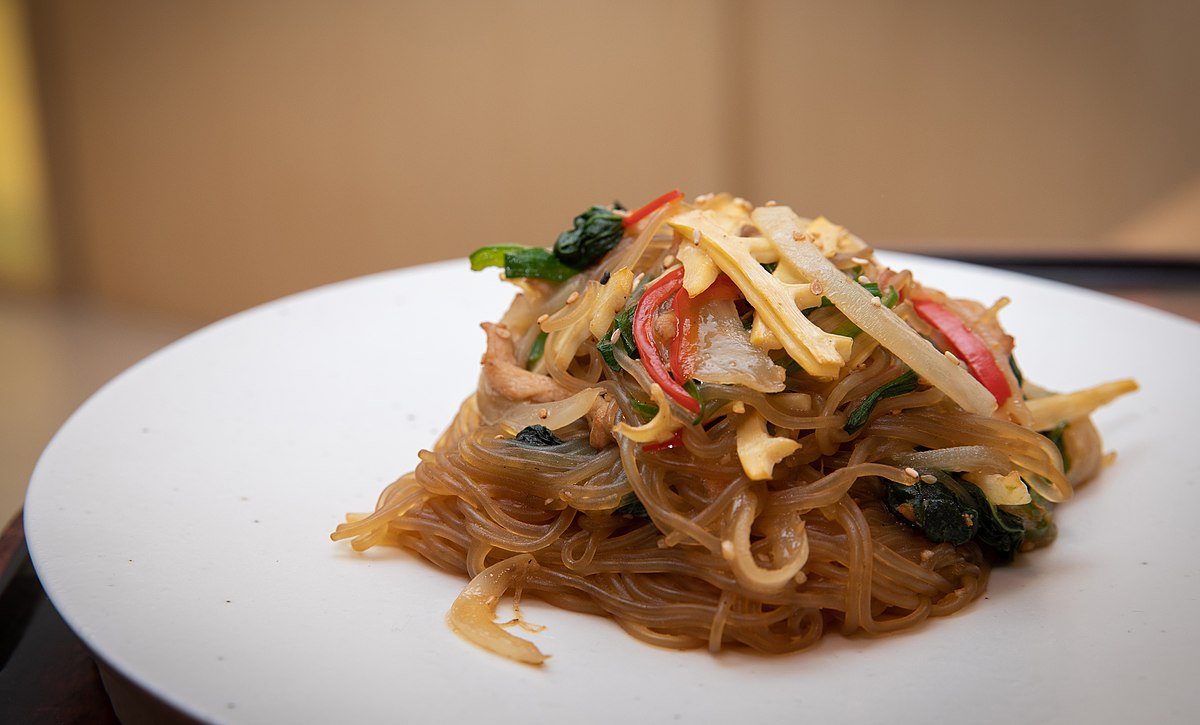
Japchae: Korean Glass Noodles with Vegetables
Japchae is a colorful Korean stir-fry of chewy sweet potato glass noodles tossed with seasoned vegetables, beef, and sesame oil — a festive staple at celebrations.
Photo: Wikipedia Commons
What Is Japchae?
Japchae (잡채) is one of Korea's most beloved and visually striking dishes. It features dangmyeon — translucent, chewy noodles made from sweet potato starch — stir-fried with a colorful array of vegetables including spinach, carrots, mushrooms (especially shiitake), bell peppers, and onions. Thin strips of beef (bulgogi-style) are typically added, though vegetarian versions are also popular. The dish is seasoned with a mixture of soy sauce, sesame oil, garlic, and a touch of sugar, giving it a savory-sweet flavor profile that is distinctly Korean. The finished dish is garnished with sesame seeds and egg strips, resulting in an array of colors — green, orange, brown, and yellow — that make it as pleasing to look at as it is to eat. Japchae is served both warm and at room temperature, making it a versatile dish for celebrations and everyday meals alike.
History & Origins
Japchae has a fascinating royal origin story. Historical records from the Joseon Dynasty describe how a dish called 'japchae' was presented to King Gwanghaegun (r. 1608–1623) and pleased him so greatly that he rewarded its creator with a court position. Interestingly, the original recipe did not contain noodles — it was simply a mixture of various stir-fried vegetables ('jap' meaning mixed, 'chae' meaning vegetables). Sweet potato starch noodles (dangmyeon) were added to the dish much later, transforming it into the version Koreans know today. The noodles likely became standard during the 20th century when sweet potato cultivation expanded in Korea. Despite its royal origins, japchae became a beloved dish for festive occasions among all social classes — it is now a fixture at Korean birthday celebrations, holidays, and family gatherings.
How Koreans Eat It
Japchae is traditionally a feast dish — one of the essential items on the table at Korean birthday parties (doljanchi or hwangap), Chuseok, and Seollal. It is usually eaten as a side dish alongside rice and other banchan rather than as a standalone meal.
- ·Japchae is best eaten slightly warm or at room temperature — avoid reheating it too much as the noodles can become sticky
- ·Look for it at Korean buffet-style restaurants (한식 뷔페) where it is almost always included
- ·Vegetarian versions (without beef) are widely available and just as delicious — ask in advance
- ·The noodles are naturally gluten-free, making japchae a good option for those avoiding wheat
Cultural Significance
Japchae is a dish of celebration in Korean culture. Its presence on the table signals a special occasion — its labor-intensive preparation (each vegetable is cooked separately to maintain color and texture) signals that someone cared enough to put in the effort. A table without japchae at a Korean birthday party is considered somewhat incomplete. The dish also represents Korean culinary aesthetics — the emphasis on color, balance, and visual presentation is deeply embedded in Korean food culture, and japchae exemplifies this with its rainbow of ingredients. For foreign visitors, japchae is often one of the first Korean dishes to win immediate acceptance, as its mild, savory-sweet flavor profile is broadly accessible.
Tips
- 💡At Korean restaurants abroad, japchae is one of the safest dishes for first-time Korean food tasters due to its mild, approachable flavors
- 💡If making at home, cook each vegetable separately and combine at the end — this keeps the colors vibrant and textures distinct
- 💡Order japchae at Korean celebration buffets and festivals where it is always freshly made in large batches
Last updated: April 1, 2026
You might also like
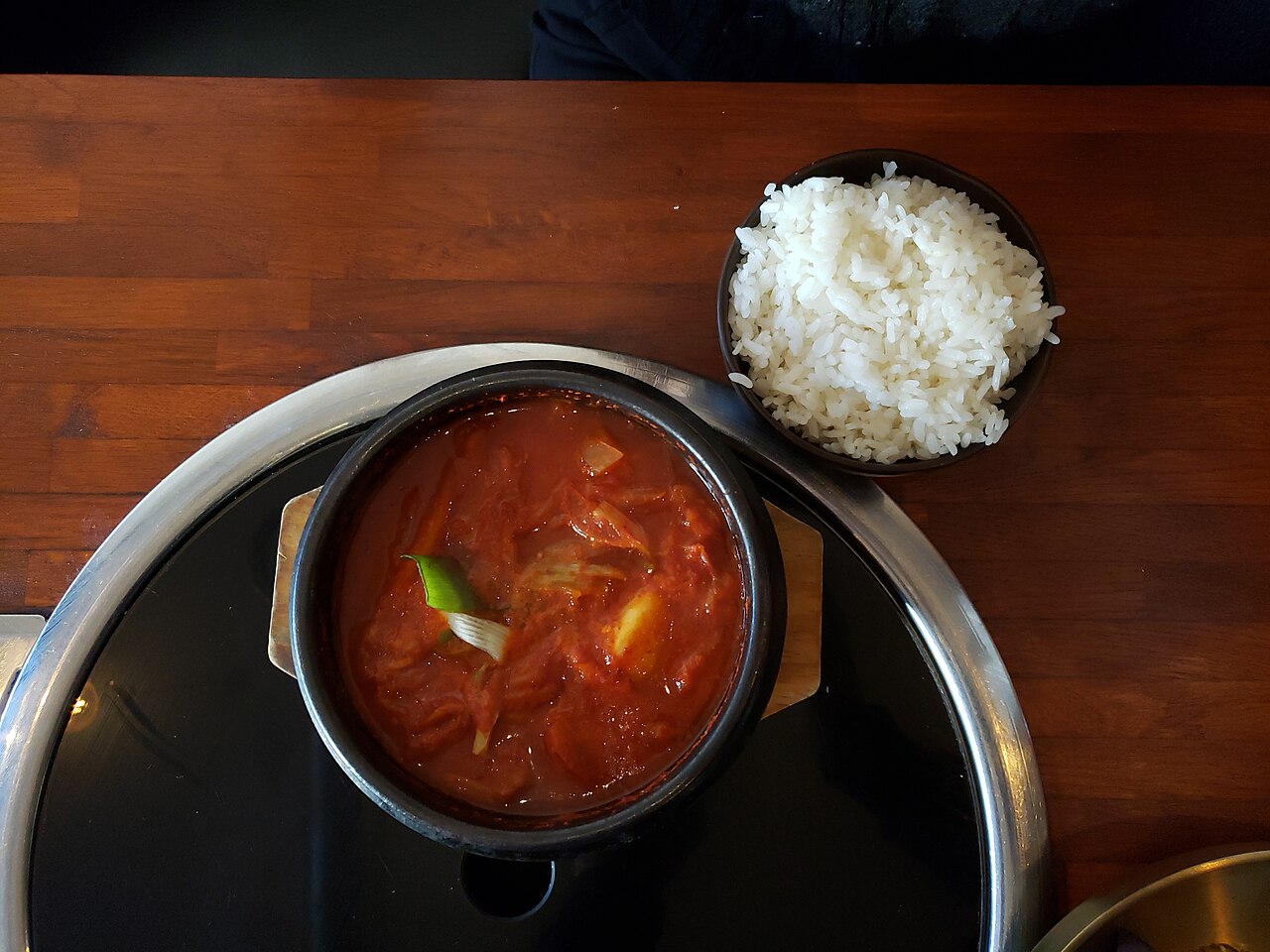
Kimchi Jjigae: Korea's Most Comforting Stew
Bubbling hot, deep red, and unmistakably Korean — kimchi jjigae is the stew that every Korean home smells like on a cold evening.
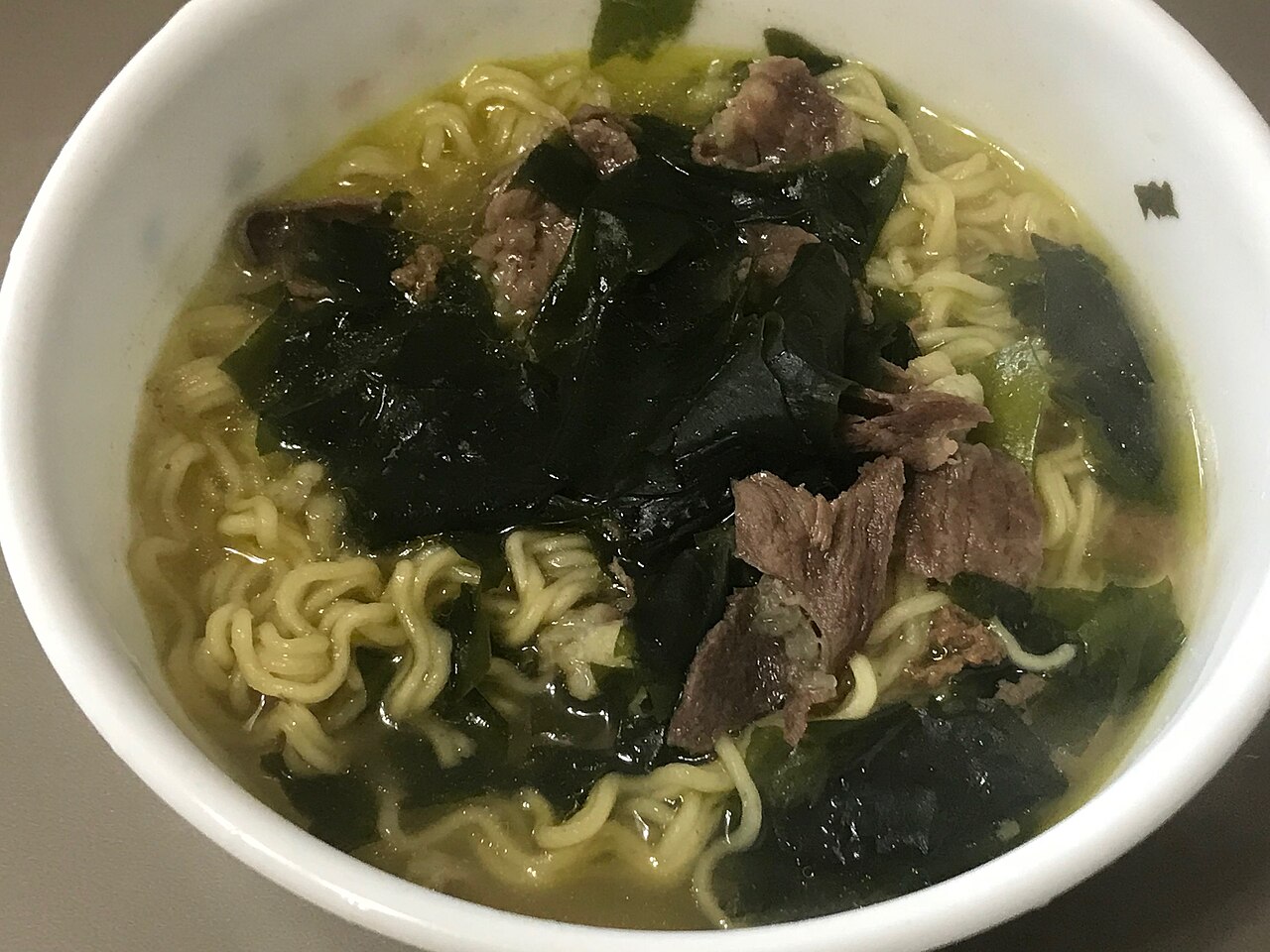
Miyeok-guk: The Birthday Soup That Is Really About Your Mother
Miyeok-guk is the seaweed soup every Korean eats on their birthday — a tradition that began as postpartum recovery food and became an annual act of gratitude to one's mother.
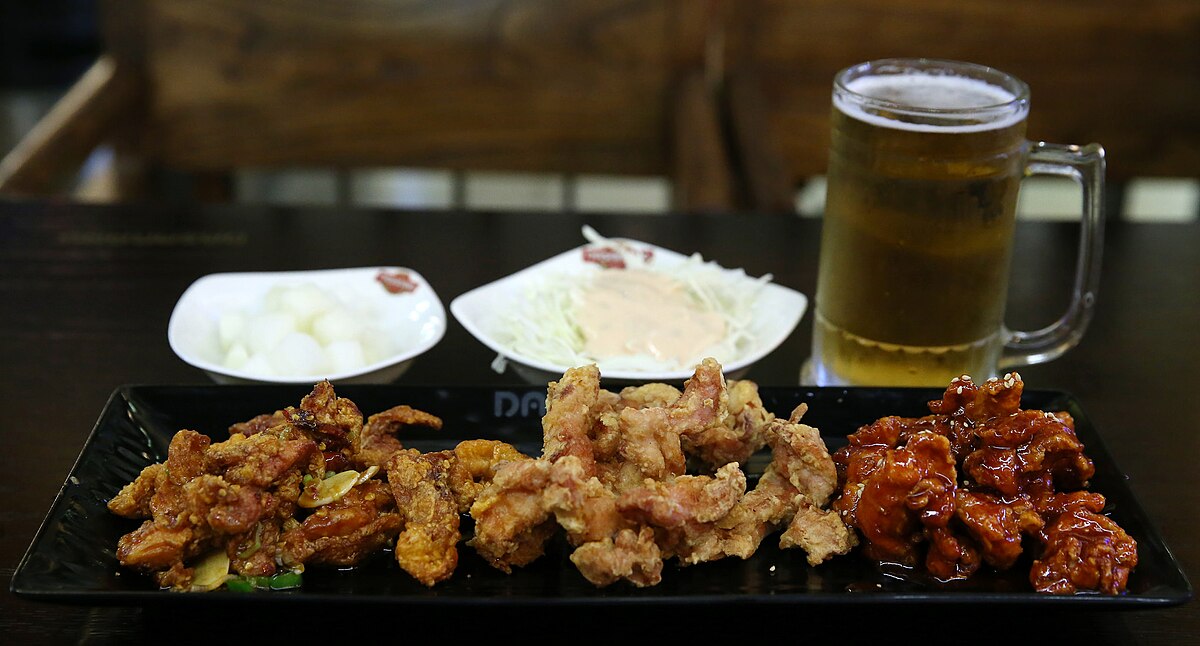
Chimaek: Why Korean Fried Chicken Is the World's Best
Korea has more fried chicken restaurants than McDonald's has locations worldwide. Here's the science and culture behind the crunch.