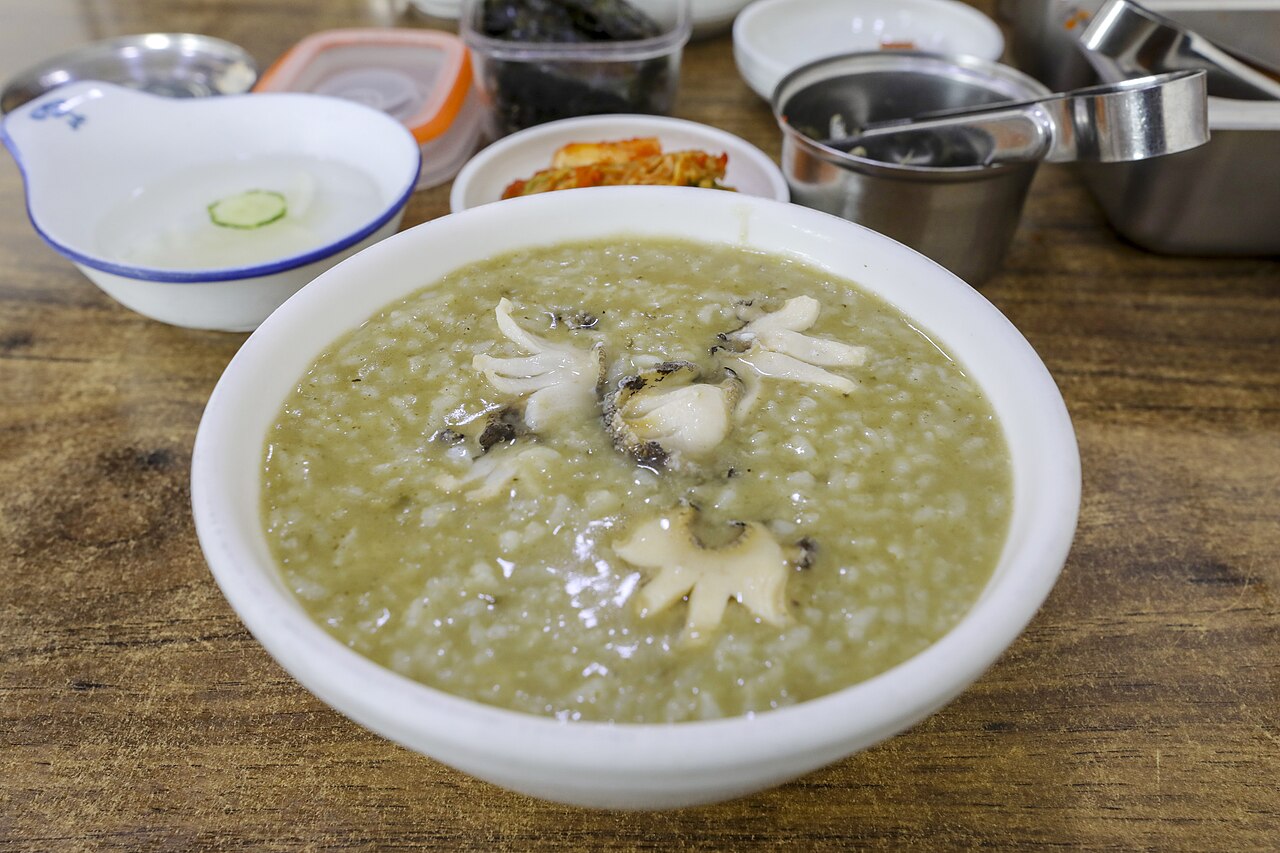
Jeonbok Juk: Jeju's Luxurious Abalone Porridge
Jeonbok juk is a silky, pale green rice porridge made with fresh Jeju abalone, considered one of Korea's most prized and restorative health foods.
Photo: Wikipedia Commons
What Is Jeonbok Juk?
Jeonbok juk (전복죽) is a rice porridge made with abalone (전복, jeonbok), one of the most prized ingredients in Korean cuisine. The dish has a distinctive pale green color that comes from the abalone's liver, which is mixed into the rice as it slowly cooks. The result is a uniquely savory, slightly oceanic porridge with a silky, smooth texture. Jeju Island is synonymous with jeonbok juk because Jeju's haenyeo (해녀) — the famous female free-divers — have harvested wild abalone from the island's clear waters for centuries. Jeju abalone is considered the finest in Korea, prized for its large size and complex flavor. The porridge is made by first sautéing the abalone in sesame oil, then slowly cooking it with soaked rice and water into a creamy consistency. Jeonbok juk is widely regarded as a premium health food in Korea. It is given to the elderly, postoperative patients, new mothers, and anyone needing gentle nourishment. The abalone is rich in protein, vitamins, and minerals, and the porridge form makes it easy to digest.
History & Origins
Abalone has been eaten in Korea for at least 2,000 years, with archaeological evidence of consumption dating to the Three Kingdoms period. During the Joseon Dynasty, dried abalone (건전복) was one of the most valued tribute items sent to the royal court from Jeju Island. The haenyeo diving culture, which may be 1,500 years old, made Jeju the center of abalone production. Jeonbok juk likely developed as a practical way to use the entire abalone, including its organ meat, without waste. Over time it evolved from a simple fisherman's meal into a prestigious dish served to honored guests and the sick. In the 20th century, as Jeju's tourism industry developed, jeonbok juk restaurants became a staple of the island's food scene and one of the dishes most closely associated with visiting Jeju.
How Koreans Eat It
Jeonbok juk is a dish meant to be savored slowly. It is typically served in a stone or ceramic bowl that retains heat, accompanied by simple side dishes.
- ·Eat it plain first — the subtle, oceanic flavor of the abalone and the nuttiness of the sesame oil are best appreciated without seasoning initially
- ·Season lightly with a small amount of soy sauce or salt to taste, avoiding strong flavors that would overpower the delicate abalone
- ·Look for restaurants near Jeju's coastal markets where you can sometimes see the abalone being prepared fresh from live tanks
- ·Pair with dongchimi (white radish water kimchi) for a refreshing contrast to the rich, savory porridge
Cultural Significance
Jeonbok juk is inseparable from Jeju's cultural identity. The haenyeo who dive for abalone are UNESCO-recognized as an Intangible Cultural Heritage, and their way of life is intimately connected to the dish on the plate. Eating jeonbok juk in Jeju is a way of honoring that heritage. The dish also embodies Korean attitudes toward food as medicine (약식동원 — food and medicine share the same origin). Giving jeonbok juk to someone recovering from illness or exhaustion is an act of deep care. Its premium status makes it a popular gift item — dried abalone and packaged jeonbok juk are sold in elegant gift boxes at Jeju Airport. The dish represents the best of what Jeju's natural environment has to offer.
Tips
- 💡Seongsan Ilchulbong area and Jeju City's seafood market are excellent spots to find restaurants serving freshly made jeonbok juk
- 💡Genuine Jeju abalone is expensive — expect to pay 15,000–30,000 KRW per bowl; very cheap versions may use farmed abalone from elsewhere
- 💡The porridge tastes best when eaten immediately while piping hot, so don't wait to finish photographing it before eating
Last updated: April 1, 2026
You might also like
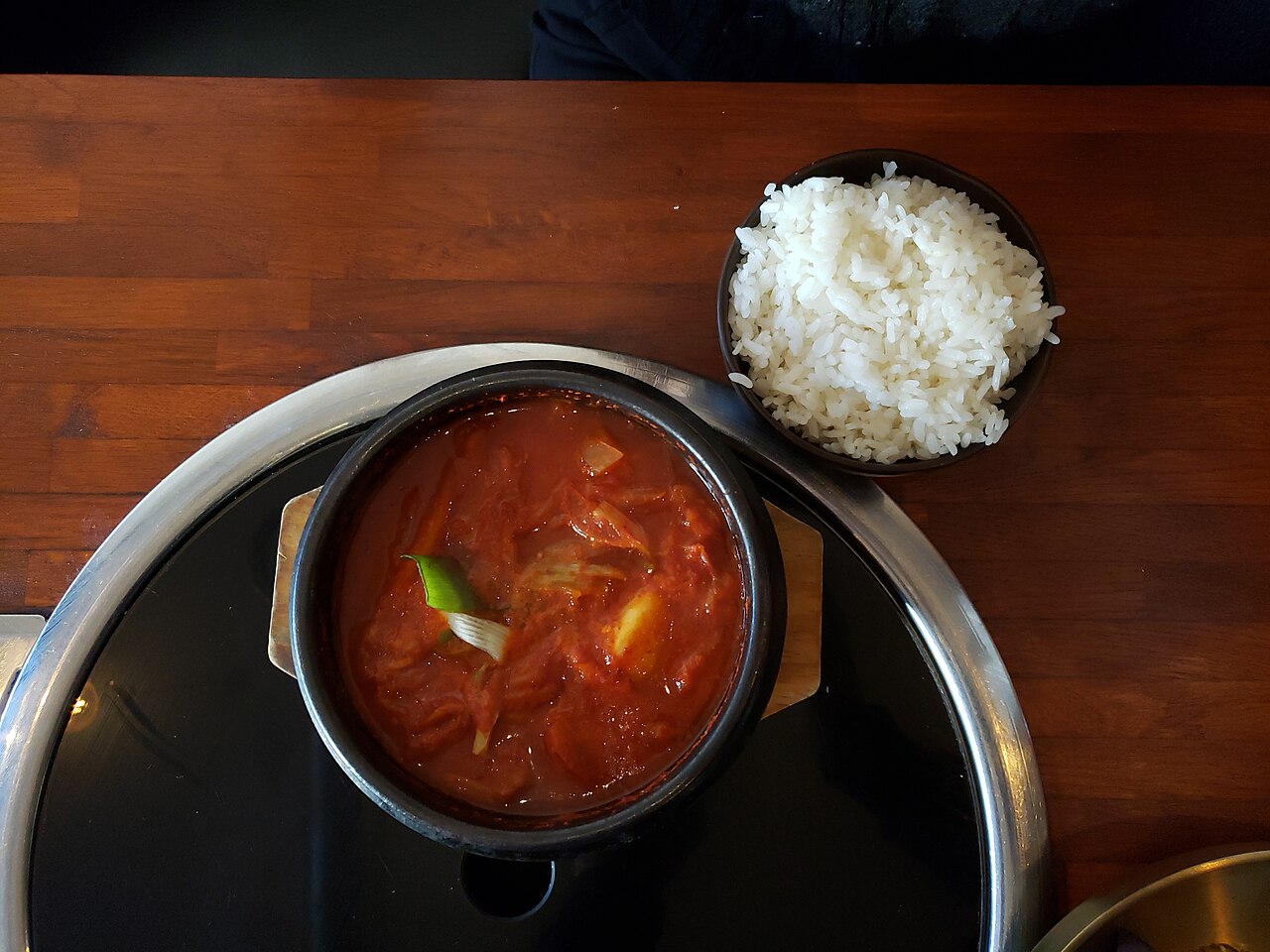
Kimchi Jjigae: Korea's Most Comforting Stew
Bubbling hot, deep red, and unmistakably Korean — kimchi jjigae is the stew that every Korean home smells like on a cold evening.
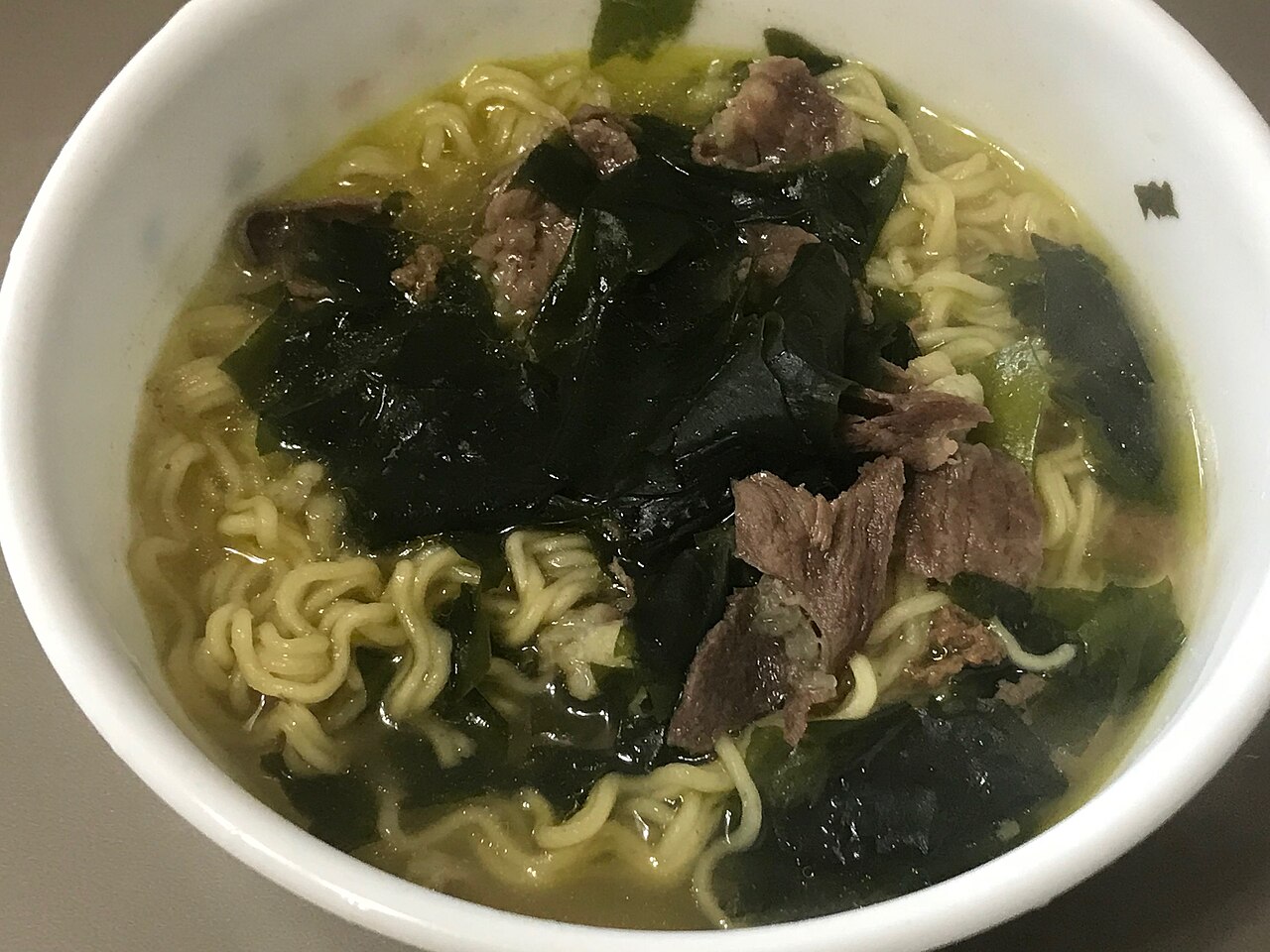
Miyeok-guk: The Birthday Soup That Is Really About Your Mother
Miyeok-guk is the seaweed soup every Korean eats on their birthday — a tradition that began as postpartum recovery food and became an annual act of gratitude to one's mother.
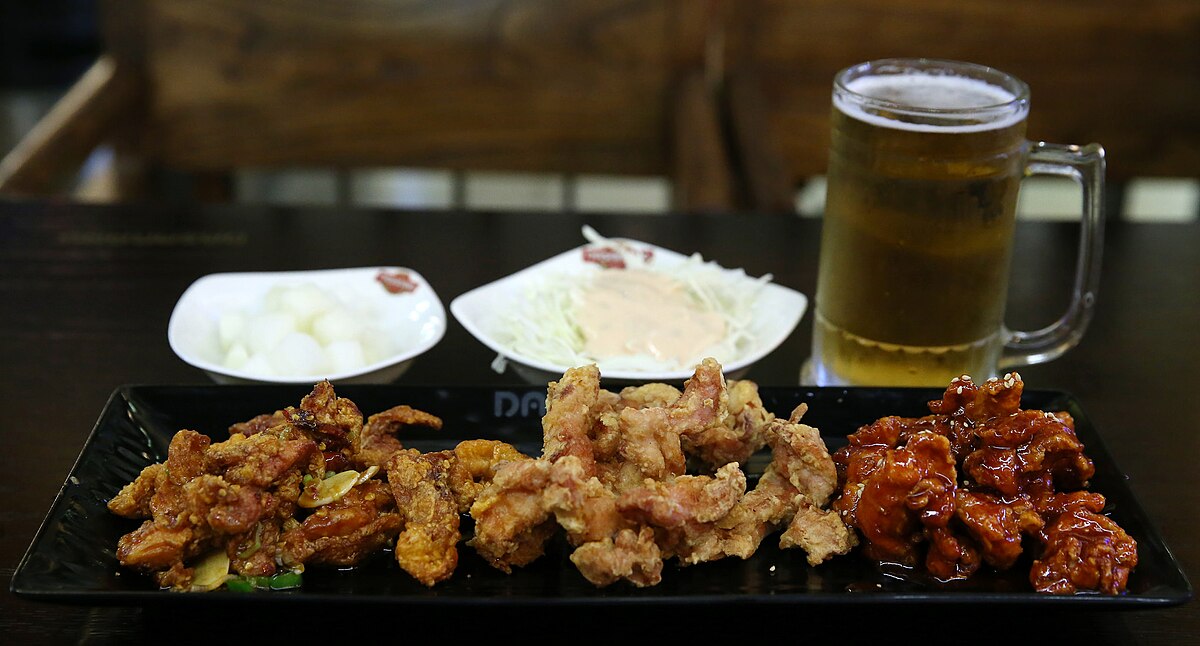
Chimaek: Why Korean Fried Chicken Is the World's Best
Korea has more fried chicken restaurants than McDonald's has locations worldwide. Here's the science and culture behind the crunch.