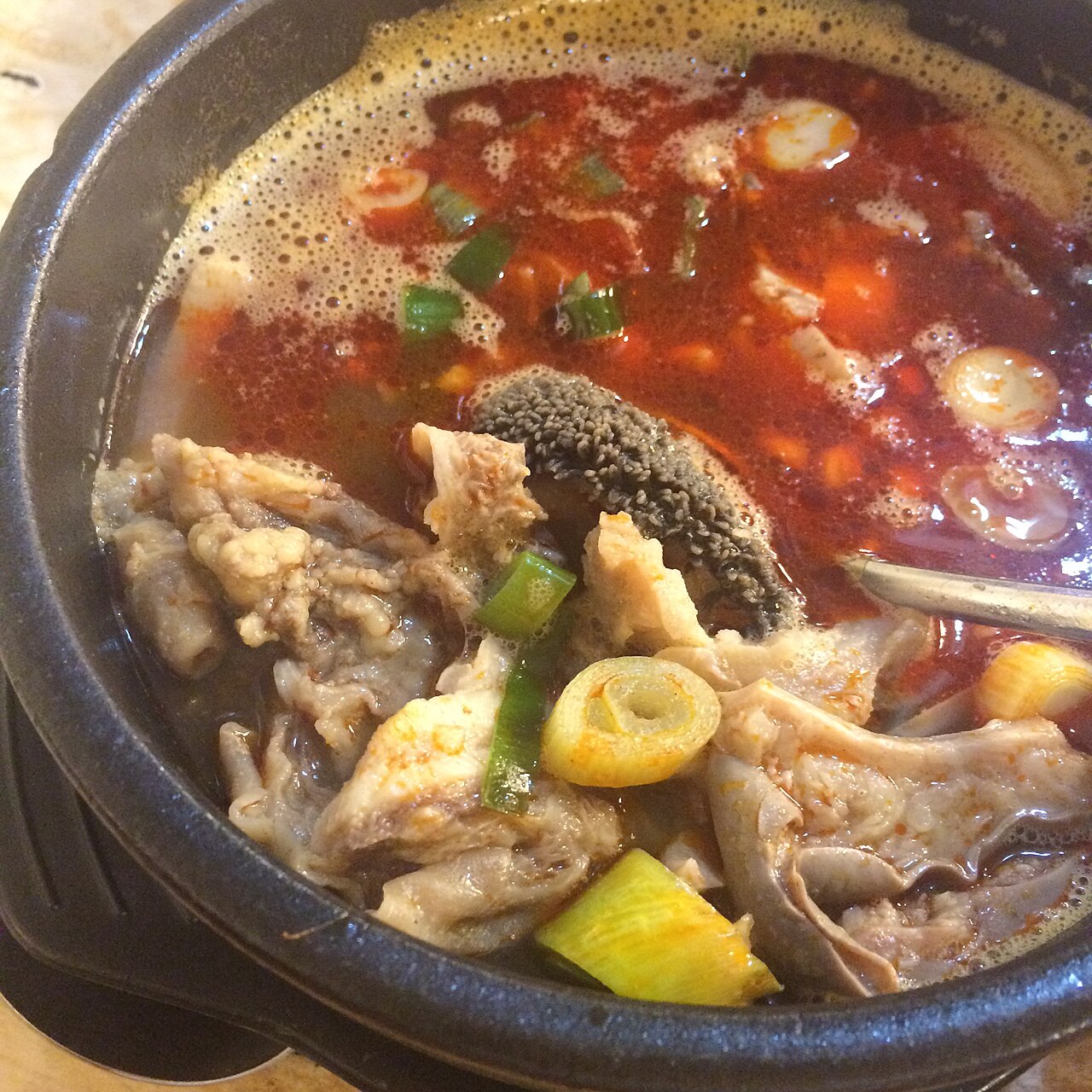
Jinjuseong Haejangguk: The Fortress Hangover Soup
Jinjuseong Haejangguk is a fiery pork bone and vegetable soup served near the historic Jinju Fortress since the Joseon era, famous for its intensely flavoured deep-red broth and its reputation as both a restorative morning meal and the defining flavour of Jinju's culinary identity.
Photo: Wikipedia Commons
What Is Jinjuseong Haejangguk?
Jinjuseong Haejangguk (진주성해장국) is a variety of haejangguk — the Korean category of restorative soups traditionally consumed to cure hangovers or restore energy after hard labour — made by simmering pork spine bones (등뼈) with bean sprouts, dried radish greens, and perilla seeds in a deeply spiced chilli broth for several hours. The Jinju version is distinguished by its use of a secondary fermented paste base unique to South Gyeongsang Province, which gives the broth a sour-savoury complexity absent from most northern haejangguk variants. The soup has been served near Jinju Castle (진주성) continuously since at least the eighteenth century.
History & Significance
Jinju has been one of the most significant cities in South Gyeongsang Province for centuries, and its culinary traditions reflect both the sophistication of the local yangban (aristocratic) class and the practicality of a city that has withstood repeated military sieges — most famously the Battle of Jinju in 1592 during the Japanese invasions. Haejangguk near the fortress developed as sustenance for soldiers and market traders who gathered outside the castle walls, and the soup's restorative intensity reflects these utilitarian origins. The dish became famous beyond Jinju when Joseon-era travel writing described it as the finest haejangguk in the southern provinces.
What to See & Do
The haejangguk restaurants near Jinju Fortress open from 5 AM and serve continuously until mid-afternoon. The dish is consumed in the context of a full Jinju food tour that typically includes bibimbap (Jinju is also famous for its own variation), yukhoe (raw beef), and cold noodles. The fortress itself, with its famous cliffside pavilion Chokseongnu, is a 5-minute walk from the haejangguk street.
Visitor Tips
The soup is intensely spicy by national standards — beginners should start with the mildest option. Order extra rice as the broth is best consumed with copious steamed rice. The fortress-side haejangguk restaurants are most atmospheric in early morning when steam rises from the pots and the castle walls are still in shadow.
Tips
- 💡Order the soup with an extra side of chonggak kimchi — the pairing is traditional and cuts through the richness.
- 💡The pork spine meat is tender after hours of simmering — use scissors to cut it from the bone at the table.
- 💡Combine with a visit to Jinju Fortress and the National Museum of Jinju for a full day in the city.
Last updated: April 1, 2026
You might also like
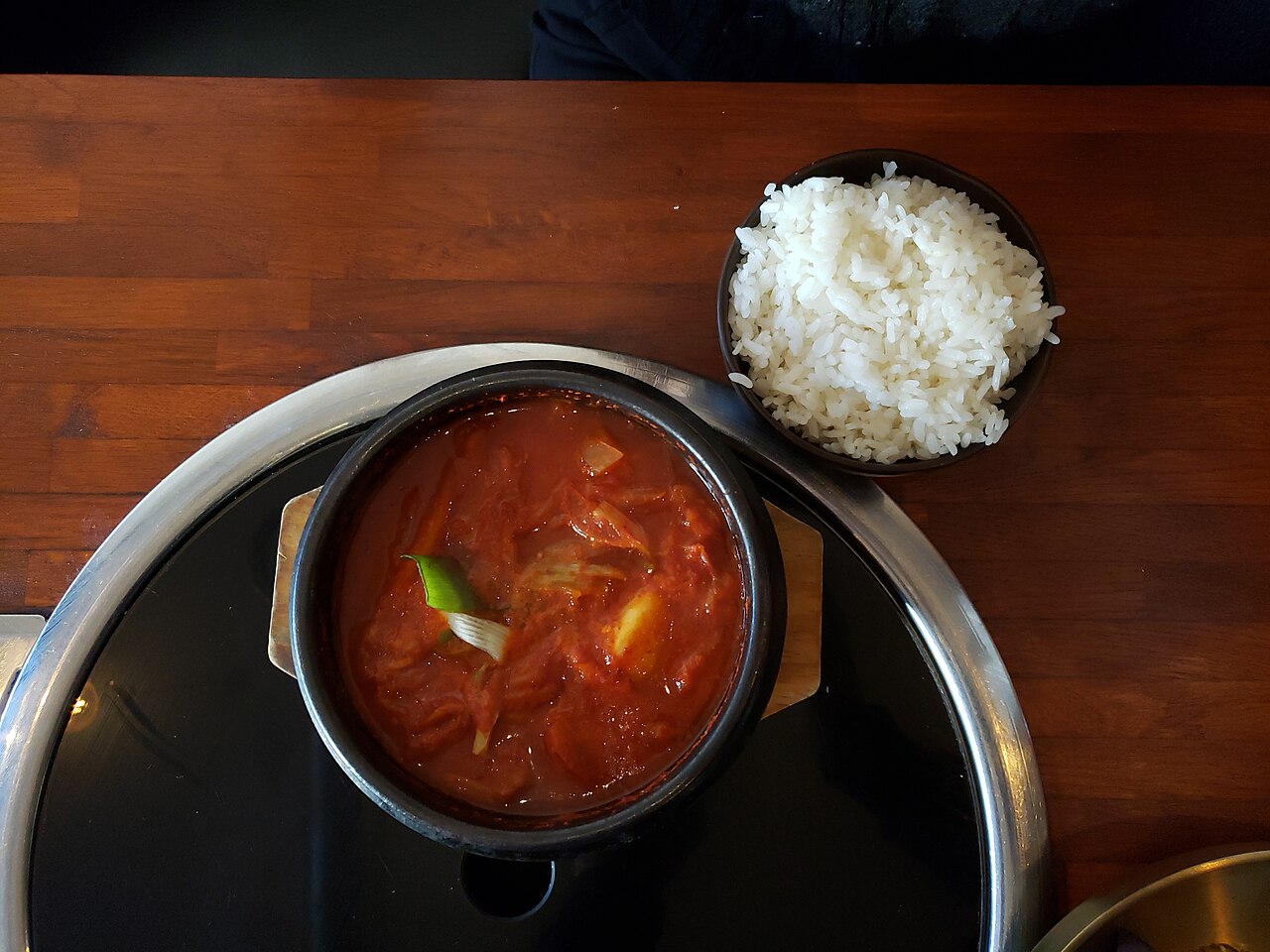
Kimchi Jjigae: Korea's Most Comforting Stew
Bubbling hot, deep red, and unmistakably Korean — kimchi jjigae is the stew that every Korean home smells like on a cold evening.
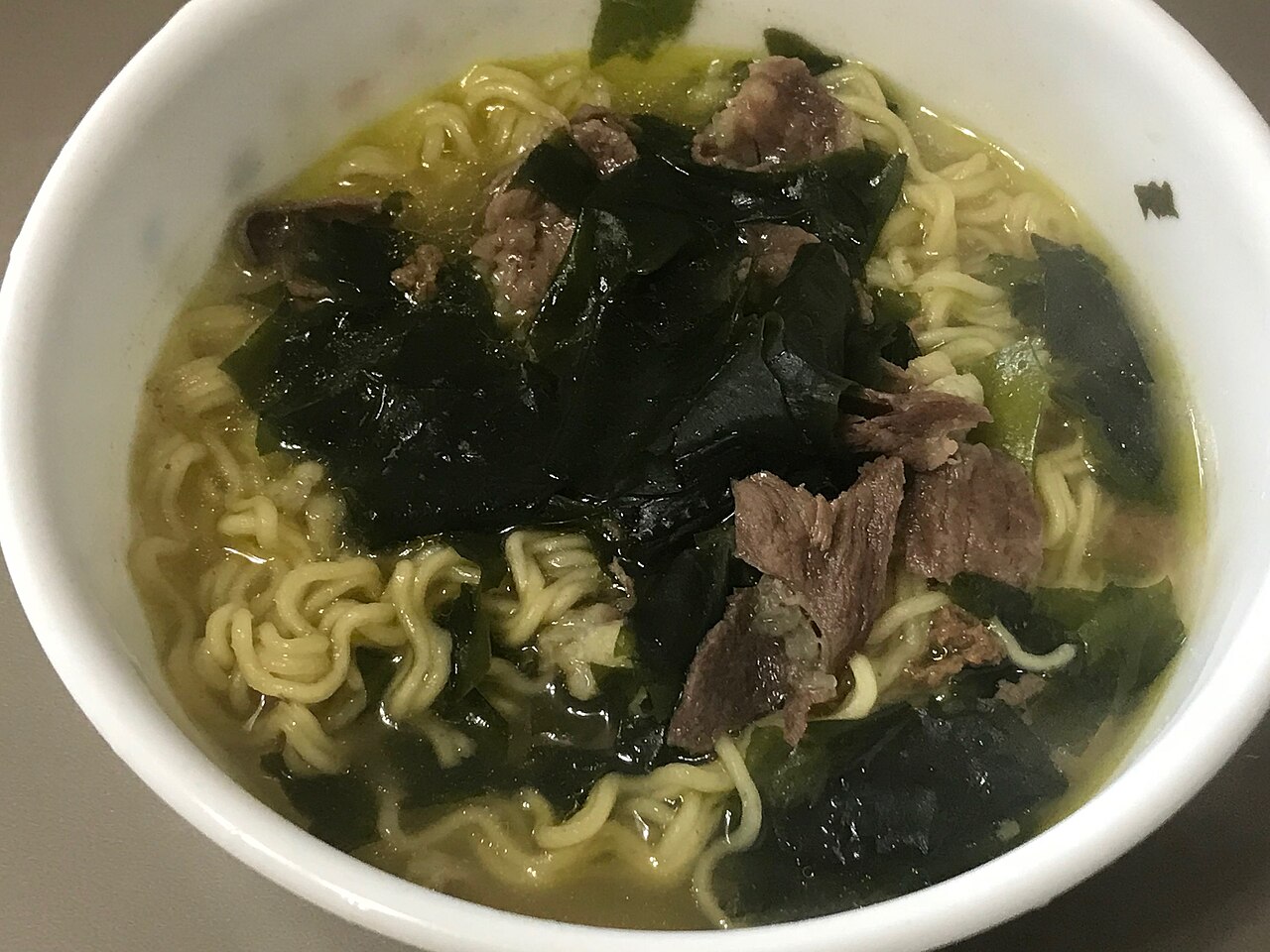
Miyeok-guk: The Birthday Soup That Is Really About Your Mother
Miyeok-guk is the seaweed soup every Korean eats on their birthday — a tradition that began as postpartum recovery food and became an annual act of gratitude to one's mother.
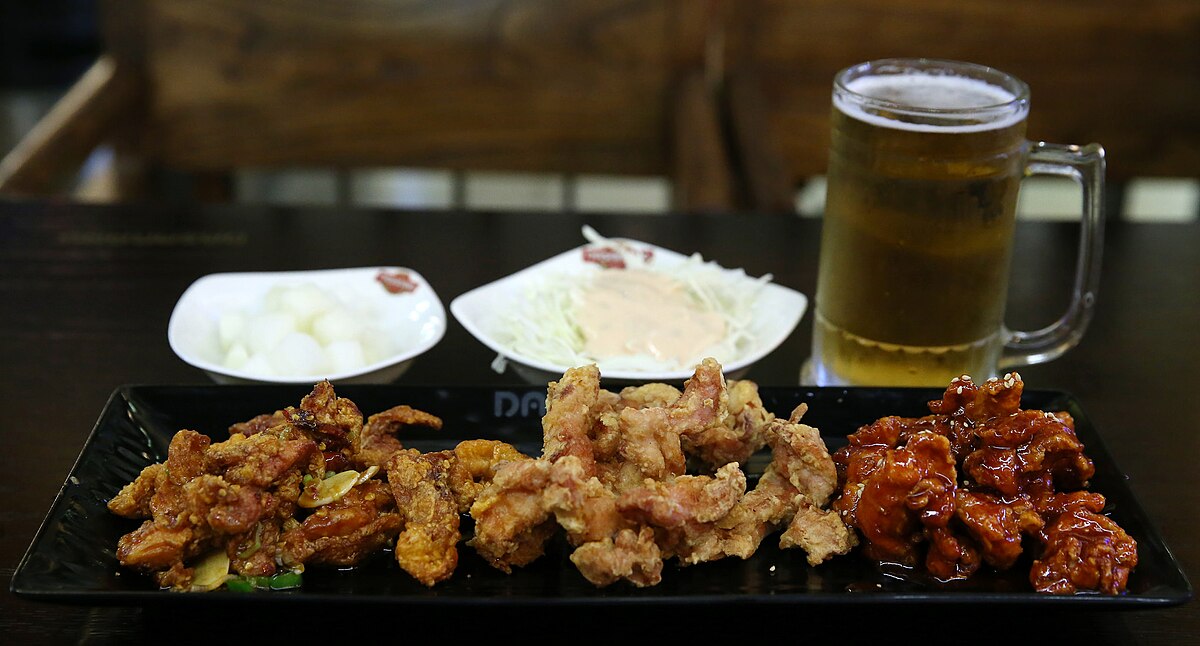
Chimaek: Why Korean Fried Chicken Is the World's Best
Korea has more fried chicken restaurants than McDonald's has locations worldwide. Here's the science and culture behind the crunch.