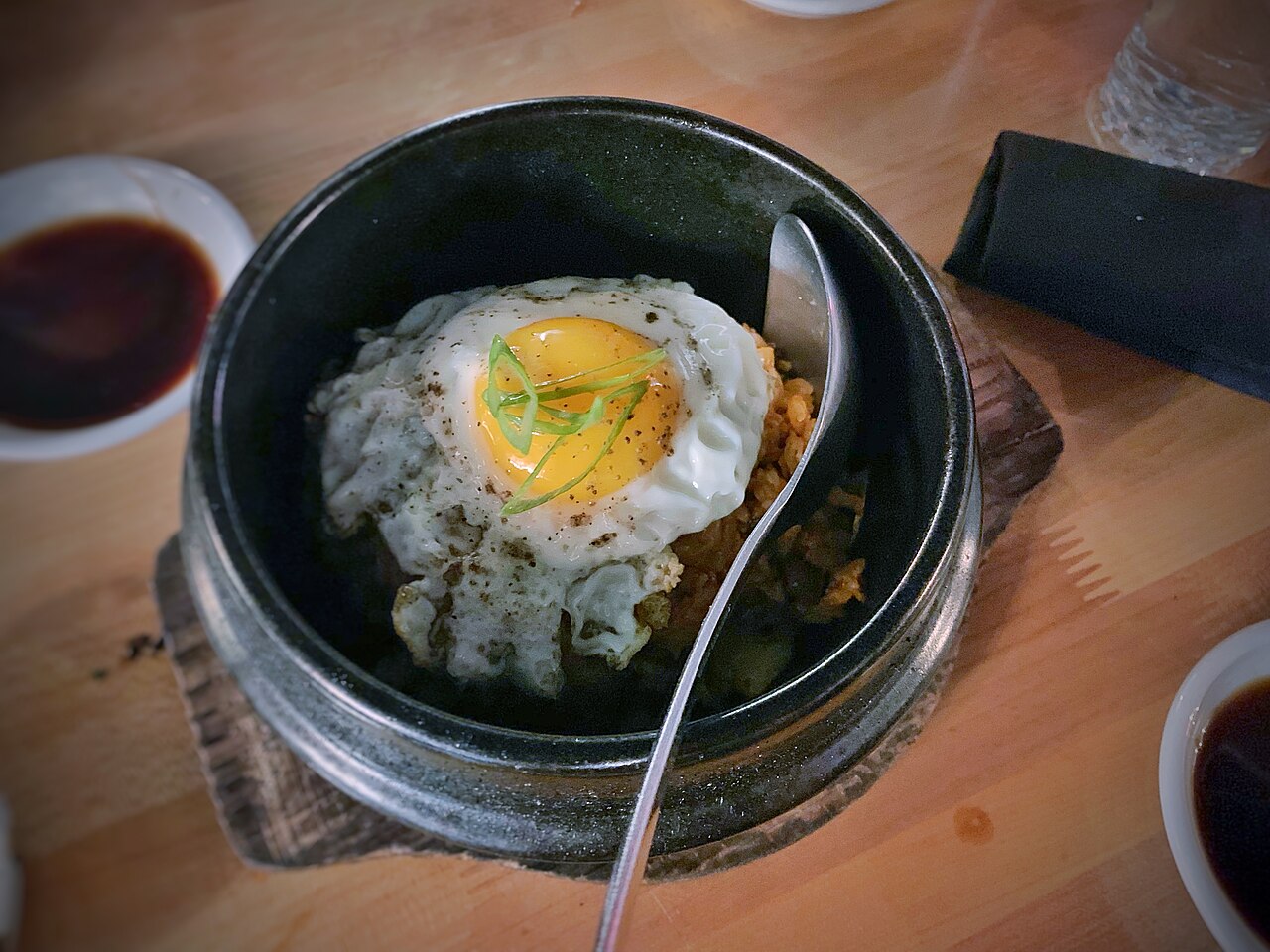
Kimchi-bokkeumbap: Kimchi Fried Rice
Kimchi-bokkeumbap is Korea's most beloved fried rice — tangy fermented kimchi stir-fried with rice and pork, topped with a fried egg and sesame oil for a simple, perfect meal.
Photo: Wikipedia Commons
What Is Kimchi-bokkeumbap?
Kimchi-bokkeumbap (김치볶음밥) is a Korean fried rice dish made by stir-frying cold, day-old cooked rice with chopped, well-fermented kimchi over high heat. Diced pork belly, spam, or tuna is usually added for protein. The kimchi's natural oils, its spicy red sauce, and a touch of gochujang combine to coat every grain of rice with complex, tangy, savory flavor. The dish is finished with a drizzle of sesame oil and typically topped with a fried egg (with a runny yolk), nori (dried seaweed) strips, and sesame seeds. When the yolk breaks over the hot rice, it creates a rich, silky sauce that rounds out the sharpness of the kimchi beautifully. Kimchi-bokkeumbap is considered the ultimate Korean pantry meal — it requires minimal ingredients (all of which Koreans always have on hand) and can be made in under 10 minutes, yet it is one of the most satisfying things in Korean cuisine.
History & Origins
Fried rice traditions exist across East and Southeast Asia, and Korea's version reflects the country's deep relationship with fermented foods. Kimchi-bokkeumbap likely developed as a practical way to use up leftover rice and kimchi simultaneously — a combination of economy and resourcefulness that is characteristic of Korean home cooking. The dish became ubiquitous in Korean home cooking throughout the 20th century as refrigerators made day-old rice a constant household resource. Korean school cafeterias, army mess halls, and household kitchens all developed their own versions, and the dish became as ordinary and essential as any food in the Korean repertoire. The addition of Spam (canned ham) to kimchi-bokkeumbap reflects a specific chapter of Korean culinary history — Spam was introduced during the Korean War through American military presence and became deeply embedded in Korean cooking, where it acquired its own cultural dignity as a legitimate and beloved ingredient.
How Koreans Eat It
Kimchi-bokkeumbap is a casual, everyday meal eaten at home, in school cafeterias, and at simple Korean restaurants. It is rarely a ceremonial or restaurant-special food — it is comfort food in the truest sense.
- ·Day-old rice is better than freshly cooked — it fries crispier because it has less moisture
- ·Break the fried egg yolk over the rice immediately and mix thoroughly before eating
- ·A light drizzle of sesame oil at the end is non-negotiable — it transforms the dish
- ·Add the nori (gim) strips just before eating so they stay slightly crispy rather than becoming soggy
Cultural Significance
Kimchi-bokkeumbap is the quintessential Korean comfort food — the equivalent of macaroni and cheese or scrambled eggs on toast in other cultures. It is what Koreans make when they are hungry, tired, or homesick. It requires no special skill, no planning, and minimal ingredients, yet it always delivers satisfaction. The dish also exemplifies the central role of kimchi in Korean food culture. Kimchi is not just a side dish in Korea — it is an ingredient, a seasoning, and a flavor base. Kimchi-bokkeumbap demonstrates this most directly: the kimchi is not a condiment but the heart of the dish, providing all the seasoning, color, and depth that the rice needs.
Tips
- 💡Use kimchi that has been fermenting for at least two to three weeks for the best flavor — fresh kimchi is too mild
- 💡The key technique is high heat — the pan should be smoking hot before adding the rice to achieve the slight crispiness that distinguishes good kimchi-bokkeumbap
- 💡Add the kimchi juice (the liquid from the kimchi container) along with the kimchi — it adds extra flavor and helps coat the rice
Last updated: April 1, 2026
You might also like
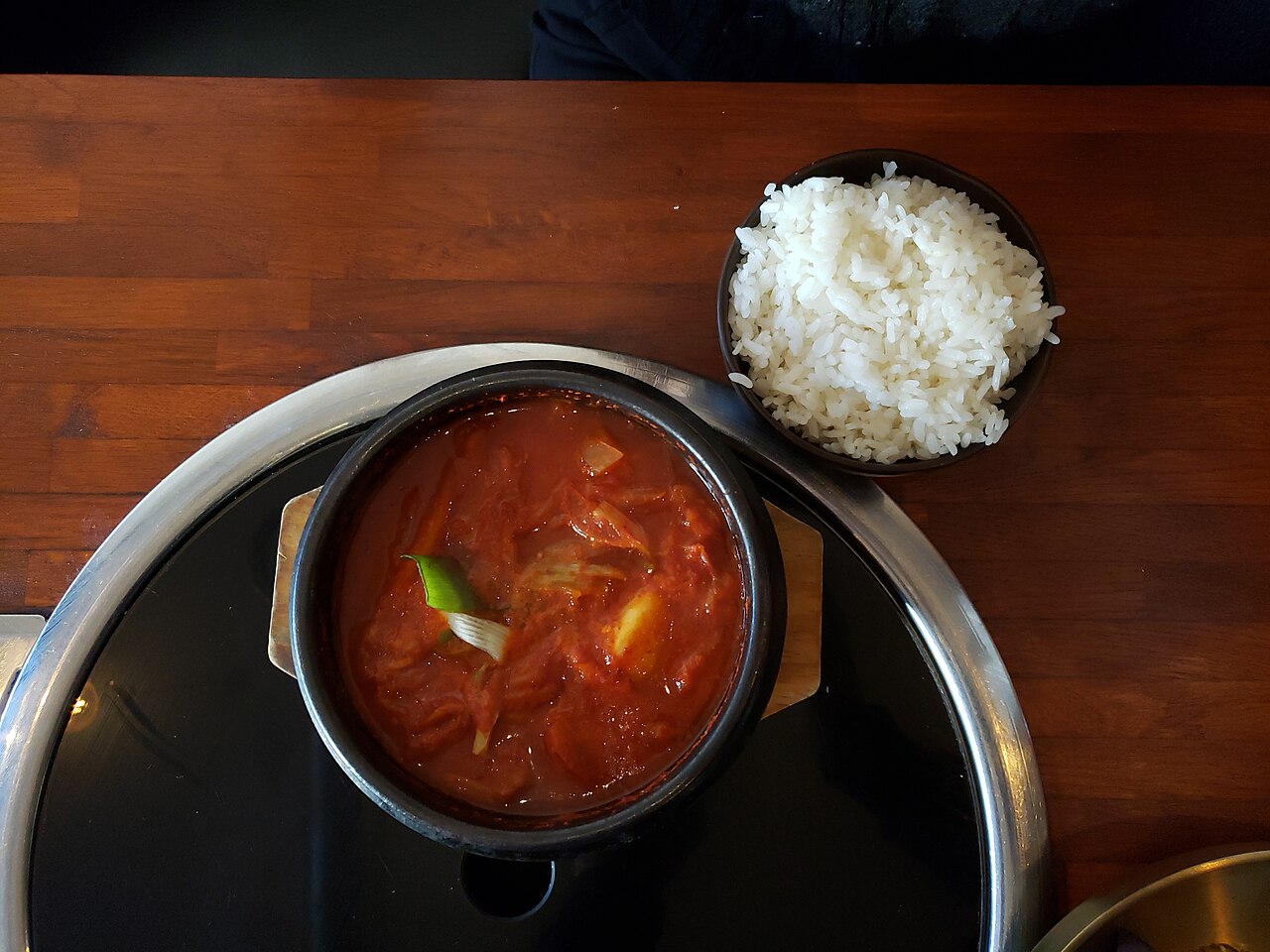
Kimchi Jjigae: Korea's Most Comforting Stew
Bubbling hot, deep red, and unmistakably Korean — kimchi jjigae is the stew that every Korean home smells like on a cold evening.
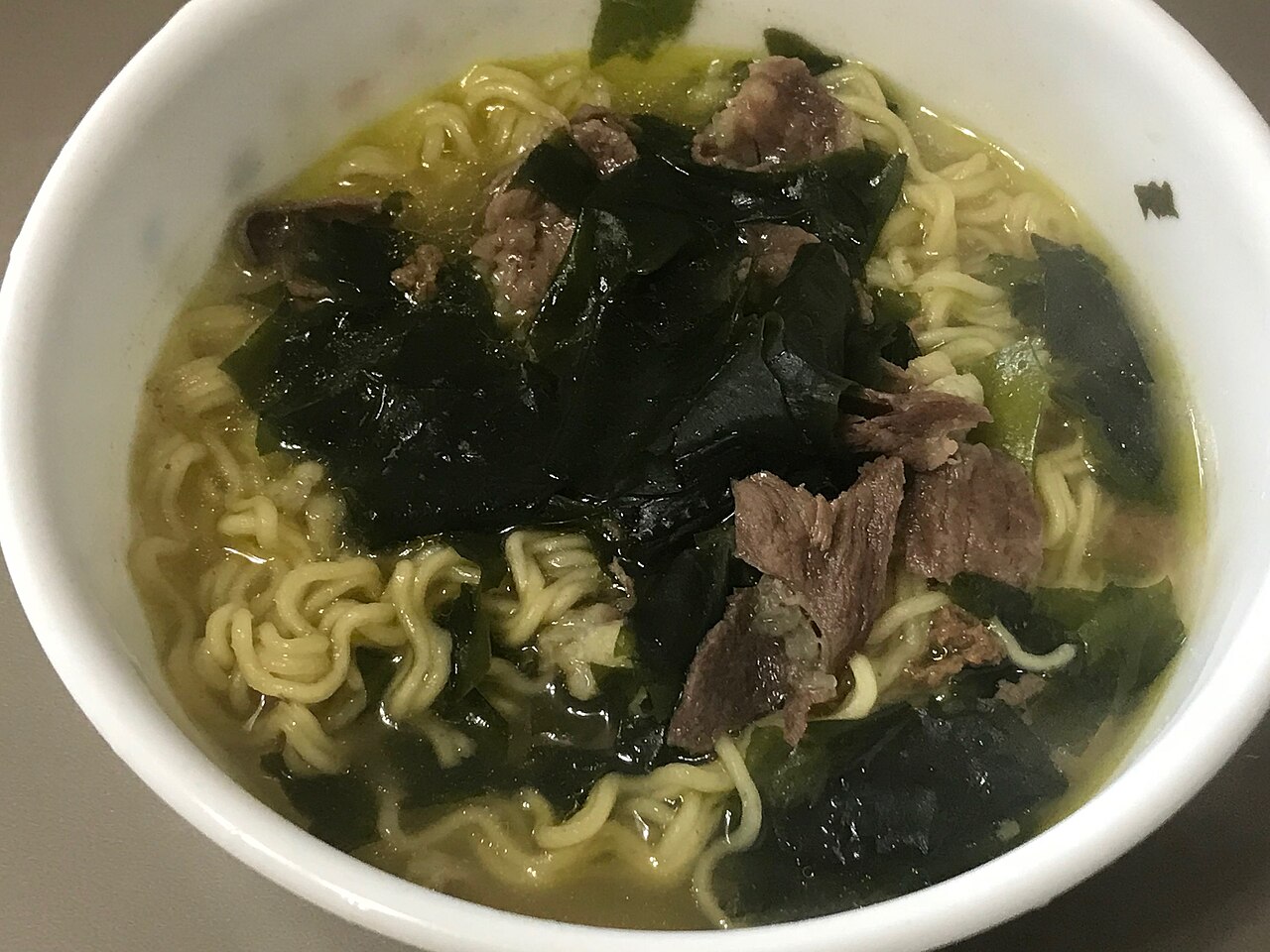
Miyeok-guk: The Birthday Soup That Is Really About Your Mother
Miyeok-guk is the seaweed soup every Korean eats on their birthday — a tradition that began as postpartum recovery food and became an annual act of gratitude to one's mother.
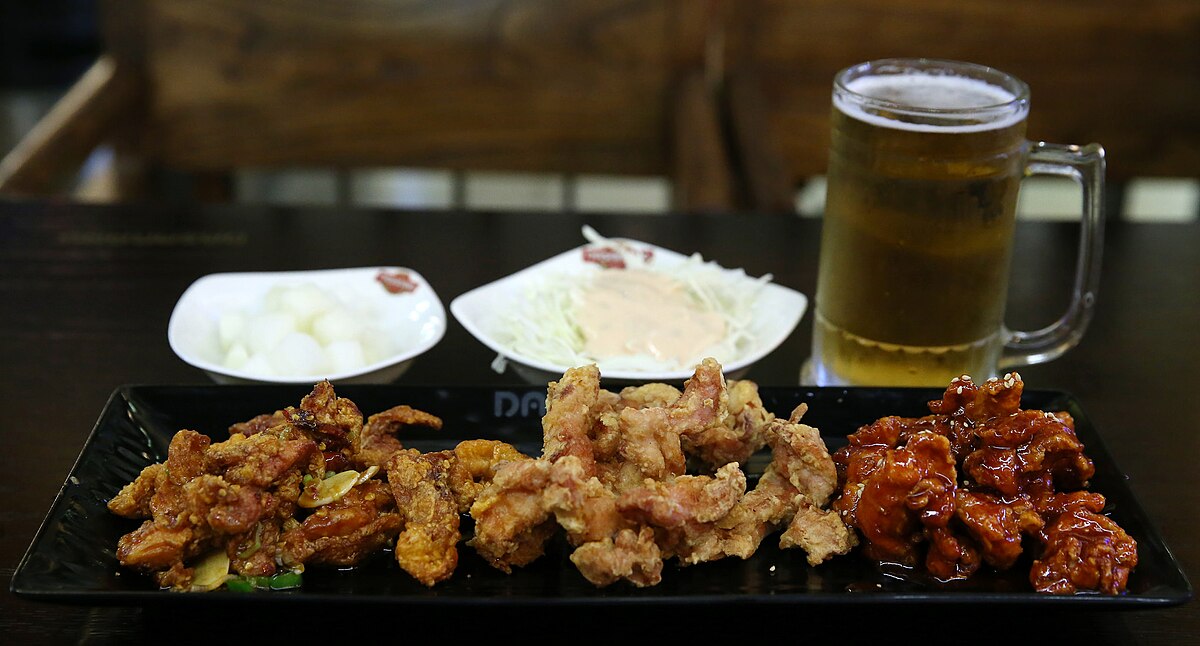
Chimaek: Why Korean Fried Chicken Is the World's Best
Korea has more fried chicken restaurants than McDonald's has locations worldwide. Here's the science and culture behind the crunch.