Kimchi: Korea's Living Food
Korea's iconic fermented vegetable dish, eaten daily and recognized as a UNESCO Intangible Cultural Heritage.
Photo: Wikimedia Commons
What Is Kimchi?
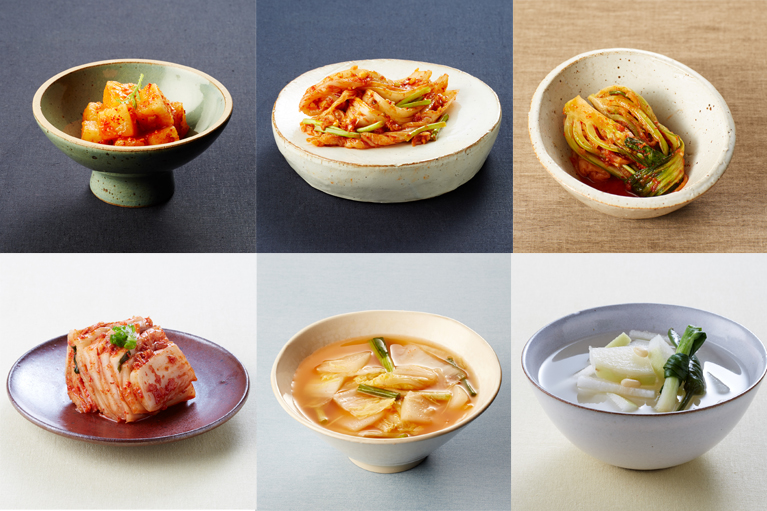
Kimchi is Korea's most beloved fermented food, made by salting vegetables — most commonly napa cabbage (baechu) or radish — and then seasoning them with a paste of red chili flakes (gochugaru), garlic, ginger, and fermented seafood such as salted shrimp or anchovy sauce. The mixture is left to ferment, developing a complex sour, spicy, salty, and umami flavor profile that deepens over time. There are over 200 regional varieties of kimchi across Korea. While the fiery red cabbage kimchi is the most recognized internationally, versions range from the pale, refreshing white kimchi (baek kimchi) with no chili at all, to quick-pickled fresh kimchi (geotjeori) eaten the same day it is made. Each region, season, and family has its own recipe passed down through generations. Kimchi was inscribed on UNESCO's Intangible Cultural Heritage of Humanity list in 2013, and the practice of making kimchi together — known as kimjang — was added in the same year as a shared cultural tradition.
History & Origins
The roots of kimchi stretch back to the Three Kingdoms period (around 57 BCE), when Koreans first began preserving vegetables in salt as a way to survive long winters. Early kimchi was simply salted vegetables with no chili — chili peppers did not arrive in Korea until the late 16th century, introduced through trade routes following Hideyoshi's invasions. Once red chili was incorporated in the late Joseon dynasty (17th–18th century), kimchi transformed into the vibrant, spicy dish recognized today. Regional variations flourished as communities developed recipes suited to local ingredients and climates. The colder north favored lighter, less spicy kimchi with more water content; the warmer south developed richer, spicier varieties. In modern times, kimchi has evolved beyond the kitchen. It is studied by scientists for its probiotic health benefits, produced commercially on a massive industrial scale, and exported to over 80 countries. South Koreans consume an average of 36 kilograms of kimchi per person per year — a figure that reflects just how central this dish is to Korean life.
How Koreans Eat It
Kimchi is served at nearly every Korean meal as a banchan (side dish), eaten alongside rice, soups, and other dishes. It functions almost like a condiment — a small portion is placed next to the main course and eaten in between bites.
- ·Kimchi-jjigae: A hearty stew made with aged (mukeunji) kimchi, pork or tuna, tofu, and vegetables. It is one of Korea's most comforting home-cooked dishes.
- ·Kimchi-bokkeumbap: Fried rice stir-fried with kimchi and pork, often topped with a fried egg — a popular quick meal.
- ·Kimchi-jeon: A savory pancake mixed with kimchi batter and pan-fried in sesame oil, especially popular on rainy days.
- ·Fresh kimchi (geotjeori): Newly made, un-fermented kimchi with a crisp texture and milder flavor, perfect for beginners.
- ·Aged kimchi (mukeunji): Deeply fermented kimchi with an intensely sour taste, prized for use in cooking rather than eating raw.
Cultural Significance
Kimchi is more than food in Korea — it is a cultural institution. The annual kimjang (kimchi-making) season, held in late autumn before winter sets in, was historically a communal event where entire neighborhoods gathered to prepare hundreds of heads of cabbage together. Families would spend days salting, seasoning, and packing kimchi into large earthenware pots (onggi) to ferment slowly underground through the winter months. While urbanization has reduced large-scale communal kimjang events, the spirit of sharing remains. Families still give kimchi as gifts, and refrigerator manufacturers in Korea now make dedicated kimchi refrigerators (kimchi naejanggojin) that maintain the precise temperature and humidity for optimal fermentation — a product category that does not exist anywhere else in the world. For Koreans living abroad, kimchi often becomes a powerful symbol of home and identity. The smell of fermenting kimchi, even if initially startling to non-Koreans, is deeply comforting to those who grew up eating it every day.
Tips
- 💡Start with fresh kimchi (geotjeori) or white kimchi (baek kimchi) if you find the spice level too intense — they are much milder.
- 💡Kimchi from supermarkets tends to be less spicy than restaurant kimchi, making it a good starting point for first-timers.
- 💡Aged kimchi (mukeunji) is much more sour and pungent — it is best used in cooked dishes like kimchi stew rather than eaten raw.
Last updated: March 30, 2026
You might also like
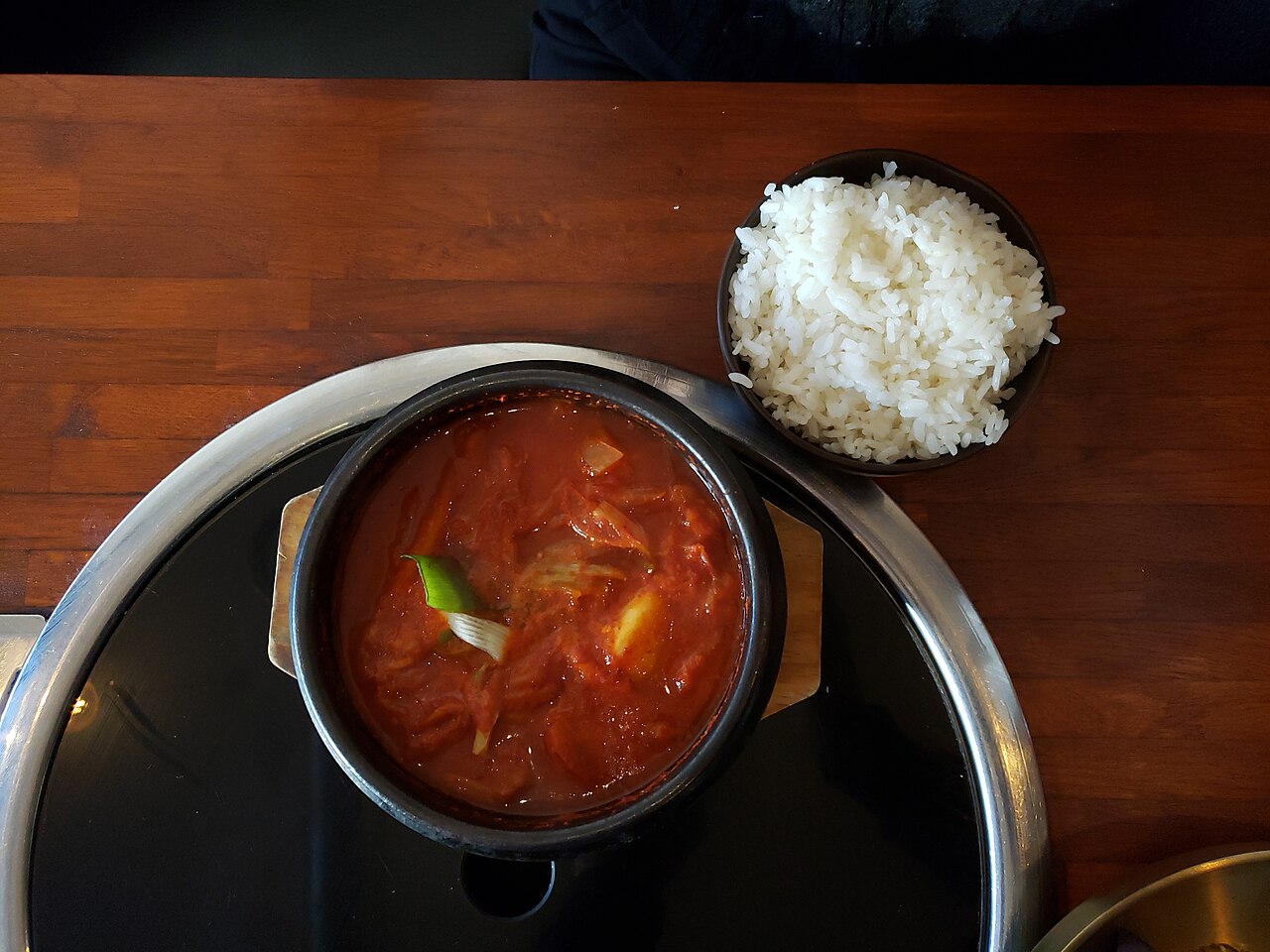
Kimchi Jjigae: Korea's Most Comforting Stew
Bubbling hot, deep red, and unmistakably Korean — kimchi jjigae is the stew that every Korean home smells like on a cold evening.
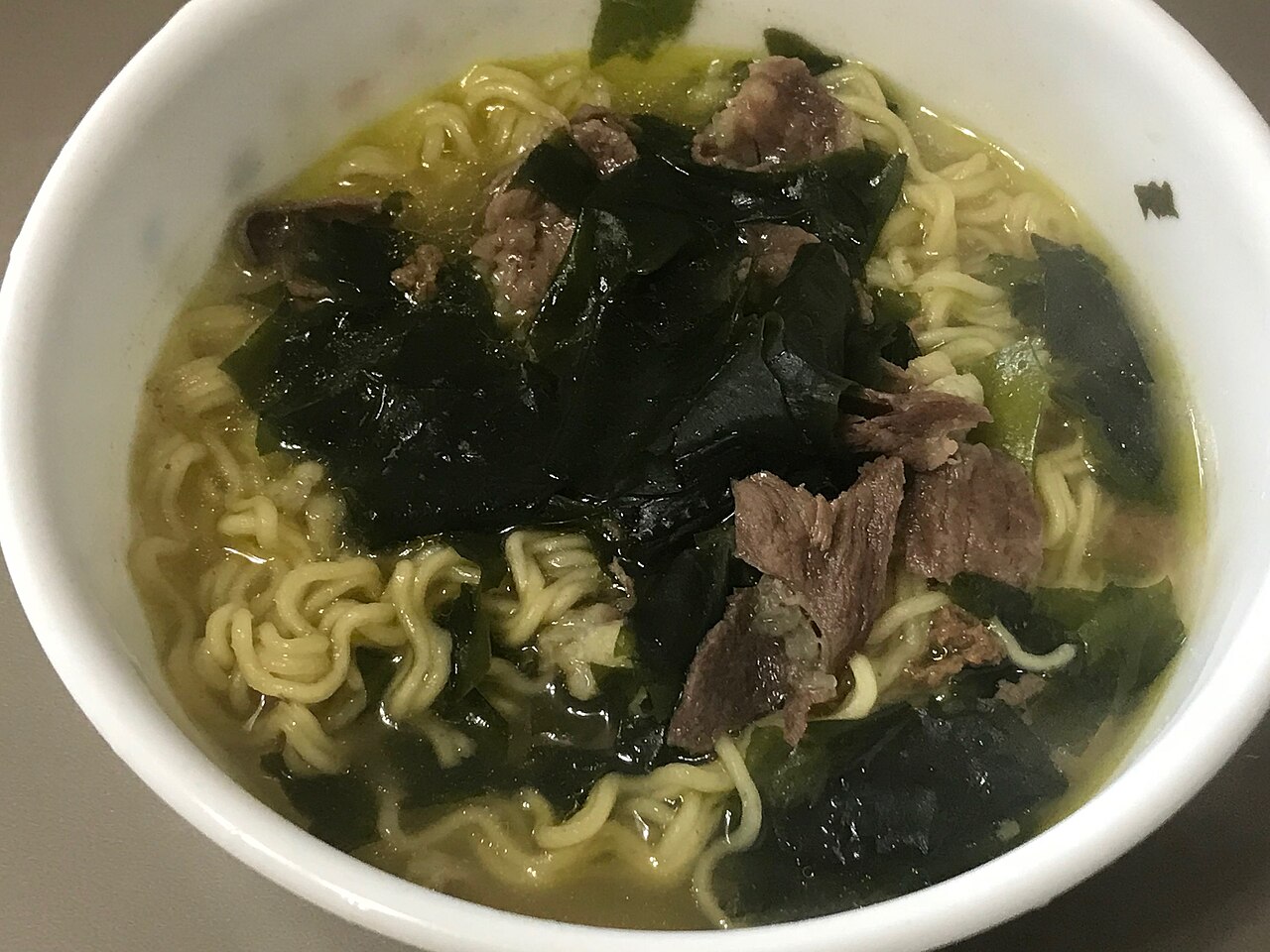
Miyeok-guk: The Birthday Soup That Is Really About Your Mother
Miyeok-guk is the seaweed soup every Korean eats on their birthday — a tradition that began as postpartum recovery food and became an annual act of gratitude to one's mother.
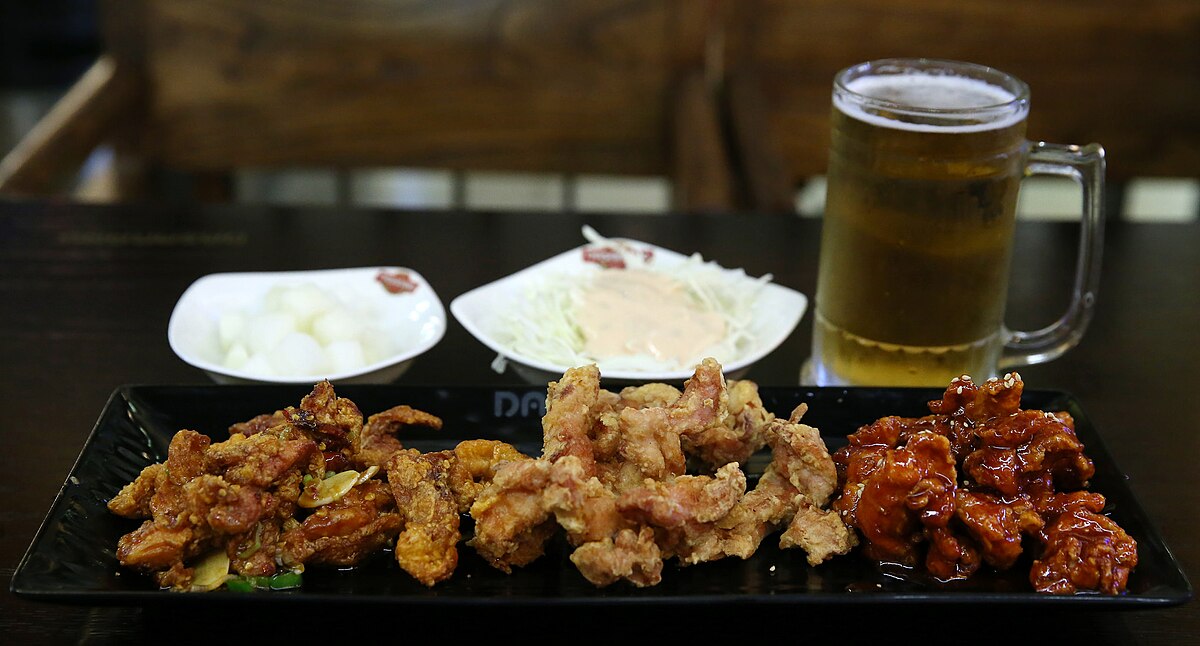
Chimaek: Why Korean Fried Chicken Is the World's Best
Korea has more fried chicken restaurants than McDonald's has locations worldwide. Here's the science and culture behind the crunch.