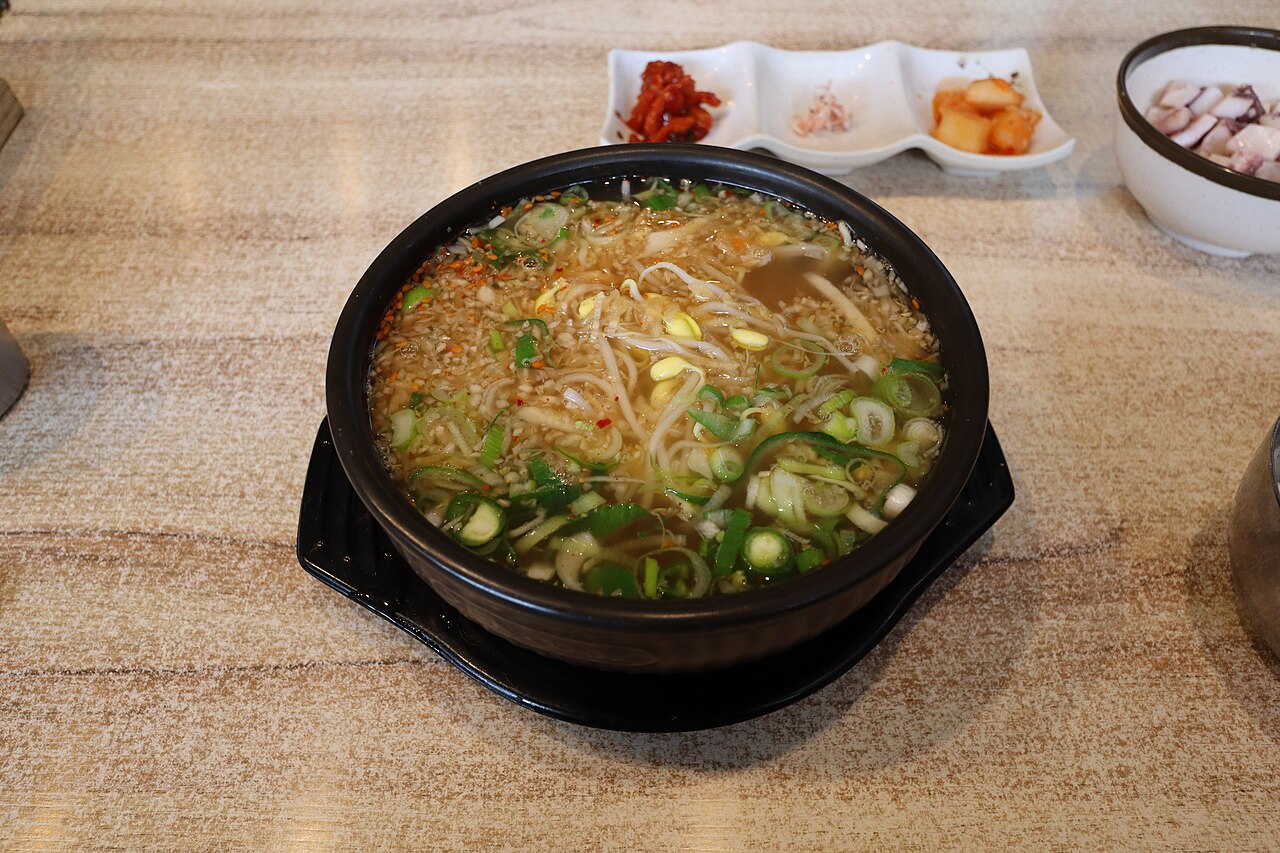
Kongnamul Gukbap: Jeonju's Dawn Ritual
Bean sprout rice soup from Jeonju — the 24-hour cure-all that defines the city's legendary early morning food culture.
Photo: Wikipedia Commons
What Is Kongnamul Gukbap?
Kongnamul gukbap (콩나물국밥) is a Korean rice soup made by placing a generous heap of bean sprouts (kongnamul, 콩나물) into a savory broth, adding cooked white rice, and serving it as a single unified dish. In Jeonju, the city most closely associated with this food, it is eaten primarily as a morning meal and as a hangover remedy — often between the hours of 4 AM and 10 AM. The broth is the technical achievement. A well-made kongnamul gukbap broth is simultaneously clear and deeply flavored — it is not cloudy or starchy, despite containing rice and bean sprouts. The base is typically made from dashima (dried kelp), dried anchovies, and sometimes a small amount of pork, creating a stock with complex umami depth. The bean sprouts are added just long enough to become tender while retaining a slight crunch (the 'aack' texture that Koreans call 'sikkeuddang'). The Jeonju version has several specific characteristics: the rice is added directly to the broth rather than served alongside; a raw egg is traditionally cracked into the hot soup and stirred into threads; and the seasoning is done by the diner, not the kitchen, using a small set of condiments — minced garlic, sliced green onion, chili flakes, and liquid seasoning sauce.
History & Origins
Jeonju is one of Korea's most storied food cities, known as the birthplace of bibimbap and the heartland of Jeolla Province cuisine — a tradition considered by many Korean food scholars to be the richest and most complex regional cooking in the country. Kongnamul gukbap fits naturally into this tradition as a humble, perfectly calibrated dish that achieves maximum comfort with minimum complexity. Bean sprouts have been cultivated in Korea for centuries — they are cheap, nutritious, grow quickly regardless of season, and produce virtually no waste. Their natural food chemistry, which happens to include asparaginase (an enzyme that breaks down asparagine to aspartic acid, aiding the body's processing of acetaldehyde), gave rise to the popular belief in their hangover-curing properties. Modern research has partially validated this folk wisdom, confirming that bean sprout consumption after alcohol intake measurably reduces some hangover symptoms. The Jeonju Nambu Market (남부시장) and Jeonju Central Market (중앙시장) have been the home of the city's kongnamul gukbap culture for generations. The specific tradition of opening at 4 AM and serving through the night connects directly to the city's lively post-midnight entertainment culture — the restaurants are positioned as the final stop of an evening rather than the beginning of a day.
How Koreans Eat It
Kongnamul gukbap has a specific assembly and eating method that is part of its ritual character.
- ·Add the egg first: The moment the bowl arrives, crack a raw egg (usually provided separately) into the center of the hot soup. Stir gently with your spoon — the egg will cook in flowing ribbons from the residual heat of the broth.
- ·Season progressively: Add condiments one at a time — start with a small amount of minced garlic and green onion, taste, then add chili flakes and soy sauce to reach your preferred salinity and heat level. The restaurant leaves this entirely to the diner.
- ·Kkakdugi side dish: Cubed radish kimchi (kkakdugi, 깍두기) is the canonical side dish — its sharp sourness and crunch provides contrast to the soft rice and tender sprouts.
- ·The timing matters: The soup should be eaten quickly while hot — the rice continues to swell and absorb the broth, transforming the dish from a soup into a porridge if left too long.
- ·Jeonju 'separate style' (따로국밥): Some Jeonju restaurants serve the rice and soup separately (rice in one bowl, soup in another) so the diner can control the mixing ratio — this style is called 'ttaro gukbap' and produces a more distinct contrast between the elements.
Cultural Significance
Kongnamul gukbap at dawn in Jeonju is one of those food experiences that reveals something essential about Korean culture that other, more famous dishes do not show: the deep seriousness Koreans bring to simple, practical, life-sustaining food. There is no pretension in a 4 AM kongnamul gukbap restaurant. The fluorescent lights, the plastic chairs, the steam-fogged windows, the mix of bleary-eyed diners in various states of the previous evening — all of this is the setting for one of Korea's most genuine food experiences. Jeonju's food culture as a whole carries a reputation for quality and authenticity that has made it a destination for food-focused travel within Korea. The city hosts the Jeonju International Film Festival (JIFF) and is globally recognized for its hanok village — but among Koreans, it is arguably the city's food that generates the most genuine pride and pilgrimage behavior. Eating kongnamul gukbap at a traditional Jeonju market restaurant at 6 AM is as much a cultural rite as visiting the hanok village. For foreign visitors, this early-morning food pilgrimage offers a window into a Korea far removed from the K-pop and entertainment tourism narratives — quieter, older, more grounded in daily rhythms and the sustaining power of good, honest food.
Tips
- 💡The Jeonju Nambu Market opens early — arriving between 6 and 8 AM gives you the most atmospheric experience with the most traditional clientele.
- 💡If the raw egg makes you nervous, ask the server to drop it in (the soup's heat is sufficient to cook it to a safe temperature through gentle stirring).
- 💡Jeonju is 2.5 hours from Seoul by KTX/express bus — worth staying overnight to experience the early morning gukbap tradition at its proper hour.
Last updated: March 30, 2026
You might also like
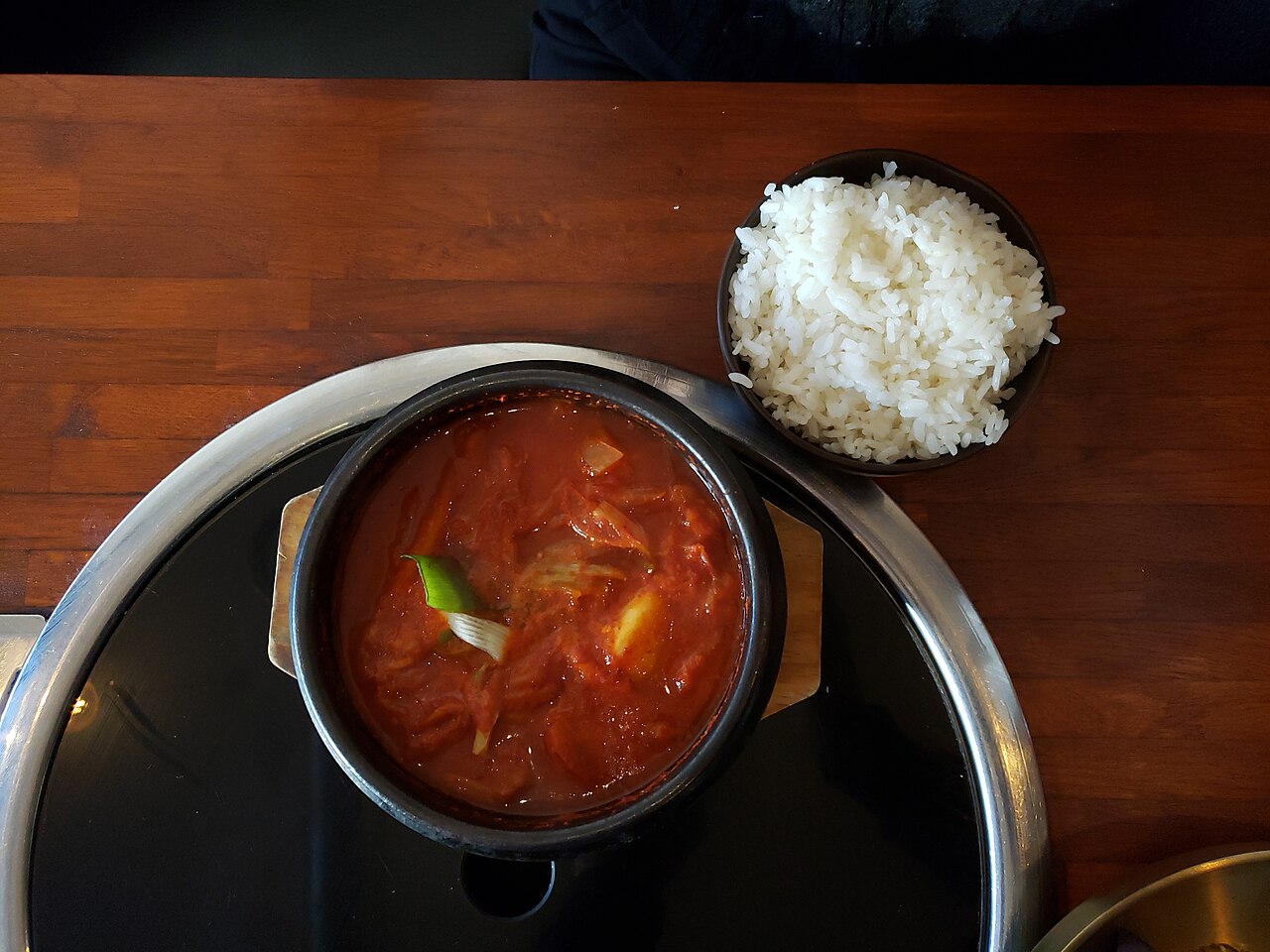
Kimchi Jjigae: Korea's Most Comforting Stew
Bubbling hot, deep red, and unmistakably Korean — kimchi jjigae is the stew that every Korean home smells like on a cold evening.
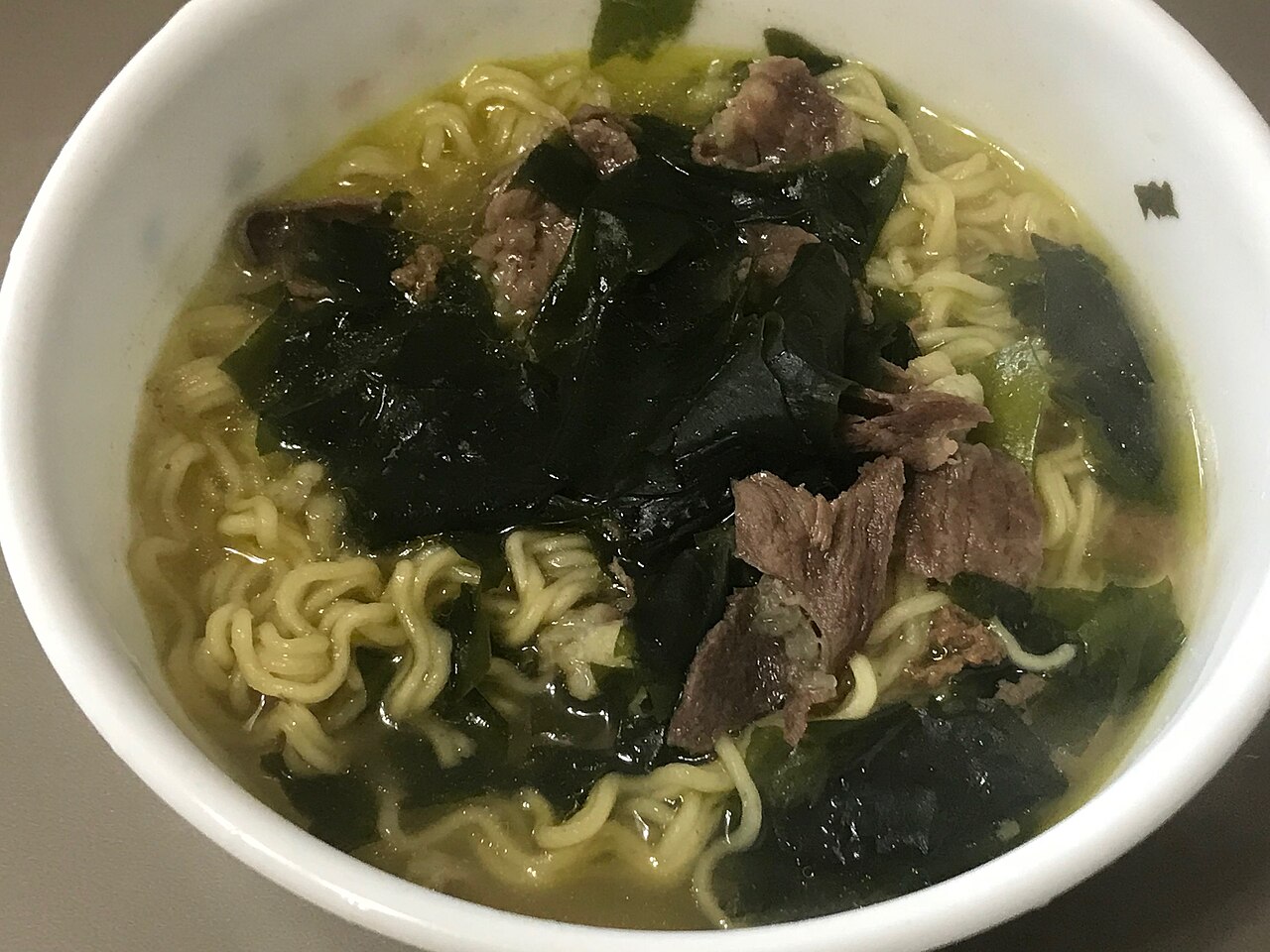
Miyeok-guk: The Birthday Soup That Is Really About Your Mother
Miyeok-guk is the seaweed soup every Korean eats on their birthday — a tradition that began as postpartum recovery food and became an annual act of gratitude to one's mother.
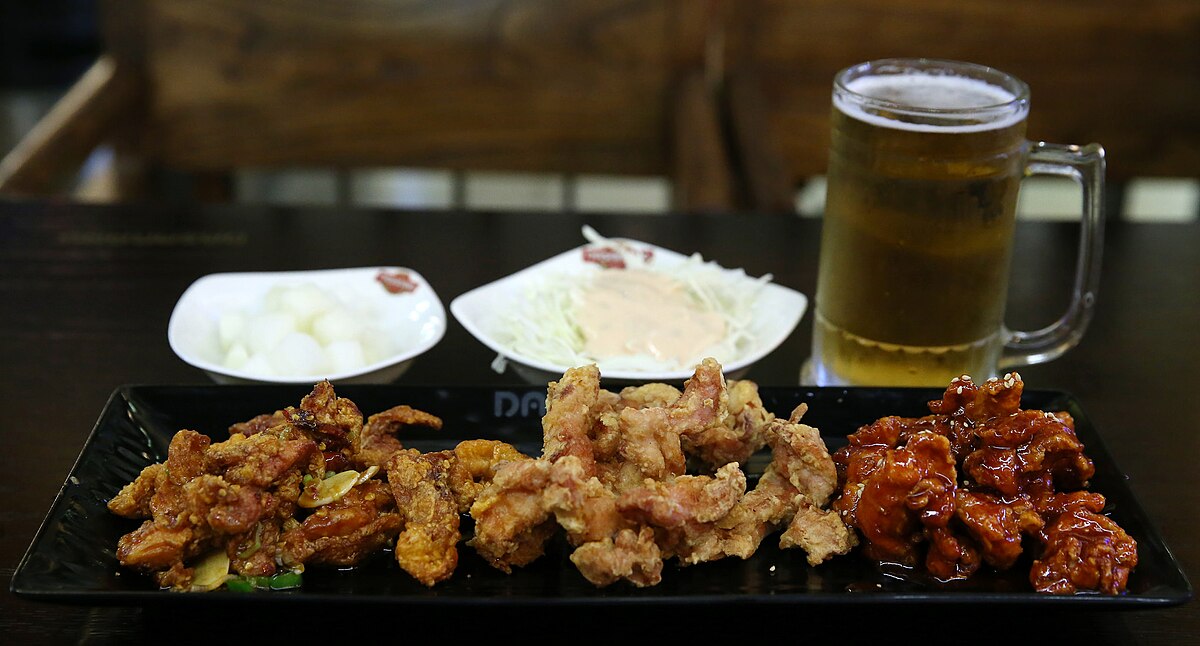
Chimaek: Why Korean Fried Chicken Is the World's Best
Korea has more fried chicken restaurants than McDonald's has locations worldwide. Here's the science and culture behind the crunch.