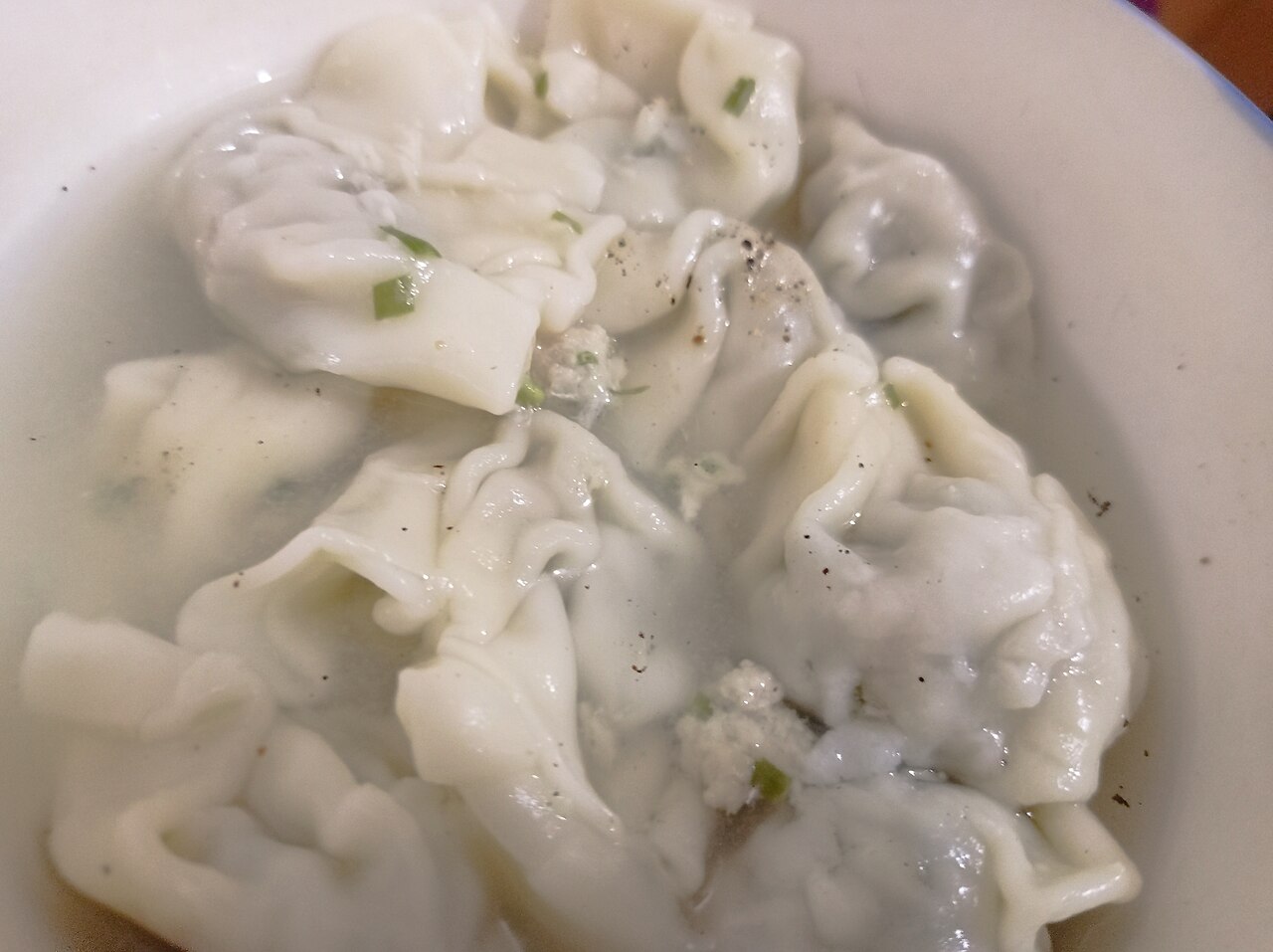
Mandu: Korean Dumplings
Mandu are Korean dumplings filled with pork, tofu, kimchi, or vegetables, prepared in many ways — steamed, boiled, fried, or in soup — and central to Korean festive cooking.
Photo: Wikipedia Commons
What Is Mandu?
Mandu (만두) are Korean dumplings — small, filled pockets of dough that can be prepared in multiple ways: steamed (jjin-mandu), boiled (mul-mandu), pan-fried (gunmandu), or deep-fried (twigim-mandu). The fillings vary widely but typically include some combination of ground pork, minced tofu, kimchi, glass noodles, garlic, green onions, and sesame oil. Korean mandu are distinct from Chinese jiaozi or Japanese gyoza in their filling composition and seasoning — the Korean version tends to be more heavily seasoned with sesame oil and garlic, and kimchi mandu (with fermented kimchi in the filling) is a uniquely Korean variety. Mandu come in various sizes and shapes: small, tightly folded bite-sized pieces for soup; larger crescent-shaped pieces for pan-frying; and enormous, round mandu from North Korea (called Wang-mandu, meaning 'king dumplings') that can be as large as a fist.
History & Origins
Mandu were introduced to Korea from Central Asia via the Mongol Empire during the Goryeo Dynasty (918–1392). Historical records from this period describe dumplings being presented as tribute and served at royal banquets. The word 'mandu' itself is believed to derive from the Central Asian 'manta' or similar term for stuffed dough. Over the following centuries, mandu became deeply integrated into Korean cuisine and took on distinctly Korean characteristics — the fillings were adapted to Korean ingredients, and the tradition of making mandu together as a family activity became culturally embedded. Mandu-making is particularly associated with Korean New Year (Seollal). The entire family — grandparents, parents, and children — gathers to fold dumplings together, sharing stories while working. The resulting mandu are used in tteok-mandu-guk (New Year's soup).
How Koreans Eat It
Mandu are among the most versatile Korean foods. They appear as street snacks, restaurant appetizers, components of soups, and celebratory foods. Every format has its fans.
- ·Gunmandu (pan-fried) are crispy on the bottom and soft on top — dip in soy-vinegar sauce for the classic pairing
- ·Jjin-mandu (steamed) reveal the pure filling flavors without the distraction of oil — great for appreciating the seasoning
- ·For soup (mandu-guk), the boiled versions are silky and tender — different from the crispiness of fried versions
- ·Gwangjang Market in Seoul has famous mandu stalls where they are made and cooked fresh in large quantities
Cultural Significance
Mandu hold a beloved place in Korean food culture as both a festive food and an everyday comfort food. The family tradition of making mandu together at New Year — folding and chatting around the kitchen table for hours — is one of the most cherished culinary rituals in Korean culture. Mandu are also a symbol of Korean cuisine's openness to outside influence. Unlike some food cultures that resist foreign ingredients, Korea embraced dumplings from the Mongols and made them thoroughly Korean over centuries. This process of adoption and transformation is one of the most fascinating aspects of Korean culinary history.
Tips
- 💡Gwangjang Market in Seoul is the most famous mandu destination — look for the stalls near the central hall
- 💡Kimchi mandu is uniquely Korean and not found in Chinese or Japanese dumpling traditions — try it specifically
- 💡Frozen Korean mandu from H-Mart or Asian supermarkets are surprisingly good for home cooking
Last updated: April 1, 2026
You might also like
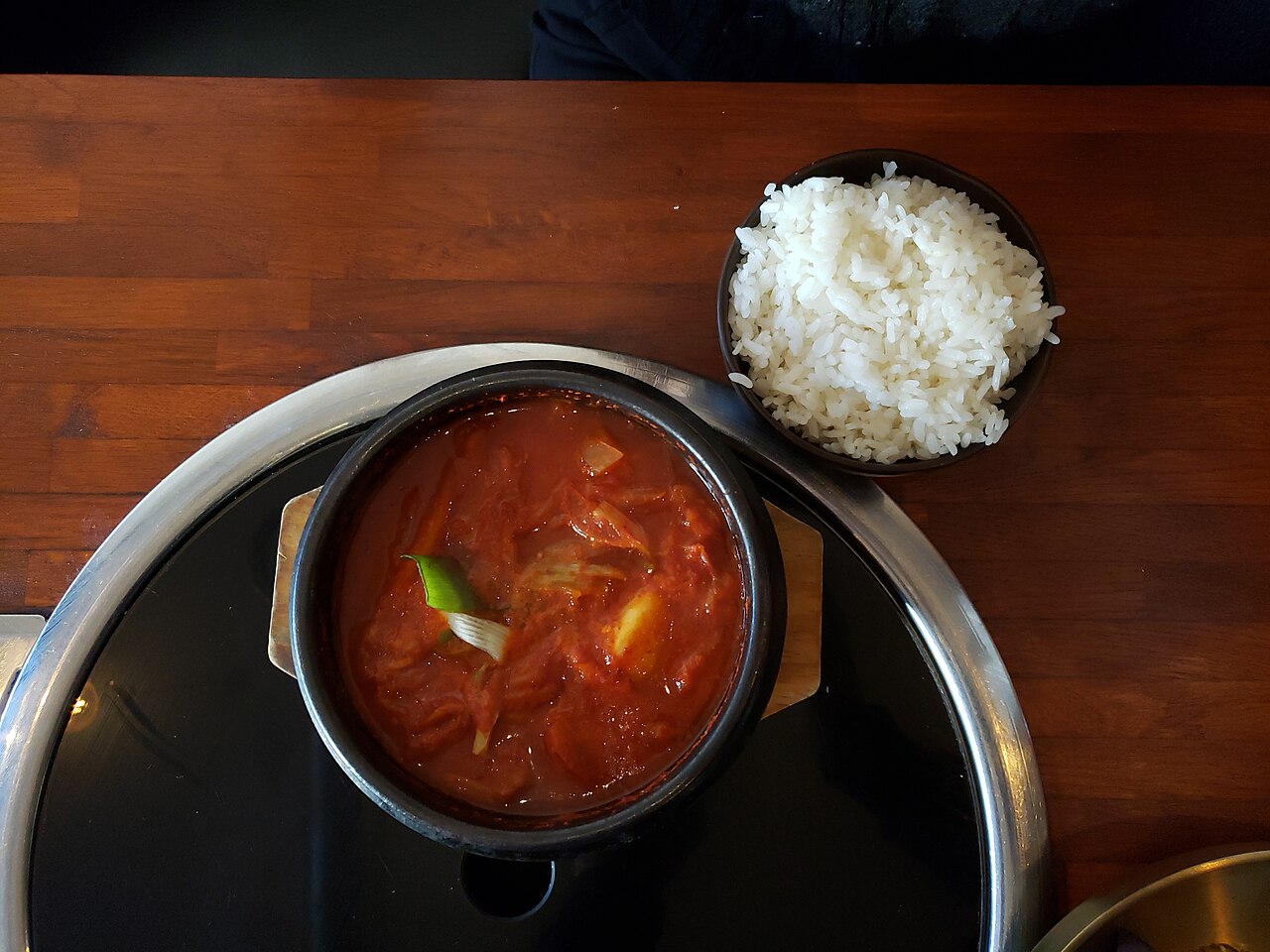
Kimchi Jjigae: Korea's Most Comforting Stew
Bubbling hot, deep red, and unmistakably Korean — kimchi jjigae is the stew that every Korean home smells like on a cold evening.
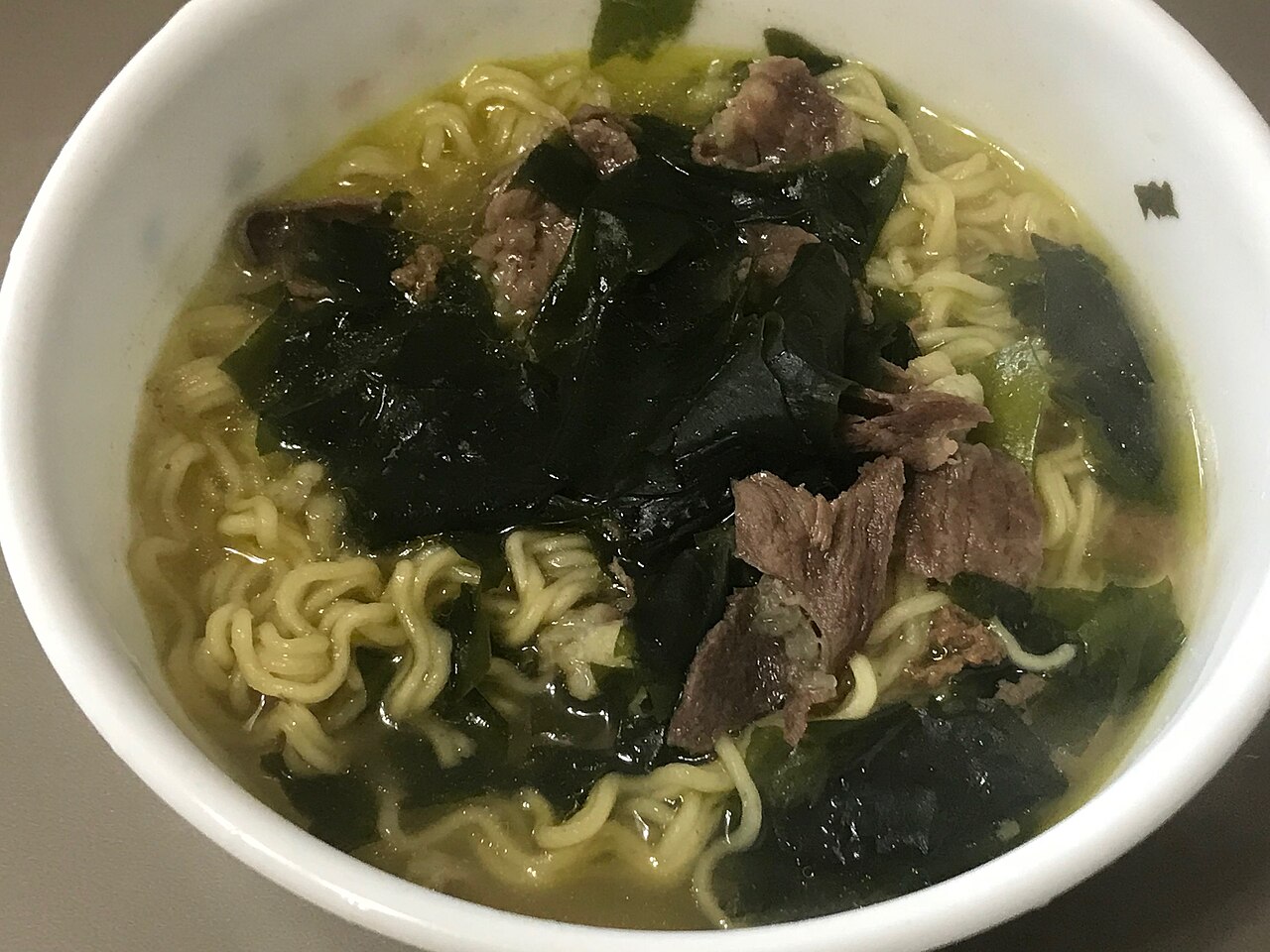
Miyeok-guk: The Birthday Soup That Is Really About Your Mother
Miyeok-guk is the seaweed soup every Korean eats on their birthday — a tradition that began as postpartum recovery food and became an annual act of gratitude to one's mother.
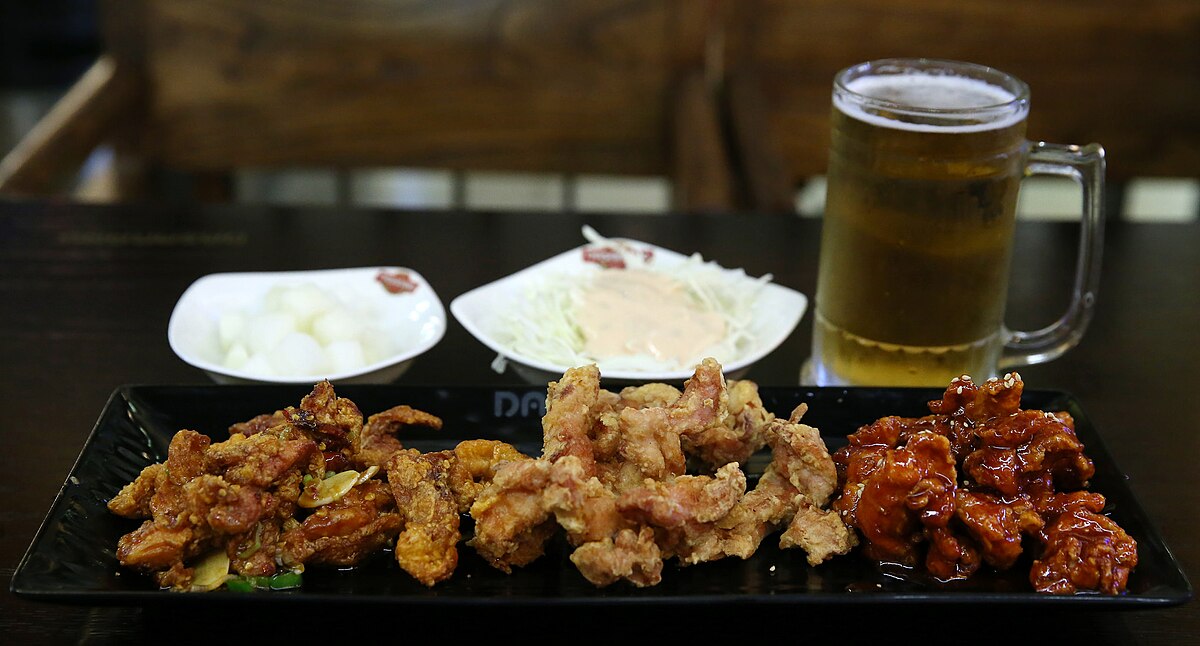
Chimaek: Why Korean Fried Chicken Is the World's Best
Korea has more fried chicken restaurants than McDonald's has locations worldwide. Here's the science and culture behind the crunch.