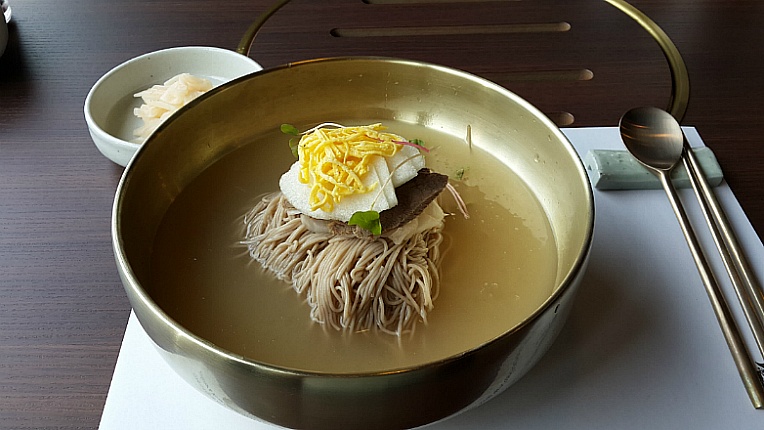
Naengmyeon: Korea's Ice-Cold Noodle Tradition
Chilled noodles in clear broth or spicy sauce — a dish connecting Korean history, identity, and summer refreshment.
Photo: Wikimedia Commons
What Is Naengmyeon?
Naengmyeon (냉면) literally means 'cold noodles' — noodles served in an icy cold broth or dressed with a spicy sauce, topped with thin slices of beef or radish kimchi, a hard-boiled egg, and cucumber strips. The dish is one of the oldest noodle traditions in Korean cuisine, originating in the northern regions of the Korean peninsula during the Joseon dynasty. There are two primary styles that define the entire category. Mul-naengmyeon (물냉면, 'water cold noodles') features noodles submerged in a clear, ice-cold beef and radish broth. The flavor is mild and subtly sweet-sour, a style that requires a trained palate to fully appreciate. Bibim-naengmyeon (비빔냉면, 'mixed cold noodles') presents noodles without broth, tossed in a sweet-spicy-tangy gochujang-based sauce. The noodles themselves vary by style: Pyongyang naengmyeon uses buckwheat (meongmil) noodles that are slightly grayish and snap cleanly under the teeth; Hamhung naengmyeon uses tough potato starch (gamja jeonbun) noodles with an almost rubbery chewiness that is jarring the first time you encounter it.
History & Origins
Naengmyeon originated in the northern Korean cities of Pyongyang and Hamhung, which today lie in North Korea. Historical records from the Joseon dynasty describe cold buckwheat noodles being eaten in winter as a warming-and-cooling food, a paradox that reflects a traditional Korean belief in balancing the body's internal heat. The dish's profile changed dramatically after the Korean War (1950–1953). When roughly two million North Korean refugees fled south, they brought their food traditions with them. Naengmyeon restaurants established by refugees from Pyongyang and Hamhung opened across South Korea, transforming a regional northern dish into a national institution. The food carries deep political resonance as well. In April 2018, when North Korean leader Kim Jong-un crossed the border to meet South Korean President Moon Jae-in at the historic inter-Korean summit, he brought a Pyongyang cold noodle machine from the Okryu-gwan restaurant in Pyongyang. The gesture — sharing a bowl of naengmyeon — was laden with symbolism about the shared cultural heritage of a divided nation.
How Koreans Eat It
Eating naengmyeon properly is a ritual that first-time visitors benefit from knowing.
- ·The scissors rule: Before eating, ask the server to cut the noodles with scissors (or do it yourself). Naengmyeon noodles can be up to a meter long — cutting them into 10–15 cm sections makes them manageable with chopsticks.
- ·Season last: Taste the broth or sauce plain before adding anything. This is considered respectful to the chef's preparation. Then add rice vinegar (sikcho) for sourness and Korean mustard (gyeoja) for heat according to taste.
- ·Toppings: Traditional garnishes include thin slices of julienned radish kimchi (kkakdugi), half a hard-boiled egg, sliced cucumber, and a piece of tender boiled beef (pyunyuk).
- ·The finale: Many naengmyeon restaurants offer a cup of the warm, savory beef broth alongside the cold noodles. Drinking this hot broth as a contrast to the ice-cold noodles is a classic pairing.
Cultural Significance
Naengmyeon occupies a peculiar and beloved place in Korean food culture: it is a dish that divides people. The first encounter with Pyongyang-style mul-naengmyeon often produces bewilderment. The broth is so understated that many first-timers wonder if the restaurant forgot to season it. Yet precisely this restraint is what devoted fans cherish — the deep, slow-built flavor of the beef and dongchimi (radish water kimchi) broth is considered an acquired taste of the highest order. Despite the joke that 'Pyongyang naengmyeon is only good the third time you eat it,' legendary restaurants like Eulmildae in Seoul and Pildong Myeonok attract lines stretching around the block every day. Eating at one of these old-guard establishments has become a foodie pilgrimage. Paradoxically, while naengmyeon is considered the quintessential summer refresher, many Korean naengmyeon purists insist the dish tastes best in winter — when the cold broth mirrors the cold air and the contrast of hot and cold sensations is at its most vivid.
Tips
- 💡For first-timers, bibim-naengmyeon (spicy mixed noodles) is more immediately satisfying than the subtle mul-naengmyeon broth style.
- 💡Always cut the noodles with scissors before eating — the full-length noodles are almost impossible to manage with chopsticks.
- 💡Add vinegar and mustard gradually rather than all at once — both condiments can overpower the delicate broth quickly.
Last updated: March 30, 2026
You might also like
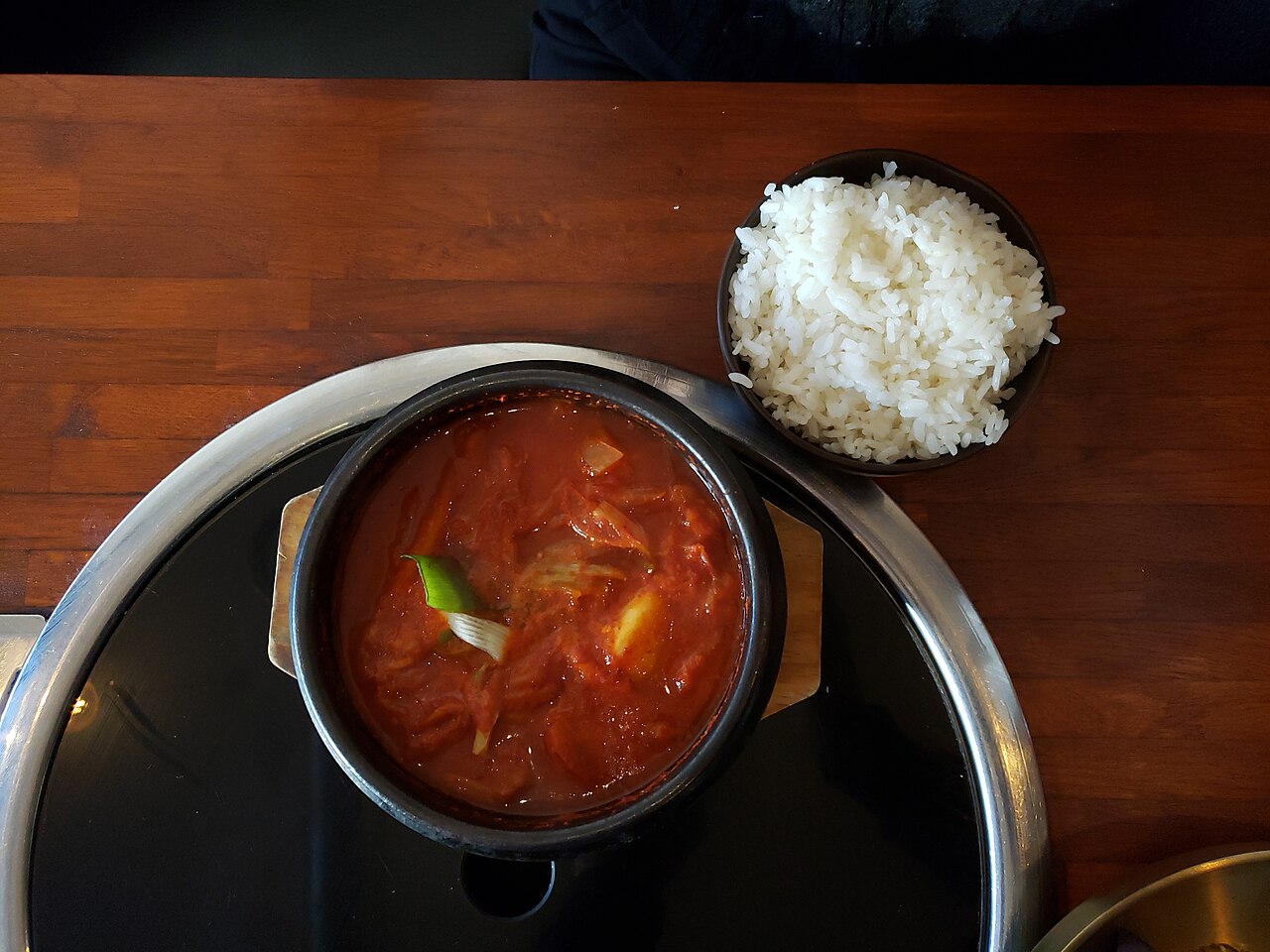
Kimchi Jjigae: Korea's Most Comforting Stew
Bubbling hot, deep red, and unmistakably Korean — kimchi jjigae is the stew that every Korean home smells like on a cold evening.
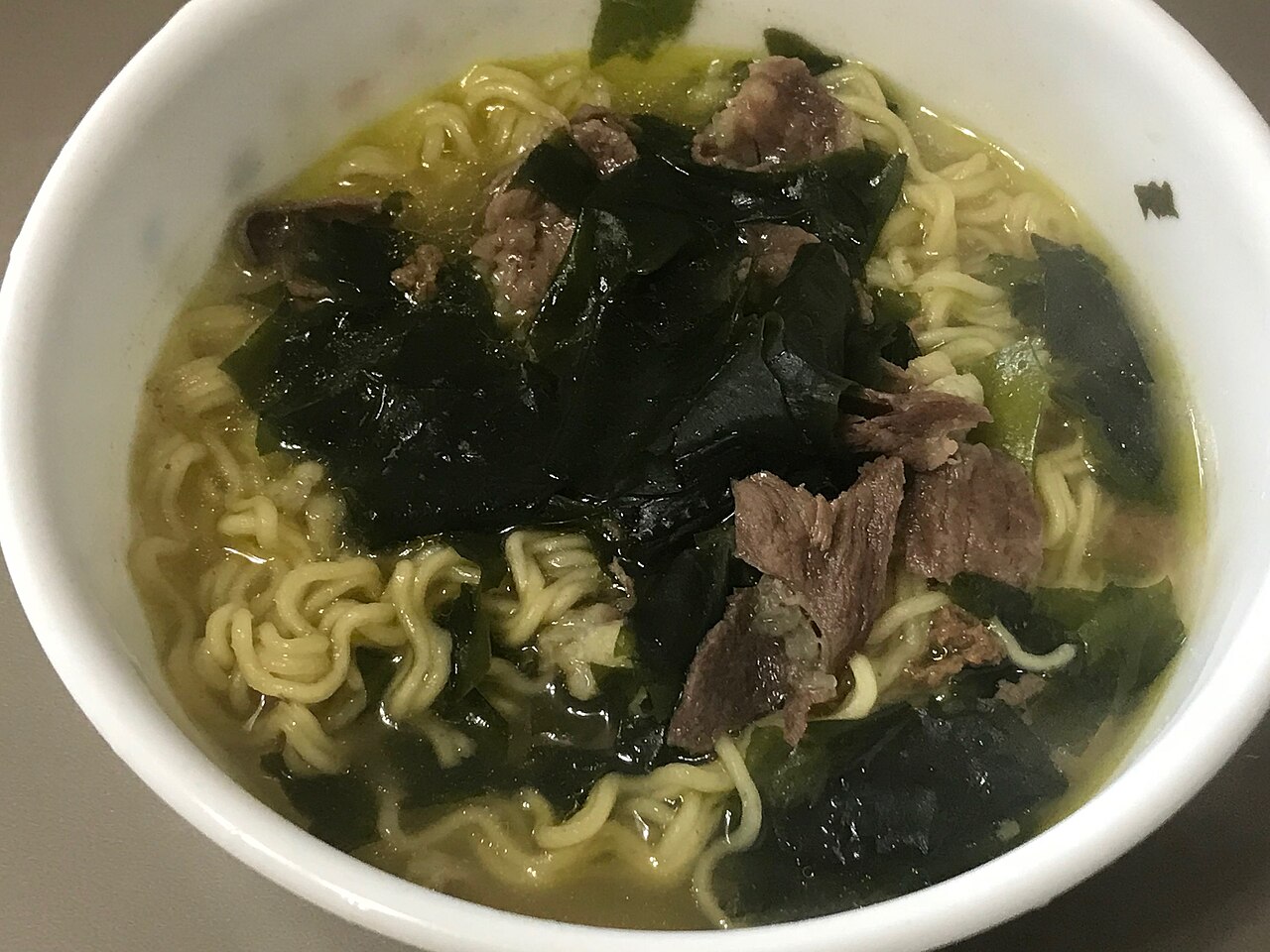
Miyeok-guk: The Birthday Soup That Is Really About Your Mother
Miyeok-guk is the seaweed soup every Korean eats on their birthday — a tradition that began as postpartum recovery food and became an annual act of gratitude to one's mother.
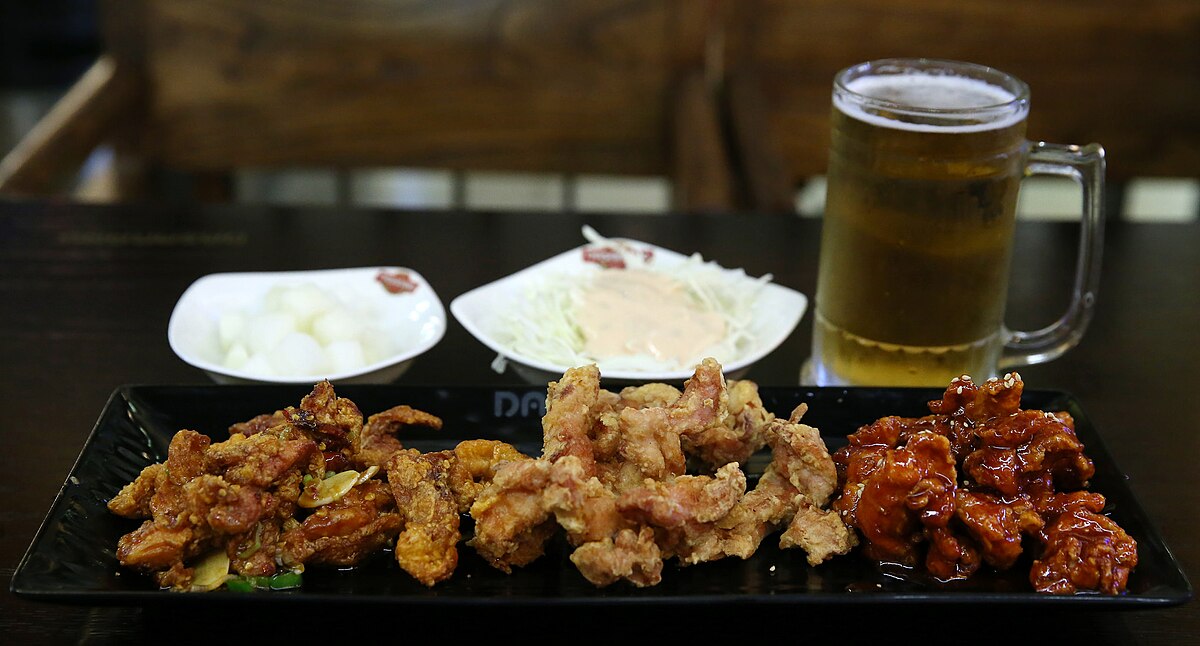
Chimaek: Why Korean Fried Chicken Is the World's Best
Korea has more fried chicken restaurants than McDonald's has locations worldwide. Here's the science and culture behind the crunch.