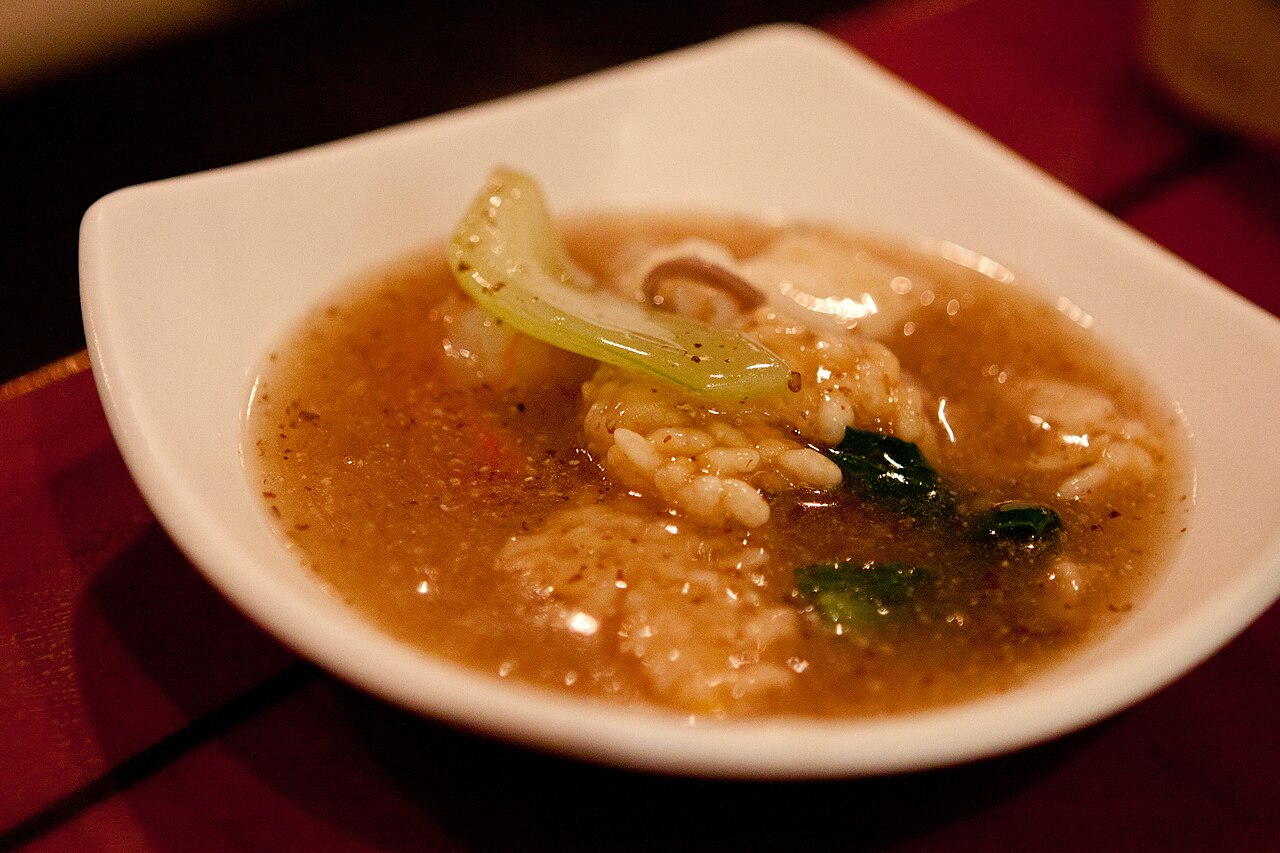
Nurungji: Korean Scorched Rice
Nurungji is the crispy, caramelized crust of rice that forms at the bottom of the cooking pot — treasured in Korean culture as a snack, porridge base, and symbol of home cooking.
Photo: Wikipedia Commons
What Is Nurungji?
Nurungji (누룽지) is the golden, crispy layer of rice that forms at the bottom of the pot when rice is cooked in a heavy stone or metal pot over direct heat. Rather than being discarded as a cooking failure, this toasted rice crust is treasured in Korean culture as a delicacy in its own right. In its simplest form, nurungji is eaten as a dry snack — the crispy rice sheet broken into pieces with a satisfying crunch and a toasted, slightly nutty flavor. But nurungji is also the base of sungnyung, a traditional Korean digestif made by pouring hot water over the leftover rice crust in the pot, allowing it to steep, and then drinking the resulting mildly flavored, slightly smoky tea. The texture of nurungji ranges from lightly golden and still a little chewy to deeply caramelized and completely crispy depending on heat and timing. All versions have the characteristic toasted rice aroma that is instantly recognizable to anyone who has ever eaten in a traditional Korean kitchen.
History & Origins
Nurungji is an ancient food that predates any formal culinary tradition — it is simply what happens when rice is cooked in a pot, and humans discovered that the result was delicious. Korean culinary culture embraced this happy accident and developed nurungji into a meaningful part of the food experience. Historically, nurungji was a practical solution to food waste: nothing from the rice pot was discarded. The scorched crust was scraped up and eaten, or water was added to make sungnyung, ensuring that every last bit of the cooked rice was consumed. This attitude of waste-nothing reflected the economic realities of pre-modern Korean life. In Korean royal court cuisine, nurungji and sungnyung were served as the final course of a meal — the sungnyung was considered a digestive tea and a gentle, palate-cleansing end to eating. This royal association gave nurungji a dignity that elevated it from mere cooking artifact to intentional culinary element.
How Koreans Eat It
Nurungji can be enjoyed in multiple forms, from a simple snack to a comforting porridge. It is particularly beloved as a light meal for the sick, elderly, or young children.
- ·Eat the dry crust as a snack — break it into pieces and enjoy the toasted, slightly sweet flavor
- ·Pour hot water or light broth over nurungji to make juk (porridge) — a gentle, nourishing meal
- ·Make sungnyung by boiling water directly in the pot with the rice crust — a traditional Korean digestif tea
- ·Packaged nurungji is sold in Korean supermarkets and is a convenient way to enjoy it without making rice from scratch
Cultural Significance
Nurungji holds a special place in Korean food memory as a sound and smell of home. The distinctive 'sizzle' and aroma of rice caramelizing at the bottom of the pot is deeply connected to childhood memories for many Koreans — the sound of a parent or grandparent cooking, the anticipation of the crispy bottom being scraped into a bowl. The transformation of a cooking byproduct into something cherished reflects a broader Korean cultural sensibility: the appreciation of what might otherwise be overlooked, the finding of value and pleasure in the simple and the unintentional. Nurungji is a small but eloquent example of Korean food wisdom.
Tips
- 💡At traditional Korean restaurants that use stone pots (dolsot), you may be served sungnyung at the end of the meal — do not refuse it
- 💡Packaged nurungji (sold at Korean grocery stores) makes an excellent light snack or the base of a quick porridge
- 💡If making rice in a heavy pot at home, intentionally allow the bottom to toast slightly for nurungji — reduce heat and wait 3-5 minutes after the water absorbs
Last updated: April 1, 2026
You might also like
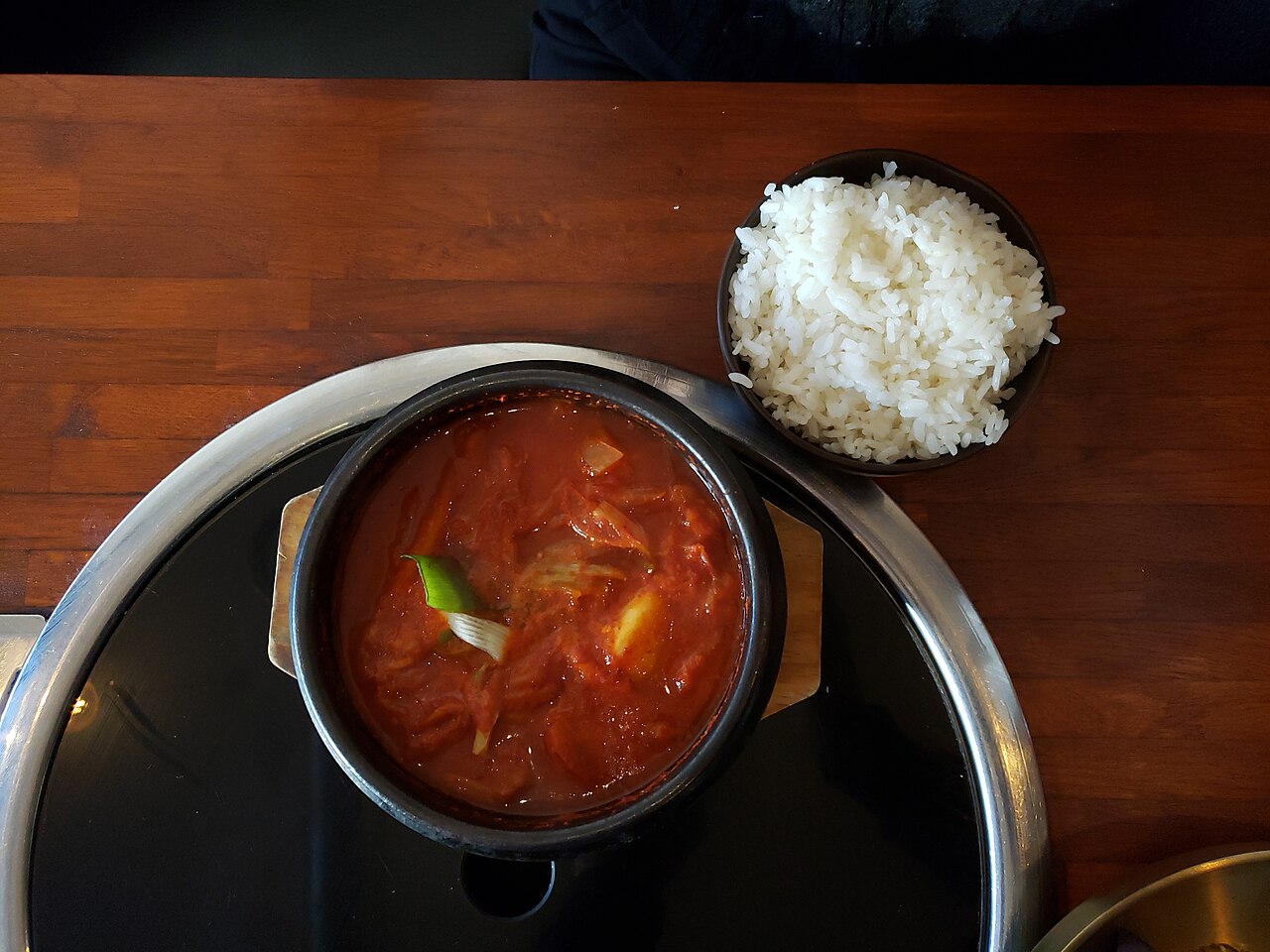
Kimchi Jjigae: Korea's Most Comforting Stew
Bubbling hot, deep red, and unmistakably Korean — kimchi jjigae is the stew that every Korean home smells like on a cold evening.
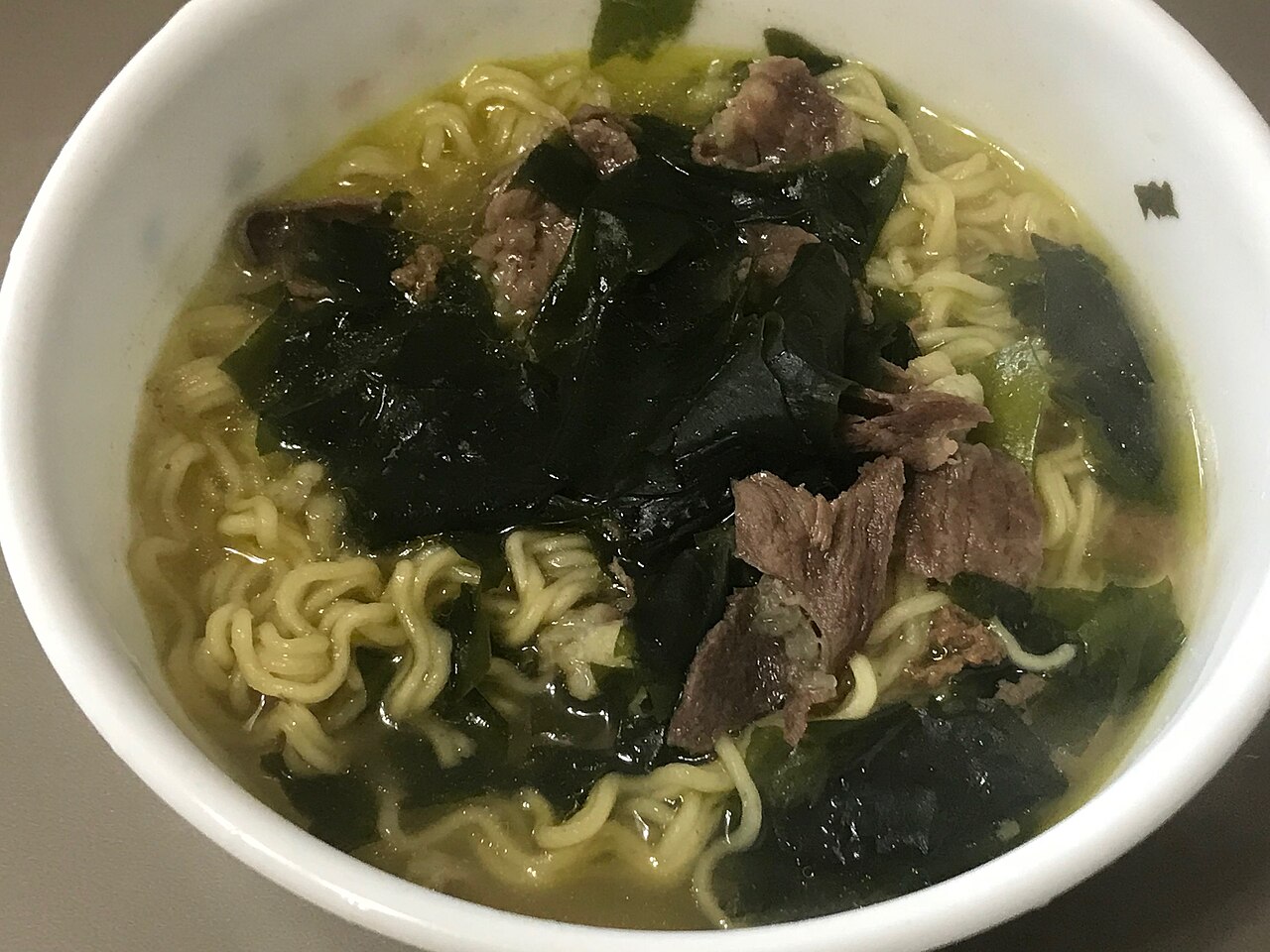
Miyeok-guk: The Birthday Soup That Is Really About Your Mother
Miyeok-guk is the seaweed soup every Korean eats on their birthday — a tradition that began as postpartum recovery food and became an annual act of gratitude to one's mother.
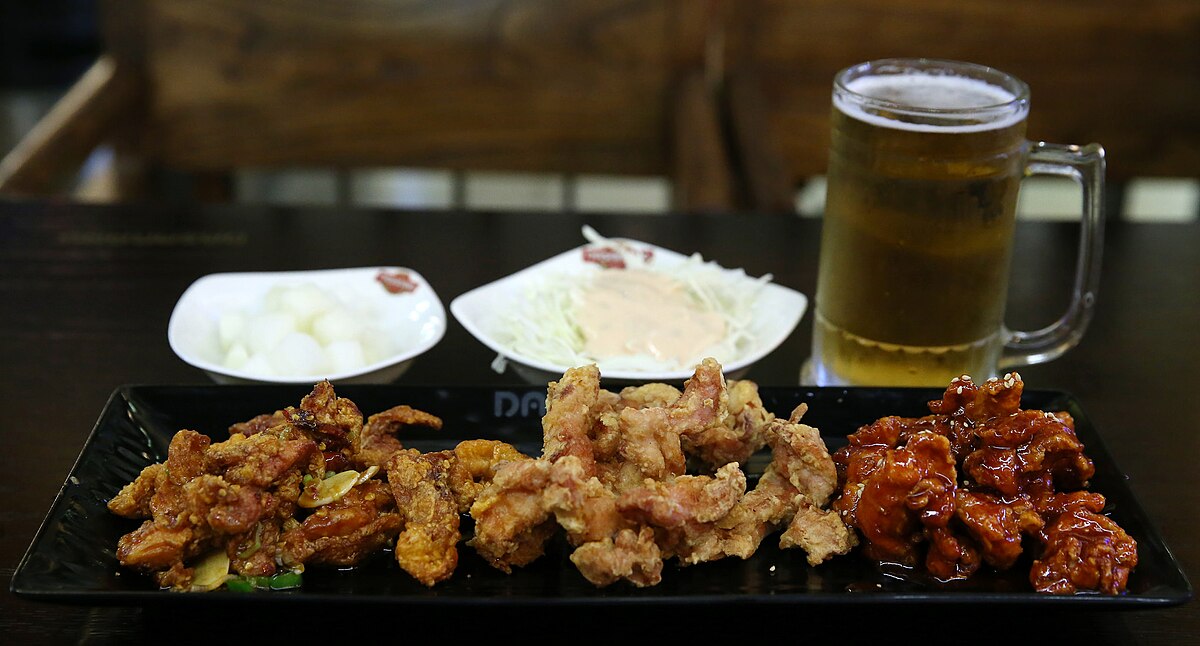
Chimaek: Why Korean Fried Chicken Is the World's Best
Korea has more fried chicken restaurants than McDonald's has locations worldwide. Here's the science and culture behind the crunch.