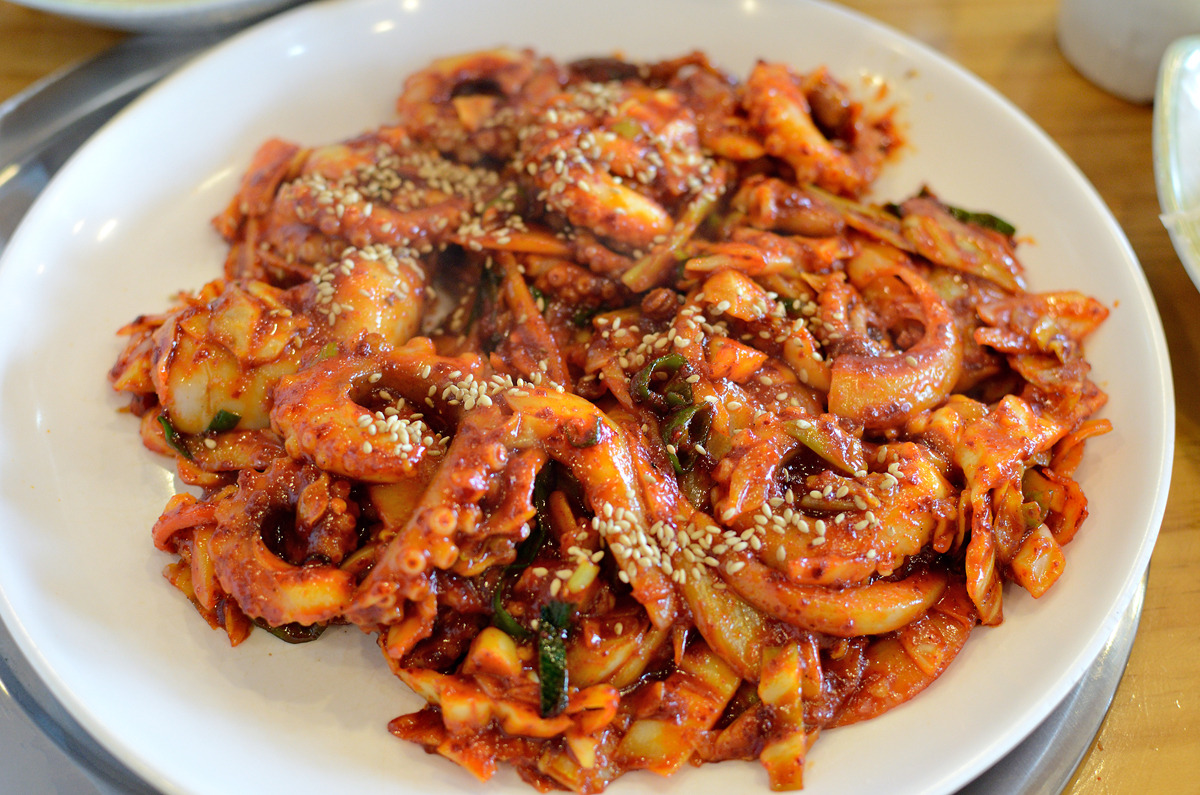
O-sam-bulgogi: Squid and Pork Belly Stir-fry
O-sam-bulgogi is a uniquely Korean stir-fry combining squid (ojingeo) and pork belly (samgyeopsal) in a sweet-spicy sauce — an unusual pairing that works brilliantly.
Photo: Wikipedia Commons
What Is O-sam-bulgogi?
O-sam-bulgogi (오삼불고기) takes its name from its two main ingredients: 'o' from ojingeo (오징어, squid) and 'sam' from samgyeopsal (삼겹살, pork belly). The combination of seafood and pork in a single dish is somewhat unusual, but in this preparation it works remarkably well. The squid and pork belly are stir-fried together over high heat in a bold sauce of gochujang, gochugaru, soy sauce, garlic, ginger, and a touch of sugar or corn syrup. Green onions, onions, and sometimes mushrooms are added to the mix. The heat is high and the cooking is fast, creating charred, caramelized edges on both the squid and pork. The resulting dish is intensely flavored — sweet, spicy, savory, and smoky — with two contrasting textures: the chewy, slightly springy squid and the rich, fatty pork belly. It is one of Korea's more exciting stir-fry dishes.
History & Origins
O-sam-bulgogi is considered a modern Korean dish rather than a historically ancient one. It likely developed in the coastal regions of Korea where both pork and squid were readily available, and it became popular during the latter half of the 20th century as Korean home cooking incorporated more diverse protein combinations. The dish gained wider recognition through Korean cuisine's general expansion in the 1990s and 2000s, appearing on restaurant menus across the country. Its unusual surf-and-turf combination made it stand out, and food enthusiasts were attracted by the bold, complex flavors. Gangneung and the East Sea coastal regions are particularly associated with o-sam-bulgogi, as the area has both strong pork culture and excellent squid fishing. Some regional versions use larger squid (hangul: daehwa ojingeo) for more substance.
How Koreans Eat It
O-sam-bulgogi is typically served over rice as a main dish or shared as an anju (drinking food) alongside soju or beer. It is sizzling hot when served and continues to cook on the table burner.
- ·Mix the sauce with rice for a quick bibimbap-style meal at the end
- ·Pair with cold draft beer — the sweetness of the sauce contrasts beautifully with cold lager
- ·The squid should be tender and slightly charred, not rubbery — this means it was cooked quickly at high heat
- ·Add a squeeze of lemon at the end to brighten the rich, heavy sauce
Cultural Significance
O-sam-bulgogi represents an interesting chapter in the evolution of Korean cuisine — the creative combination of two beloved ingredients that might not seem naturally paired but produce something unexpectedly harmonious. It reflects the Korean culinary sensibility that good cooking is about finding the right balance and contrast rather than following rigid categories. The dish is also a testament to Korea's coastal food culture, where seafood and land proteins have always coexisted on the table. For food travelers, o-sam-bulgogi offers a taste of Korean culinary creativity beyond the well-known classics — a dish that surprises with its unusual concept and rewards with its bold, satisfying flavors.
Tips
- 💡Order at a Korean restaurant that specializes in pork dishes — they often include o-sam-bulgogi as a signature item
- 💡The sauce will be spicy — if you prefer milder heat, ask the kitchen to reduce the gochujang
- 💡Coastal areas like Gangneung on the East Sea are particularly known for fresh, high-quality versions of this dish
Last updated: April 1, 2026
You might also like
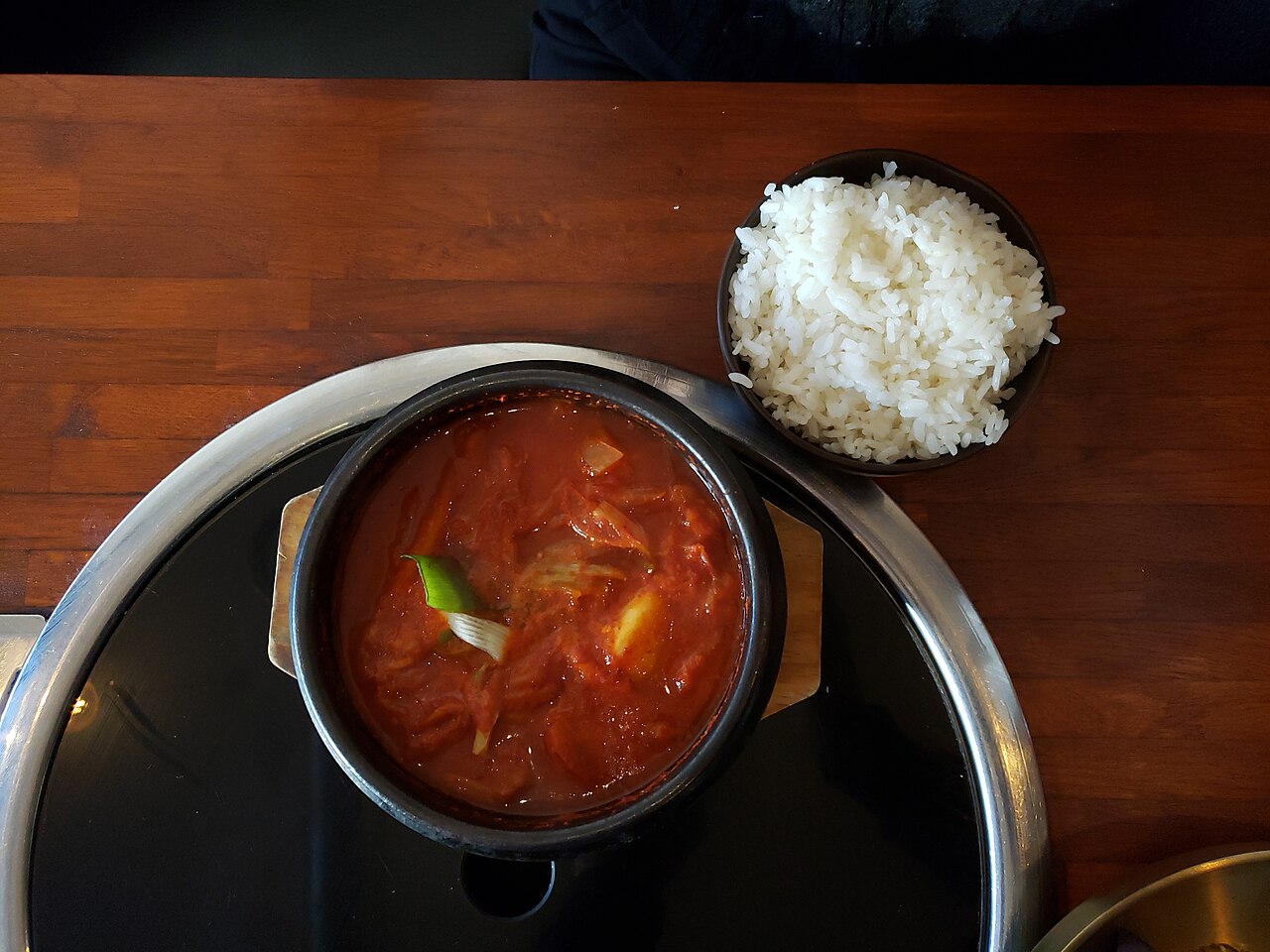
Kimchi Jjigae: Korea's Most Comforting Stew
Bubbling hot, deep red, and unmistakably Korean — kimchi jjigae is the stew that every Korean home smells like on a cold evening.
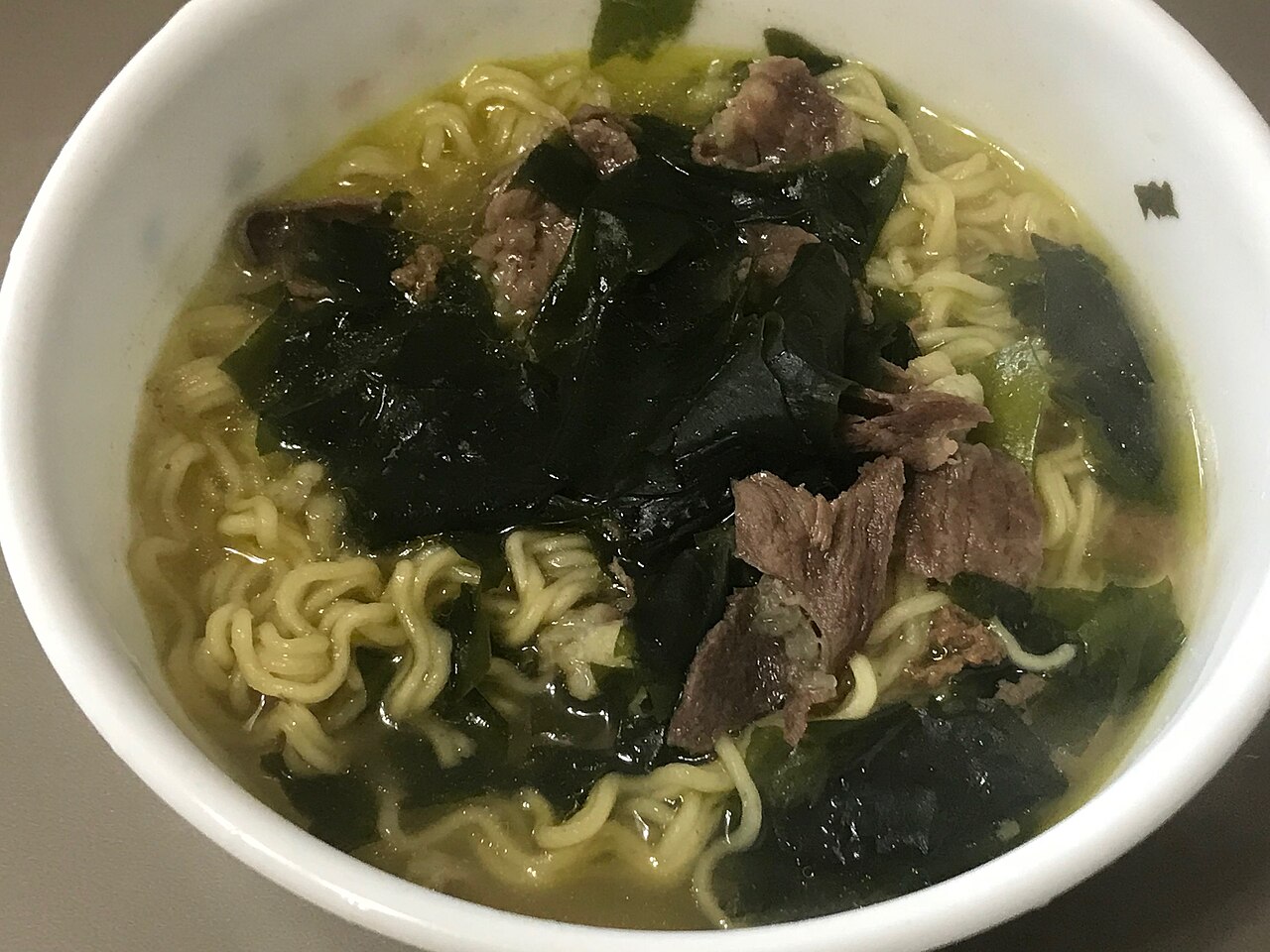
Miyeok-guk: The Birthday Soup That Is Really About Your Mother
Miyeok-guk is the seaweed soup every Korean eats on their birthday — a tradition that began as postpartum recovery food and became an annual act of gratitude to one's mother.
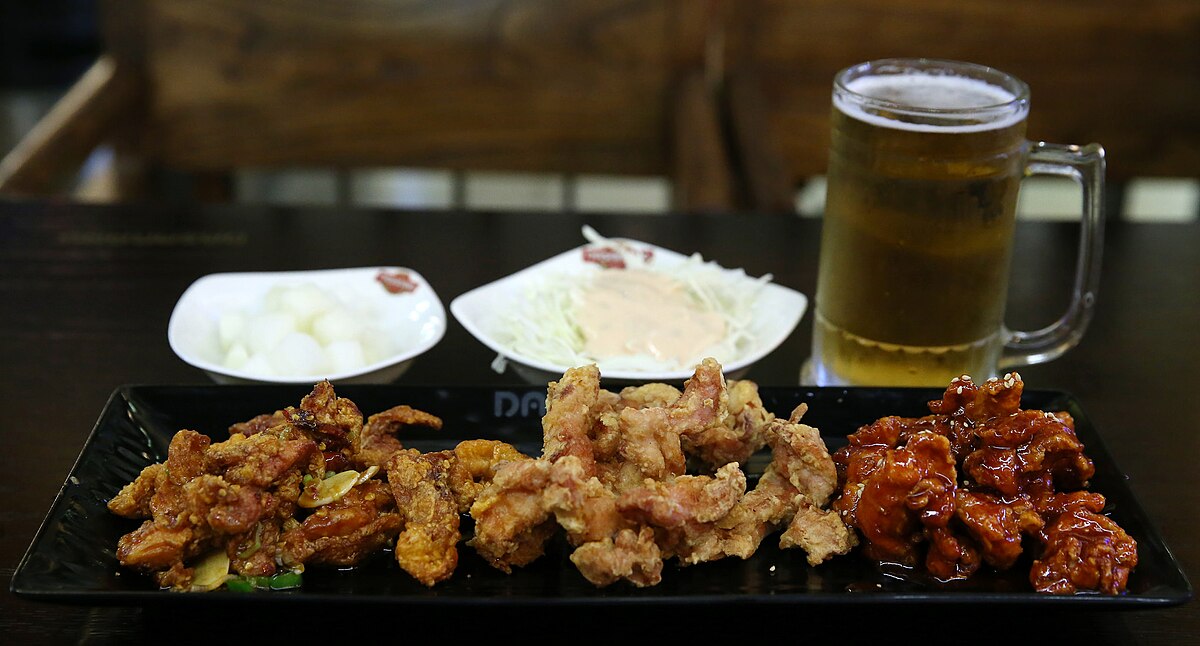
Chimaek: Why Korean Fried Chicken Is the World's Best
Korea has more fried chicken restaurants than McDonald's has locations worldwide. Here's the science and culture behind the crunch.