
Ojingeo: Korea's Love Affair with Squid
Ojingeo (squid) is one of Korea's most versatile and beloved seafoods, featured in everything from street food to banchan, dried snacks, and spicy stir-fry, with Gangneung as its coastal heartland.
Photo: Wikipedia Commons
What Is Ojingeo?
Ojingeo (오징어) is the Korean word for squid, and it is one of the most consumed seafoods in Korea. Unlike many cultures where squid is a secondary ingredient, Koreans celebrate ojingeo in its own right, across a huge variety of preparations: grilled whole (통오징어 구이), dried and roasted (마른 오징어), stir-fried with gochujang (오징어볶음), as a topping on bibimbap, in soups, braised (오징어조림), or served raw as hoe. The East Sea coast, particularly around Gangneung, Donghae, and Sokcho, is Korea's primary squid-fishing region. The fishing boats that return at night with their distinctive blue lights shining across the water are an iconic sight of Korea's east coast. Gangneung's Jumunjin Port is one of Korea's busiest squid fishing harbors. Perhaps the most iconic ojingeo experience is the whole grilled squid (통오징어 구이) sold at seaside markets and street stalls. The squid is grilled over charcoal until slightly charred, then glazed with a spicy-sweet sauce and served whole on a skewer. The smell of grilling squid is inseparable from Korean seaside towns.
History & Origins
Squid fishing has been part of Korean coastal culture for centuries. Historical records from the Joseon Dynasty document ojingeo as a regular food along the east coast, where the cold, nutrient-rich waters of the East Sea produced squid in abundance. Dried squid (건오징어 or 마른 오징어) was a key preserved food, easy to store and transport, and was traded inland from coastal regions. Gangneung developed as a major squid market due to its proximity to the Ulleung Bank, a highly productive fishing ground in the East Sea. As Korea modernized and refrigeration became widespread, fresh and frozen ojingeo could be transported nationwide, making squid a staple protein source across the entire country. Today, Korea is one of the world's largest consumers of squid per capita.
How Koreans Eat It
Ojingeo's versatility means it appears in Korean meals in many forms. Here are the most popular ways to enjoy it.
- ·Try ojingeo bokkeum (오징어볶음) — squid stir-fried with gochujang, vegetables, and sesame oil — one of the most popular banchan and rice dishes in Korea
- ·At east coast markets, buy a whole grilled squid on a skewer and eat it walking along the beach — the definitive Korean seaside snack
- ·Dried shredded squid (쥐포/건오징어채) sold in convenience stores makes an excellent beer or soju snack, especially when lightly toasted and dipped in mayonnaise
- ·Try ojingeo sundae (오징어순대) — squid stuffed with vegetables and rice, a Gangneung specialty
Cultural Significance
Ojingeo has deep cultural roots in Korea's coastal communities. For fishing villages along the east coast, squid was not just food but livelihood — the economic foundation of entire communities. The squid fishing season, the smell of drying squid hung in rows along coastal streets, and the bright lights of squid boats on the horizon are all part of the cultural memory of these regions. Ojingeo also features prominently in Korean popular culture. The Netflix series 'Squid Game' (오징어 게임), while using 'squid' in a game context rather than a culinary one, brought worldwide attention to the Korean word. More genuinely culinary, ojingeo bokkeum is a ubiquitous fixture in Korean school cafeterias, home cooking, and lunch boxes, making it deeply associated with everyday Korean life and nostalgia.
Tips
- 💡Visit Gangneung's Jumunjin Seafood Market for the freshest squid, especially in autumn when squid season peaks along the East Sea
- 💡Dried squid (마른 오징어) is one of the best Korean snacks to bring home — it keeps well and is available vacuum-packed at supermarkets and airport shops
- 💡If ordering squid at a market, specify '통오징어 구이' for the full grilled-whole experience rather than the fried version
Last updated: April 1, 2026
You might also like
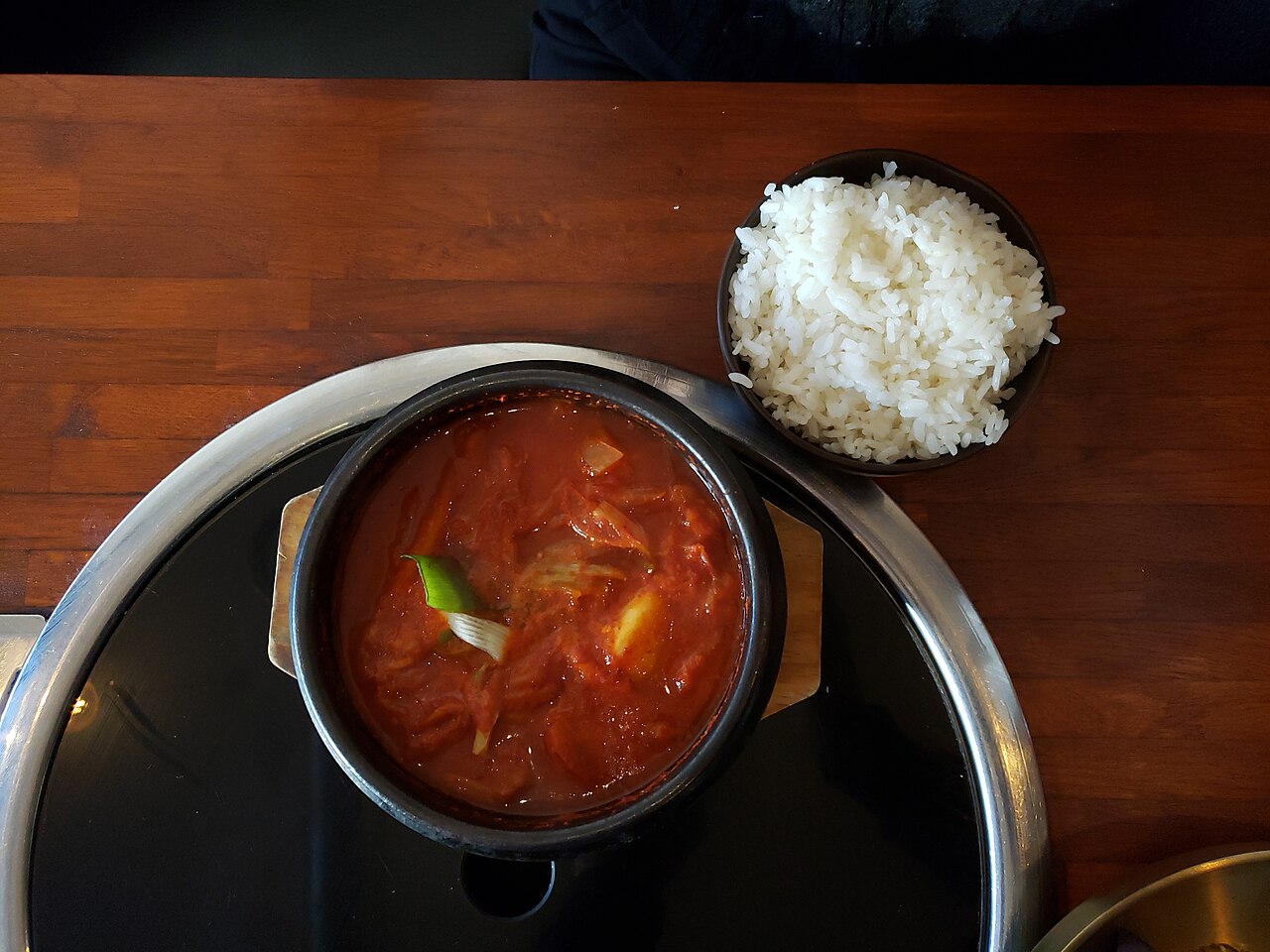
Kimchi Jjigae: Korea's Most Comforting Stew
Bubbling hot, deep red, and unmistakably Korean — kimchi jjigae is the stew that every Korean home smells like on a cold evening.
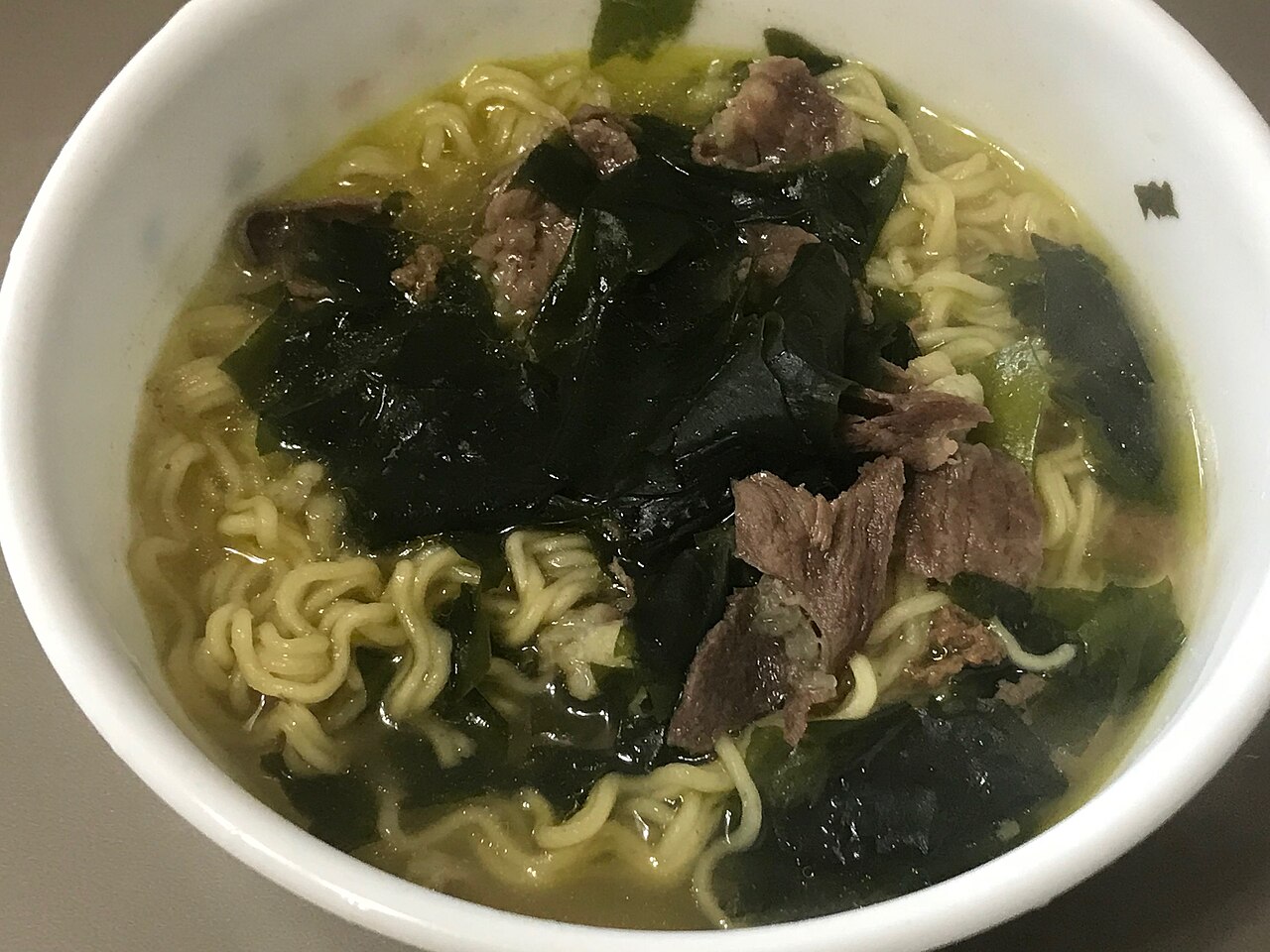
Miyeok-guk: The Birthday Soup That Is Really About Your Mother
Miyeok-guk is the seaweed soup every Korean eats on their birthday — a tradition that began as postpartum recovery food and became an annual act of gratitude to one's mother.
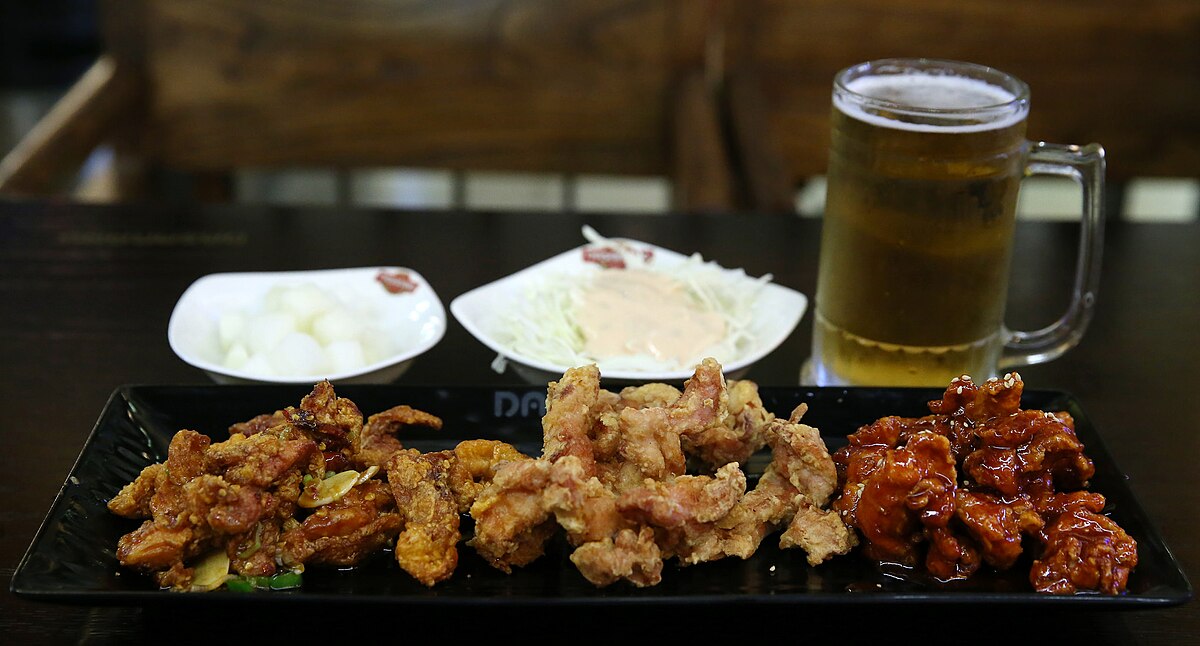
Chimaek: Why Korean Fried Chicken Is the World's Best
Korea has more fried chicken restaurants than McDonald's has locations worldwide. Here's the science and culture behind the crunch.