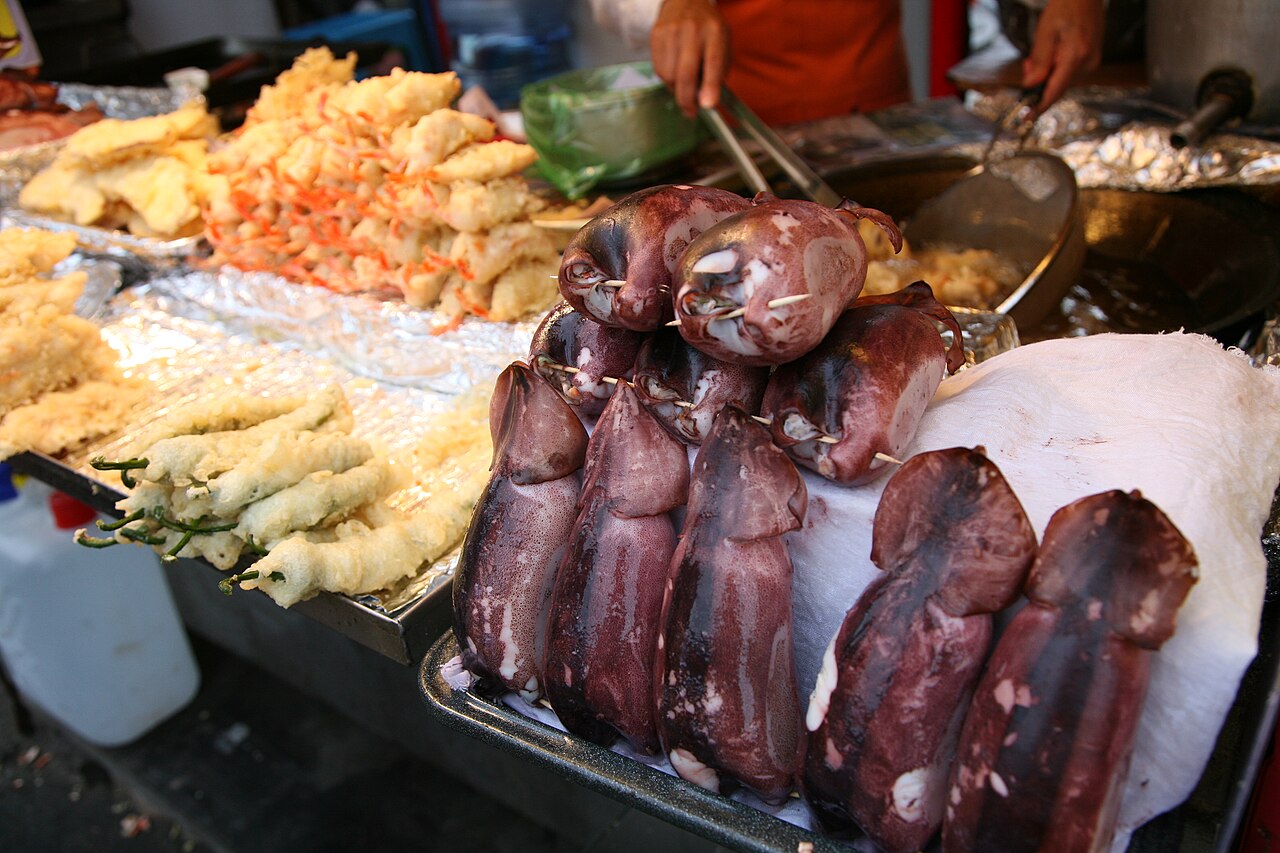
Ojingeo Twigim: Korea's Ultimate Fried Squid Snack
Ojingeo twigim is crispy Korean fried squid — a beloved street food staple found at markets and pojangmacha stalls, especially along the east coast in cities like Gangneung.
Photo: Wikipedia Commons
What Is Ojingeo Twigim?
Ojingeo twigim (오징어 튀김) is fried squid Korean-style: squid is cleaned, cut into rings or left as whole bodies stuffed with filling, coated in a light batter, and deep-fried until golden and crispy. The result is tender, sweet squid inside a crunchy, airy crust. It is one of the most popular items in the Korean twigim (튀김, fried snacks) category, sold alongside eomuk, hotteok, and various other fried treats at street food stalls and traditional markets. Gangneung on the east coast is particularly famous for its ojingeo twigim. The city's proximity to rich East Sea squid fisheries means the squid used is exceptionally fresh and large. Gangneung's Jungang Market and the area around Gyeongpo Beach are known destinations for people who travel specifically to eat ojingeo twigim. There are several popular variations. The classic is ring-shaped twigim. Another is ojingeo sundae (오징어순대) — whole squid bodies stuffed with a mixture of tofu, vegetables, and rice noodles, battered and fried. This version has a particularly satisfying bite as the filling provides a contrasting soft interior to the crispy squid exterior.
History & Origins
Twigim culture in Korea dates back centuries, with a tradition of frying various foods in sesame or vegetable oil at festivals, ritual feasts (제사), and markets. However, the popularization of fried squid as street food was largely a 20th-century development driven by Korea's rapid urbanization and the expansion of pojangmacha (포장마차, street food tent) culture. As squid became more abundant and affordable due to industrial fishing in the East Sea, it became a natural choice for the ever-popular twigim stalls. Gangneung, which had direct access to fresh squid from its ports, became a center of ojingeo twigim excellence. The city's version, using freshly caught large squid, became famous enough to attract food tourists from across Korea. The rise of food tourism and social media in the 2010s further amplified Gangneung's reputation as a squid destination.
How Koreans Eat It
Ojingeo twigim is street food — it is meant to be eaten outdoors, on the go, paper-wrapped, typically standing or walking.
- ·Eat it hot, immediately after it comes out of the fryer — the crispiness deteriorates within minutes
- ·Dip in the accompanying sweet and sour sauce (새콤달콤 소스) or a spicy gochujang-based dipping sauce if available
- ·In Gangneung, try the stuffed ojingeo sundae version — ask for '속 채운 오징어 튀김' — for the most substantial and satisfying version
- ·Pair with tteokbokki and eomuk for the full Korean street food experience at a market pojangmacha
Cultural Significance
Ojingeo twigim is part of the larger Korean pojangmacha and traditional market culture that holds deep nostalgic value. For Koreans, eating twigim at a street stall evokes memories of school trips, market visits with grandparents, and simple pleasures of urban life. The sizzle of the fryer, the smell of hot oil and fresh squid, and the warmth of a paper bag in your hands on a cool day are powerful sensory memories. The Gangneung-specific reputation of ojingeo twigim grew dramatically after Gangneung hosted venues for the 2018 PyeongChang Winter Olympics, which brought both Korean and international visitors to the city and its food scene. Gangneung's traditional markets were promoted as authentic Korean food destinations, and ojingeo twigim was among the most photographed and praised items by visiting food writers and travelers.
Tips
- 💡Gangneung's Jungang Market and the beachside vendors at Gyeongpo Beach are the best spots for legendary ojingeo twigim in Korea
- 💡The freshest twigim is made to order — look for stalls with live orders being fried rather than pre-cooked items sitting in a display
- 💡Ojingeo twigim pairs beautifully with local craft beer or soju, making it a great early evening snack before dinner
Last updated: April 1, 2026
You might also like
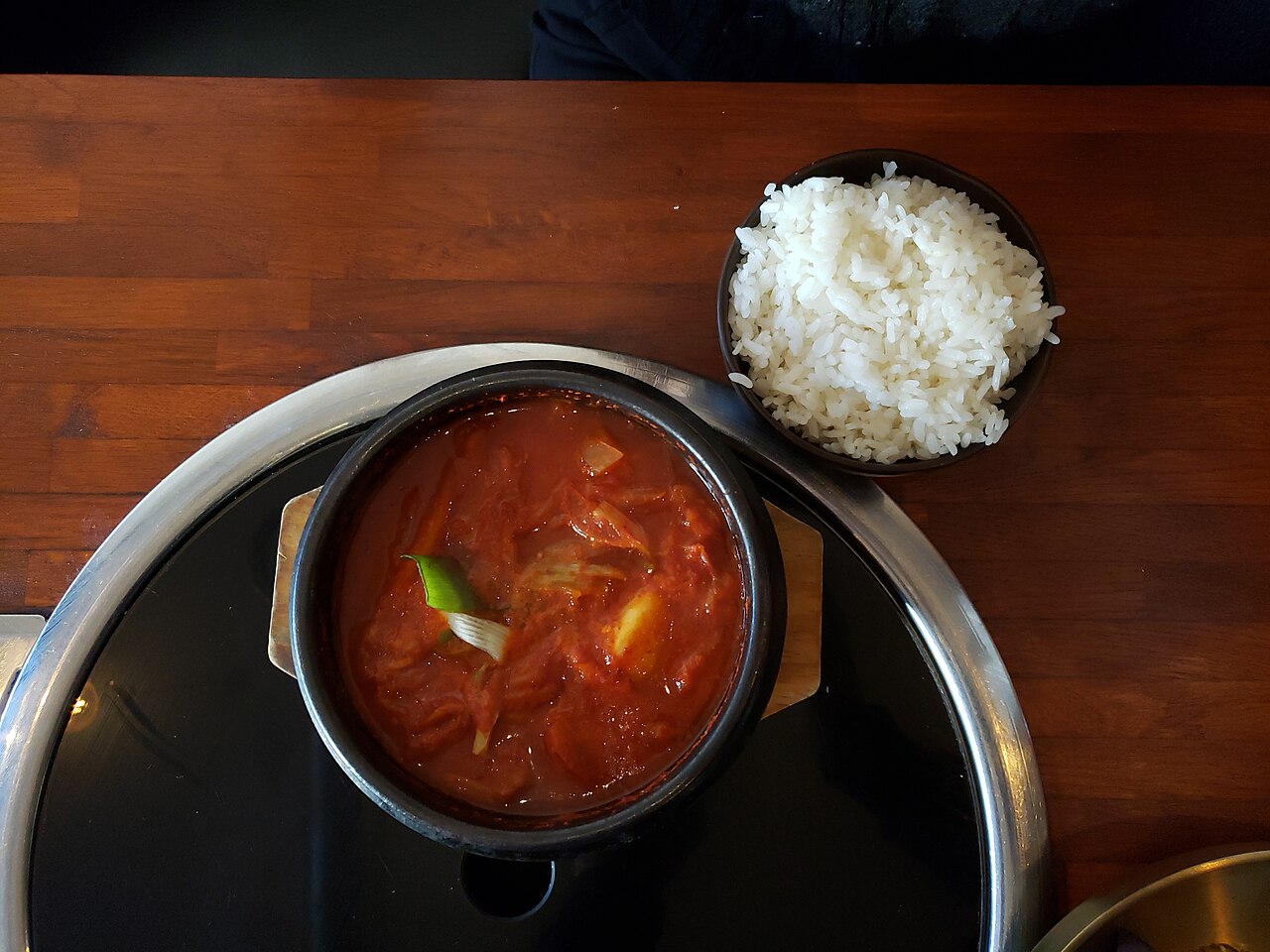
Kimchi Jjigae: Korea's Most Comforting Stew
Bubbling hot, deep red, and unmistakably Korean — kimchi jjigae is the stew that every Korean home smells like on a cold evening.
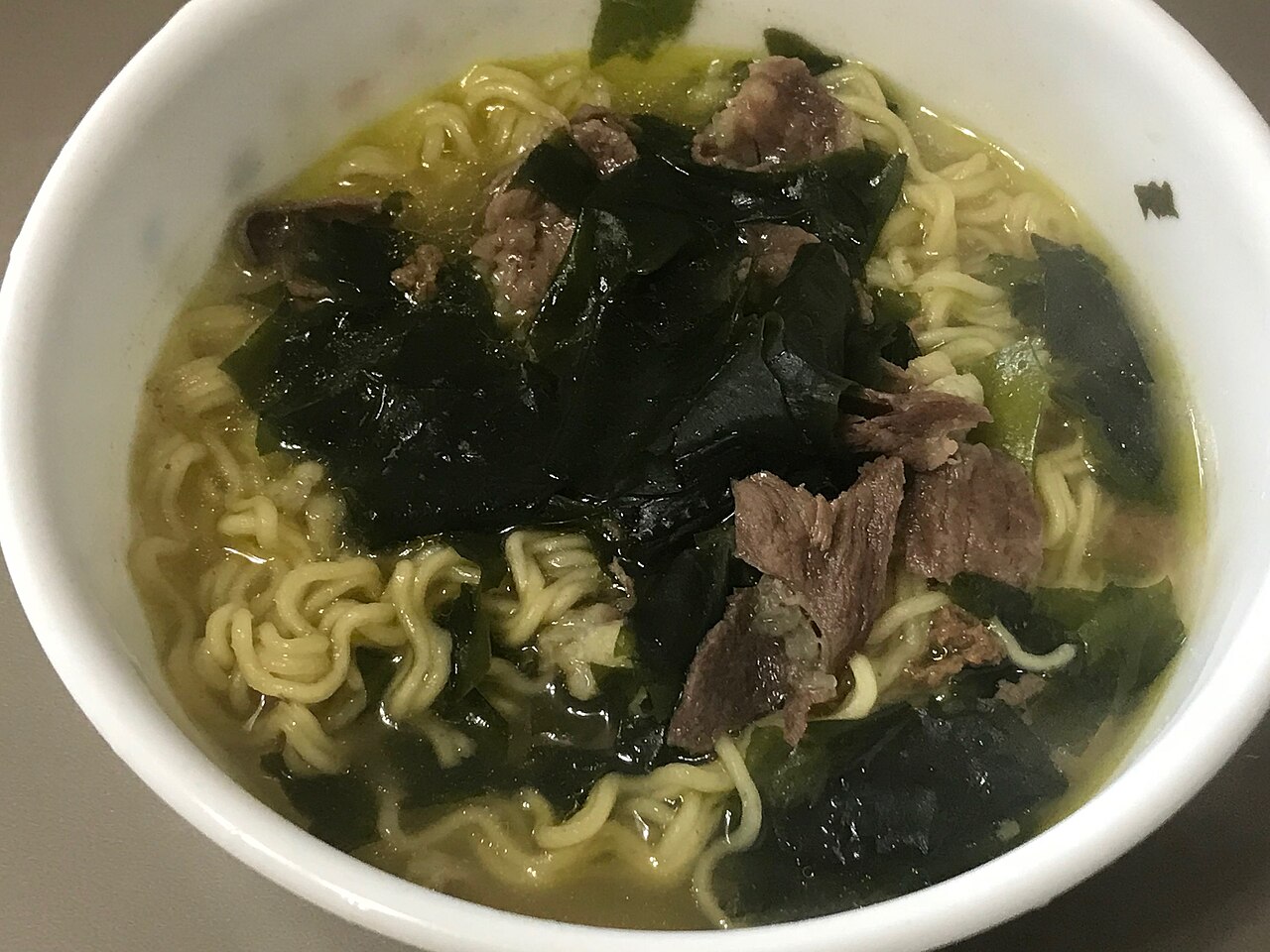
Miyeok-guk: The Birthday Soup That Is Really About Your Mother
Miyeok-guk is the seaweed soup every Korean eats on their birthday — a tradition that began as postpartum recovery food and became an annual act of gratitude to one's mother.
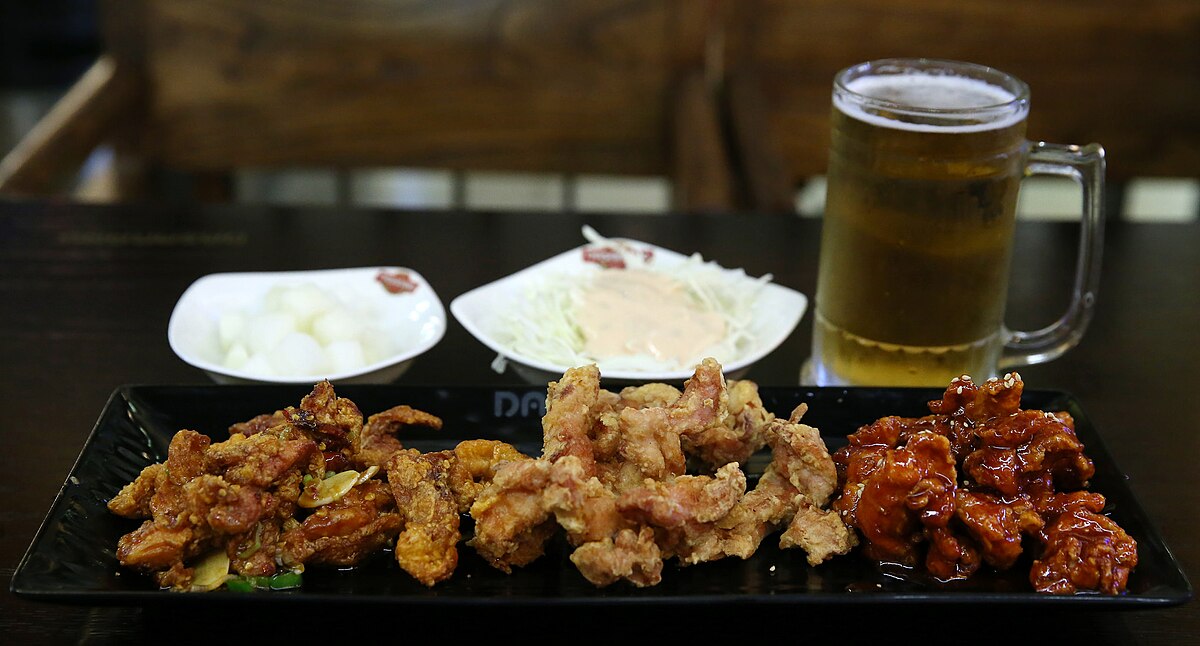
Chimaek: Why Korean Fried Chicken Is the World's Best
Korea has more fried chicken restaurants than McDonald's has locations worldwide. Here's the science and culture behind the crunch.