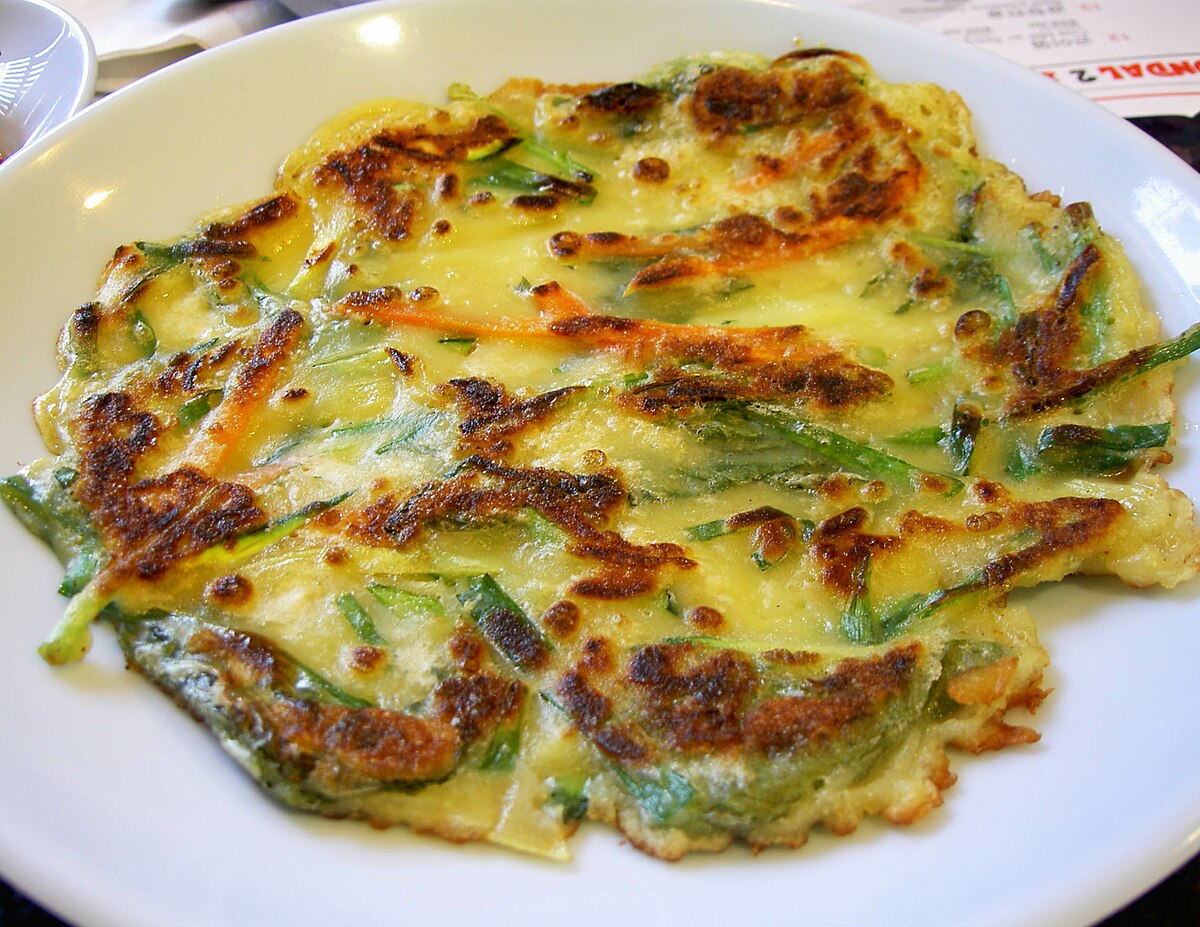
Pajeon: Korean Green Onion Pancake
Pajeon is a crispy Korean savory pancake made primarily from green onions, offering a simpler, purer flavor than seafood versions — a classic alongside makgeolli rice wine.
Photo: Wikipedia Commons
What Is Pajeon?
Pajeon (파전) is the umbrella term for Korean savory pancakes (jeon) featuring pa — scallions or green onions — as the primary ingredient. The simplest version is just green onions bound in a thin egg-and-flour batter, fried until the outside is crispy while the inside remains soft and slightly eggy. Unlike haemul-pajeon which adds seafood, plain pajeon allows the sweet, mild flavor of the green onions to be the star. The result is a more delicate, herbaceous pancake that some Koreans prefer for its cleaner, less heavy character. Pajeon is served with a dipping sauce of soy sauce, rice vinegar, gochugaru (red pepper flakes), and sesame oil. It is one of the most accessible Korean foods for international visitors, with a gentle flavor that rarely challenges unfamiliar palates.
History & Origins
The town of Dongnae (now part of Busan) gave its name to the most famous style of pajeon in Korea — Dongnaepajeon. Historical records indicate that Dongnaepajeon was presented to royal envoys and government officials in the Joseon Dynasty as a representative local specialty. The recipe is considered significant enough that it has been listed as an important cultural heritage item in Busan. Dongnaepajeon uses pa (green onions grown in the Dongnae region, which are distinctively large and sweet), rice flour in addition to wheat flour, and a precise proportion of egg that gives the finished pancake a particularly rich, silky texture. It is thinner and more refined than the average pajeon found at street stalls. Beyond the Dongnae tradition, ordinary pajeon has been a staple of Korean home cooking and market food for centuries, varying in style and ingredient ratio from region to region and household to household.
How Koreans Eat It
Pajeon is eaten as a snack, side dish, or drinking food. It is one of the most casual and relaxed Korean foods — associated with leisure, rainy days, and gentle socializing.
- ·The classic pairing is pajeon with makgeolli — the mild pancake and the sweet, slightly fizzy rice wine are designed for each other
- ·Dip in the soy-vinegar sauce briefly — too much sauce will make the crispy outside soggy
- ·Eat hot from the pan for the best textural contrast between crispy edges and soft interior
- ·If visiting Busan, seek out authentic Dongnaepajeon at restaurants in the Dongnae area
Cultural Significance
Pajeon is one of the most recognizable symbols of Korean food culture's intersection with leisure and weather. The 'pajeon on a rainy day' association is as ingrained in Korean culture as any food tradition — sales of pajeon and makgeolli spike on rainy days across Korea, a phenomenon that has been documented by food writers and even economists studying Korean consumer behavior. The Dongnaepajeon tradition also illustrates how deeply Korean food culture values regional specificity and heritage. A pancake made in one city in a particular way can become a source of local pride and cultural identity — preserved, celebrated, and passed down through generations.
Tips
- 💡For the most refined pajeon experience, travel to Dongnae in Busan and try the heritage Dongnaepajeon
- 💡The ratio of egg to flour determines the texture — more egg creates a softer, richer pancake; more flour makes it crispier
- 💡Pajeon is one of the easiest Korean dishes to recreate at home — spring onions, flour, egg, salt, and a hot pan
Last updated: April 1, 2026
You might also like
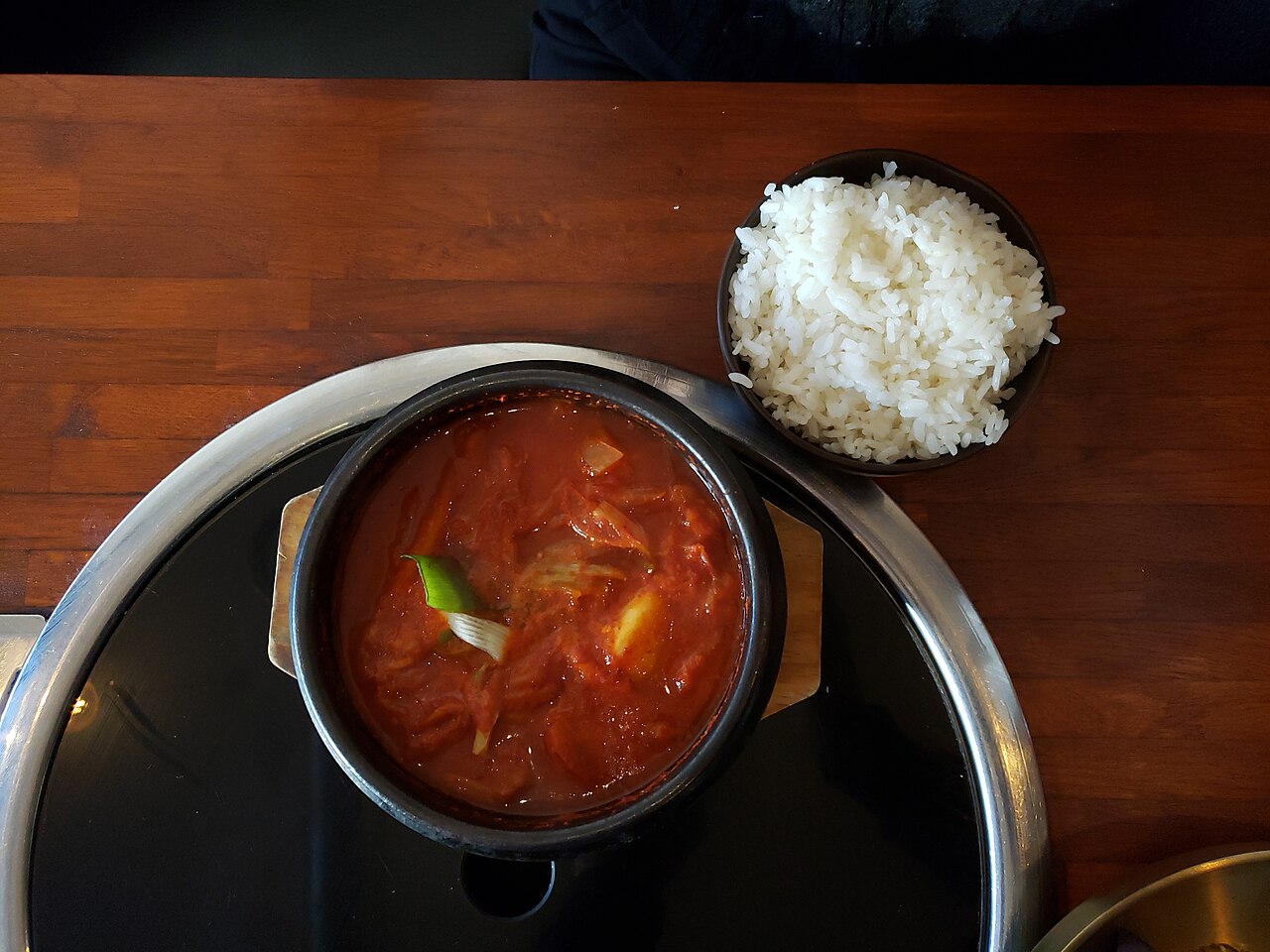
Kimchi Jjigae: Korea's Most Comforting Stew
Bubbling hot, deep red, and unmistakably Korean — kimchi jjigae is the stew that every Korean home smells like on a cold evening.
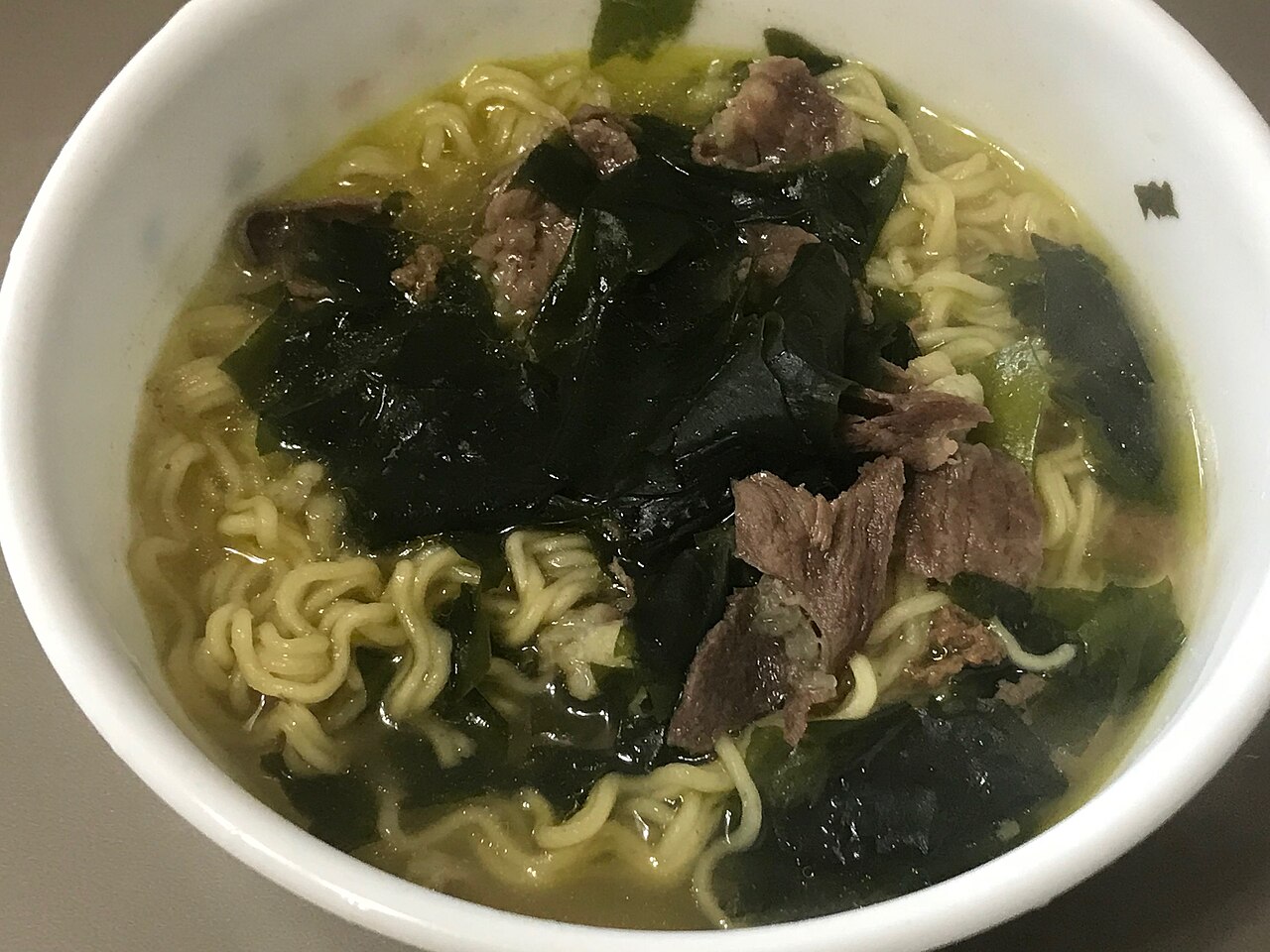
Miyeok-guk: The Birthday Soup That Is Really About Your Mother
Miyeok-guk is the seaweed soup every Korean eats on their birthday — a tradition that began as postpartum recovery food and became an annual act of gratitude to one's mother.
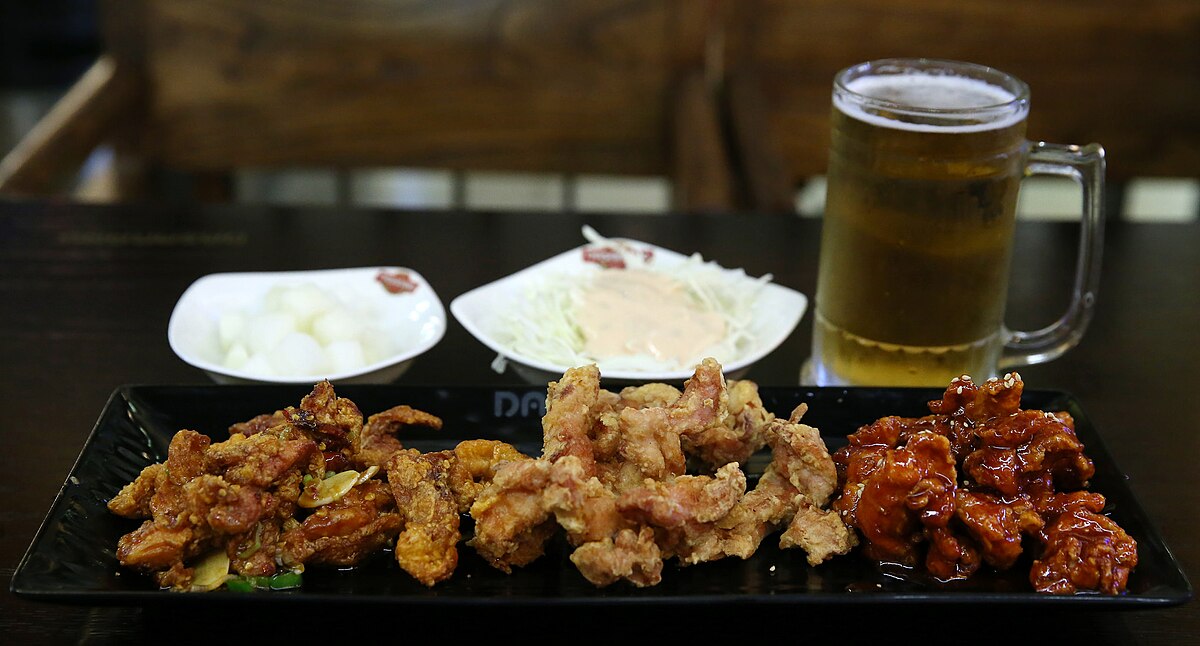
Chimaek: Why Korean Fried Chicken Is the World's Best
Korea has more fried chicken restaurants than McDonald's has locations worldwide. Here's the science and culture behind the crunch.