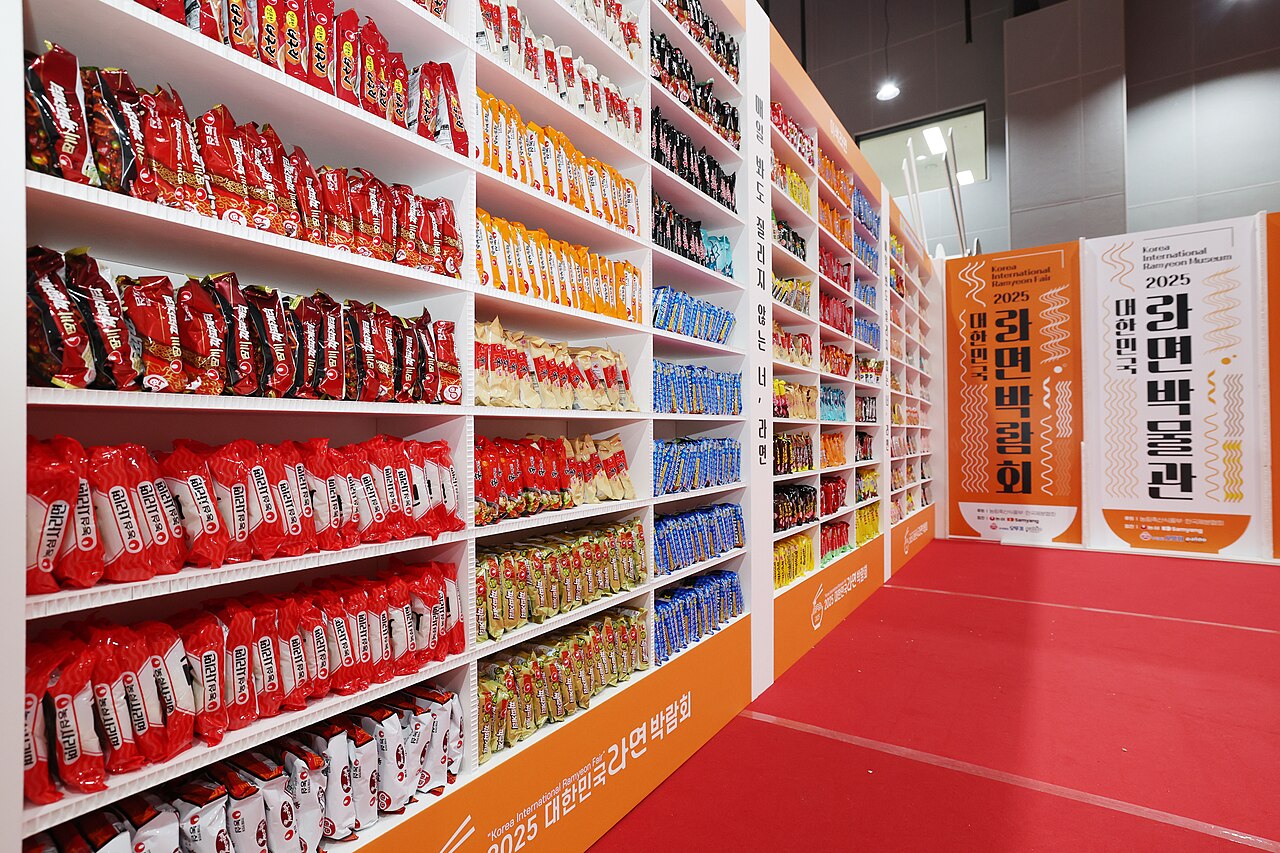
Ramyeon: Korea's Beloved Instant Noodle
Korea's fiery instant noodle culture, from late-night comfort food to global export phenomenon.
Photo: Wikipedia Commons
What Is Korean Ramyeon?
Korean ramyeon (라면) is a style of instant noodle that is distinctly different from Japanese ramen. While Japanese ramen is typically made from scratch in specialized restaurants with rich, carefully crafted broths, Korean ramyeon refers primarily to instant noodles — dried noodle blocks with a powdered or liquid seasoning packet that are cooked at home or in convenience stores in just a few minutes. The defining characteristic of Korean ramyeon is its bold, spicy red broth. The soup base is typically made from a combination of chili, garlic, dried mushrooms, and savory seasonings that produce an intensely flavored, reddish-orange soup. Unlike milder Japanese broths, Korean ramyeon punches hard with heat and umami. The most iconic brands include Shin Ramyeon (Nongshim), Samyang's Buldak Bokkeum Myeon (fire noodles), and Jin Ramyeon. Shin Ramyeon alone sells over 3 billion packets per year globally, making it one of the world's best-selling food products.
History & Origins
Korean instant noodles were born in 1963 when Samyang Foods launched the country's first packet of ramyeon, inspired by Japanese instant noodles that had debuted in 1958. In post-war Korea, where food shortages were still common, instant noodles offered an affordable, filling, and shelf-stable source of carbohydrates that quickly became a staple for millions of people. The government actively promoted instant noodle consumption in the 1960s and 1970s as part of its effort to reduce rice consumption and address food scarcity. Noodles were positioned as a modern, economical alternative to rice — a messaging campaign so successful that ramyeon became deeply embedded in Korean eating culture at all income levels. By the 1990s, ramyeon had evolved from a necessity into a cultural comfort food. Nongshim introduced Shin Ramyeon in 1986 — a spicier, beefier product that became the benchmark for the entire category. Today, Korean instant noodles are exported to over 100 countries, and South Koreans consume approximately 73 packets per person per year, one of the highest rates in the world.
How Koreans Eat It
Ramyeon is rarely eaten straight from the packet without modification. Koreans have developed a rich culture of customizing and elevating their instant noodles.
- ·The classic upgrade: Add a raw egg halfway through cooking and let it set to a soft-yolk consistency. Slice of processed cheese melted on top is another beloved addition.
- ·Kimchi ramyeon: Add a generous spoonful of kimchi into the boiling broth for extra sourness and depth of flavor.
- ·Convenience store ramyeon: Most Korean convenience stores have hot water dispensers and foam cups — pour hot water into a cup noodle and eat it at the small tables outside.
- ·Budae-jjigae style: Combine ramyeon noodles with processed ham, spam, baked beans, and vegetables in a large pot — a fusion dish born from American military surplus ingredients near US army bases.
- ·The perfect noodle timing: Koreans are particular about noodle doneness — ideally cooked just before they begin to go soft, retaining some chew and firmness.
Cultural Significance
In Korean culture, ramyeon is loaded with emotional meaning far beyond its status as cheap fast food. Korean dramas frequently use late-night ramyeon as a symbol of solitude, comfort, and simple happiness — the sight of a protagonist eating ramyeon alone at midnight is a universally understood shorthand for a particular kind of melancholy. The phrase 'ramyeon meokgo gallae?' (라면 먹고 갈래? — 'Want to come in and eat ramyeon?') is a famous euphemism popularized by Korean television dramas, widely understood as an indirect romantic invitation. The global phenomenon of Buldak Bokkeum Myeon (fire chicken noodles) deserves special mention. Launched in 2012, this product became an internet sensation through social media 'spicy challenge' videos in which people from around the world filmed their reactions to eating what many describe as the spiciest mainstream instant noodle available. The video trend generated hundreds of millions of views and transformed a Korean snack product into a global cultural phenomenon.
Tips
- 💡Start with Shin Ramyeon if you want the authentic Korean ramyeon experience — it is spicy but manageable for most people.
- 💡Avoid Buldak (fire noodles) unless you genuinely enjoy extreme heat — many Koreans consider them challenging too.
- 💡Adding just a small splash of rice vinegar to the finished broth gives a brightness that cuts through the richness and makes the soup taste more complex.
Last updated: March 30, 2026
You might also like
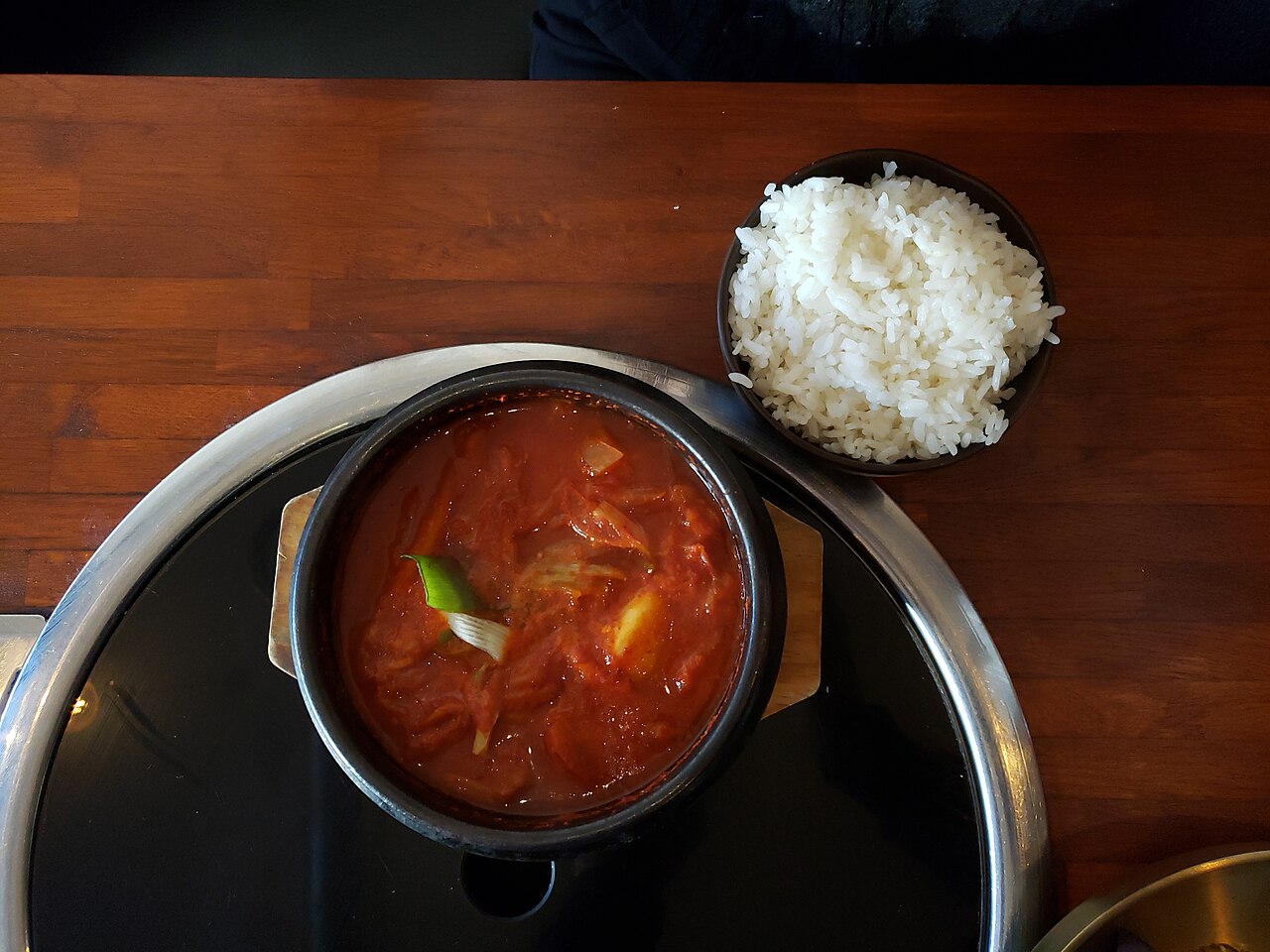
Kimchi Jjigae: Korea's Most Comforting Stew
Bubbling hot, deep red, and unmistakably Korean — kimchi jjigae is the stew that every Korean home smells like on a cold evening.
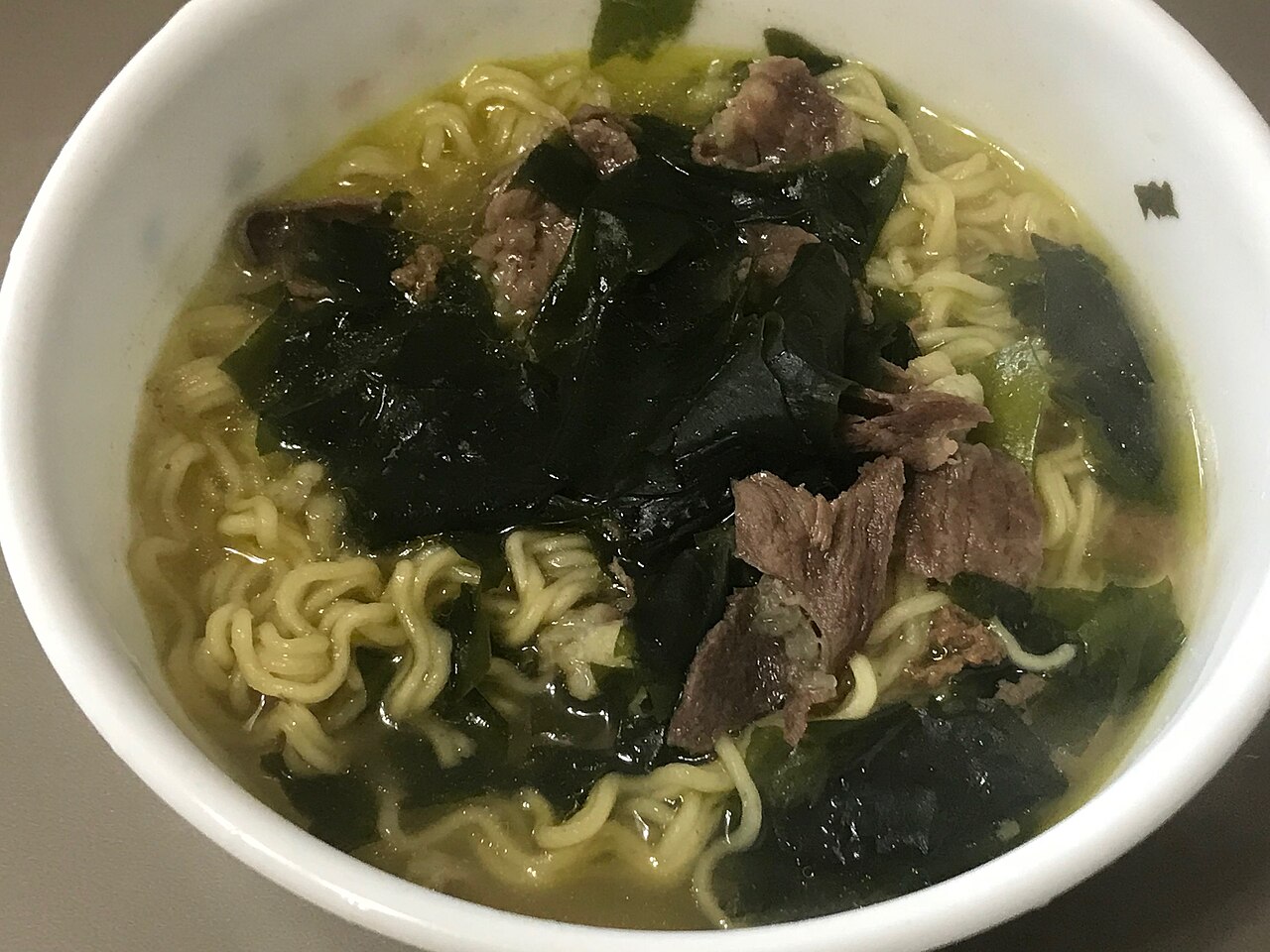
Miyeok-guk: The Birthday Soup That Is Really About Your Mother
Miyeok-guk is the seaweed soup every Korean eats on their birthday — a tradition that began as postpartum recovery food and became an annual act of gratitude to one's mother.
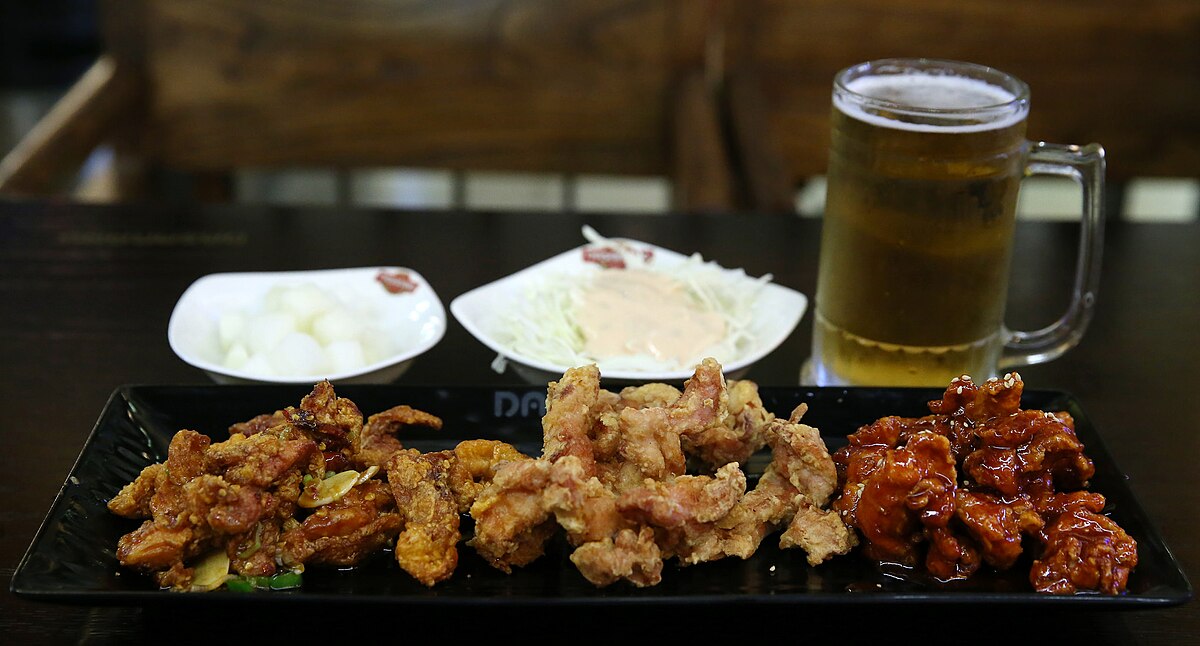
Chimaek: Why Korean Fried Chicken Is the World's Best
Korea has more fried chicken restaurants than McDonald's has locations worldwide. Here's the science and culture behind the crunch.