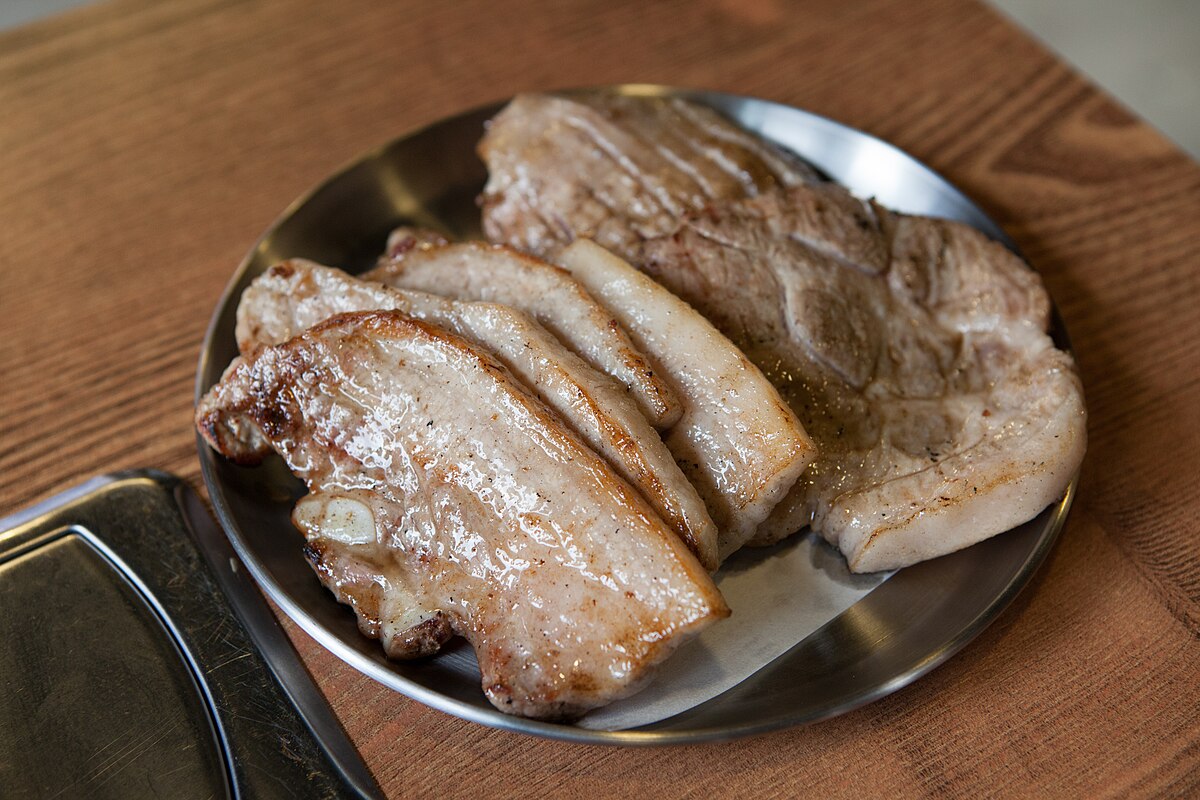
Samgyeopsal: Korea's Ultimate BBQ Experience
Discover why samgyeopsal — grilled pork belly — is the heart of Korean dining culture and a must-try experience.
Photo: Wikipedia Commons
What Is Samgyeopsal?
Samgyeopsal (삼겹살) literally means 'three-layer flesh' in Korean — a reference to the beautiful striations of lean meat and fat that run through a thick-cut slice of pork belly. This is not a fancy restaurant dish. It is comfort food, social ritual, and cultural institution all rolled into one sizzling grill session. The dish arrived on Korean tables in the late 1980s, when Samsung and Lotte entered the meat-processing industry and made pork widely affordable. Before that, beef dominated Korean tables. Today, samgyeopsal is eaten more frequently than almost any other meat dish in the country, with the average Korean consuming it multiple times a month. What makes it remarkable is simplicity. The meat arrives raw and completely unseasoned. Diners grill it themselves on a built-in tabletop grill, cutting it with metal scissors, and eat it straight from the fire — wrapped in a lettuce leaf with a smear of fermented soybean paste and a sliver of raw garlic.
The Art of Eating It Right
Eating samgyeopsal correctly is a skill — and locals are happy to show you. The meat goes on the grill in thick slabs. You wait, watching the fat render and the edges crisp. When one side is golden, someone with tongs flips each piece and cuts it into bite-sized chunks with scissors. This is always done with scissors, never a knife. While the pork sizzles, garlic cloves and sliced mushrooms get tossed onto the grill alongside it, soaking up the drippings. When a piece of meat is ready, you build your ssam: take a lettuce or perilla leaf in your palm, add a chunk of pork, a dab of ssamjang (the dense, savory dipping paste), a sliver of garlic, maybe a strip of green chili. Fold it up and eat it in one bite. The second act begins when most of the pork is gone. The rendered fat pooling on the grill gets used to fry kimchi, and then bokkeum-bap — fried rice — gets cooked directly on the grill surface. It is one of the great improvisational dishes in Korean cuisine, created from whatever is left.
- ·Always eat ssam (the lettuce wrap) in one full bite — never take a second bite from the same wrap
- ·The person closest to the grill is usually responsible for flipping and cutting the meat
- ·Never put raw garlic directly on the grill — add it once the pork fat has rendered
- ·Dip cooked meat in sesame oil with salt and pepper as an alternative to ssamjang
The Social Ritual
Samgyeopsal is more than food — it is the architecture of Korean social life. The dish is almost never eaten alone. It is the meal for 회식 (hoe-shik), the obligatory company dinner where colleagues bond over shared food and drinks. It marks promotions, celebrations, and the end of a hard week. University students eat it to decompress before exams; coworkers eat it to process a difficult project; friends eat it for no reason at all. Soju, the clean Korean spirit, is the drink of choice. Glasses are never filled by the drinker — someone at the table always pours for others. Refusals are rare. By the end of a samgyeopsal dinner, the table is crowded with empty soju bottles, the grill is black with caramelized juices, and everyone has eaten approximately twice what they planned. There is also a specific cultural moment tied to samgyeopsal: the superstition that eating it on the 3rd day of the 3rd month (March 3rd) brings good luck, because sam (삼) means three — hence 삼겹살 and 3월 3일 share the same first syllable.
Regional Varieties and Modern Twists
Traditional samgyeopsal uses plain, unadorned pork belly. But since the late 2000s, marinated versions have gained enormous popularity. Ginseng, wine, garlic, doenjang, gochujang, curry, and herbs are now common marinades. The flavors are bolder, and the caramelization from the sugar in the marinades creates an extra layer of complexity. Some restaurants specialize in aged samgyeopsal — pork belly that has been dry-aged for 20 to 30 days to concentrate flavor and tenderize the fat. Others serve it over charcoal rather than gas, insisting that the smokiness is the entire point. In Jeju Island, a regional specialty called heukdwaeji (black pork) from native black pigs is prized as the finest samgyeopsal in the country. For foreigners cooking at home, samgyeopsal is one of the easiest Korean dishes to attempt. Thick-cut pork belly is widely available in Asian grocery stores worldwide. A cast-iron skillet or outdoor grill handles the cooking. The key is the accompaniments: a head of lettuce, a jar of doenjang or ssamjang, sesame oil, garlic, and green chili make the full experience possible anywhere in the world.
Why Foreigners Love It
Samgyeopsal has become one of the first Korean food experiences that travelers seek out, and the reason is clear: it is participatory. You are not a passive diner — you are a cook. The social interaction at the table, the shared process of building wraps and watching meat sear, creates a bond between strangers and a memory that survives long after the meal ends. Food media has accelerated the trend. Videos of perfectly crisped pork belly, gleaming with fat and wrapped in dark green perilla leaves, circulate endlessly on YouTube and Instagram. K-drama scenes set at samgyeopsal restaurants — almost always involving confessions, arguments, or celebrations — have given the dish a cultural narrative that fans around the world feel invested in. For many visitors, samgyeopsal is the meal they eat on their first night in Seoul, the meal they eat on their last night in Seoul, and the meal they cook at home trying to recreate both.
Tips
- 💡Go for lunch: many samgyeopsal restaurants offer lunch sets at significantly lower prices than dinner
- 💡Order one serving of kimchi-jjigae (kimchi stew) to share — it balances the richness of the pork perfectly
- 💡The grill gets replaced halfway through at good restaurants — ask if it looks too charred
- 💡If you are vegetarian, the banchan (side dishes) alone — kimchi, bean sprouts, pickled radish — make a satisfying meal at most KBBQ spots
- 💡Wear clothes you don't mind smelling of smoke. The grill smoke is inescapable and lingers.
Last updated: March 30, 2026
You might also like
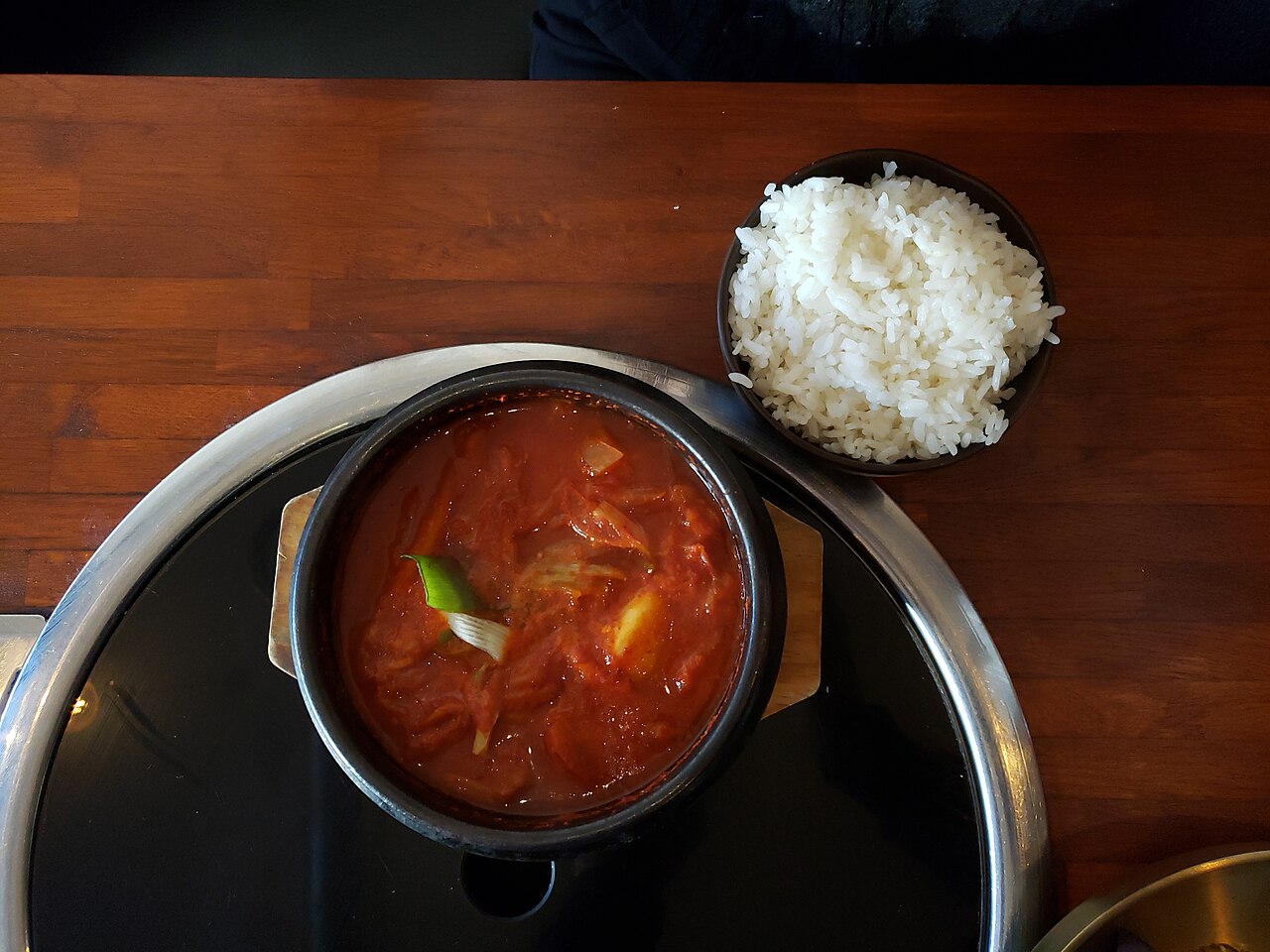
Kimchi Jjigae: Korea's Most Comforting Stew
Bubbling hot, deep red, and unmistakably Korean — kimchi jjigae is the stew that every Korean home smells like on a cold evening.
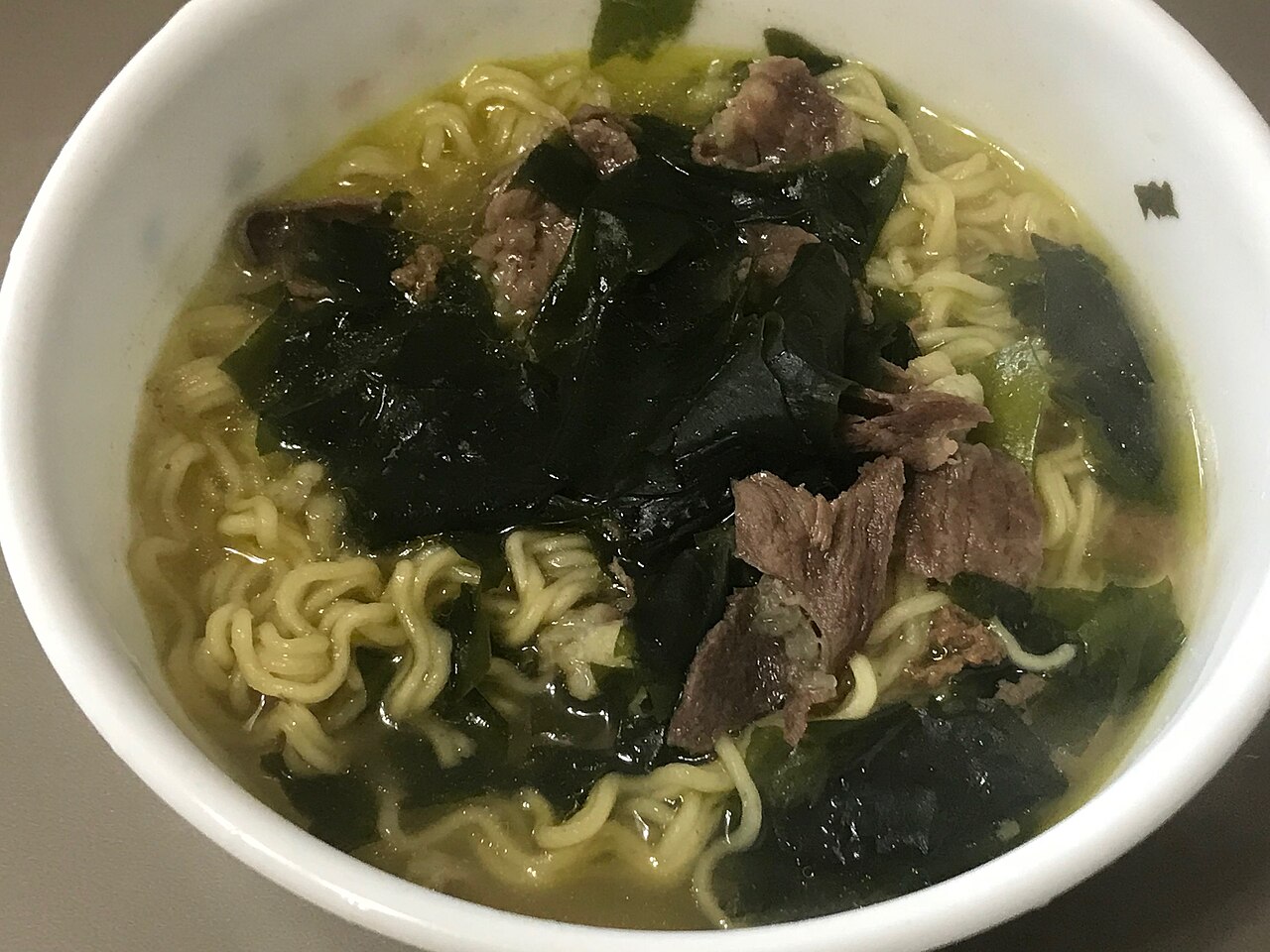
Miyeok-guk: The Birthday Soup That Is Really About Your Mother
Miyeok-guk is the seaweed soup every Korean eats on their birthday — a tradition that began as postpartum recovery food and became an annual act of gratitude to one's mother.
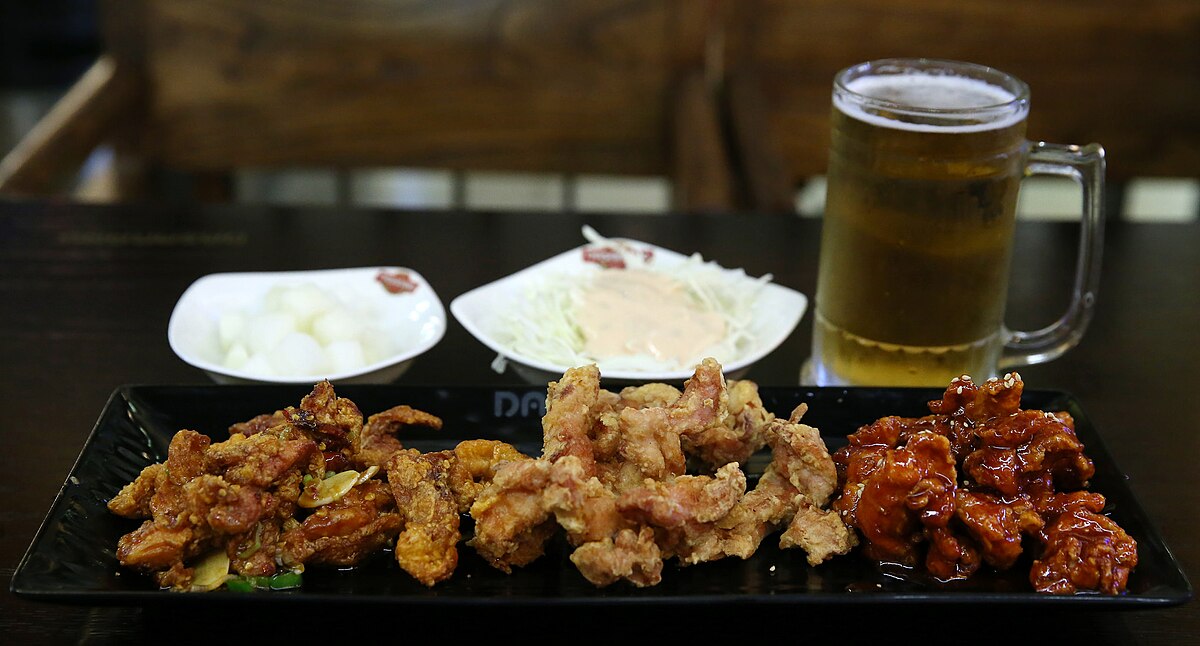
Chimaek: Why Korean Fried Chicken Is the World's Best
Korea has more fried chicken restaurants than McDonald's has locations worldwide. Here's the science and culture behind the crunch.