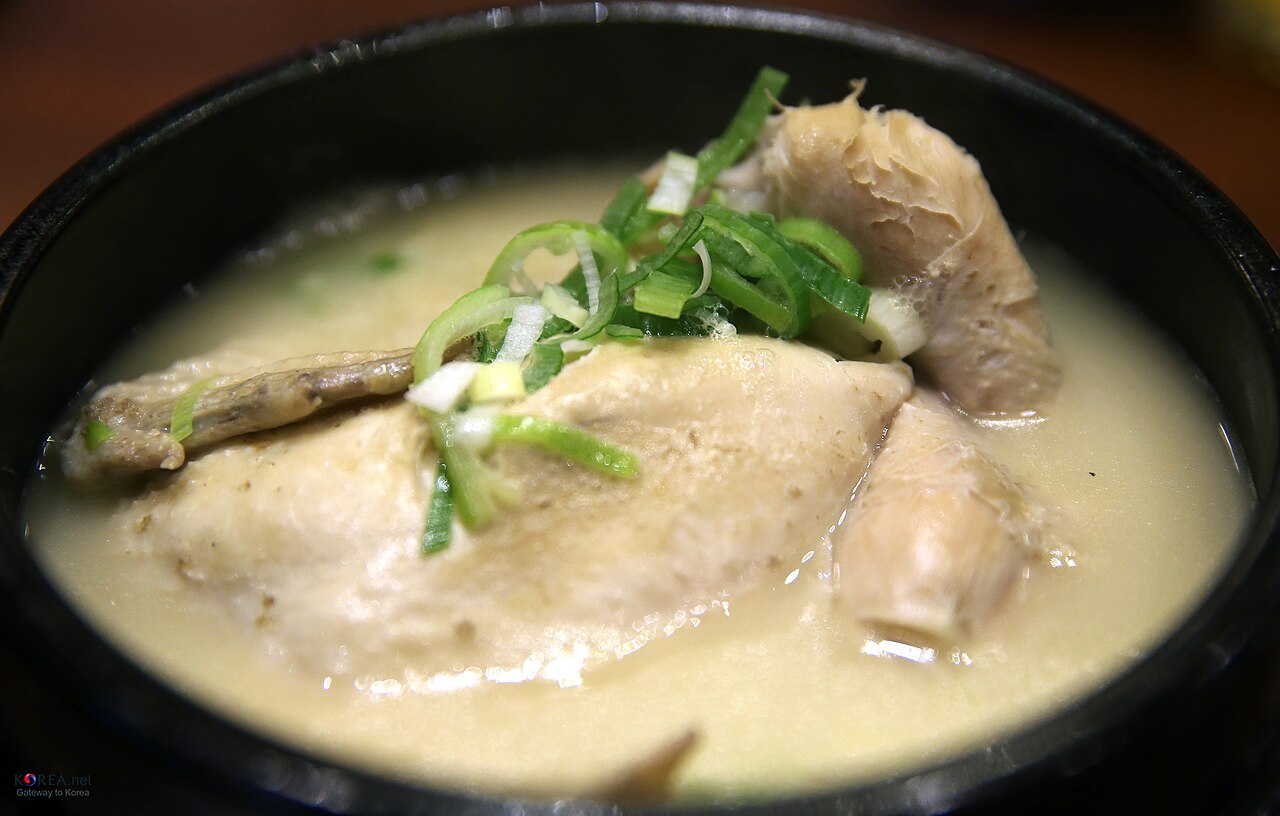
Samgyetang: Korea's Ultimate Healing Chicken Soup
A whole young chicken stuffed with ginseng, garlic, rice, and jujubes — Korea's legendary summer health tonic.
Photo: Wikipedia Commons

What Is Samgyetang?
Samgyetang (삼계탕, 蔘鷄湯) is one of Korea's most iconic dishes — a whole young chicken (poussin) slow-simmered in a rich, milky white broth and stuffed with glutinous rice, Korean ginseng (인삼, insam), garlic cloves, and jujubes (대추, daechu). The name breaks down into three hanja characters: sam (蔘, ginseng), gye (鷄, chicken), and tang (湯, soup or broth). Unlike most soups, samgyetang is served with an entire small chicken per person — you receive your own individual pot, brimming with steaming broth and a stuffed bird that has been braised until the meat falls off the bone. It's both a meal and a medicine in Korean culinary tradition, believed to restore energy, strengthen the immune system, and counteract the effects of extreme heat.
The Korean Belief: Fighting Heat with Heat
Samgyetang is most famously consumed during the three hottest days of the Korean lunar calendar, known as 삼복 (sambok): 초복 (chobok), 중복 (jungbok), and 말복 (malbok). These fall in midsummer, typically late July to mid-August, and correspond to periods of intense heat and humidity. The Korean philosophy behind eating hot soup in hot weather is called 이열치열 (以熱治熱, 'fight heat with heat'). The logic: eating something warm and nutritious makes the body sweat, which cools it down, while also replenishing the energy lost through sweating. This is diametrically opposite to the Western instinct of eating cold foods in summer, but generations of Koreans swear by it. On sambok days, lines form outside samgyetang restaurants hours before opening.
- ·초복 (chobok) — first hot day, ~July 11–20
- ·중복 (jungbok) — middle hot day, ~July 21–30
- ·말복 (malbok) — last hot day, ~August 10–19
The Key Ingredients
The magic of samgyetang lies in its carefully chosen ingredients, each selected for both flavor and medicinal properties. The chicken is a poussin — a very young bird, typically 300–500g — chosen for its tender meat and ability to fit a serving's worth of stuffing inside. Glutinous rice (찹쌀, chapssal) is packed into the cavity, absorbing the ginseng-infused broth as it cooks. Fresh Korean ginseng (수삼, susam) — either whole roots or sliced — is the defining ingredient, lending the broth its characteristic pale golden color, slightly bitter-sweet flavor, and adaptogenic properties. Garlic cloves, jujubes (red dates), and sometimes chestnuts or pine nuts complete the stuffing. Some premium versions add dried astragalus root (황기, hwanggi) or goji berries for additional health benefits.
- ·영계 (yeonggye) — whole young chicken (poussin)
- ·수삼 (susam) — fresh Korean ginseng
- ·찹쌀 (chapssal) — glutinous rice
- ·대추 (daechu) — jujubes (red dates)
- ·마늘 (maneul) — whole garlic cloves
- ·황기 (hwanggi) — astragalus root (in premium versions)
How to Eat Samgyetang
Samgyetang is served boiling hot in a stone or ceramic pot, alongside small dishes of salt and black pepper. The proper way to eat it is to first ladle some broth into a small bowl and sip it like tea. Then tear apart the chicken with chopsticks and spoon — the meat will be so tender it practically falls off the bone — and scoop out the ginseng-infused rice from the cavity. Tear the ginseng into pieces and eat it alongside the meat. Dip pieces of chicken in the salt dish to season as you like. Many restaurants also serve a small glass of ginseng wine (인삼주, insam-ju) or makgeolli alongside, believed to enhance the health benefits. Leave the soup simmering on the table burner as you eat so the last sip is as hot as the first.
- 1
Sip the broth
Ladle some broth into your small bowl. Sip slowly — it's intensely flavored and very hot.
- 2
Open the chicken
Use chopsticks and spoon to pull apart the chicken. The meat tears easily.
- 3
Scoop out the rice
Dig into the cavity with your spoon to get the ginseng-infused glutinous rice.
- 4
Season with salt
Dip chicken pieces in the small dish of salt and black pepper to taste.
- 5
Eat the ginseng
Tear the ginseng root into pieces and eat it — it's slightly bitter but nutritious.
Where to Try Samgyetang
Samgyetang is available year-round at dedicated samgyetang restaurants across Korea, though lines are longest during the sambok summer days. In Seoul, the Insadong and Gyeongbokgung areas are famous for traditional samgyetang restaurants — Tosokchon Samgyetang near Gyeongbokgung has been featured on countless food shows and often has queues stretching down the block. For a budget option, convenience stores (편의점) like CU and GS25 sell pre-packaged heat-and-eat samgyetang, while home cooks can buy whole poussin chickens at any Korean grocery for a DIY version. The dish has also traveled internationally — you'll find it at Korean restaurants in New York, London, and Tokyo.
Tips
- 💡Visit during 삼복 (sambok, midsummer) for the full cultural experience — everyone eats samgyetang on these days.
- 💡Tosokchon near Gyeongbokgung Palace is one of Seoul's most famous samgyetang restaurants — arrive early.
- 💡Don't skip the ginseng root inside — eat it alongside the chicken for the full medicinal effect.
- 💡Pair with a small glass of makgeolli or ginseng wine for the traditional Korean accompaniment.
- 💡The rice inside the chicken is especially flavorful — scoop it out completely before the broth absorbs it all.
Last updated: April 1, 2026
You might also like
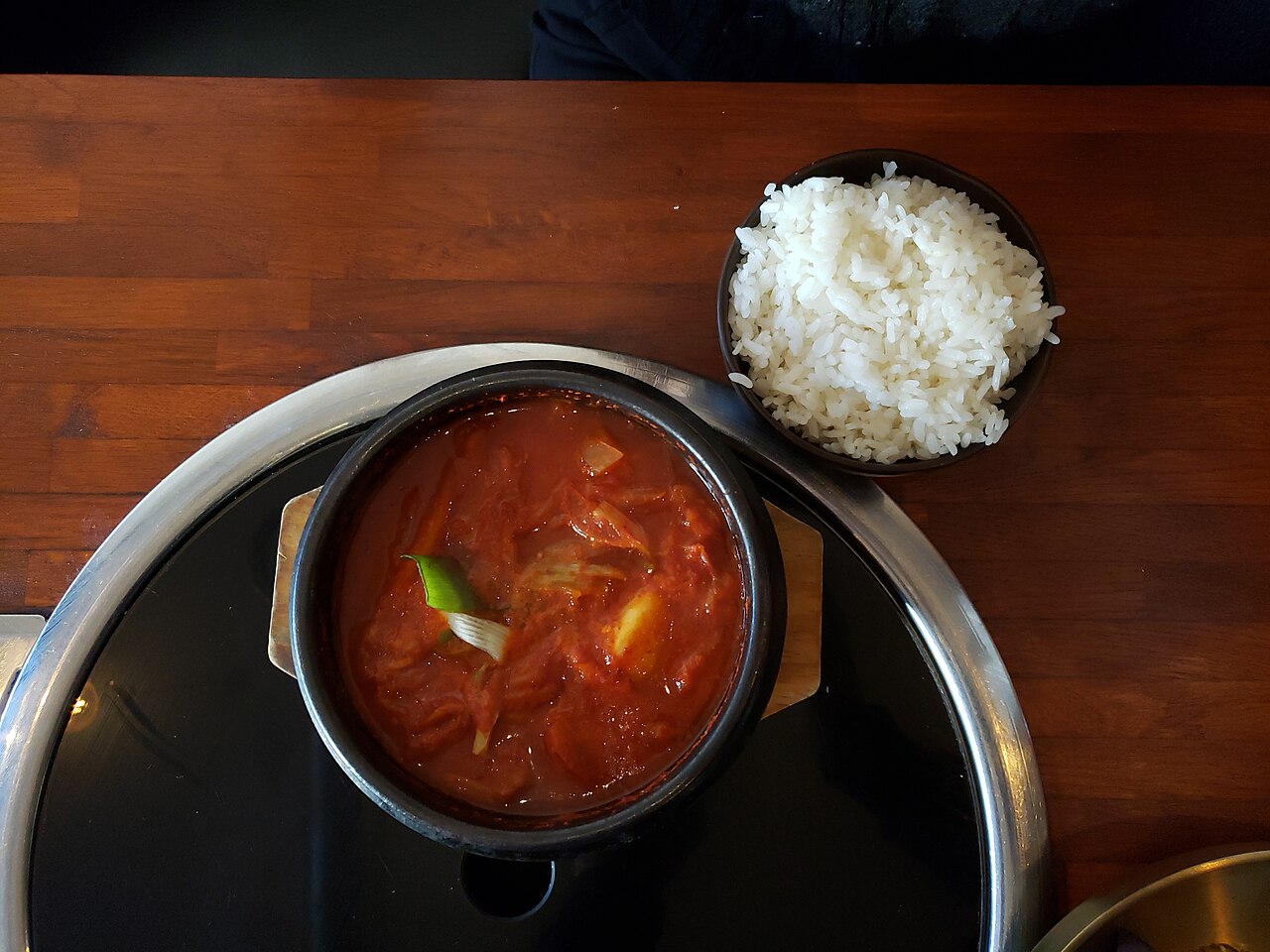
Kimchi Jjigae: Korea's Most Comforting Stew
Bubbling hot, deep red, and unmistakably Korean — kimchi jjigae is the stew that every Korean home smells like on a cold evening.
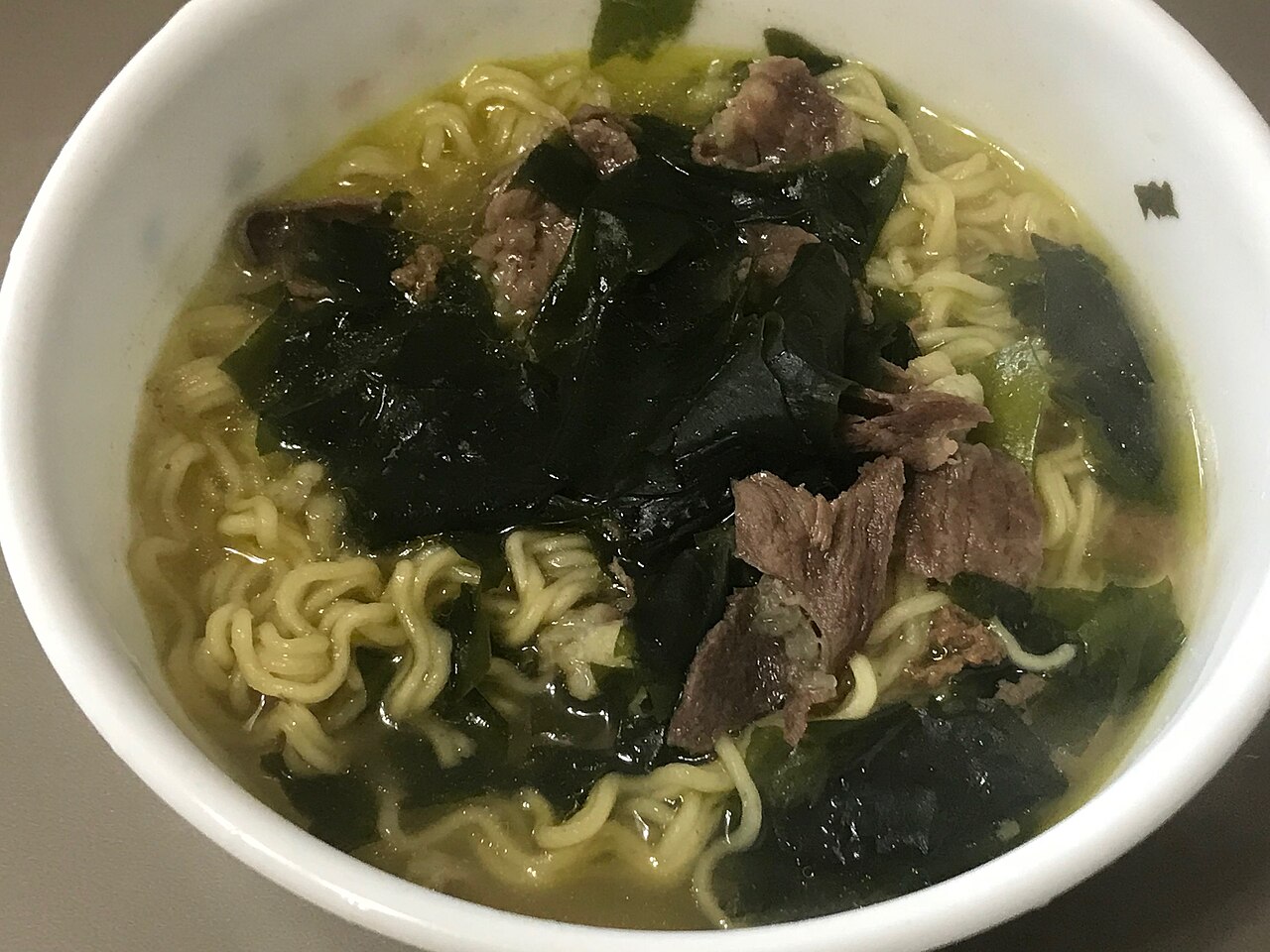
Miyeok-guk: The Birthday Soup That Is Really About Your Mother
Miyeok-guk is the seaweed soup every Korean eats on their birthday — a tradition that began as postpartum recovery food and became an annual act of gratitude to one's mother.
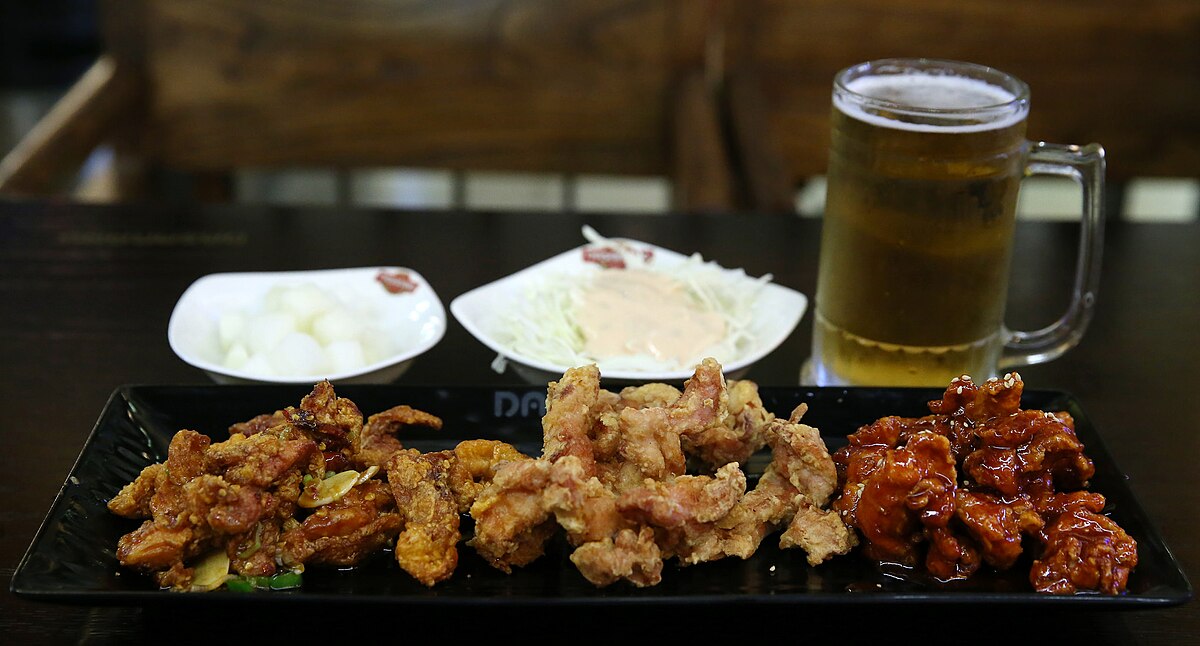
Chimaek: Why Korean Fried Chicken Is the World's Best
Korea has more fried chicken restaurants than McDonald's has locations worldwide. Here's the science and culture behind the crunch.