Seolleongtang: Milky Ox Bone Soup
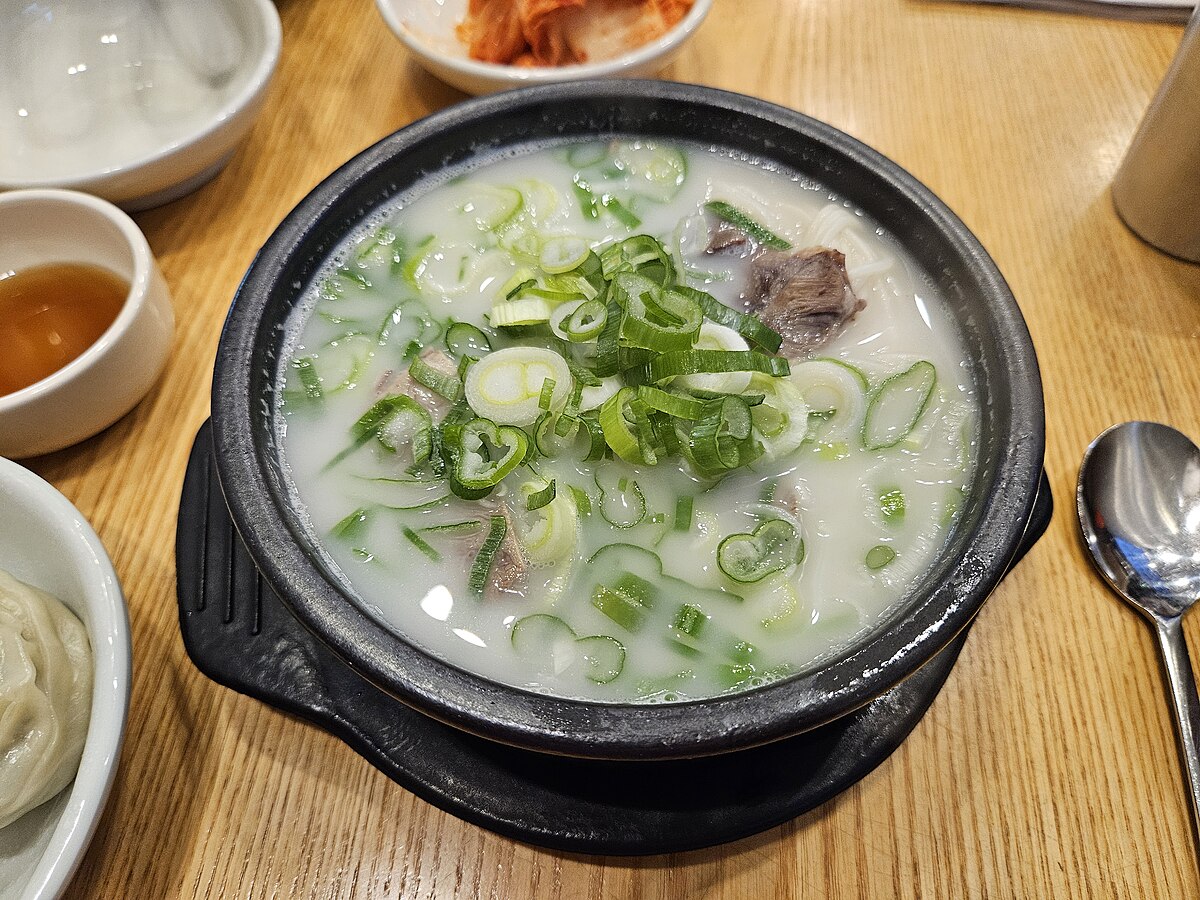
Seolleongtang is a slow-boiled Korean ox bone soup with a rich, milky white broth, eaten with rice and kimchi for a deeply comforting meal.
Photo: Wikipedia Commons
What Is Seolleongtang?
Seolleongtang (설렁탕) is a Korean ox bone soup made by boiling ox bones — along with brisket, oxtail, and other parts — at a continuous rolling boil for 10 to 12 hours or more. This intensive cooking process extracts collagen and fat from the bones, turning the broth a milky, opaque white color. The resulting soup is rich, creamy, and deeply savory, with a mild flavor that pairs perfectly with rice and fermented side dishes. The broth itself is purposely left unsalted during cooking, and diners season it themselves at the table with salt, black pepper, and chopped green onions. Seolleongtang is typically served with a small bowl of rice (which can be added directly to the soup), kimchi, and kkakdugi (radish kimchi). Thin slices of beef and sometimes rice noodles are included in the bowl.
History & Origins
Seolleongtang has ancient roots and is one of the oldest documented soups in Korean culinary history. Its origins are often traced to a royal harvest ritual during the Joseon Dynasty called 'seonnongje,' in which the king symbolically plowed a field and offered food to the gods. The ox bones left over from these ceremonial rites were boiled into a communal soup and distributed to the people — a story that lends the dish a sense of communal and historical weight. Historically, the dish became associated with Seoul's Namdaemun and Cheonggyecheon areas, where seolleongtang restaurants have operated for generations. Some establishments in these areas have been serving the same recipe for over a century, passing methods from one generation to the next. The milky-white color, achieved without adding any dairy, has become a visual symbol of Korean comfort food.
How Koreans Eat It
Seolleongtang is eaten at any hour of the day, including breakfast. It is a popular hangover cure, a late-night meal, and an everyday lunch. The unseasoned nature of the broth means each diner controls the flavor themselves.
- ·Add salt and black pepper gradually — the soup should be savory but not overpowering
- ·Put rice directly in the soup bowl and mix — this is the classic way to eat it
- ·Add chopped green onions from the small condiment dish on the table
- ·Order extra kimchi to eat alongside — the fermented sourness cuts beautifully through the rich broth
Cultural Significance
Seolleongtang occupies a unique place in Korean food culture as the ultimate comfort food and a symbol of unpretentious, nourishing eating. It is the kind of food Koreans describe with the word 'siwonhada' (시원하다) — a complex term meaning both physically cool/refreshing and emotionally satisfying. The dish's collagen-rich broth is also associated with health benefits in Korean folk medicine — it is given to recovering patients, nursing mothers, and the elderly as a restorative food. For many Koreans, a bowl of seolleongtang is not just a meal but a gesture of care and nurturing.
Tips
- 💡Some of the best seolleongtang restaurants in Seoul are in Namdaemun Market area and have been operating for decades
- 💡The broth should be white and slightly viscous — this indicates proper long simmering
- 💡Seolleongtang is often eaten for breakfast in Korea — look for restaurants with 24-hour signage near markets
Last updated: April 1, 2026
You might also like
Kimchi Jjigae: Korea's Most Comforting Stew
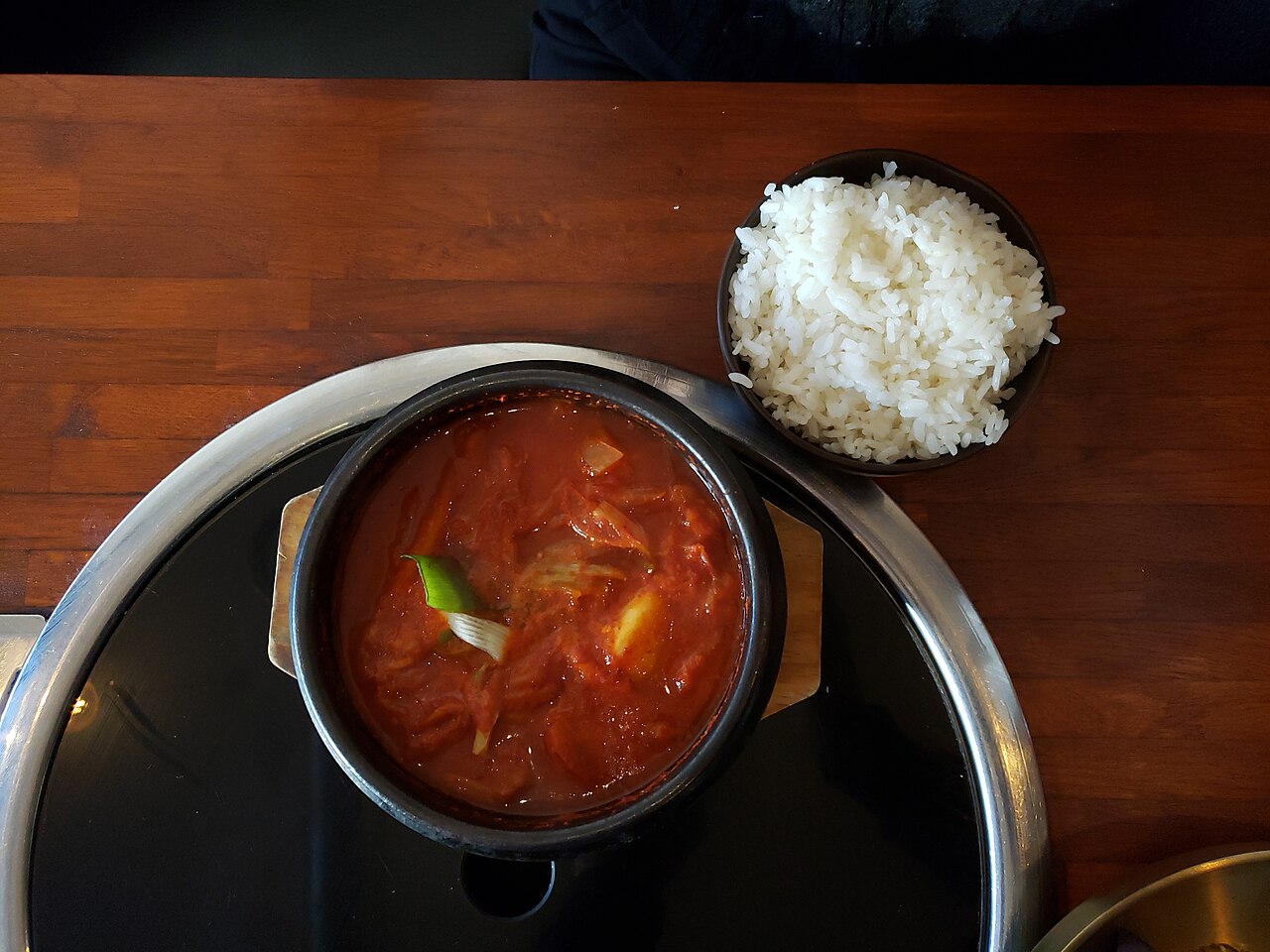
Bubbling hot, deep red, and unmistakably Korean — kimchi jjigae is the stew that every Korean home smells like on a cold evening.
Miyeok-guk: The Birthday Soup That Is Really About Your Mother
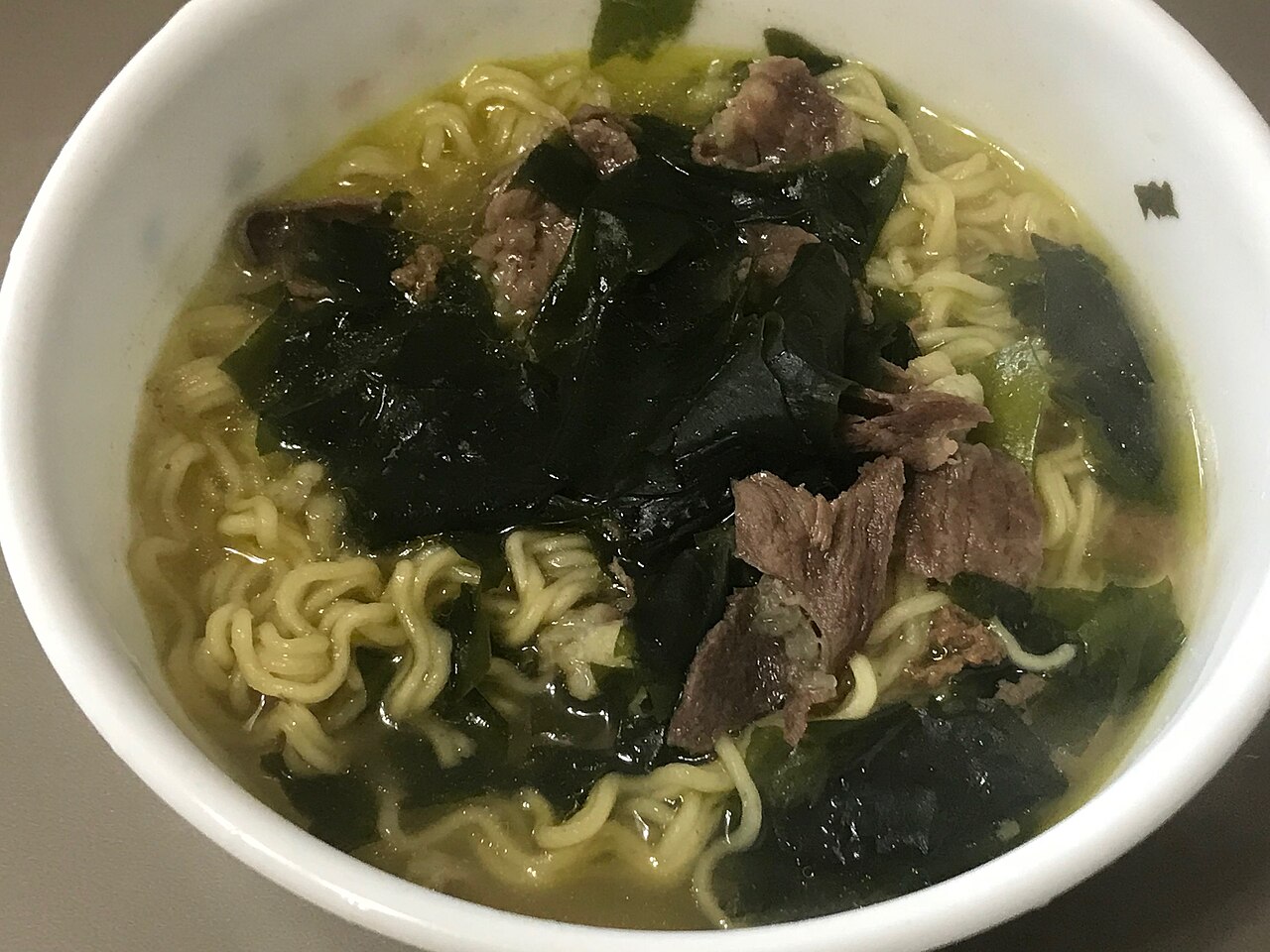
Miyeok-guk is the seaweed soup every Korean eats on their birthday — a tradition that began as postpartum recovery food and became an annual act of gratitude to one's mother.
Chimaek: Why Korean Fried Chicken Is the World's Best
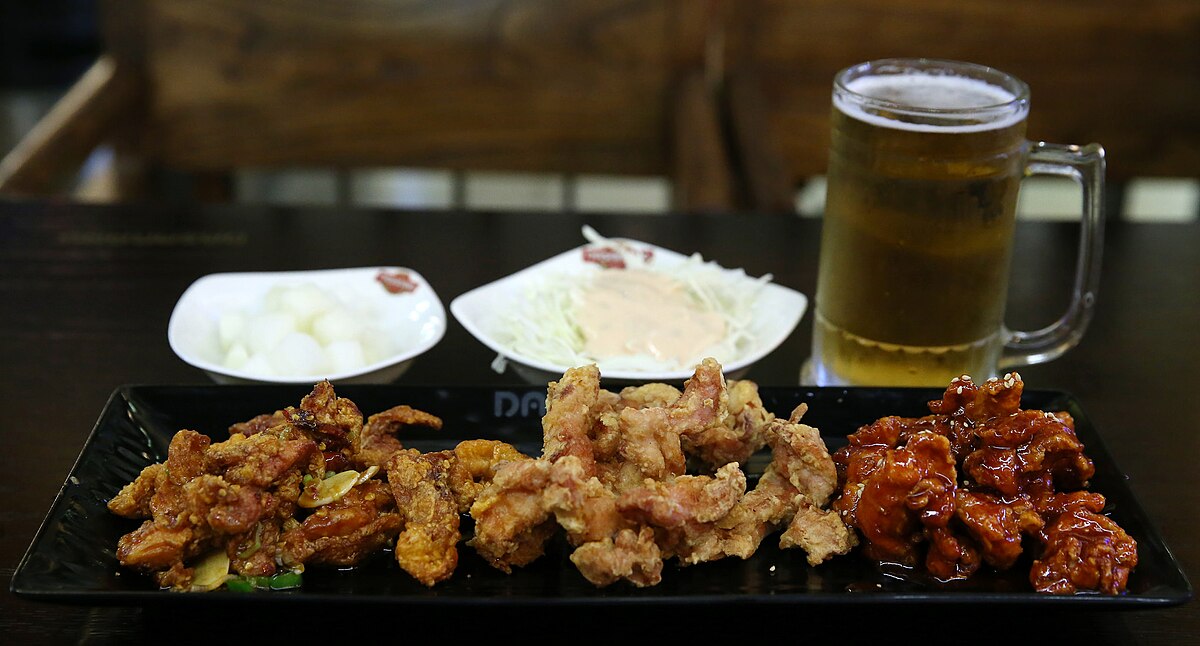
Korea has more fried chicken restaurants than McDonald's has locations worldwide. Here's the science and culture behind the crunch.