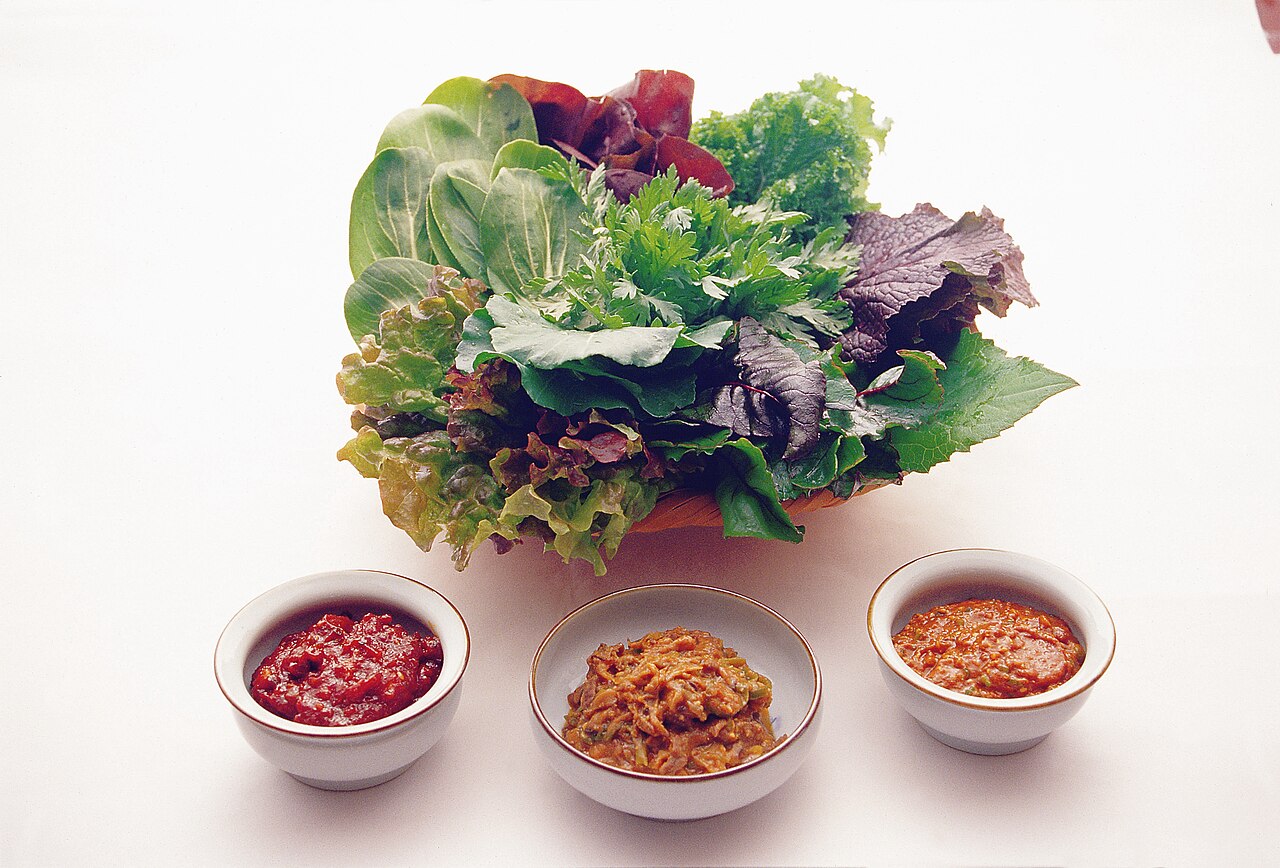
Ssambap: The Art of Wrapping Korean Rice
Ssambap is the Korean practice of wrapping rice, meat, and condiments in fresh leafy greens — a healthy, interactive, and deeply satisfying way to eat that reflects Korean food philosophy.
Photo: Wikipedia Commons
What Is Ssambap?
Ssambap (쌈밥) combines two Korean words: ssam (쌈), meaning 'wrapped' or 'wrap', and bap (밥), meaning 'rice'. The dish is less a single recipe and more a way of eating: you take a fresh leaf, place a spoonful of rice and any desired fillings in the center, add a dollop of ssamjang (쌈장, a thick fermented paste), and fold the whole thing into a bite-sized parcel that you pop into your mouth in one go — or, more realistically, in a messy bite that Koreans embrace with delight. The most common wrap leaves are lettuce (상추, sangchu), perilla (깻잎, kkaennip), steamed cabbage (양배추, yangbaechu), and napa cabbage (배추, baechu). More adventurous options include sesame leaves, laver (gim/seaweed), and even thinly sliced radish. The fillings are endlessly variable: grilled pork belly, bulgogi, roasted garlic, kimchi, raw garlic, raw chili, onion slices, and more. Ssam culture permeates Korean dining — it's central to samgyeopsal (pork belly) barbecue, bossam (boiled pork), and entire restaurant concepts built around ssam-style eating. Dedicated ssambap restaurants (쌈밥집) offer rice-focused meals with an enormous spread of wrap options and side dishes.
History & Origins
The practice of wrapping food in leaves is ancient in Korea, with historical records from the Goryeo period (918–1392) mentioning ssam as a common eating method. The tradition likely developed as a practical way to make a small amount of flavorful food — grilled meat, salty condiments — stretch further by wrapping it with plentiful greens and rice. During the Joseon Dynasty, ssam was mentioned in agricultural and culinary texts as a way of eating during the rice transplanting season (모내기철), when workers needed easy-to-carry, energizing lunches. The combination of carbohydrates from rice, protein from meat or fermented pastes, and vegetables from the wrap leaves made ssam a nutritionally complete portable meal. In the modern era, the globalization of Korean barbecue culture has introduced ssam to international audiences. The wrapping technique is now recognized worldwide as a key element of Korean dining.
How Koreans Eat It
There's a gentle art to making the perfect ssam. Koreans often debate the correct technique, but there are a few widely accepted principles.
- ·Use the whole leaf as the wrap — avoid tearing it, as a single-leaf wrap is considered more elegant and flavorful
- ·Add ssam sauce (쌈장) sparingly — it is very salty and a little is enough to season the entire parcel
- ·Include raw garlic and raw green chili if you can handle them — Koreans believe this combination aids digestion and adds complex heat
- ·The proper way to eat it is in one or two bites — a ssam that requires three or more bites is too big, which is considered impolite
Cultural Significance
Ssam is more than an eating style — it reflects a Korean philosophy of balance and communality. The combination of the bland (rice), the rich (meat), the pungent (garlic, chili), and the fresh (greens) in a single bite represents the Korean culinary ideal of harmony among flavors. The act of building your own ssam is inherently interactive and personal, connecting the eater to their food. Sharing ssam is an act of intimacy in Korean culture. Making a ssam parcel for someone else and handing it to them is called 'ssam to feed' (쌈 싸주기) and is considered a sweet gesture of care — commonly done by parents for children or between close friends and romantic partners. The larger cultural concept of ssam has even been applied metaphorically in Korean — to 'sssam' something means to wrap it up and protect it.
Tips
- 💡Try Jeonju-style ssambap restaurants, which offer the widest variety of wrap leaves and the most elaborate side dish spreads in Korea
- 💡Ssamjang (쌈장) is available in tubes and tubs at Korean grocery stores worldwide — it makes an excellent dip for vegetables and is the soul of ssambap
- 💡For a beginner-friendly ssam experience, order bossam (보쌈) — boiled pork belly with napa cabbage wraps — which is milder and more approachable than raw garlic-heavy versions
Last updated: April 1, 2026
You might also like
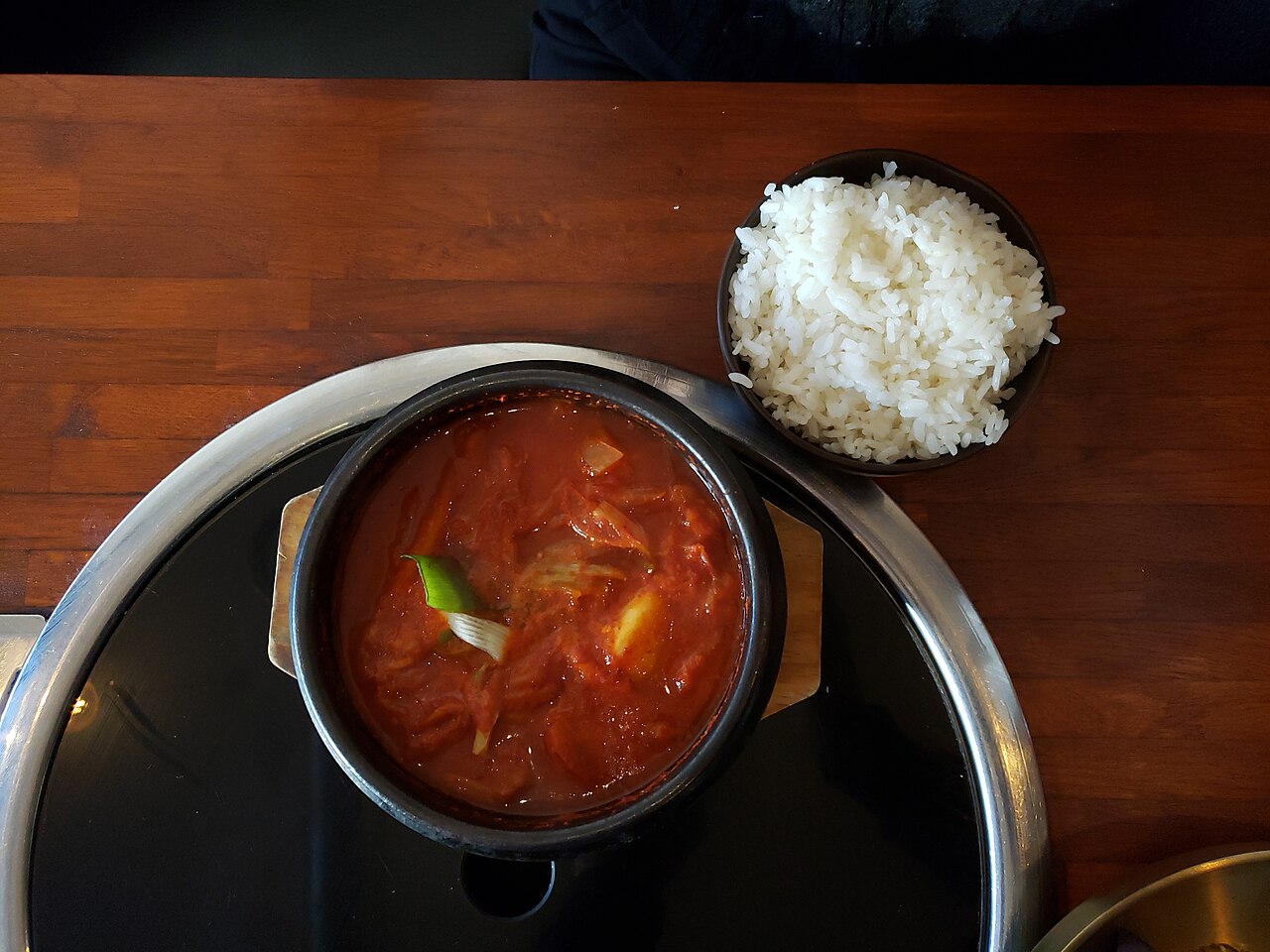
Kimchi Jjigae: Korea's Most Comforting Stew
Bubbling hot, deep red, and unmistakably Korean — kimchi jjigae is the stew that every Korean home smells like on a cold evening.
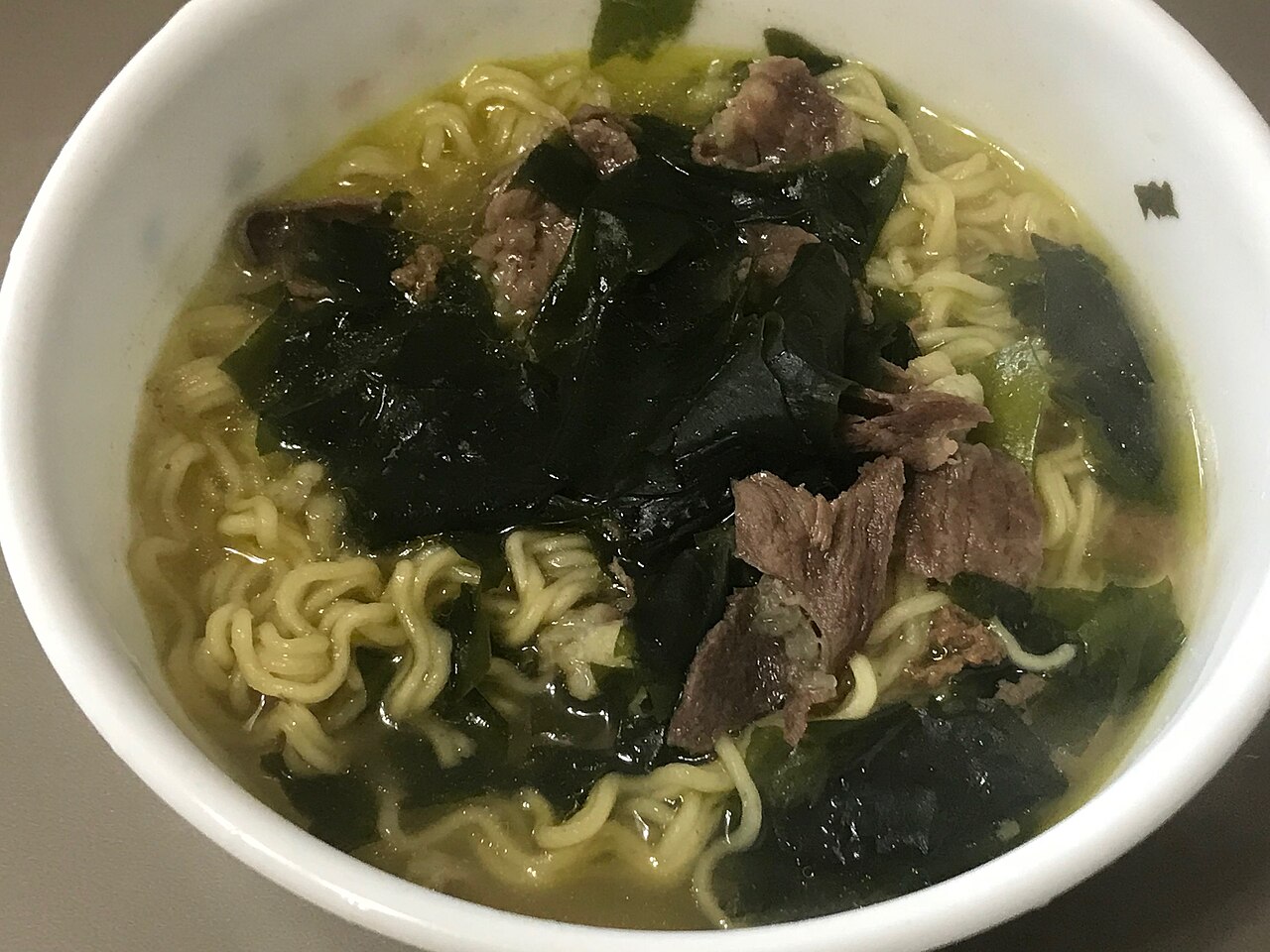
Miyeok-guk: The Birthday Soup That Is Really About Your Mother
Miyeok-guk is the seaweed soup every Korean eats on their birthday — a tradition that began as postpartum recovery food and became an annual act of gratitude to one's mother.
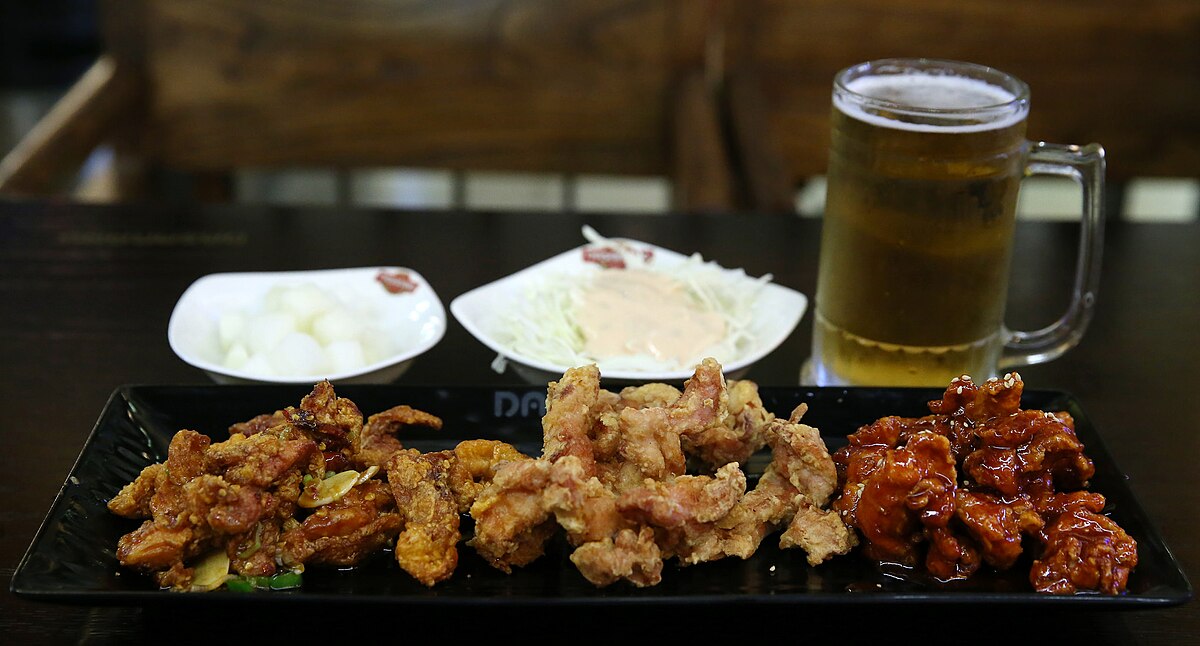
Chimaek: Why Korean Fried Chicken Is the World's Best
Korea has more fried chicken restaurants than McDonald's has locations worldwide. Here's the science and culture behind the crunch.