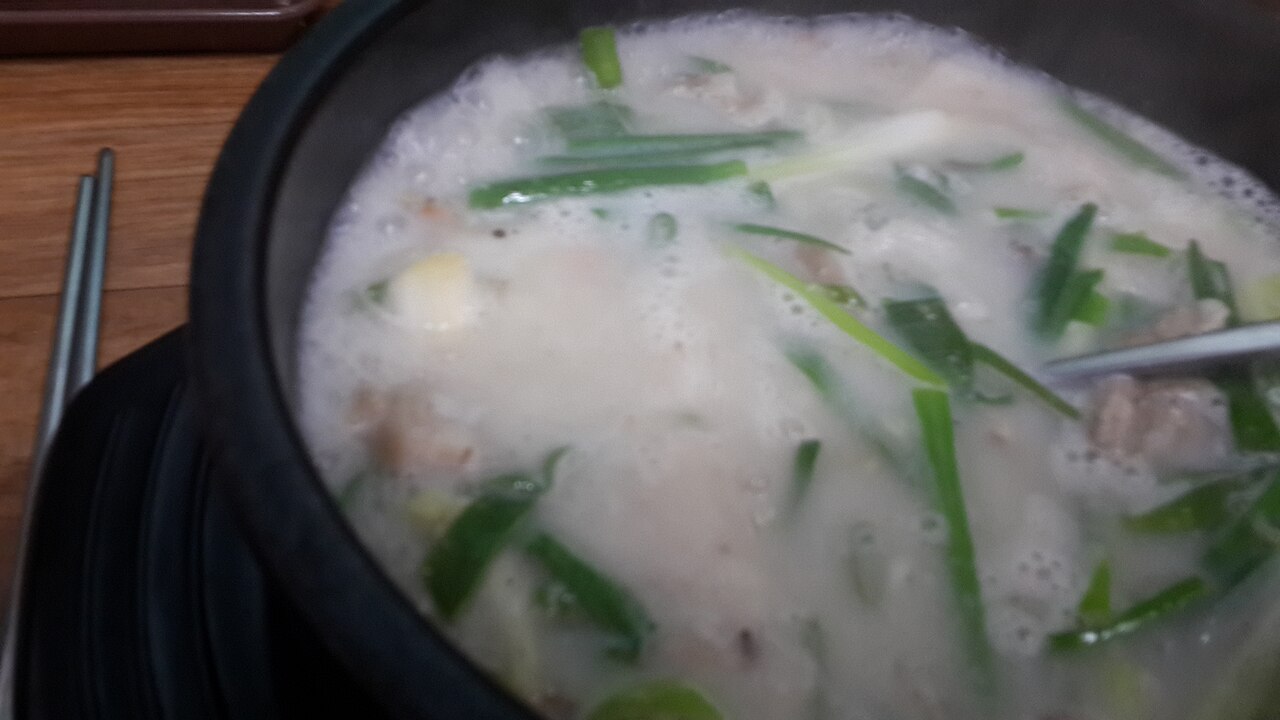
Sundae-gukbap: Korean Sundae Rice Soup
Sundae-gukbap is a hearty Korean soup of sundae (blood sausage), pork offal, and rice in a savory pork broth — a working-class staple eaten at traditional markets.
Photo: Wikipedia Commons
What Is Sundae-gukbap?
Sundae-gukbap (순대국밥) is a substantial Korean rice soup made with sundae (순대, Korean blood sausage), pork offal (intestines, liver, lung), and boiled pork, all simmered together in a savory pork bone broth. A bowl of steamed rice is typically added directly to the soup or served alongside. The broth is milky and rich, similar in color to seolleongtang, and seasoned at the table with salt, perilla powder (deulkkae), and gochujang or fresh chili paste. The combination of sundae's chewy, starchy filling, the tender offal, and the flavorful broth creates a deeply satisfying, complete meal. Sundae-gukbap is found primarily at traditional markets and gukbap (rice soup) restaurants that specialize in pork-based soups, and it is considered emblematic of Korean market food culture.
History & Origins
Gukbap (국밥) — rice cooked in or served with soup — is one of the oldest and most fundamental categories of Korean food. The specific combination of sundae and offal in a pork broth likely evolved in the context of traditional Korean market culture, where all parts of the slaughtered pig were put to use. Market vendors in towns across Korea have served sundae-gukbap for generations, particularly at public markets (시장, sijang) where traders, workers, and travelers needed a fast, affordable, and filling meal. The dish became closely associated with the market-going experience — a bowl of sundae-gukbap is as much a part of the Korean market visit as browsing the stalls themselves. Nakwon Market in Seoul and similar traditional markets across Korea are famous for their sundae-gukbap restaurants, some of which have operated continuously for 40 to 50 years.
How Koreans Eat It
Sundae-gukbap is typically eaten for breakfast or lunch at market restaurants. It is fast, filling, and inexpensive — the ideal market meal.
- ·Season with deulkkae (perilla seed powder) for a nutty, herbal note that is essential to the flavor
- ·Add a spoonful of gochujang or fresh chili paste for heat — the broth is mild without it
- ·Mix rice into the soup bowl and eat with a spoon in the Korean style
- ·Order at traditional markets (시장) for the most authentic experience — market restaurants specialize in this dish
Cultural Significance
Sundae-gukbap is quintessential Korean market food — humble, honest, and deeply satisfying. It represents the resourcefulness of Korean cooking: using every part of the animal and transforming it through seasoning and technique into something that has nourished generations of market workers and shoppers. For travelers, eating sundae-gukbap at a traditional Korean market is one of the most authentic food experiences available. The communal tables, the market atmosphere, the speed of service, and the no-frills intensity of the flavors offer a window into a Korean food culture that pre-dates the trendy restaurants and fusion cuisine of modern Seoul.
Tips
- 💡Visit Nakwon Market in Seoul or any large traditional sijang to find dedicated sundae-gukbap restaurants
- 💡The deulkkae (perilla powder) condiment is essential — do not skip it, even if unfamiliar
- 💡If you are hesitant about offal, ask for a 'mixed' (모듬) bowl that balances the ingredients, or request to omit specific items
Last updated: April 1, 2026
You might also like
Kimchi Jjigae: Korea's Most Comforting Stew
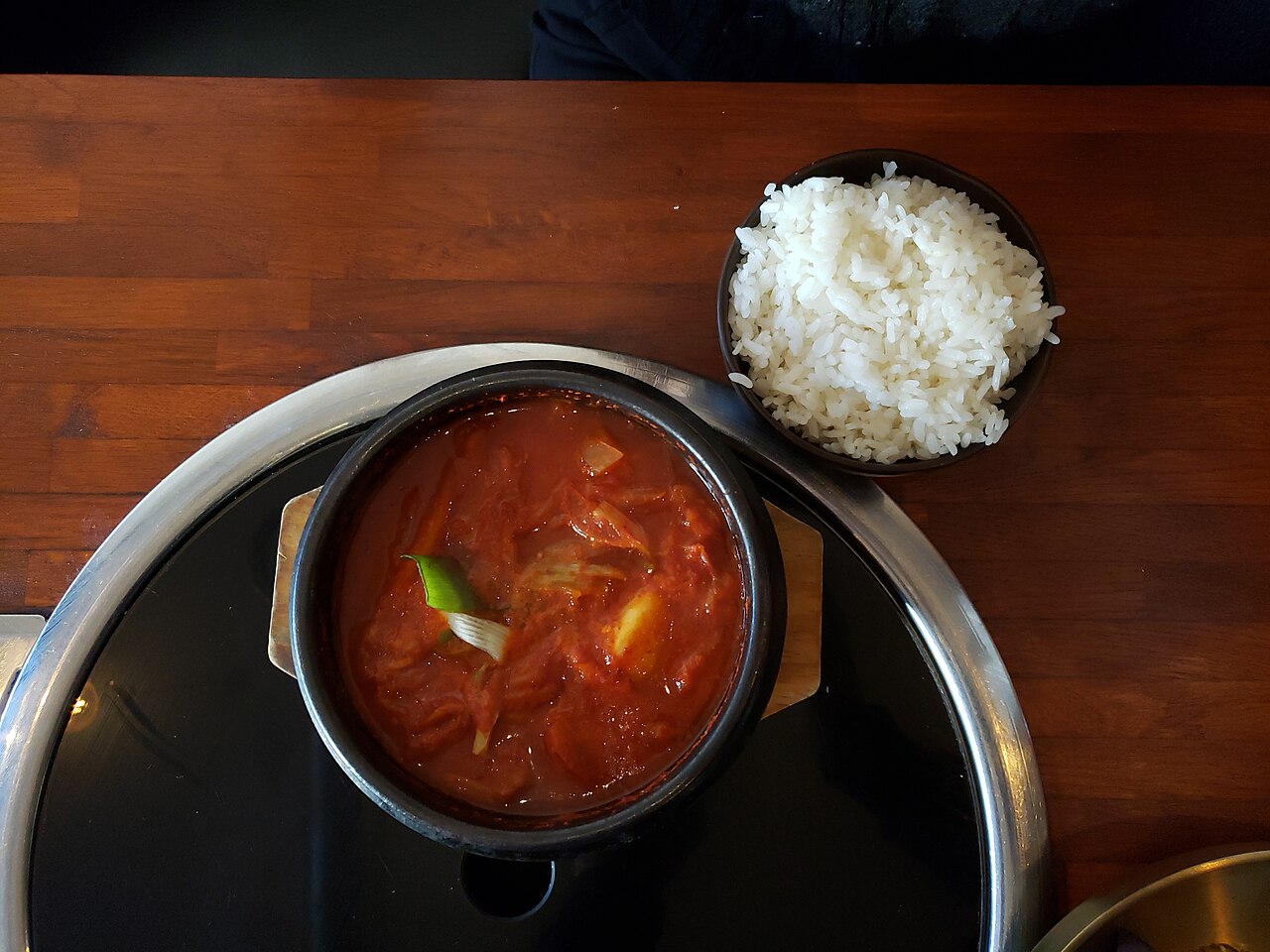
Bubbling hot, deep red, and unmistakably Korean — kimchi jjigae is the stew that every Korean home smells like on a cold evening.
Miyeok-guk: The Birthday Soup That Is Really About Your Mother
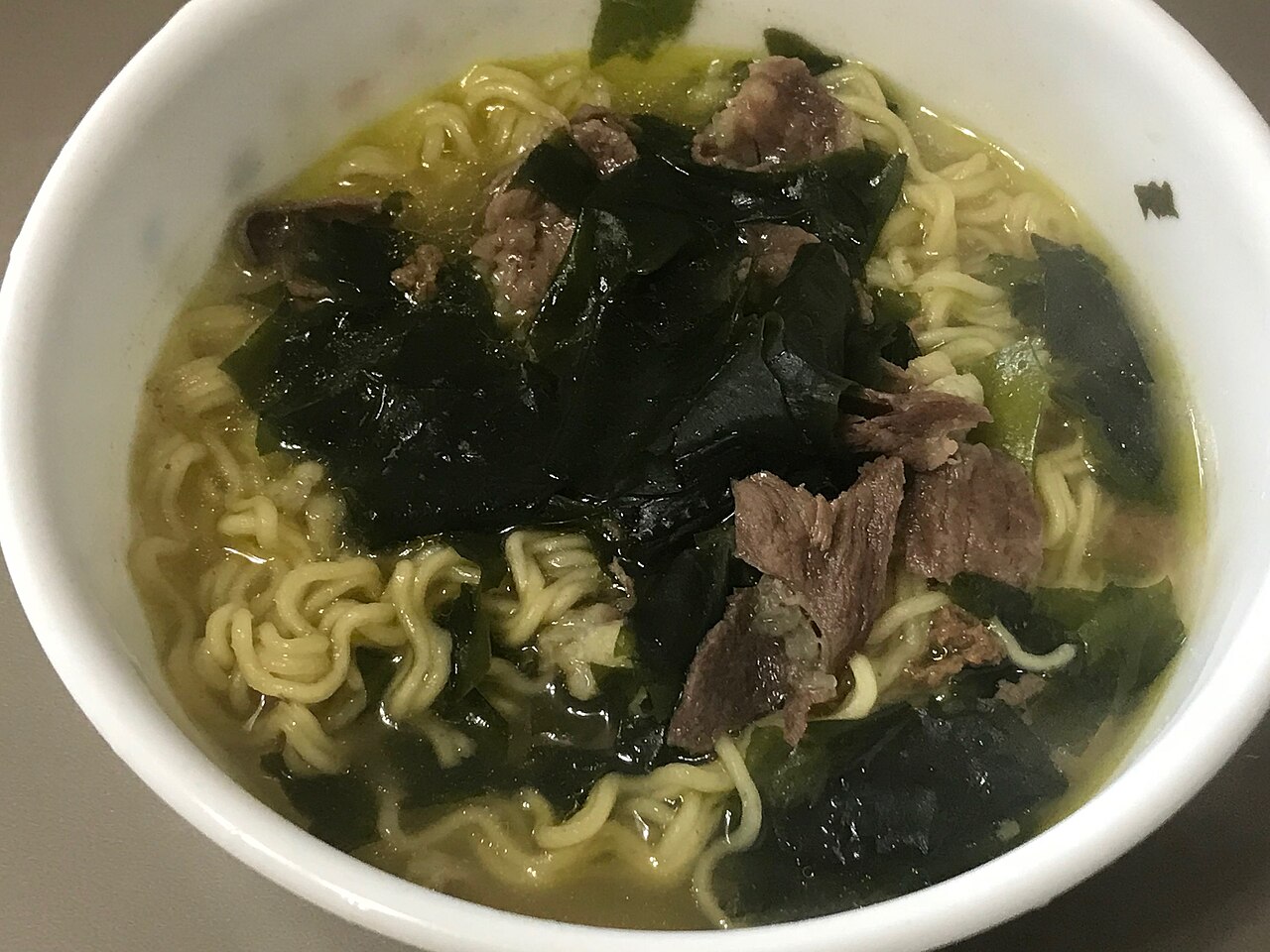
Miyeok-guk is the seaweed soup every Korean eats on their birthday — a tradition that began as postpartum recovery food and became an annual act of gratitude to one's mother.
Chimaek: Why Korean Fried Chicken Is the World's Best
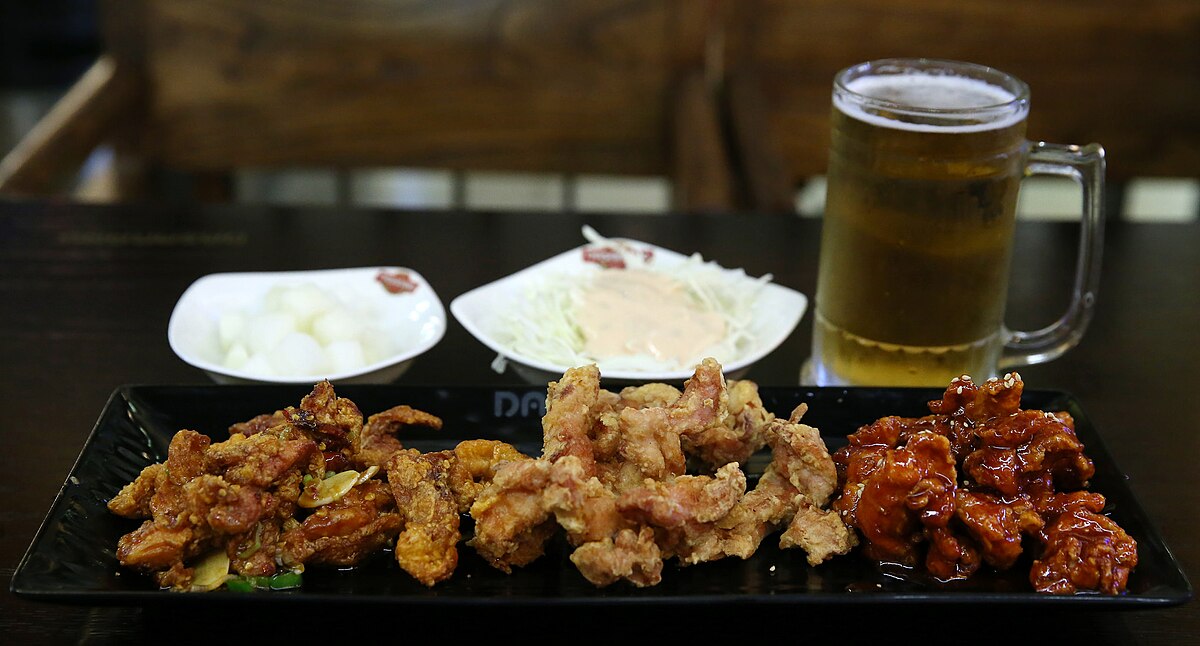
Korea has more fried chicken restaurants than McDonald's has locations worldwide. Here's the science and culture behind the crunch.