Sundae: Korean Blood Sausage
Sundae is a beloved Korean street food made by stuffing pig intestines with noodles, vegetables, and blood, steamed to savory perfection.
Photo: Wikipedia Commons
What Is Sundae?
Sundae (순대) is one of Korea's most iconic street foods — a type of sausage made by stuffing pig intestines with a mixture of cellophane noodles (dangmyeon), coagulated pig's blood, vegetables like green onions and garlic, and seasonings. The stuffed casing is then steamed until fully cooked. Despite the name sounding like the dessert 'sundae,' the two share nothing in common. Korean sundae has a chewy, slightly gamey texture with a savory, earthy flavor. It is typically sliced into rounds and served with a simple dipping condiment — most commonly salt mixed with black pepper or doenjang (fermented soybean paste). Sundae is sold at pojangmacha (street food tents), school cafeterias, and traditional markets across Korea. It is one of the most affordable and filling snacks you can find.
History & Origins
The origins of sundae trace back to the Goryeo period (918–1392), when the recipe was developed as a way to use every part of a slaughtered pig — a practice common in agrarian societies where nothing was wasted. Blood sausages of various kinds exist across many cultures worldwide, and Korea's version evolved with its own distinct character. During the Joseon Dynasty and into the modern era, sundae became closely associated with market culture. Namdaemun Market and Gwangjang Market in Seoul are particularly famous for their sundae stalls. After the Korean War, sundae became even more widespread as an affordable, protein-rich food for ordinary people. Regional variations also emerged over time. The Pyongyang-style sundae (originating from North Korea) uses a higher proportion of rice in the filling, while Abai sundae from the Sokcho region — made by North Korean refugees — uses squid ink and is distinctively dark and rich.
How Koreans Eat It
Sundae is most commonly eaten as a street snack, purchased at a pojangmacha or market stall and eaten on the spot. It is typically served on a disposable plate or in a paper cup alongside sliced offal (liver, lung) and tteok (rice cake).
- ·Dip slices in salt and black pepper or doenjang sauce — this is the classic pairing
- ·Order 'sundae-tteok' to get sundae served with tteokbokki for a sweet-spicy contrast
- ·Try sundae-gukbap (sundae rice soup) for a hearty, warming meal at traditional markets
- ·Abai sundae in Sokcho is a must-try — larger, denser, and made with squid ink for a unique flavor
Cultural Significance
Sundae holds a special place in Korean collective memory. For many Koreans, eating sundae at a traditional market is deeply tied to childhood nostalgia and family outings. The food represents the ingenuity of Korean culinary culture — transforming humble ingredients into something deeply satisfying. In popular culture, sundae frequently appears in Korean dramas and films as a symbol of ordinary life, working-class neighborhoods, and honest, unpretentious food. Sharing a plate of sundae at a street stall is a distinctly Korean social experience that travelers are encouraged to try. It is a window into the authentic, unglamorous, and utterly delicious side of Korean food culture.
Tips
- 💡At Gwangjang Market in Seoul, look for the sundae stalls near the main entrance — they are among the most famous in Korea
- 💡If you are squeamish about organ meats, ask for sundae only without the liver and lung sides
- 💡Pair sundae with makgeolli (Korean rice wine) for a classic Korean street food experience
Last updated: March 30, 2026
You might also like
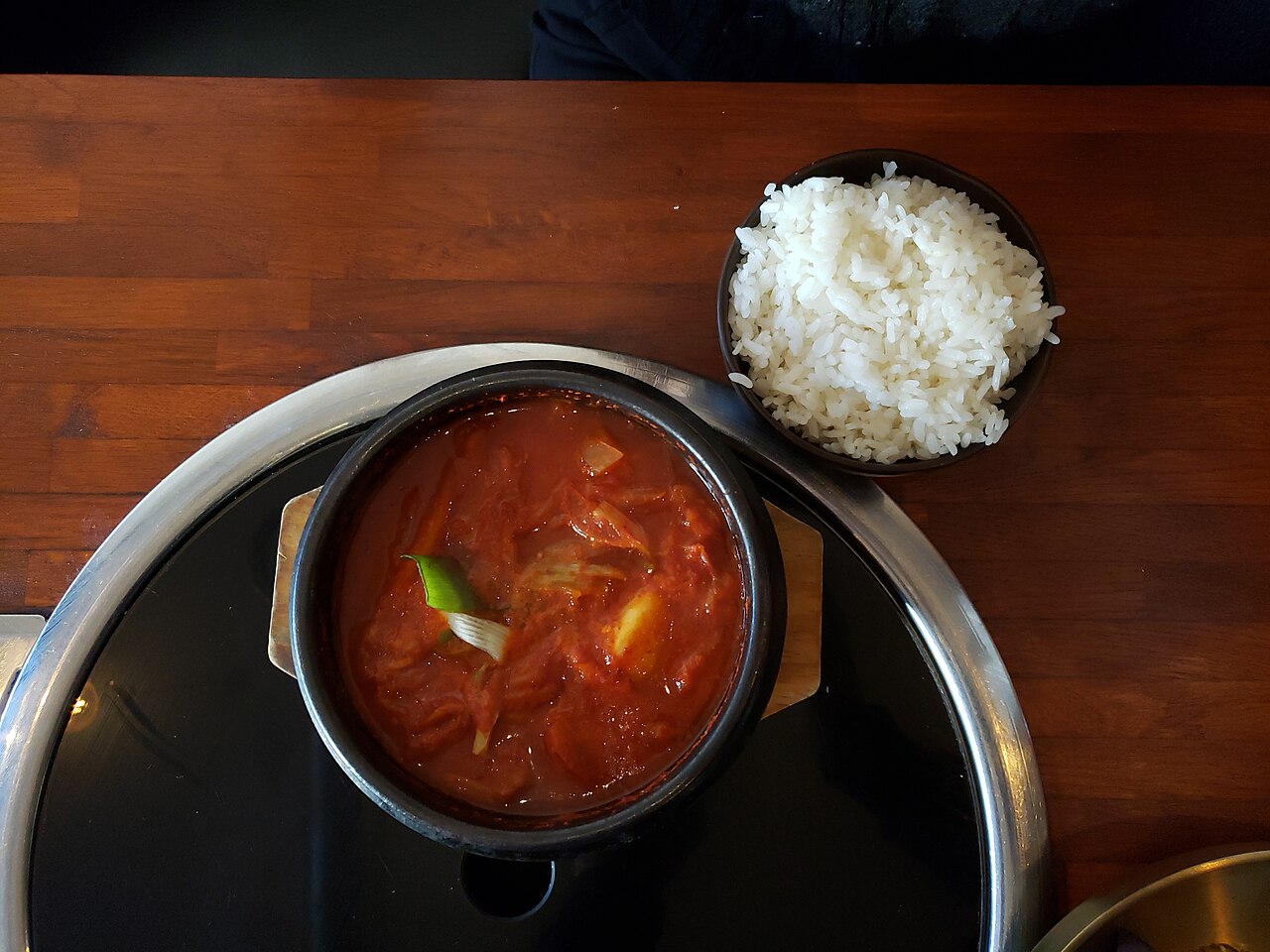
Kimchi Jjigae: Korea's Most Comforting Stew
Bubbling hot, deep red, and unmistakably Korean — kimchi jjigae is the stew that every Korean home smells like on a cold evening.
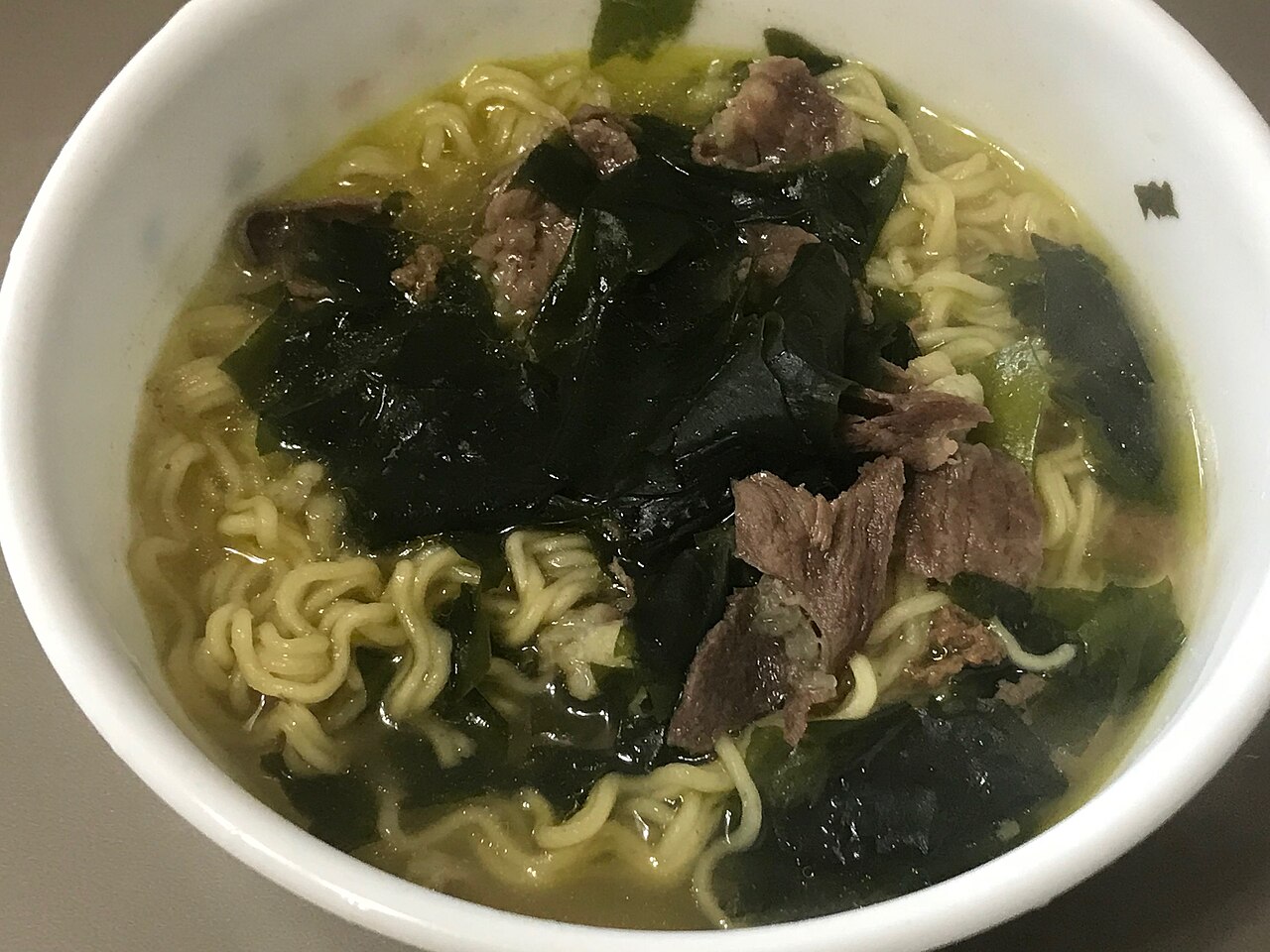
Miyeok-guk: The Birthday Soup That Is Really About Your Mother
Miyeok-guk is the seaweed soup every Korean eats on their birthday — a tradition that began as postpartum recovery food and became an annual act of gratitude to one's mother.
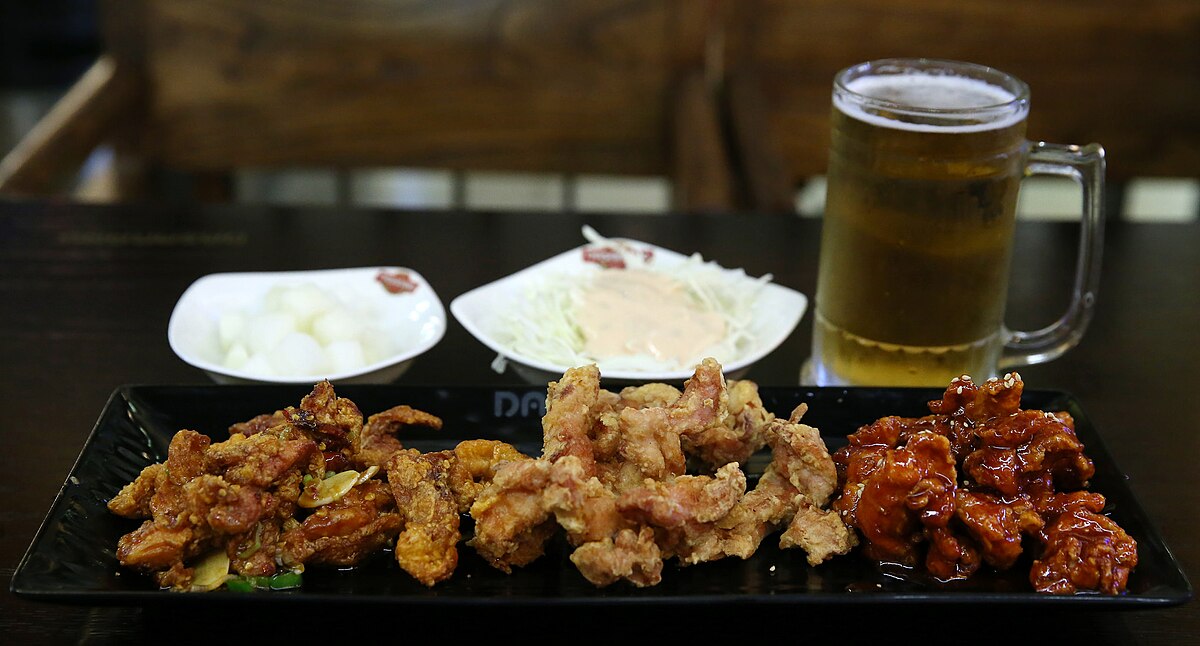
Chimaek: Why Korean Fried Chicken Is the World's Best
Korea has more fried chicken restaurants than McDonald's has locations worldwide. Here's the science and culture behind the crunch.