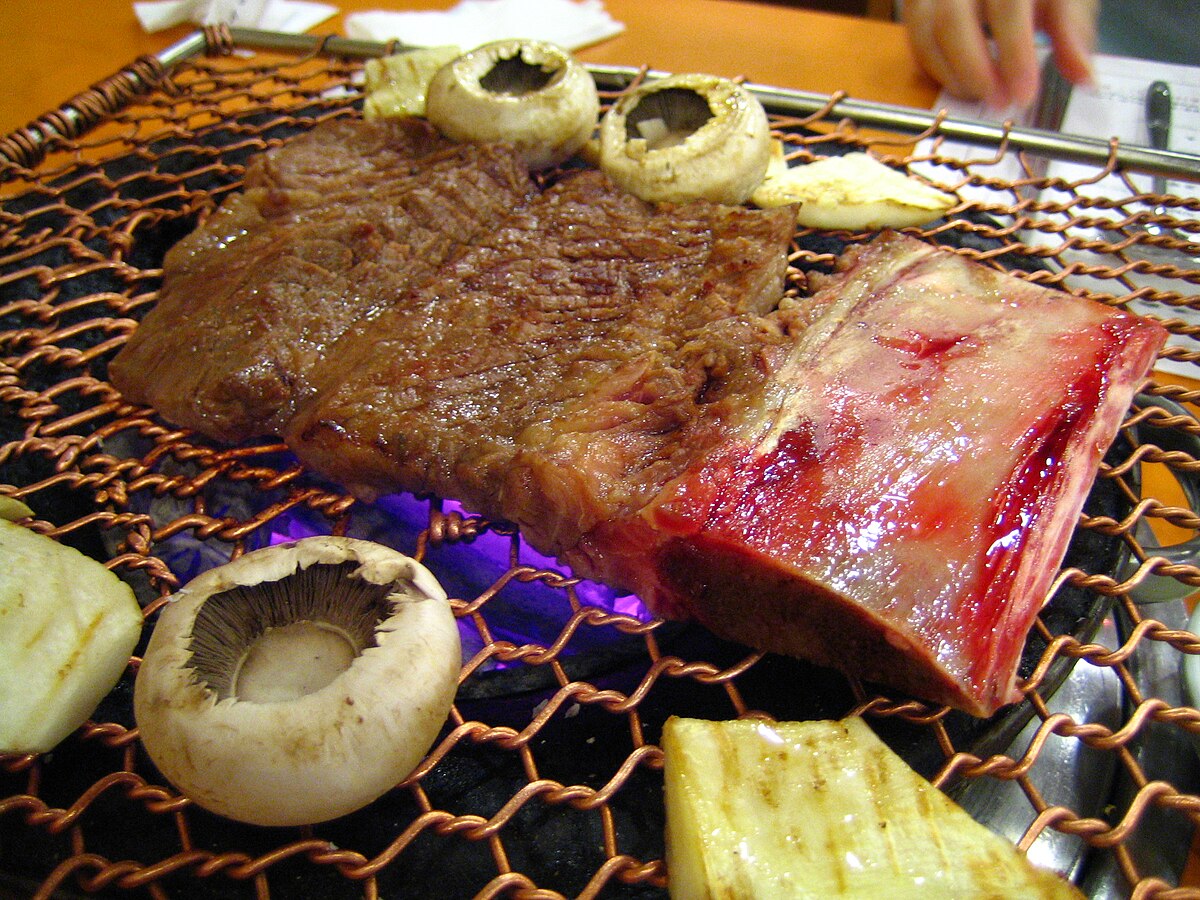
Suwon Wanggalbi: The King of Korean Short Ribs
Suwon wanggalbi is a premium grilled beef short rib specialty from Suwon city — cut thicker and longer than regular galbi, seasoned with a sweet soy marinade, and grilled over charcoal to perfection.
Photo: Wikipedia Commons
What Is Suwon Wanggalbi?
Suwon wanggalbi (수원 왕갈비) is a prestigious grilled beef short rib dish that originated in Suwon, the capital of Gyeonggi Province located about 30 kilometers south of Seoul. 'Wang' (왕) means 'king' in Korean, and 'galbi' (갈비) means 'short ribs' — so the name literally translates to 'King Short Ribs,' reflecting the dish's grand, oversized character. What distinguishes wanggalbi from ordinary galbi is the cut: the ribs are exceptionally long — up to 30 centimeters — with thick, generous portions of meat left on the bone. The bones are sometimes sliced Korean-style (갈비살을 펼쳐서) where cross-cuts allow the marinade to penetrate deeply. The marinade is a sweet, savory blend of soy sauce, pear juice (which tenderizes the meat), garlic, sesame oil, ginger, and sugar. The ribs are marinated overnight and then grilled over charcoal until caramelized and fragrant. The experience of eating wanggalbi involves picking up an enormous, heavy rib bone and biting into thick, tender, well-marbled meat that falls away cleanly. It is extravagant, dramatic, and utterly delicious.
History & Origins
Suwon's reputation as a galbi city developed in the post-Korean War era, particularly from the 1950s to the 1970s. Suwon was historically a livestock trading city, with cattle markets bringing beef to the region. As Korea's economy grew and beef became more accessible, Suwon's restaurants began competing to offer the best galbi, and the 'wanggalbi' — a supersized, premium version — became the local specialty. The Yeongdong Market area (영동시장) and the Suwon Wanggalbi Street (수원 왕갈비 거리) in Paldal District became the definitive home of this dish, with dozens of restaurants clustered together, each claiming to serve the original or the best version. The city of Suwon officially promotes wanggalbi as a key element of its cultural identity, and the dish is featured prominently in tourism materials for the city. The proximity to Seoul means that day-trippers from the capital regularly make the journey specifically to eat Suwon galbi.
How Koreans Eat It
Wanggalbi is a celebratory meal, best enjoyed with a group and plenty of time.
- ·Grill the ribs yourself over the tabletop charcoal grill — the charcoal flavor is essential; gas grills produce an inferior result
- ·Use scissors to cut the meat off the bone into bite-sized pieces rather than trying to bite off large chunks — it's more elegant and easier to eat
- ·Wrap the grilled meat in perilla leaves (깻잎) or lettuce with a dab of ssam sauce (쌈장) for the full Korean barbecue wrapping experience
- ·Order naengmyeon (cold noodles) at the end of the meal to cut through the richness of the meat — this combination is a Suwon tradition
Cultural Significance
Suwon wanggalbi is a point of immense local pride and a reason people travel to Suwon specifically to eat. The dish represents Korean barbecue culture at its most generous and celebratory. Koreans associate galbi with special occasions — family birthdays, business success, weddings — and the 'king' version in Suwon amplifies that sense of occasion. The Suwon galbi street is also a symbol of Korea's successful regional food branding. By concentrating the best galbi restaurants in one area and investing in the 'wanggalbi' brand, Suwon transformed a local specialty into a nationally recognized culinary destination. Food tourism to Suwon specifically for galbi has been a consistent phenomenon for decades, and it continues today as new generations discover the dish through social media and food programming.
Tips
- 💡Suwon's Paldal District wanggalbi restaurants are clustered together, making it easy to compare and choose — look for restaurants busy with Korean locals rather than those with large tourist signage
- 💡Call ahead to reserve, especially on weekends and public holidays — popular wanggalbi restaurants can have 1-2 hour waits
- 💡Bring an appetite; one serving (1인분) of wanggalbi typically includes 2-3 large ribs and is very filling — most restaurants recommend 1.5 servings per hungry adult
Last updated: April 1, 2026
You might also like
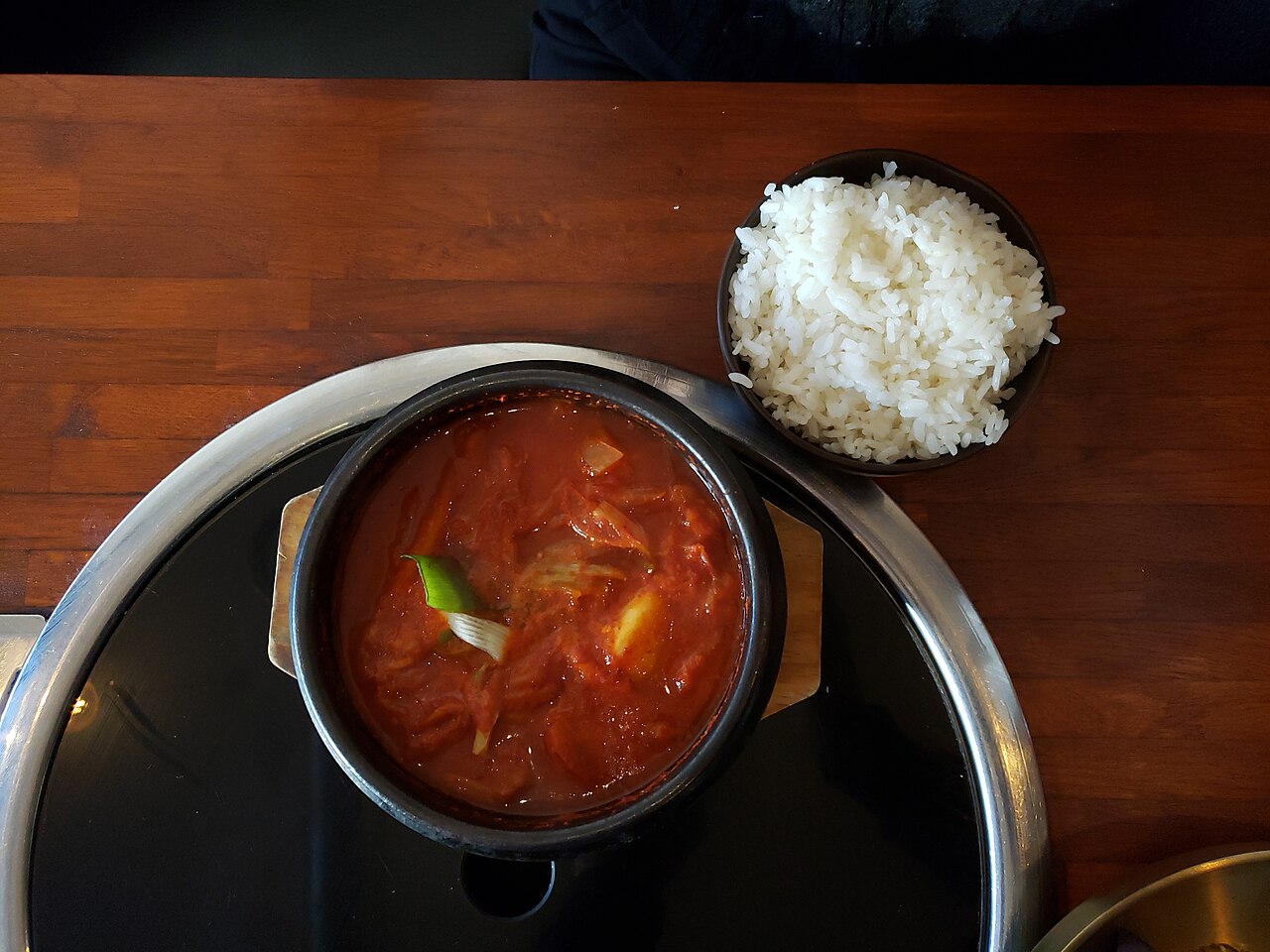
Kimchi Jjigae: Korea's Most Comforting Stew
Bubbling hot, deep red, and unmistakably Korean — kimchi jjigae is the stew that every Korean home smells like on a cold evening.
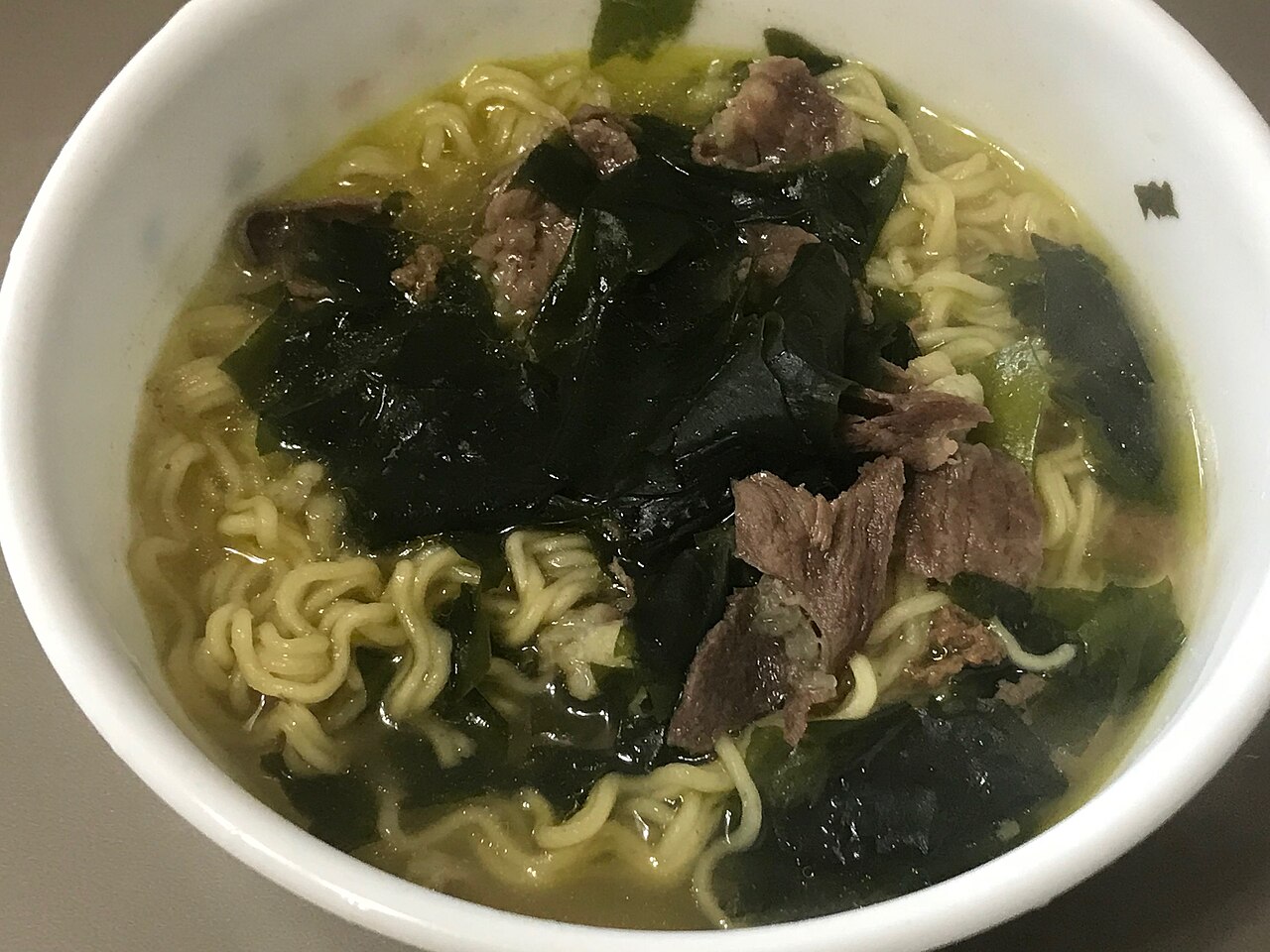
Miyeok-guk: The Birthday Soup That Is Really About Your Mother
Miyeok-guk is the seaweed soup every Korean eats on their birthday — a tradition that began as postpartum recovery food and became an annual act of gratitude to one's mother.
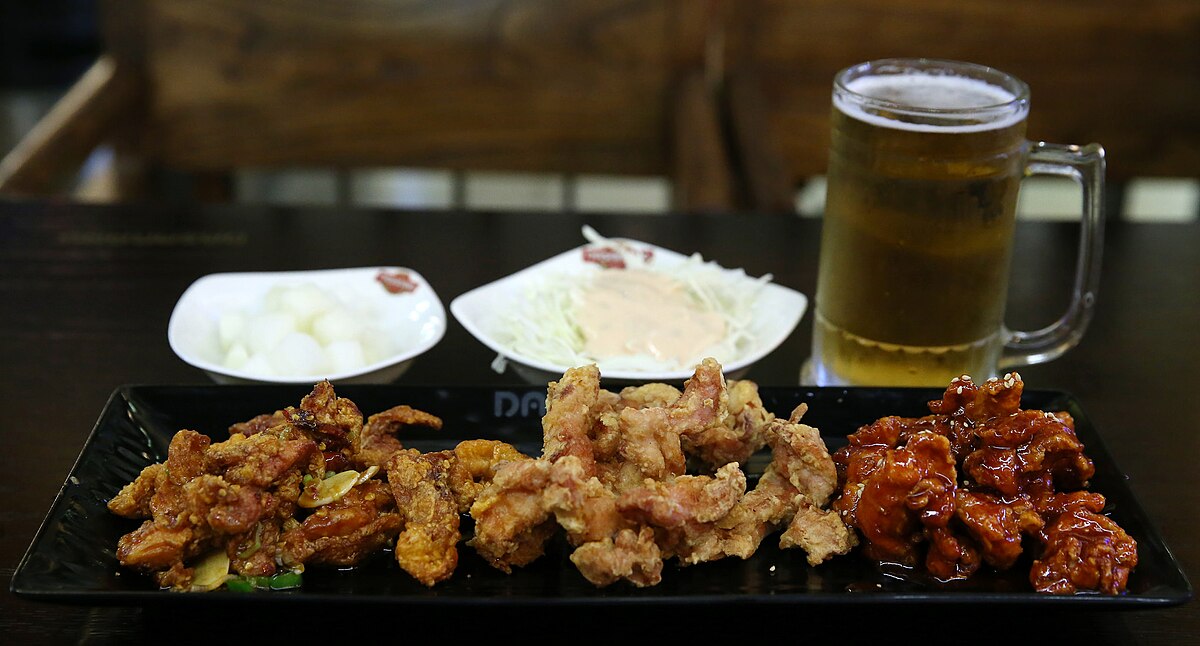
Chimaek: Why Korean Fried Chicken Is the World's Best
Korea has more fried chicken restaurants than McDonald's has locations worldwide. Here's the science and culture behind the crunch.