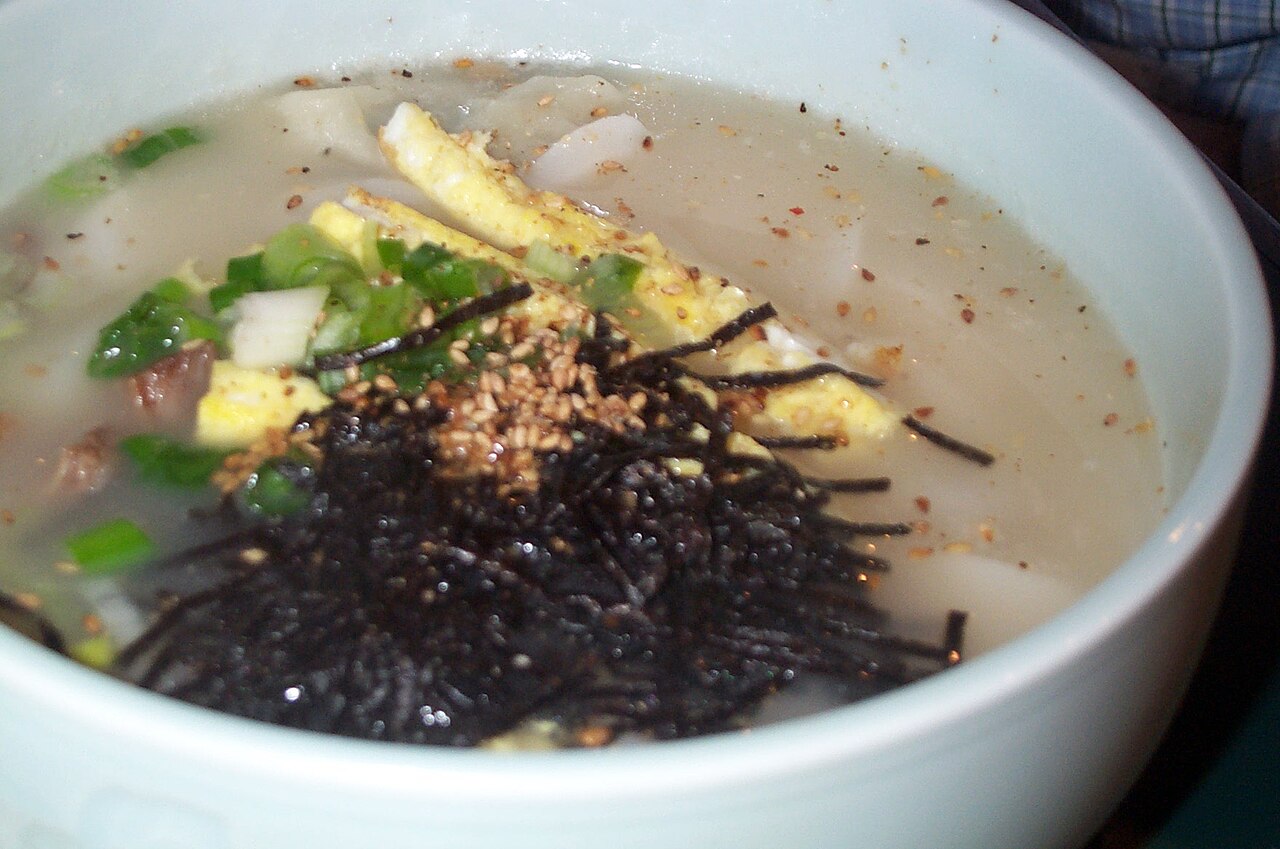
Tteok-mandu-guk: Rice Cake and Dumpling Soup
Tteok-mandu-guk is a festive Korean soup combining sliced rice cakes and handmade dumplings in a clear beef broth — a beloved New Year's dish and cold-weather comfort food.
Photo: Wikipedia Commons
What Is Tteok-mandu-guk?
Tteok-mandu-guk (떡만둣국) is a Korean soup that combines the beloved elements of two classic dishes: tteokguk (rice cake soup) and mandu (Korean dumplings). The result is a generous, filling soup with two textural elements — the chewy, coin-shaped rice cake slices (tteok) and the soft, savory dumplings (mandu) — floating in a clear, savory beef or anchovy broth. The dumplings used in this soup are typically boiled mandu with a filling of ground pork, tofu, kimchi, glass noodles, and garlic. They are either handmade or store-bought (both are widely accepted in Korean home cooking). The soup is garnished with egg strips, dried seaweed strips, sesame oil, and chopped green onions. Tteok-mandu-guk is considered an enhanced version of tteokguk — more filling and festive — and is especially popular during the winter months and Lunar New Year celebrations.
History & Origins
Both tteok (rice cake) and mandu (dumpling) have ancient histories in Korean cuisine. Tteok has been a ceremonial food for millennia, while mandu were introduced to Korea from Central Asia through China during the Goryeo Dynasty (918–1392), when culinary exchanges along trade routes brought new ingredients and techniques to the peninsula. The combination of rice cakes and dumplings in a single soup may have developed as a way to create a more substantial and festive meal from what would otherwise be separate dishes. It is particularly associated with the northern regions of Korea (modern-day North Korea and Pyongan province), where dumplings have historically been made large and meaty. Today, tteok-mandu-guk is one of the most popular variations of the Lunar New Year soup across Korea, enjoyed by those who find plain tteokguk insufficiently filling or who simply prefer the added texture and flavor of the dumplings.
How Koreans Eat It
Tteok-mandu-guk is a family dish and celebration food. It is most often made at home for Seollal morning or ordered at Korean restaurants during winter.
- ·Add sesame oil at the end just before eating — a few drops dramatically elevate the flavor
- ·Eat with a spoon — the broth, rice cakes, and dumplings are all consumed together
- ·Kimchi on the side is essential — its sour, spicy crunch provides the perfect contrast
- ·Homemade mandu in this soup is considered especially precious — it is a labor of love that families do together
Cultural Significance
Tteok-mandu-guk carries all the cultural weight of tteokguk — New Year symbolism, family reunion, and the promise of a new beginning — while adding the warmth and community of mandu-making. In Korean families, making mandu together is a cherished tradition, particularly at New Year's, when grandparents, parents, and children all gather to fold dumplings together before cooking them in the soup. The shared act of mandu-making is itself a cultural ritual — stories are told, techniques are passed down, and the kitchen fills with the sounds and smells of family. Tteok-mandu-guk is therefore not just a delicious soup but a carrier of memory and family tradition.
Tips
- 💡Visit Korea for Lunar New Year (Seollal) to eat tteok-mandu-guk in its most meaningful context — with a Korean family
- 💡Frozen mandu from Korean supermarkets work perfectly in this soup if you want to make it at home
- 💡The broth should be clear and light — avoid versions with cloudy or dark broth, which may indicate low-quality stock
Last updated: April 1, 2026
You might also like
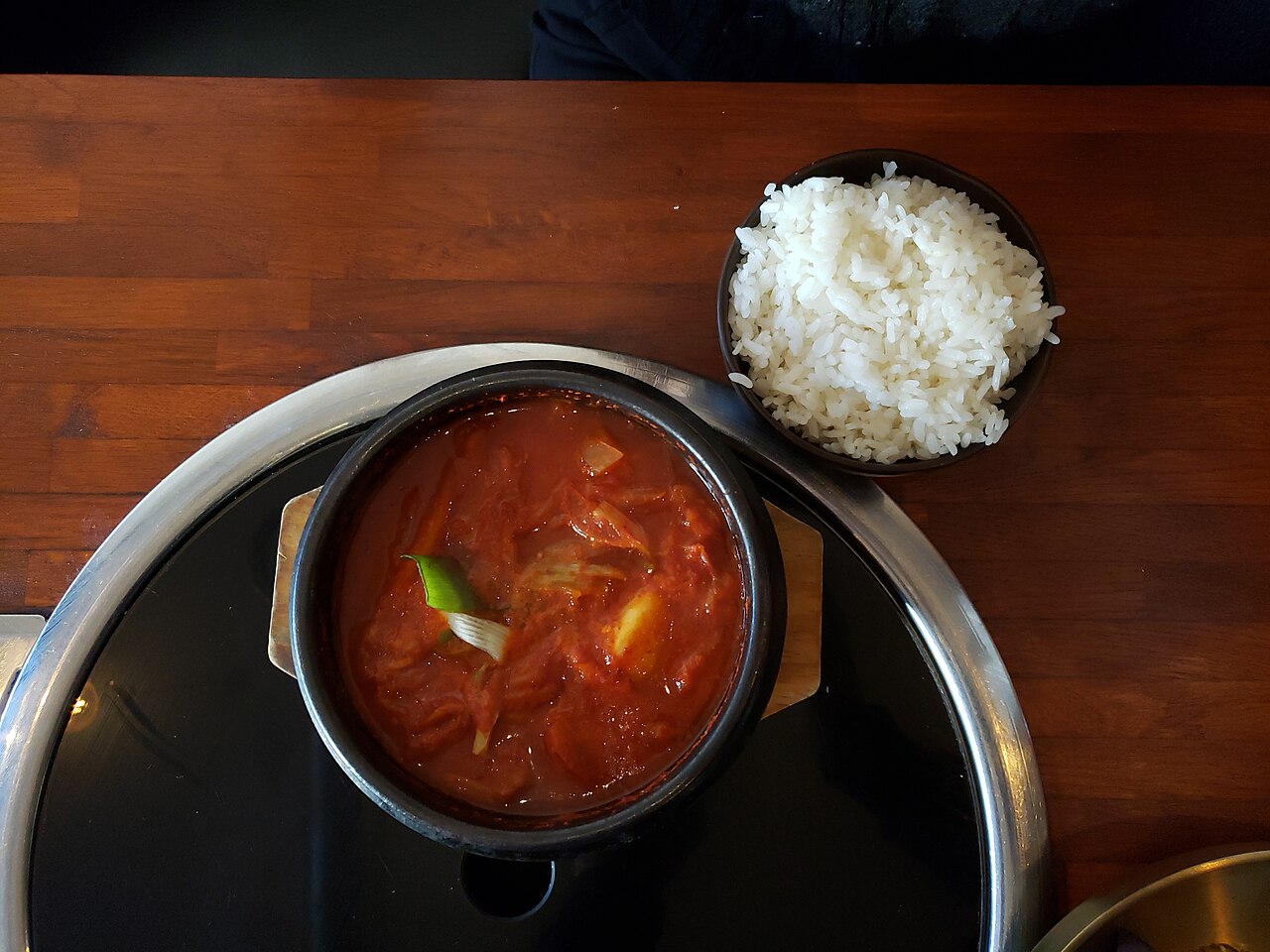
Kimchi Jjigae: Korea's Most Comforting Stew
Bubbling hot, deep red, and unmistakably Korean — kimchi jjigae is the stew that every Korean home smells like on a cold evening.
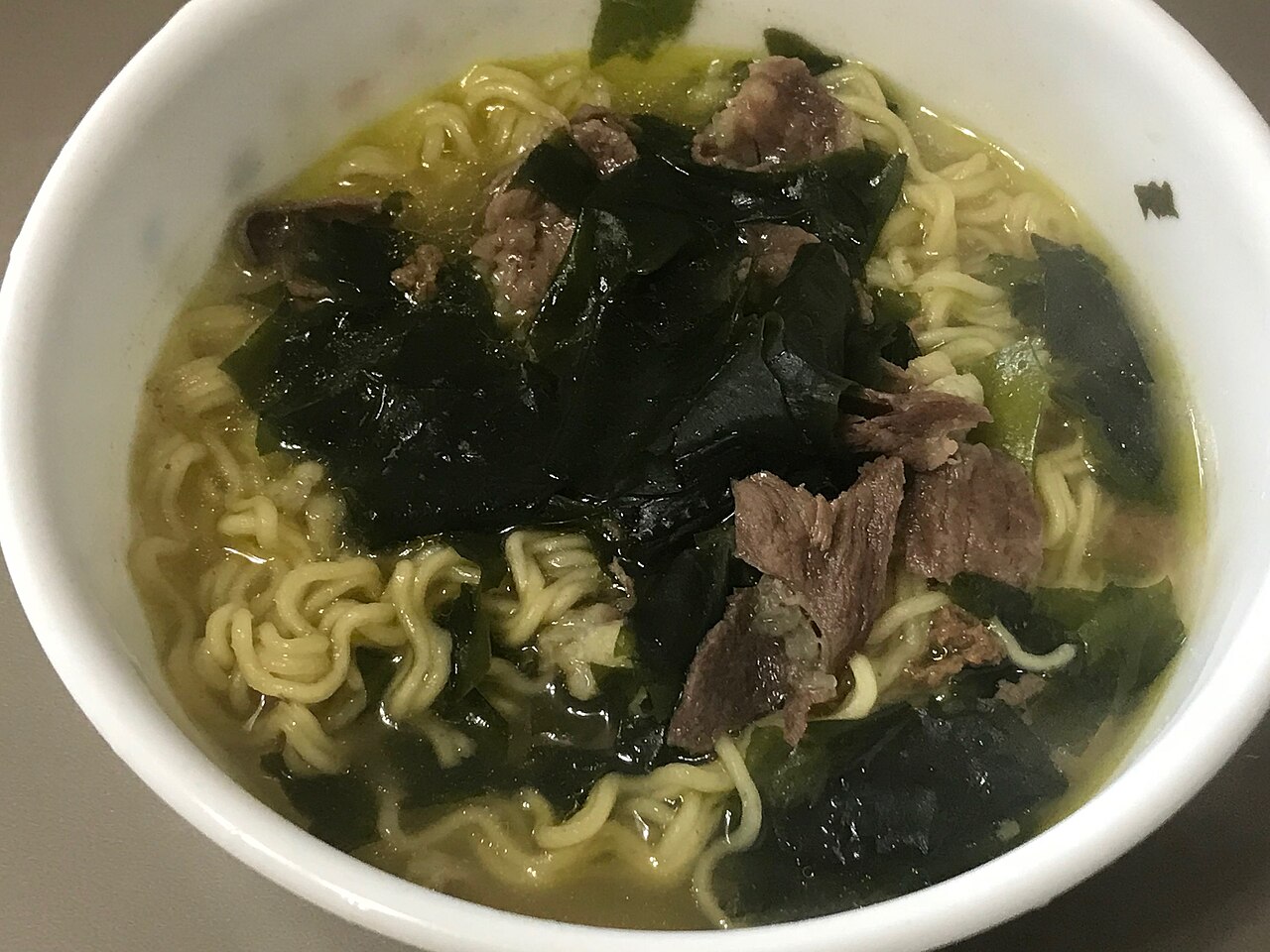
Miyeok-guk: The Birthday Soup That Is Really About Your Mother
Miyeok-guk is the seaweed soup every Korean eats on their birthday — a tradition that began as postpartum recovery food and became an annual act of gratitude to one's mother.
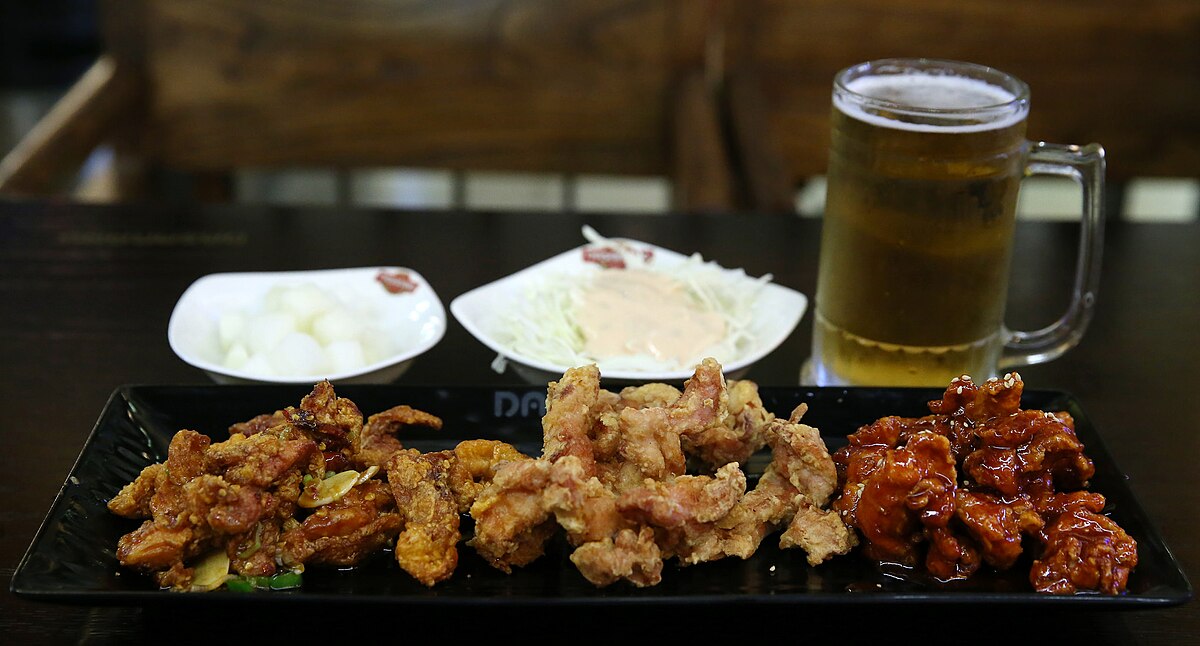
Chimaek: Why Korean Fried Chicken Is the World's Best
Korea has more fried chicken restaurants than McDonald's has locations worldwide. Here's the science and culture behind the crunch.