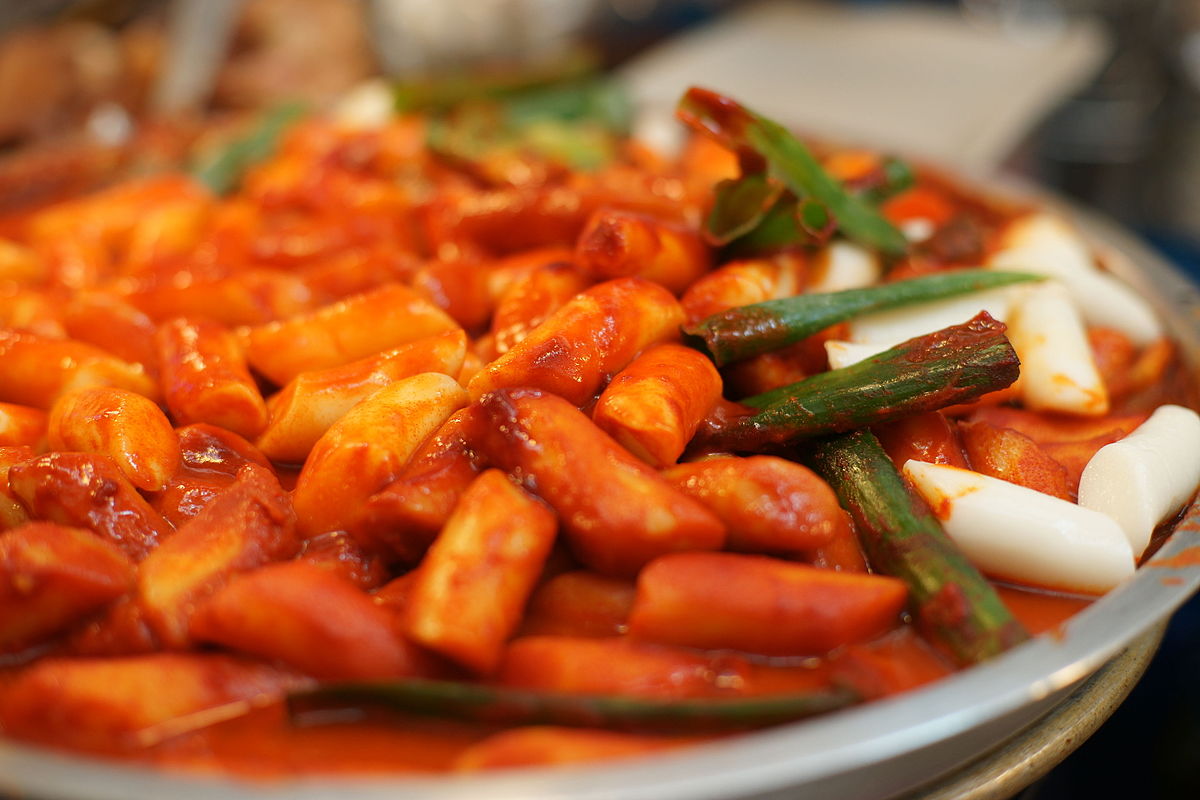
Tteokbokki: Korea's Most Beloved Street Food
Chewy rice cakes smothered in sweet-spicy gochujang sauce — Korea's iconic street snack with a 500-year royal history.
Photo: Wikipedia Commons
What Is Tteokbokki?
Tteokbokki (떡볶이) is one of Korea's most iconic street foods, featuring cylindrical rice cakes called garae-tteok cooked in a bold, sweet-spicy sauce made from gochujang (Korean red chili paste). The dish is a staple of bunsik — Korean-style snack bars — and is eaten by millions of Koreans every day as an after-school snack, comfort meal, or late-night bite. The name literally means 'stir-fried rice cake' (tteok = rice cake, bokki = stir-fried), though modern versions are more often simmered in a sauce than stir-fried. What sets tteokbokki apart is its satisfying chewy texture paired with a sauce that hits every flavor note: spicy, sweet, savory, and slightly smoky all at once. Today, tteokbokki has transcended its humble street-food origins. You'll find it at high-end restaurants, in convenience stores, and on the menus of Korean restaurants around the world — a testament to its universal, addictive appeal.

From Royal Palace to Street Cart: A Brief History
Tteokbokki has a surprisingly aristocratic origin. In the Joseon Dynasty (1392–1897), a dish called 'gungjung tteokbokki' was served in the royal palace — rice cakes stir-fried with soy sauce, beef, mushrooms, and vegetables. It was an elegant, savory dish far removed from what we know today. The spicy red version we love was born in 1953, right after the Korean War, in Seoul's Sindangdong neighborhood. A woman named Ma Bok-rim is credited with accidentally dropping tteok into a pot of gochujang sauce and discovering the combination was extraordinary. Word spread quickly, and Sindangdong became famous as the birthplace of modern tteokbokki. Over the following decades, the dish evolved from a niche neighborhood specialty into a nationwide phenomenon. Bunsik stalls (분식집) serving tteokbokki for just a few hundred won became a cornerstone of Korean food culture, especially for students.
- ·Joseon era (1392–1897): Soy sauce royal palace version
- ·1953: Ma Bok-rim creates the gochujang version in Sindangdong, Seoul
- ·1970s–80s: Bunsik stalls spread nationwide; becomes school-day staple
- ·2000s: Fusion varieties emerge (cheese, cream, rose sauce)
- ·2010s–present: Global spread via K-dramas, mukbang, and Korean restaurants worldwide
The Many Faces of Tteokbokki
One of tteokbokki's great strengths is its adaptability. The base formula — rice cakes, sauce, fish cakes — can be endlessly reworked, and Korean food culture has embraced this enthusiastically. Whether you prefer punishing heat or a mild creamy version, there is a tteokbokki for you. In recent years, 'rose tteokbokki' — a blush-pink fusion of gochujang and cream — has become enormously popular with younger Koreans and international food lovers who find traditional tteokbokki too spicy. Meanwhile, cheese tteokbokki, topped with stretchy melted mozzarella, has become a social media sensation.
- ·Sindangdong-style: The original gochujang classic, bold and fiery
- ·Gungjung (Royal Palace): Soy sauce base with beef and vegetables, no spice
- ·Rosé Tteokbokki: Cream + gochujang, mild and rich — perfect for spice beginners
- ·Cheese Tteokbokki: Topped with molten mozzarella, great for sharing
- ·즉석 (Instant-style): Cooked at your table in a boiling pot, DIY style
- ·Rabokki (라볶이): Tteokbokki + ramen noodles combined
Cultural Significance: More Than Just a Snack
For Koreans, tteokbokki is deeply tied to memory and emotion. It is the taste of childhood — the warm snack eaten at the bunsik stall outside school with friends, scraping the last bit of sauce from the paper cup before heading home. Ask any Korean about their tteokbokki memories and you'll get a warm, nostalgic smile. The dish also represents accessibility. Even during economically difficult times, a bowl of tteokbokki was cheap enough for almost anyone to enjoy. This democratic nature made it a unifying food across social classes. In the age of K-pop and Korean Wave (Hallyu), tteokbokki has become a cultural ambassador. It appears constantly in K-dramas, is featured in countless mukbang videos watched by millions globally, and has become one of the first Korean foods that international visitors seek out when they arrive in Korea.
Where & How to Eat It in Korea
The best tteokbokki experiences in Korea range from bustling street markets to sit-down specialty restaurants. Sindangdong Tteokbokki Town in Seoul remains the spiritual home of the dish, with dozens of restaurants competing to offer the definitive version. Gwangjang Market and Namdaemun Market are also legendary spots. For a more casual experience, look for bunsik stalls near any school or subway station — the simpler, the better. Many Koreans will tell you the best tteokbokki comes from the humblest-looking carts. Traditionally, tteokbokki is eaten with odeng (fish cake skewers) on the side, using the shared broth as a dipping sauce. Finish with a fried food (twigim) platter and a cup of warm odeng broth and you have the complete Korean street food experience.
- ·Sindangdong Tteokbokki Town, Seoul — the original and most famous destination
- ·Gwangjang Market, Seoul — traditional market with legendary bunsik
- ·School-area bunsik stalls — for the most authentic, nostalgic experience
- ·Convenience stores (CU, GS25, 7-Eleven) — quality instant versions available 24/7
Tips
- 💡If you're new to spicy food, start with 'rosé tteokbokki' — the cream-based version is much milder but equally delicious.
- 💡Always eat tteokbokki fresh and hot; the rice cakes become hard and chewy once they cool down.
- 💡Order odeng (fish cake) skewers alongside — dipping them in the shared broth is a must-do Korean street food ritual.
- 💡In Korea, leftover tteokbokki sauce is often used to cook ramen noodles — ask for 'sabari' (사바리) at bunsik stalls.
- 💡Look for restaurants that make their own tteok (rice cakes) in-house — the texture is far superior to packaged versions.
Last updated: March 30, 2026
You might also like
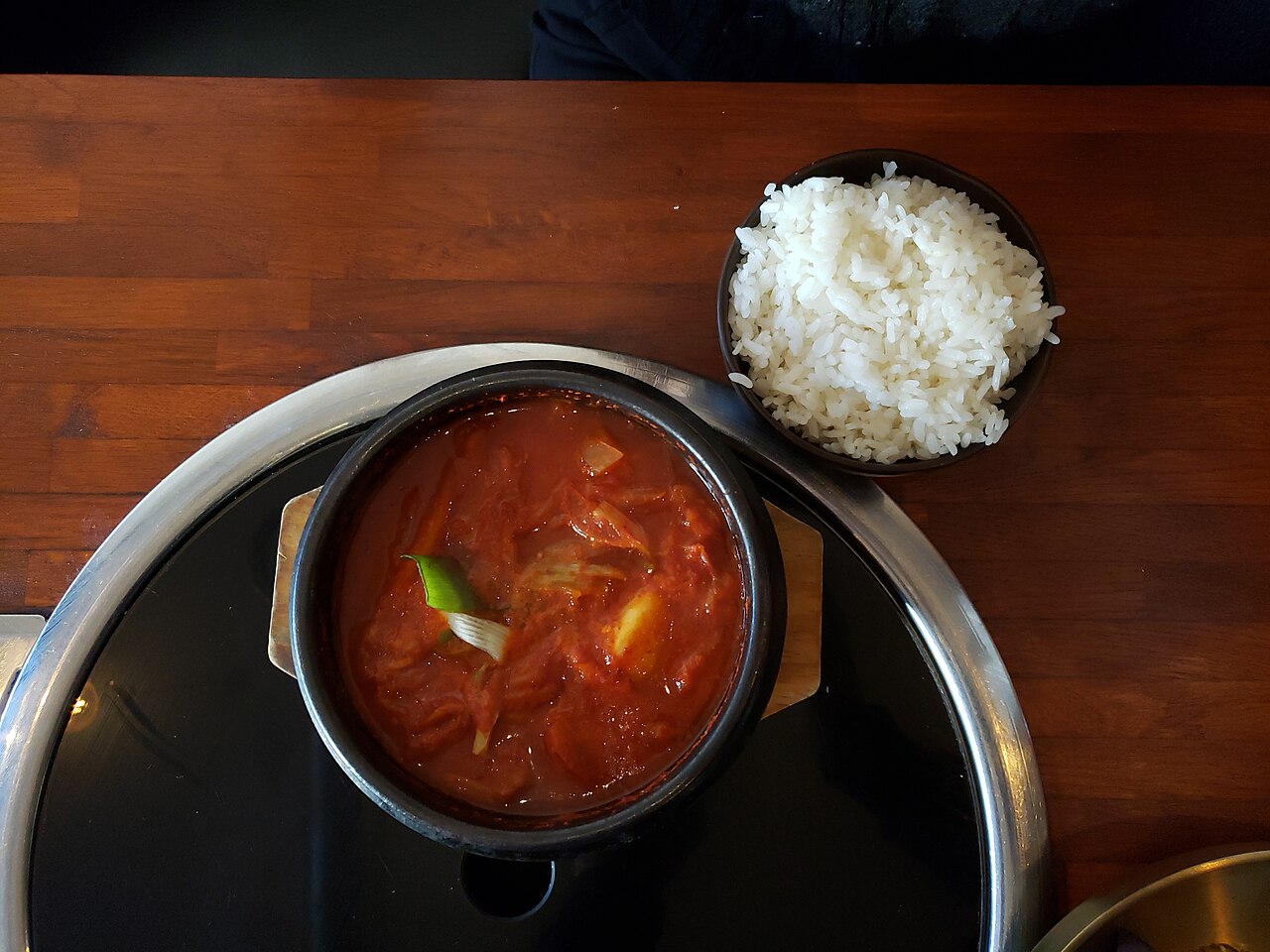
Kimchi Jjigae: Korea's Most Comforting Stew
Bubbling hot, deep red, and unmistakably Korean — kimchi jjigae is the stew that every Korean home smells like on a cold evening.
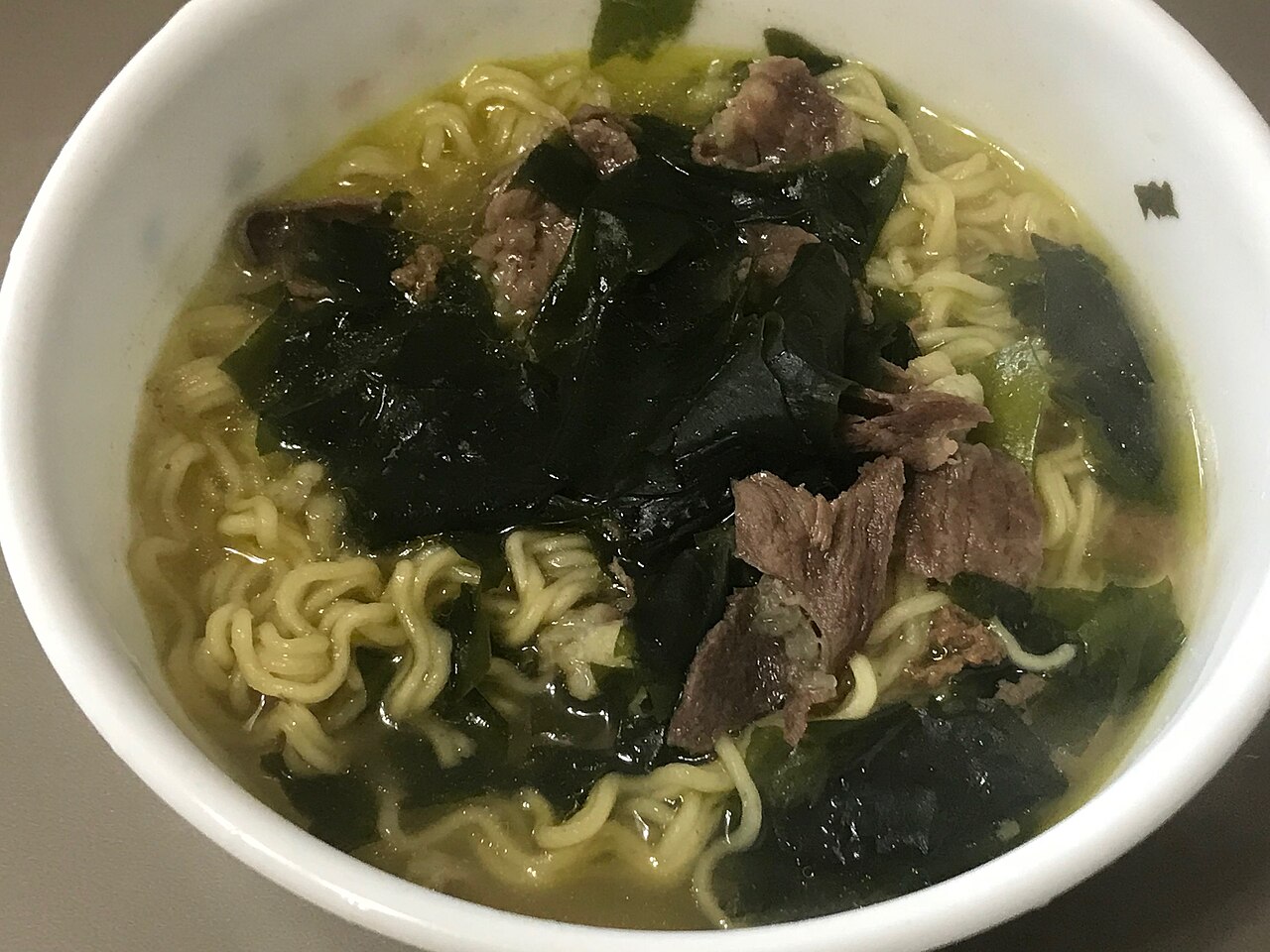
Miyeok-guk: The Birthday Soup That Is Really About Your Mother
Miyeok-guk is the seaweed soup every Korean eats on their birthday — a tradition that began as postpartum recovery food and became an annual act of gratitude to one's mother.
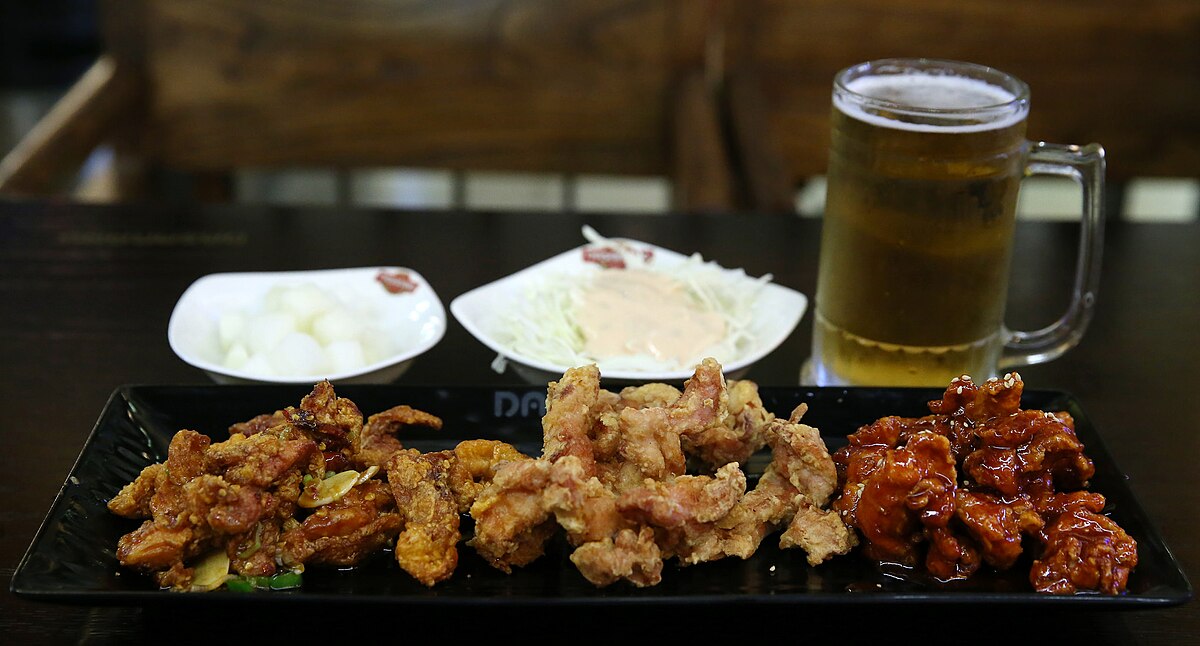
Chimaek: Why Korean Fried Chicken Is the World's Best
Korea has more fried chicken restaurants than McDonald's has locations worldwide. Here's the science and culture behind the crunch.