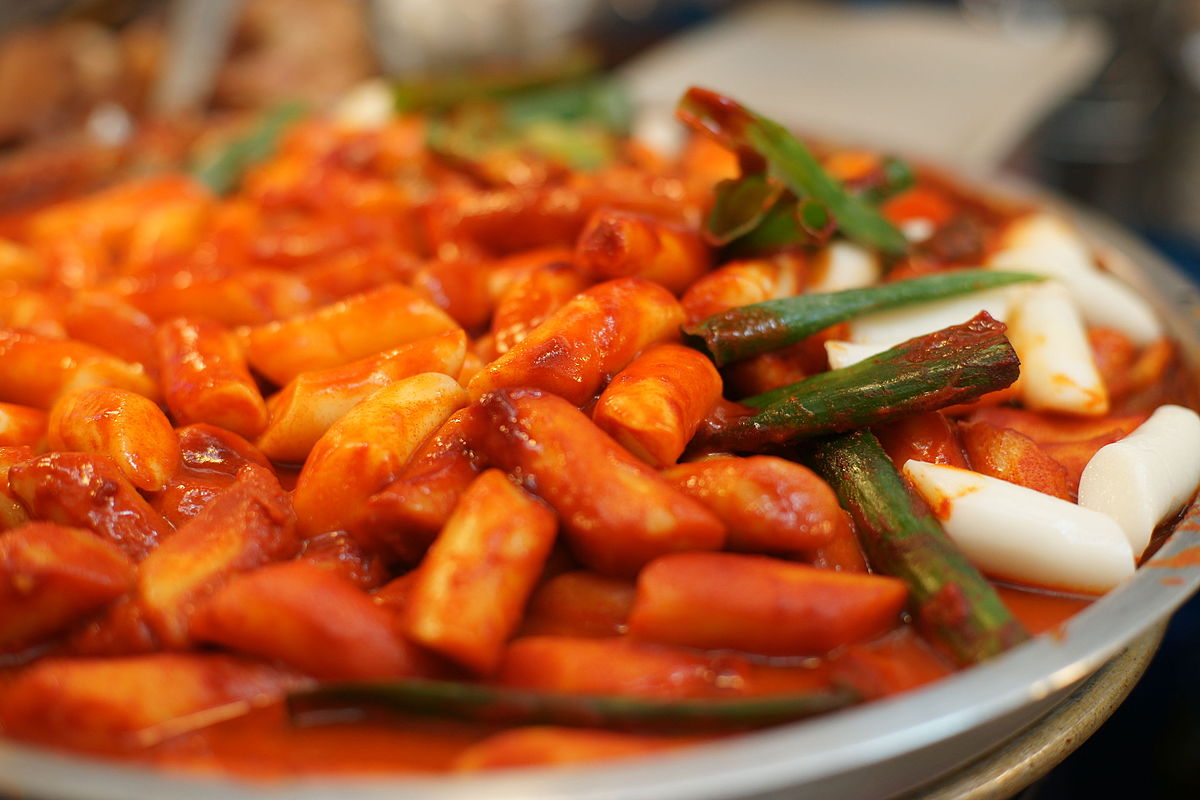
How to Make Tteokbokki: Authentic Korean Spicy Rice Cake Recipe
Master the classic Korean street food at home — chewy rice cakes in a bold gochujang sauce, ready in 30 minutes.
Photo: Wikipedia Commons
What You'll Need
Tteokbokki requires a handful of staple Korean ingredients. The most essential is gochujang — Korean fermented red chili paste — which gives the dish its deep, complex spicy-sweet flavor. This is not the same as sriracha or other chili sauces; gochujang is richer and slightly sweet, with a fermented umami depth that makes the sauce addictive. For the rice cakes, look for garae-tteok (cylindrical rice cakes) or pre-cut tteokbokki-tteok at any Korean grocery store or Asian supermarket. Frozen versions work well too — just soak them before cooking. Fish cake (eomuk/odeng) is the classic accompaniment, adding a savory, chewy contrast to the tender rice cakes.
- ·400g tteokbokki-tteok (Korean rice cakes)
- ·150g eomuk (fish cake), cut into bite-size pieces
- ·3 cups dashima anchovy broth (or plain water)
- ·3 tbsp gochujang (Korean red chili paste)
- ·1 tbsp gochugaru (Korean red pepper flakes)
- ·1 tbsp soy sauce
- ·1 tbsp sugar (or honey)
- ·2 cloves garlic, minced
- ·2 green onions, cut into 5cm pieces
- ·1–2 boiled eggs (optional but traditional)
- ·Sesame seeds and sesame oil to finish
Step-by-Step Recipe
Follow these steps for tteokbokki that tastes like it came straight from a Seoul street stall. The key is building a flavorful broth first, then letting the rice cakes absorb the sauce as they cook — never rush this process.
- 1
Make the Broth
Add 3 cups of water to a wide pan. Add a piece of dashima (dried kelp, about 10cm square) and 5–6 dried anchovies. Bring to a boil, then simmer for 10 minutes. Remove and discard the dashima and anchovies. This creates a savory, umami-rich base. If you're in a hurry, plain water works, but the broth adds significant depth.
- 2
Prepare the Sauce
In a small bowl, combine: 3 tbsp gochujang, 1 tbsp gochugaru, 1 tbsp soy sauce, 1 tbsp sugar, and 2 cloves minced garlic. Mix well. Taste the raw sauce — it should be boldly spicy, sweet, and salty. Adjust ratios to your preference before adding to the pan.
- 3
Soak the Rice Cakes
If using refrigerated or frozen tteok, soak them in cold water for 20–30 minutes until they soften slightly and separate easily. Fresh rice cakes can go straight into the pan. Hard, cold rice cakes will not absorb the sauce properly and may remain gummy in the center.
- 4
Cook the Base
Bring the broth to a boil over medium-high heat. Add the sauce mixture and stir until fully dissolved. Add the soaked rice cakes and fish cake pieces. Stir to coat everything evenly in the sauce.
- 5
Simmer and Stir
Cook over medium heat for 8–10 minutes, stirring frequently. The sauce will reduce and thicken as the starch from the rice cakes is released. The tteok should become plump, soft, and deeply flavored. If the sauce thickens too quickly, add a splash of water.
- 6
Finish and Serve
Add the green onions in the last 2 minutes of cooking. Turn off the heat and drizzle with a tiny amount of sesame oil. Top with a sprinkle of sesame seeds. Serve immediately in the pan or in bowls, with boiled eggs halved on top. Eat hot — tteokbokki does not keep well once it cools.
Variations to Try
Once you've mastered the classic, the world of tteokbokki opens up. Korean cooks are endlessly inventive with this dish, and several fusion versions have become mainstream favorites.
- ·Rosé Tteokbokki: Add 3–4 tbsp heavy cream and reduce gochujang by half. The sauce turns a beautiful blush pink and is much milder — great for spice-sensitive eaters.
- ·Cheese Tteokbokki: Transfer to an oven-safe dish, top with shredded mozzarella, and broil until bubbling. Pull the cheese apart as you eat for the full 'cheese pull' experience.
- ·Rabokki (라볶이): Add one pack of instant ramen noodles (uncooked) in the last 4 minutes. The noodles soak up the sauce beautifully.
- ·Royal Palace Style (궁중떡볶이): Skip gochujang entirely. Instead, use 2 tbsp soy sauce, 1 tsp sesame oil, and add sliced beef and mushrooms. Elegant and mild.
- ·Seafood Tteokbokki: Add shrimp, squid rings, and clams along with the rice cakes for a seaside-style version popular in coastal Korean cities.
Serving Suggestions & Pairings
In Korea, tteokbokki is almost never eaten alone. The classic pairing is odeng (fish cake skewers) — served separately but with the shared broth used as a dipping and drinking soup. The mild, savory odeng broth perfectly balances the spicy tteokbokki. Twigim (튀김) — various Korean-style fried snacks including battered vegetables, shrimp, and glass noodle rolls — are the other essential accompaniment. The crunchy, neutral fried food contrasts beautifully with the sticky, saucy tteokbokki. For a complete bunsik (Korean snack bar) experience at home: serve tteokbokki, odeng skewers, and an assortment of twigim on a shared table. Drinks: a sweet cold soda, sikhye (rice drink), or for adults, a glass of makgeolli (milky rice wine) is the traditional pairing.
- ·Odeng (fish cake skewers in broth) — the essential pairing
- ·Twigim (fried snacks: sweet potato, zucchini, glass noodles)
- ·Gimbap (Korean rice rolls) — eat alongside to cool down your mouth
- ·Cold sweet drinks: Cider (Korean Sprite), sikhye, or barley tea
Tips
- 💡Never use high heat when cooking tteok — it causes the outside to dissolve before the inside cooks. Medium heat and patience is the key.
- 💡The sauce should coat a spoon thickly before you turn off the heat. If it's still watery, keep cooking — it thickens quickly in the last few minutes.
- 💡Gochujang brands vary significantly. Haechandle (해찬들) and Chungjungone (청정원) are widely available internationally and give authentic results.
- 💡Leftover tteokbokki sauce is liquid gold — cook instant ramen in it the next day for an incredible rabokki.
- 💡For meal prep: make the sauce in advance and refrigerate. Cook fresh rice cakes the day you serve — pre-cooked tteok gets rubbery when reheated.
Last updated: March 30, 2026
You might also like
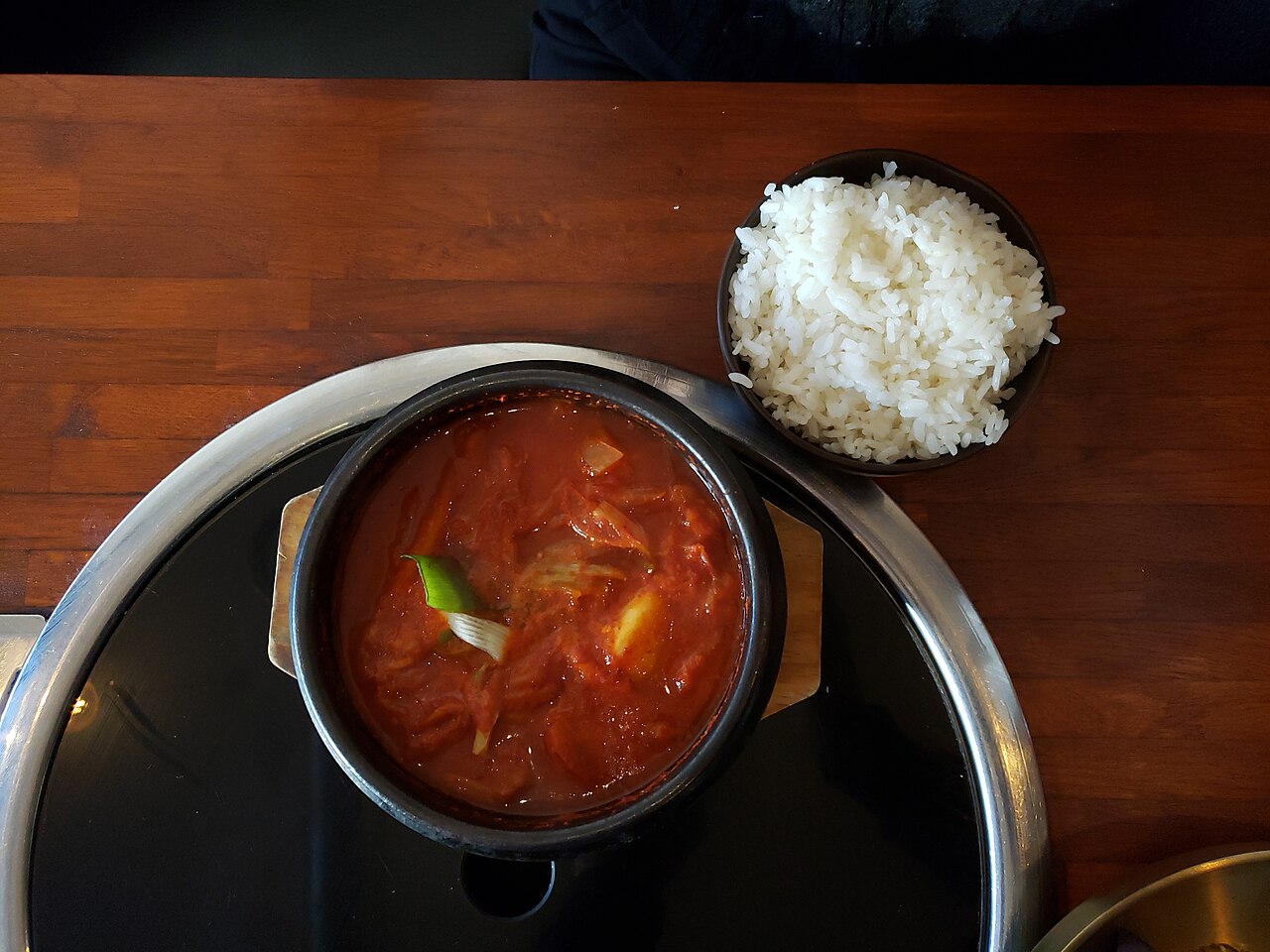
Kimchi Jjigae: Korea's Most Comforting Stew
Bubbling hot, deep red, and unmistakably Korean — kimchi jjigae is the stew that every Korean home smells like on a cold evening.
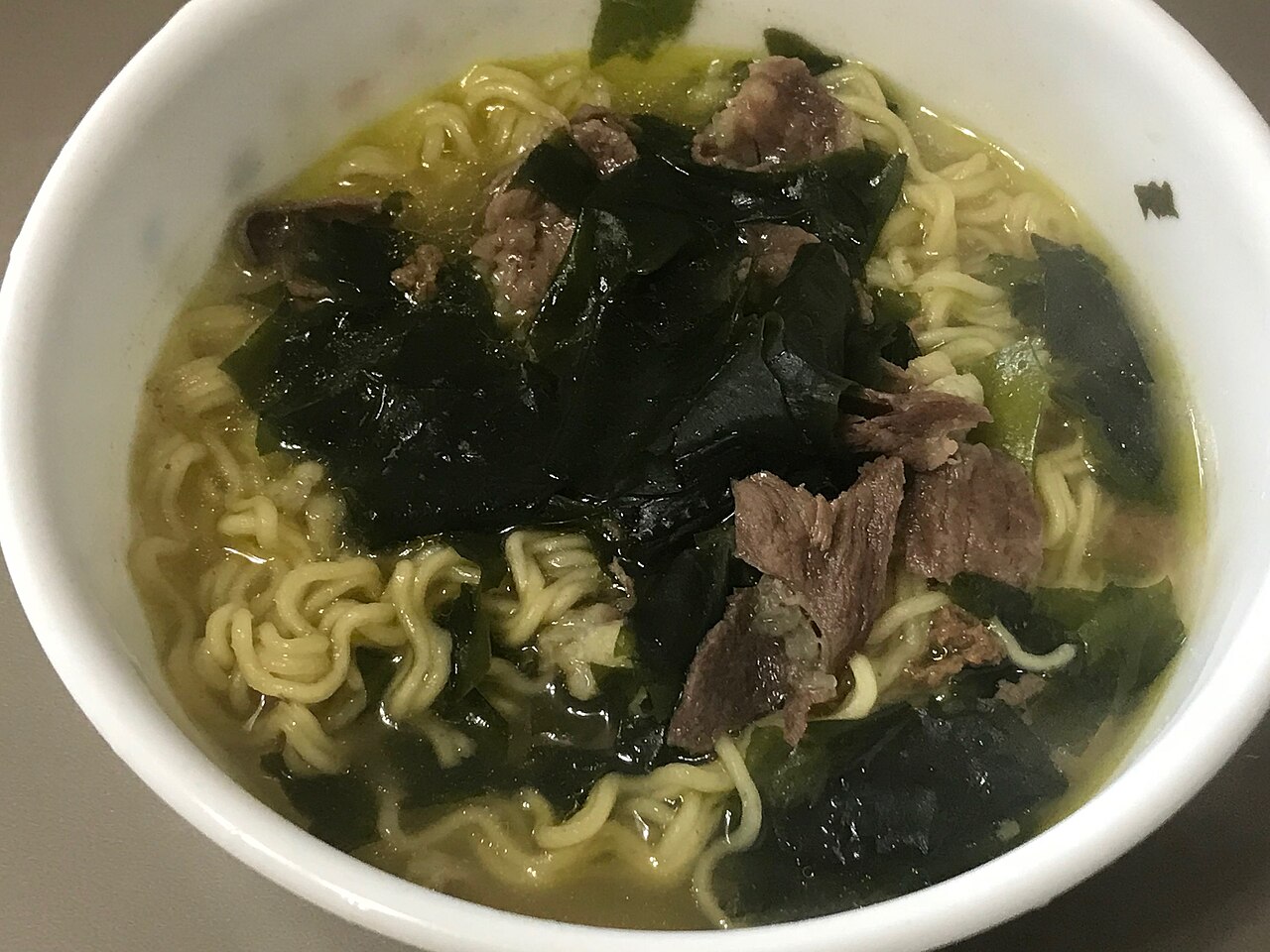
Miyeok-guk: The Birthday Soup That Is Really About Your Mother
Miyeok-guk is the seaweed soup every Korean eats on their birthday — a tradition that began as postpartum recovery food and became an annual act of gratitude to one's mother.
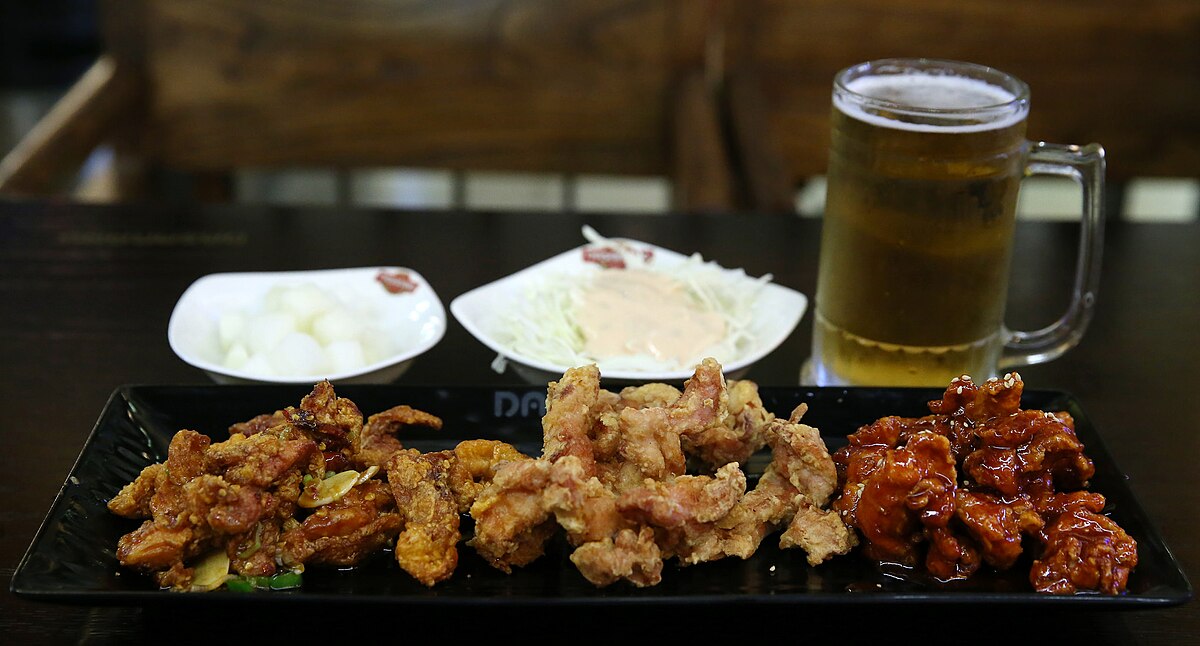
Chimaek: Why Korean Fried Chicken Is the World's Best
Korea has more fried chicken restaurants than McDonald's has locations worldwide. Here's the science and culture behind the crunch.