Tteokguk: The New Year's Rice Cake Soup
Tteokguk is a traditional Korean soup of sliced rice cakes in clear broth, eaten on Lunar New Year to symbolize gaining a year of age and good fortune.
Photo: Wikipedia Commons
What Is Tteokguk?
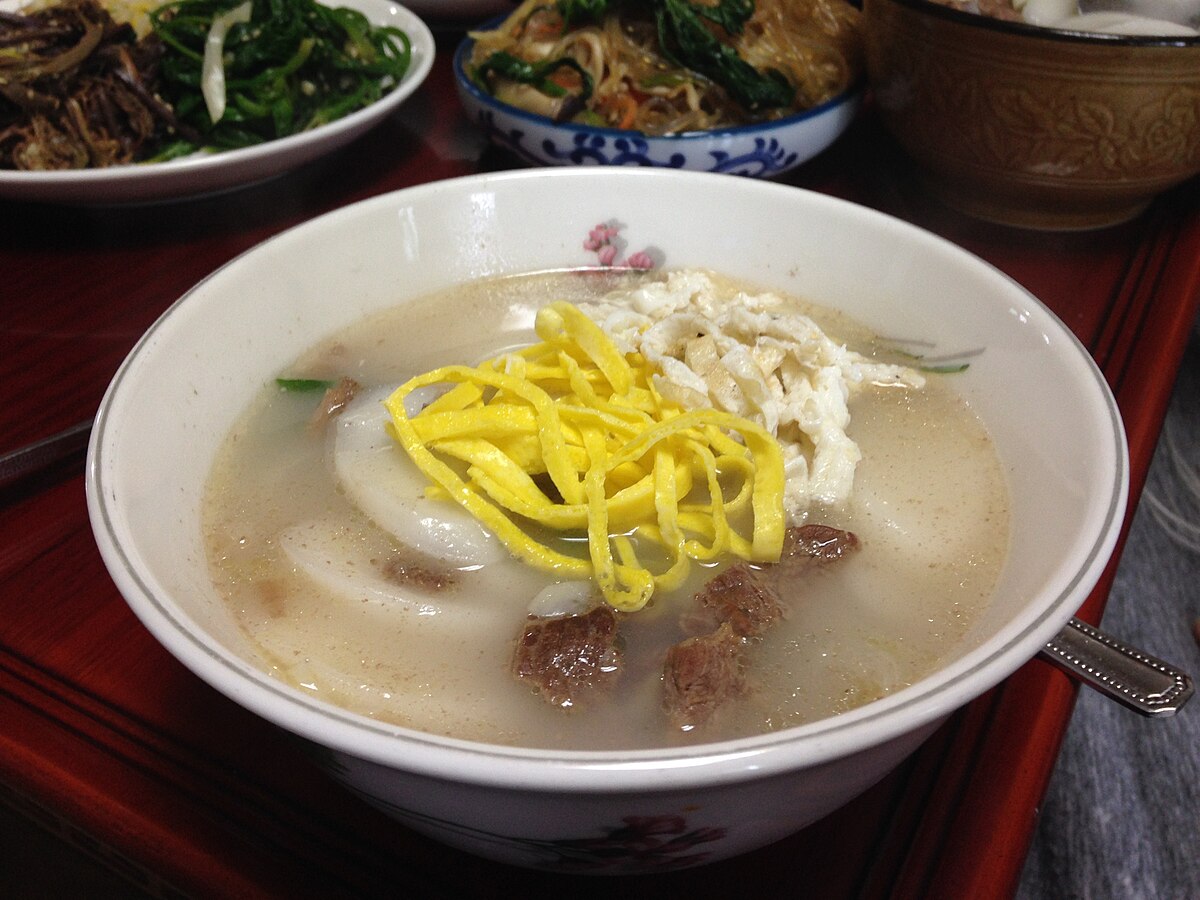
Tteokguk (떡국) is a traditional Korean soup made with garaetteok — long, cylindrical rice cakes that are sliced into thin oval coins — simmered in a clear, savory broth. The soup is typically garnished with thin strips of egg, sliced green onions, dried seaweed (gim), and sometimes beef or dumplings. The broth is most commonly made from beef (usually brisket or short ribs), but chicken or anchovy-based broths are also used. The rice cake slices are soft and chewy with a mild, clean flavor that absorbs the richness of the broth beautifully. Although tteokguk can be eaten year-round, it is most strongly associated with Seollal (Korean Lunar New Year), when eating it is a near-universal cultural tradition.
History & Origins
The tradition of eating tteokguk on New Year's Day is documented as far back as the 19th century in Korean historical records. The dish's symbolism is deeply rooted in Korean cosmology: the long garaetteok rice cake represents longevity, and slicing it into coin-shaped rounds is said to bring wealth and prosperity in the new year. There is also a folk belief that eating a bowl of tteokguk on New Year's Day adds one year to your age — a concept called 'tteok-sal' (나이를 한 살 먹는다). Children were historically asked 'How many bowls of tteokguk have you eaten?' as a way to ask how old they were. The white color of the rice cake is also symbolic — white represents purity and a fresh start, making it an ideal food for welcoming the new year.
How Koreans Eat It
Tteokguk is the centerpiece of the Seollal morning meal, eaten after performing ancestral rites (jesa). Families gather to eat it together before visiting relatives. It is also commonly sold at restaurants during the winter months and around the holiday season.
- ·Add dumplings (mandu) to make tteok-mandu-guk — a popular and even richer variation
- ·The egg garnish is traditionally jiidan — egg whites and yolks cooked separately and sliced into thin strips
- ·Kimchi is almost always served alongside as a side dish to cut through the richness of the broth
- ·If you visit Korea around Lunar New Year (late January to February), nearly every restaurant will offer tteokguk
Cultural Significance
Tteokguk is one of the most culturally loaded foods in Korea. It is not merely a dish — it is a ritual. Eating it on New Year's morning is as essential to Koreans as eating turkey is to Americans on Thanksgiving. Missing tteokguk on Seollal is considered unusual, and even Koreans living abroad make a point to prepare or find it for the occasion. The dish also carries emotional weight as a symbol of family reunion. Seollal is one of the biggest holidays in Korea, and tteokguk is the meal that brings the family to the table. For many Koreans, the smell and taste of tteokguk is inseparable from memories of grandparents, ancestral rites, and the new year's hope.
Tips
- 💡To experience tteokguk at its most traditional, visit Korea during Seollal (Lunar New Year, usually late January or February)
- 💡Look for tteok-mandu-guk at restaurants — the addition of dumplings makes it an especially filling meal
- 💡The quality of the broth defines tteokguk — ask locals for restaurants known for their slow-simmered beef broth versions
Last updated: April 1, 2026
You might also like
Kimchi Jjigae: Korea's Most Comforting Stew
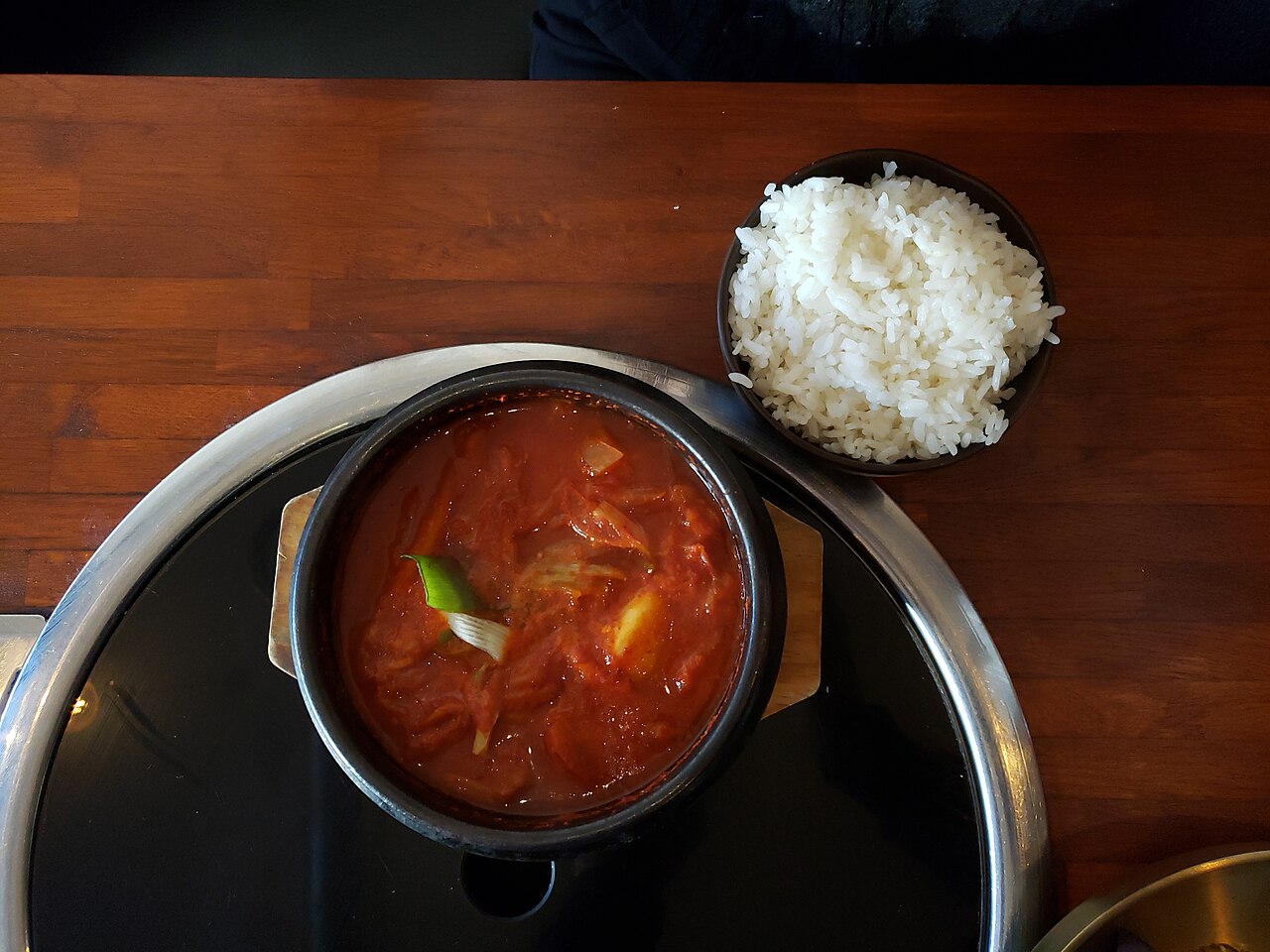
Bubbling hot, deep red, and unmistakably Korean — kimchi jjigae is the stew that every Korean home smells like on a cold evening.
Miyeok-guk: The Birthday Soup That Is Really About Your Mother
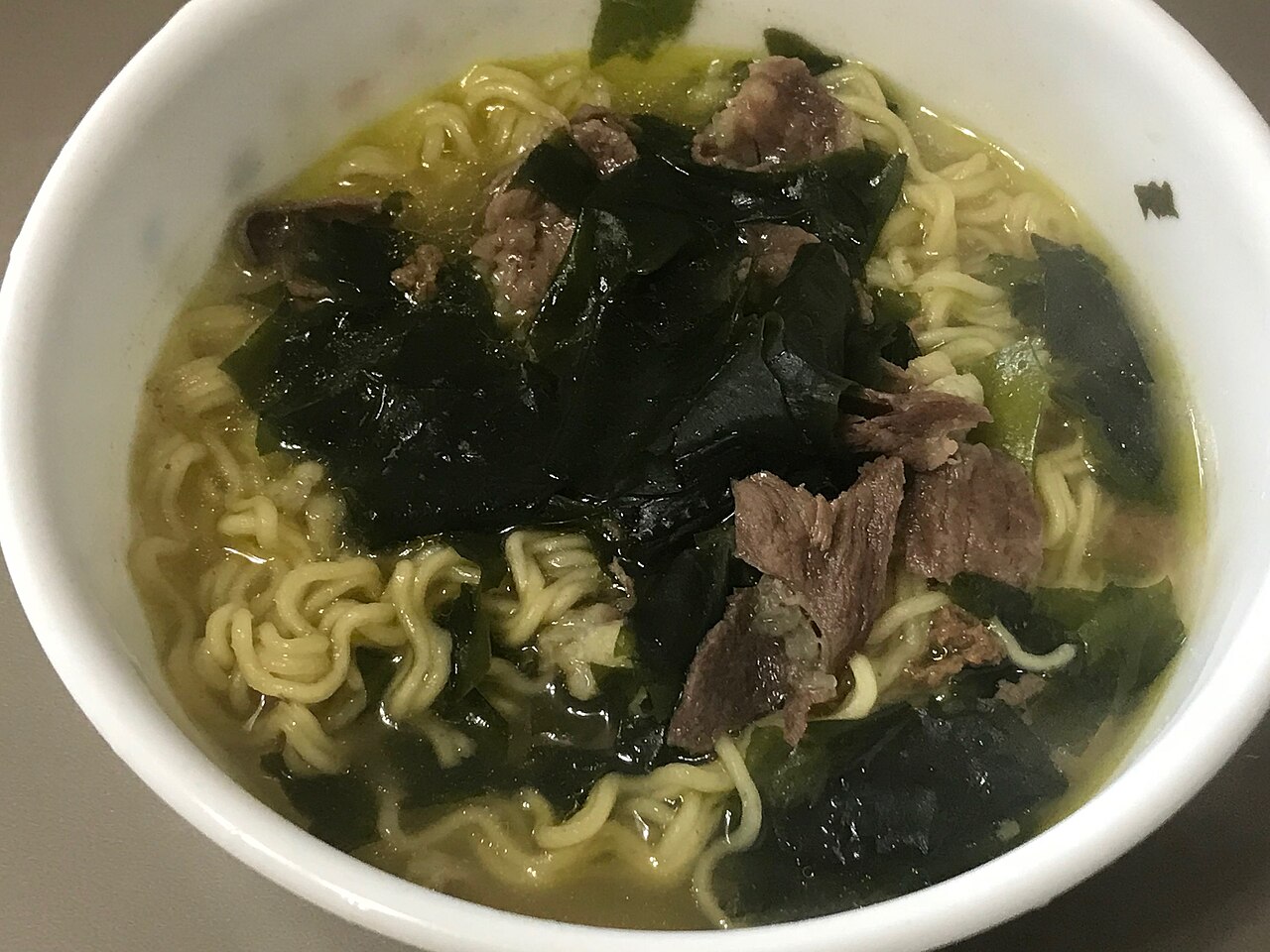
Miyeok-guk is the seaweed soup every Korean eats on their birthday — a tradition that began as postpartum recovery food and became an annual act of gratitude to one's mother.
Chimaek: Why Korean Fried Chicken Is the World's Best
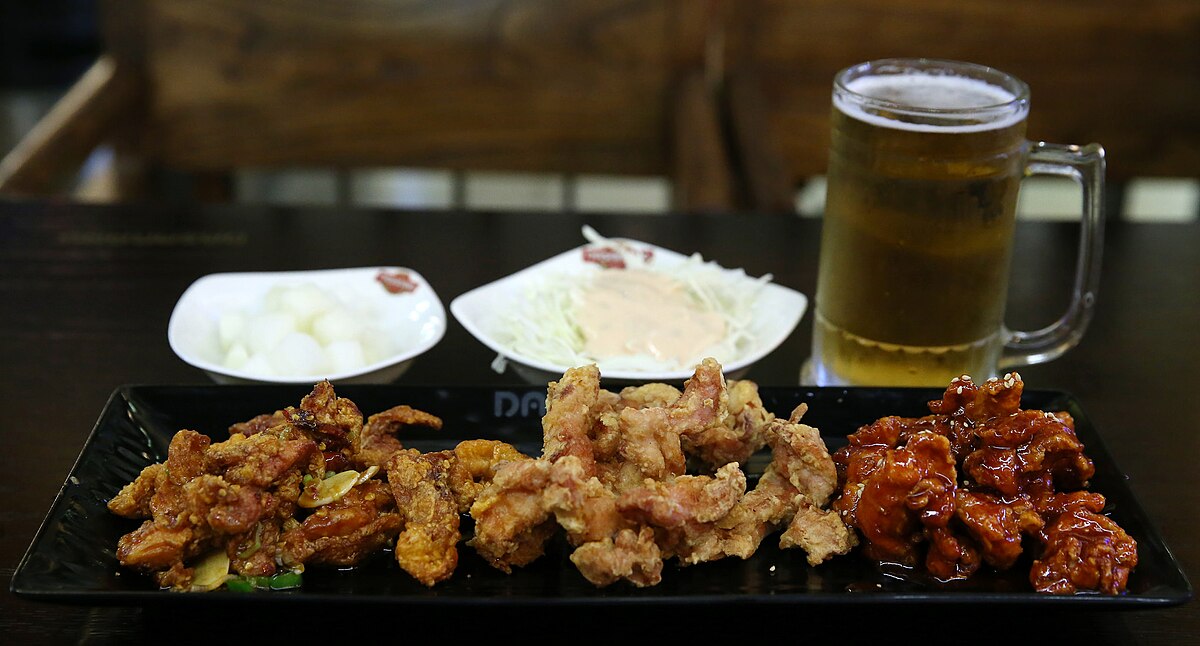
Korea has more fried chicken restaurants than McDonald's has locations worldwide. Here's the science and culture behind the crunch.