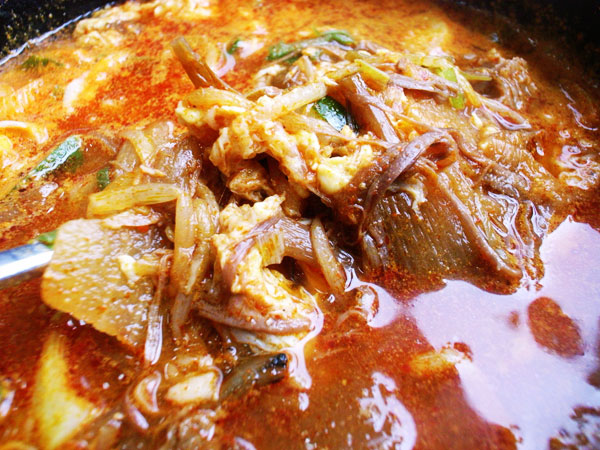
Yukgaejang: Spicy Shredded Beef Soup
Yukgaejang is a bold, fiery Korean soup of shredded beef and vegetables simmered in a deeply seasoned red chili broth — a warming staple for cold weather and celebrations.
Photo: Wikipedia Commons
What Is Yukgaejang?
Yukgaejang (육개장) is a hearty, spicy Korean beef soup made by shredding boiled beef brisket into long strands and simmering it in a richly seasoned broth of gochugaru (red chili flakes), gochujang, soy sauce, sesame oil, and garlic. The soup typically also contains fernbrake (gosari, a type of bracken fern), green onions, and glass noodles (dangmyeon). The broth is characteristically deep red and intensely flavored — simultaneously spicy, savory, and slightly smoky. The shredded beef is tender and absorbent, having soaked up the flavors of the spice-laden broth during the long simmering process. Yukgaejang is a satisfying, warming meal that is eaten year-round in Korea but is particularly associated with cold weather, post-partum recovery meals, and Korean celebration gatherings.
History & Origins
Yukgaejang has deep historical roots in Korean royal cuisine. Historical documents from the Joseon Dynasty describe a similar dish served at court called 'gaejangguk,' made with dog meat. After dog meat fell out of mainstream Korean cooking (and was replaced entirely by beef in the modern era), the dish was renamed 'yukgaejang' — 'yuk' meaning meat (specifically beef), and 'gaejang' being a reference to the traditional preparation style. The shift to beef made the dish available to all social classes, and yukgaejang eventually became one of the most widely eaten Korean soups. The inclusion of gosari (bracken fern) connects the dish to Korean mountain foraging traditions, while glass noodles and bean sprouts add substance and texture. Yukgaejang is one of the few Korean soups that Koreans associate specifically with birthday celebrations — eating it on your birthday is a long-standing tradition, said to ward off bad luck and bring vitality.
How Koreans Eat It
Yukgaejang is eaten as a main course with rice and kimchi. It is one of the most complete and filling Korean soups — a bowl of yukgaejang with rice is a substantial meal.
- ·Mix rice into the soup or eat alongside — the spicy broth poured over rice is one of Korea's most satisfying flavor combinations
- ·Have cold water or barley tea ready — this is a genuinely hot soup
- ·The gosari (bracken fern) is an unusual ingredient for international visitors — it is earthy and slightly bitter, adding complexity
- ·Eat it on your birthday for the most culturally authentic experience — many Koreans do this as tradition
Cultural Significance
Yukgaejang's birthday connection is one of the most interesting cultural associations in Korean food. While the Western tradition is birthday cake, many Koreans eat yukgaejang (or miyeokguk, seaweed soup) on their birthday as a tradition that predates the modern cake culture. The soup is also considered a stamina-restoring food (boyangshik) — its combination of beef protein, chili (believed to stimulate circulation), and various nutritious vegetables makes it a food that Koreans reach for when they need physical restoration. New mothers traditionally eat it for recovery, and athletes or laborers eat it before demanding physical work.
Tips
- 💡Order yukgaejang at a Korean traditional restaurant as your birthday meal for a culturally meaningful experience
- 💡The fernbrake (gosari) must be pre-soaked and pre-cooked before adding — at restaurants this is always done, but be aware if making at home
- 💡The heat level in yukgaejang can vary significantly — ask for a milder version if needed
Last updated: April 1, 2026
You might also like
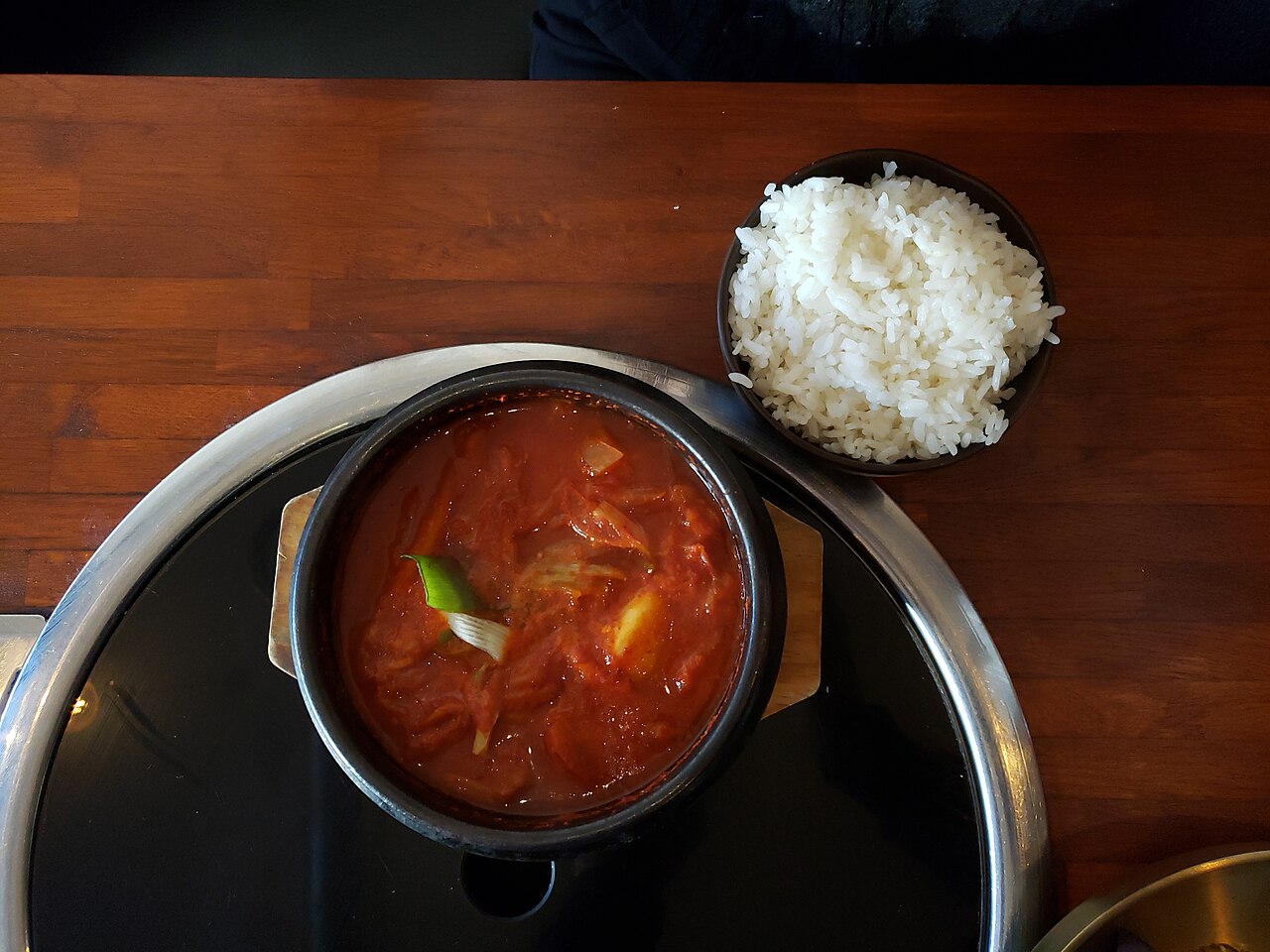
Kimchi Jjigae: Korea's Most Comforting Stew
Bubbling hot, deep red, and unmistakably Korean — kimchi jjigae is the stew that every Korean home smells like on a cold evening.
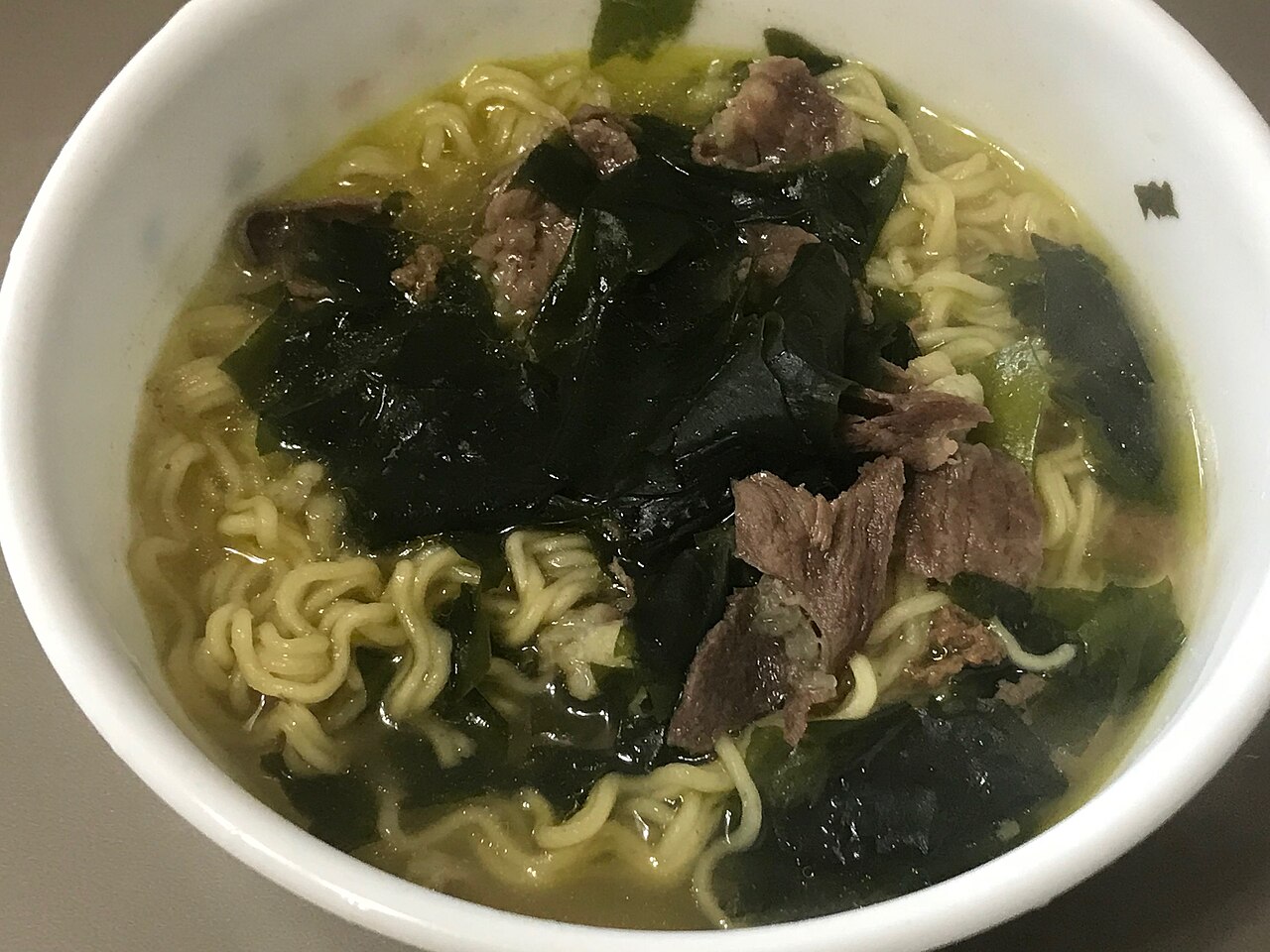
Miyeok-guk: The Birthday Soup That Is Really About Your Mother
Miyeok-guk is the seaweed soup every Korean eats on their birthday — a tradition that began as postpartum recovery food and became an annual act of gratitude to one's mother.
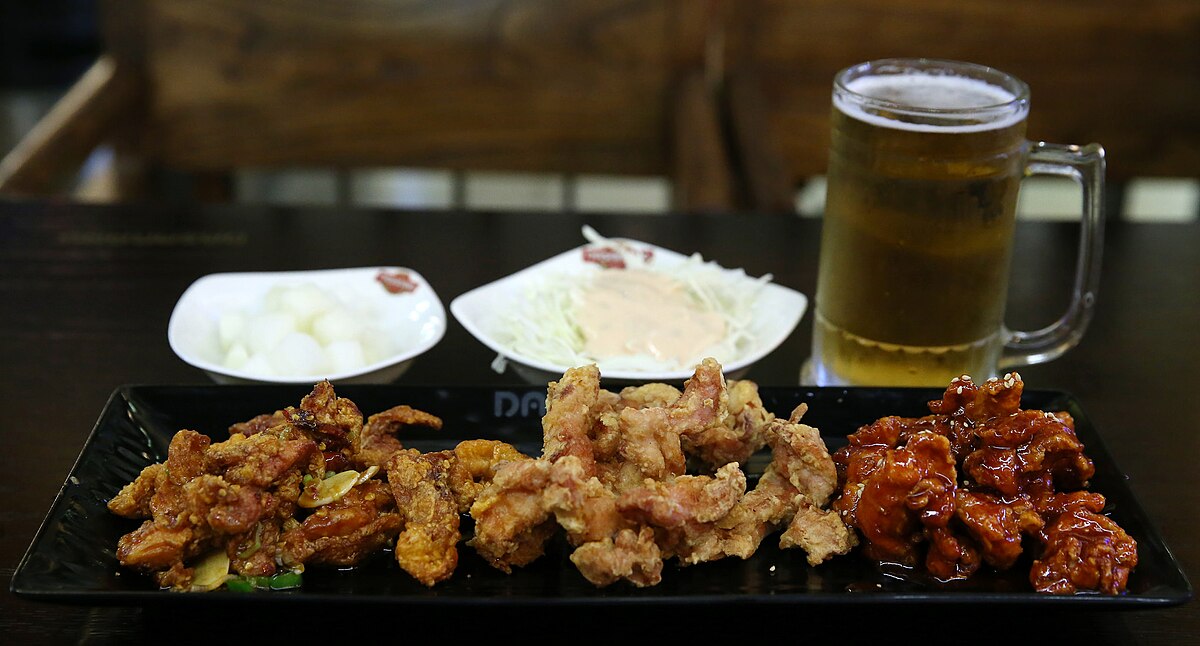
Chimaek: Why Korean Fried Chicken Is the World's Best
Korea has more fried chicken restaurants than McDonald's has locations worldwide. Here's the science and culture behind the crunch.